Education is the root of development, and teachers are the guiding lights of knowledge. As the world moves forward with rapid changes in technology, society, and lifestyles, the future of education and teachers is becoming one of the most important topics of discussion. Education will no longer be just about textbooks and exams. Instead, it will be about preparing students for real life, building creativity, and shaping responsible citizens. Teachers will remain central in this journey, even though classrooms, methods, and tools may look very different from what we see today.
Thank you for reading this post, don't forget to subscribe!What is the Future of Education and Teachers?
The future of education and teachers refers to how learning and teaching will evolve in the coming years. In the past, schools were limited to chalk, blackboards, and printed books. Today, we already see digital classrooms, online lessons, and smart technologies. In the future, this transformation will be much deeper. Education will not only teach knowledge but also life skills, problem-solving, teamwork, creativity, and emotional strength.
Teachers, in this new system, will not only deliver information but also act as mentors, motivators, and life coaches. While technology will play a huge role, teachers will remain irreplaceable because they provide emotional guidance, human connection, and moral values that machines cannot.
Importance of Teachers in the Future of Education
The future of education and teachers cannot be separated, because technology alone cannot shape young minds. Teachers will play a bigger role in:
- Building values and character in students.
- Guiding students through digital tools without letting them become overdependent.
- Encouraging creativity and critical thinking beyond memorization.
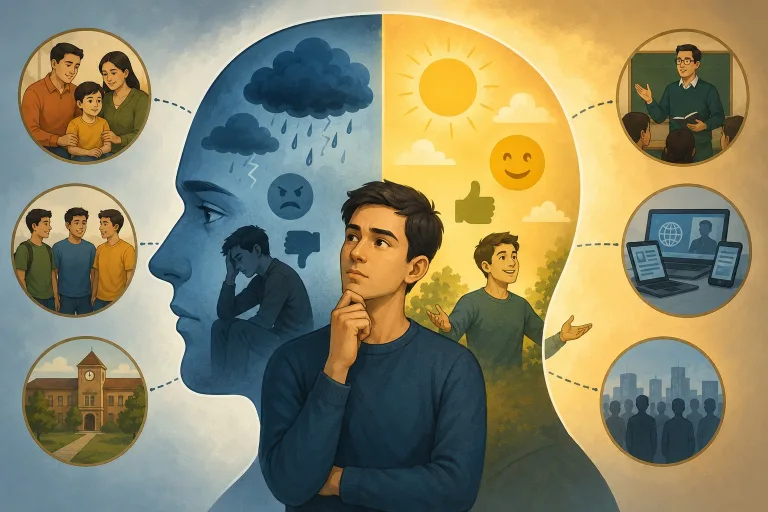
- Supporting mental health in an age where students face increasing stress.
- Preparing global citizens who can work with people from different cultures and backgrounds.
Key Features of the Future of Education and Teachers
1. Digital Classrooms and Smart Learning
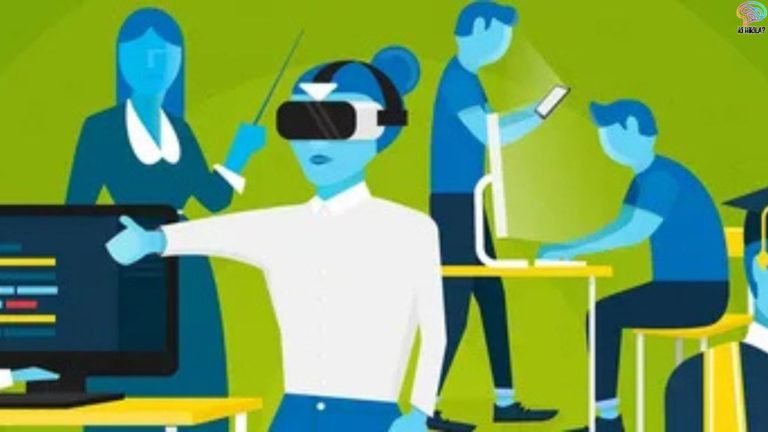
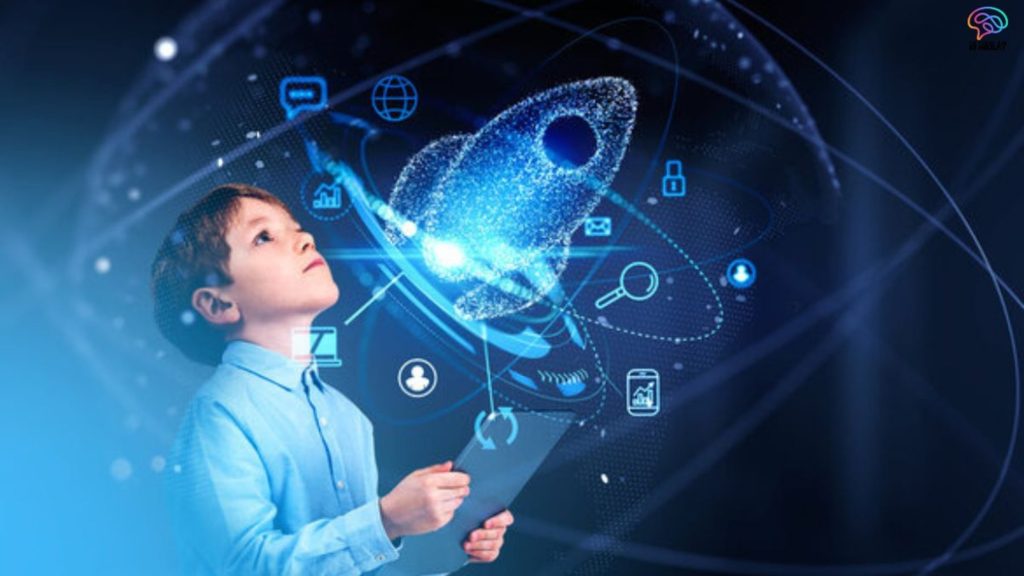
In the future of education and teachers, schools will use technology such as virtual reality, augmented reality, and artificial intelligence. A history class may allow students to “visit” ancient civilizations in 3D, while a science lesson may use simulations to explain experiments. Teachers will guide students in making the best use of these tools.
2. Personalized Learning Experiences
Every student is unique. The future of education and teachers will focus on personalized learning, where lessons are designed to match each student’s speed, ability, and interest. Teachers, supported by AI, will create flexible plans so that no child feels left behind.
3. Global Classrooms and Cross-Cultural Learning
With the internet connecting the world, the future of education and teachers will see global classrooms. A student in India may study with peers in the USA, Japan, or Africa. Teachers will prepare students to respect cultural diversity and learn as global citizens.
4. Focus on Skills, Not Just Exams
The future of education and teachers will shift from memorization to practical skills. Subjects will still be taught, but teachers will also emphasize communication, teamwork, leadership, and problem-solving so that students can succeed in real-life situations.
5. Teachers as Lifelong Learners
The future of education and teachers will require teachers to constantly upgrade their skills. They must learn new technologies, new teaching methods, and new ideas to remain effective. Teachers will become learners along with their students.
6. Artificial Intelligence as a Teaching Partner
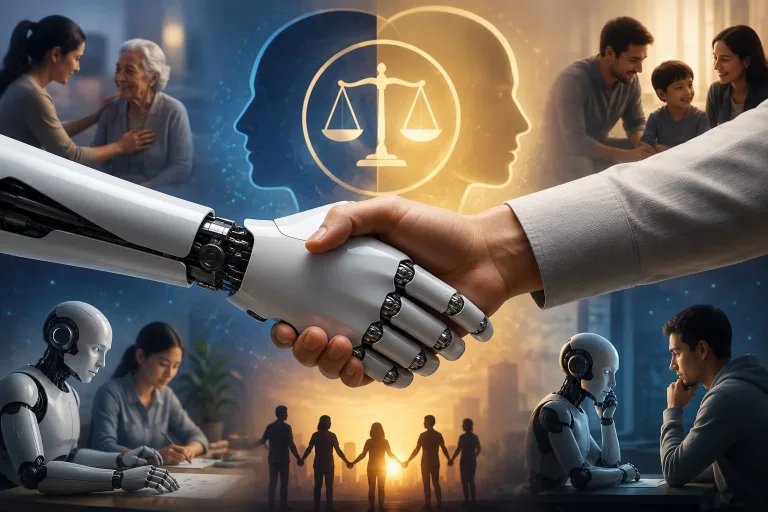
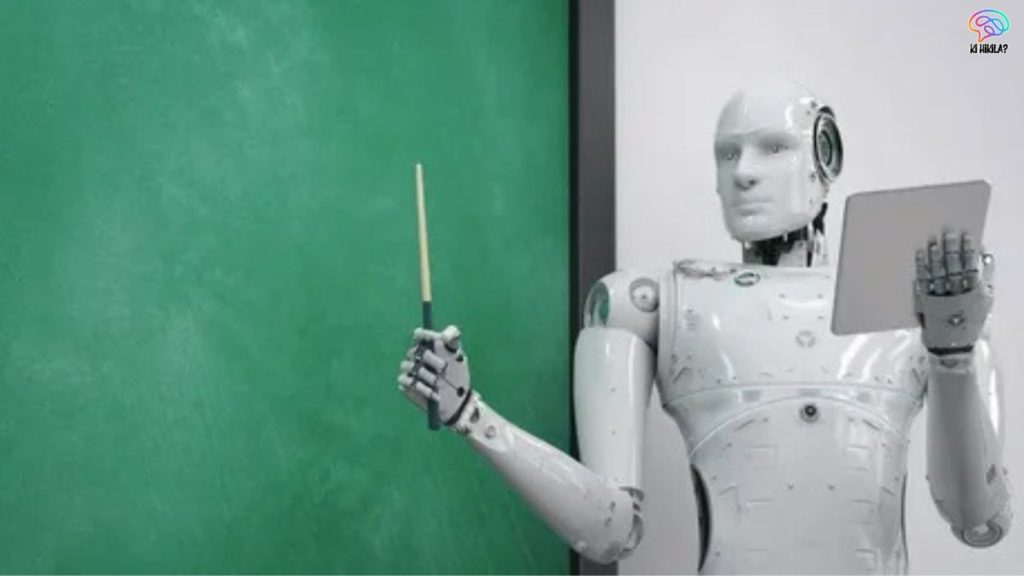
In the future of education and teachers, AI will assist in tasks like checking assignments, creating quizzes, and offering extra practice. But teachers will handle what machines cannot: emotional support, moral lessons, and motivating students to achieve their dreams.
7. Equal Access to Education
The future of education and teachers will also focus on removing barriers like poverty, distance, or disability. Teachers will use online tools and innovative methods to ensure that every child, rich or poor, urban or rural, gets equal opportunities.

Challenges in the Future of Education and Teachers
Even though the future of education and teachers looks promising, there will be challenges:
- Digital Divide: Not every child has access to devices and internet connections.
- Overdependence on Technology: If not guided by teachers, students may lose human connection and creativity.
- Teacher Training: Teachers must be trained in new technologies and teaching styles.
- Balancing Tradition and Modernity: Values like discipline and respect must be preserved while adopting modern tools.
The Vision of the Future of Education and Teachers
The future of education and teachers will not replace humans with machines. Instead, it will create a balance where technology supports teachers, and teachers guide students to use knowledge responsibly. Imagine a classroom where:
- A student learns mathematics through AI but applies it in real-life projects guided by a teacher.
- A literature class connects students worldwide to discuss books and ideas.
- A teacher supports students not just academically but also emotionally and socially.
This future will make education exciting, inclusive, and meaningful for all
The future of education and teachers is a powerful blend of technology, creativity, and human guidance. While machines can make learning faster and more accessible, only teachers can inspire, build character, and prepare students for life. For children, this means more engaging and fun classrooms. For adults, it means future generations will be stronger, wiser, and better prepared.
Teachers will remain the soul of education, and their role will be more important than ever in shaping leaders, innovators, and responsible citizens of tomorrow.
FAQ on the Future of Education and Teachers
Q1. What is meant by the future of education and teachers?
The future of education and teachers means how learning and teaching will evolve with technology, new skills, and global connections.
Q2. Will teachers be replaced by technology in the future?
No, teachers will not be replaced. Technology will support learning, but teachers will remain essential for guidance, values, and emotional support.
Q3. How will classrooms look in the future of education and teachers?
Classrooms will be digital and interactive, using virtual reality, smartboards, and online platforms.
Q4. What role will teachers play in the future of education and teachers?
Teachers will become mentors, motivators, and life coaches, guiding students beyond academic knowledge.
Q5. How will personalized learning change the future of education and teachers?
Students will learn at their own pace and style, while teachers use AI tools to design flexible lessons.
Q6. What skills will students learn in the future of education and teachers?
Apart from subjects, students will learn communication, teamwork, problem-solving, creativity, and leadership.
Q7. What are the challenges in the future of education and teachers?
Challenges include unequal access to technology, overuse of machines, and the need for teacher training.
Q8. How will global classrooms impact the future of education and teachers?
They will connect students worldwide, promoting cultural understanding and global citizenship.
Q9. Why is teacher training important for the future of education and teachers?
Because teachers must adapt to new technologies and teaching methods to remain effective.
Q10. What is the final vision of the future of education and teachers?
A balanced system where technology makes learning easier, and teachers inspire students to become responsible and creative citizens.