



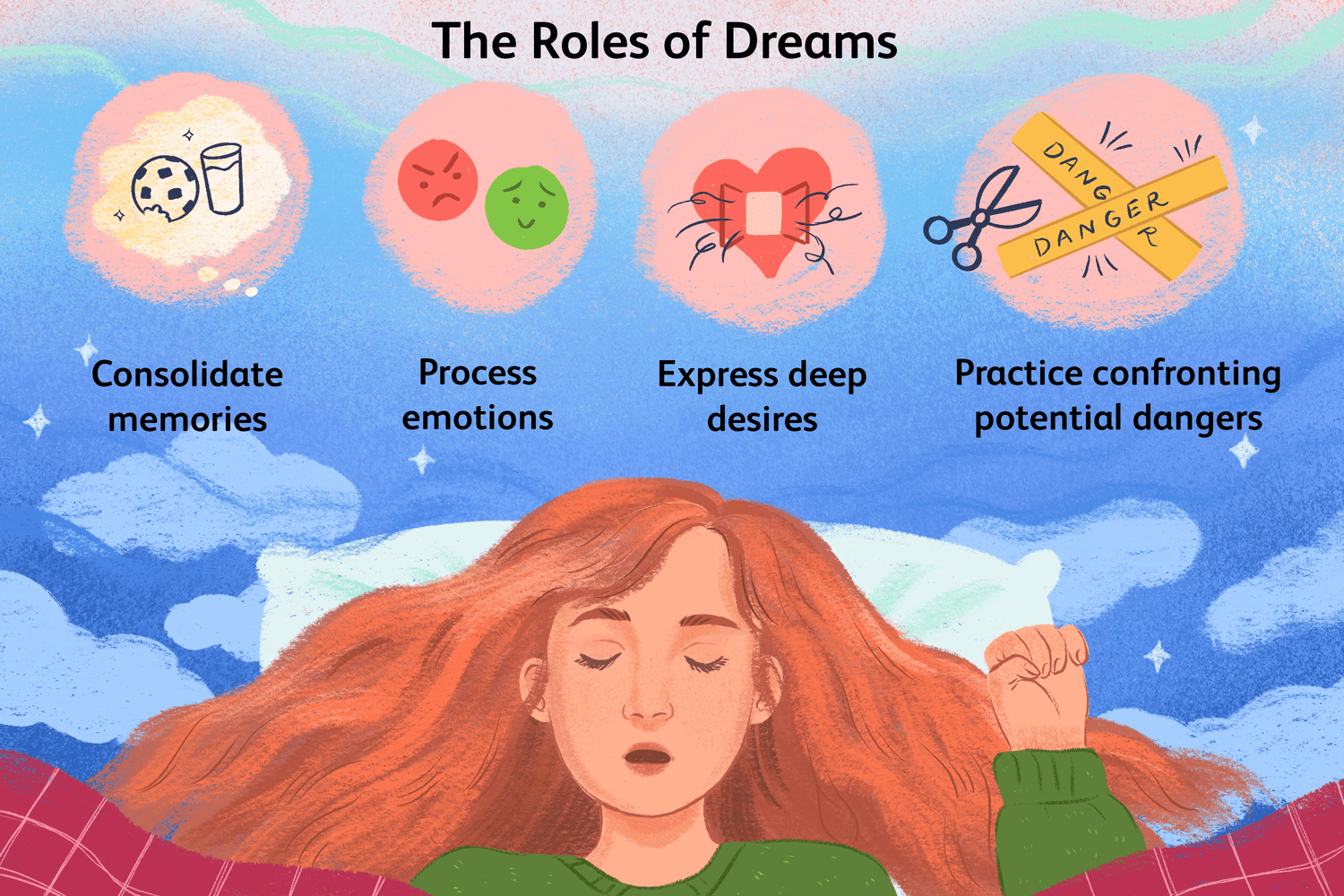

Human dreams have fascinated people for thousands of years. From ancient myths and spiritual beliefs to modern scientific research, the mystery of dreams continues to capture curiosity. Why do humans dream? What do dreams mean? Are they random, or do they serve a purpose?
Thank you for reading this post, don't forget to subscribe!Although scientists still do not have one single, complete answer, research in psychology and neuroscience suggests that dreams play several important roles in our mental and emotional lives. Dreams are not just meaningless stories—they are deeply connected to how our brain processes experiences, emotions, and memories.
Table of Contents
Dreams Help Process Emotions

Many researchers still explore why do humans dream, and one strong explanation is that dreaming helps the brain organize emotional experiences more effectively. This process allows individuals to wake up feeling mentally lighter. One of the most widely accepted theories is that dreams help the brain process emotions. Throughout the day, we experience a wide range of feelings—stress, happiness, fear, confusion, and excitement.
During sleep, especially in the Rapid Eye Movement (REM) stage, the brain becomes highly active. This is when most dreaming occurs. In this stage, the brain revisits emotional experiences and tries to make sense of them.
For example, if someone has a stressful day, they may dream about similar situations. This allows the brain to “replay” emotions in a safe environment and gradually reduce emotional intensity. In this way, dreams act like an emotional balancing system.
Dreams Strengthen Memory and Learning
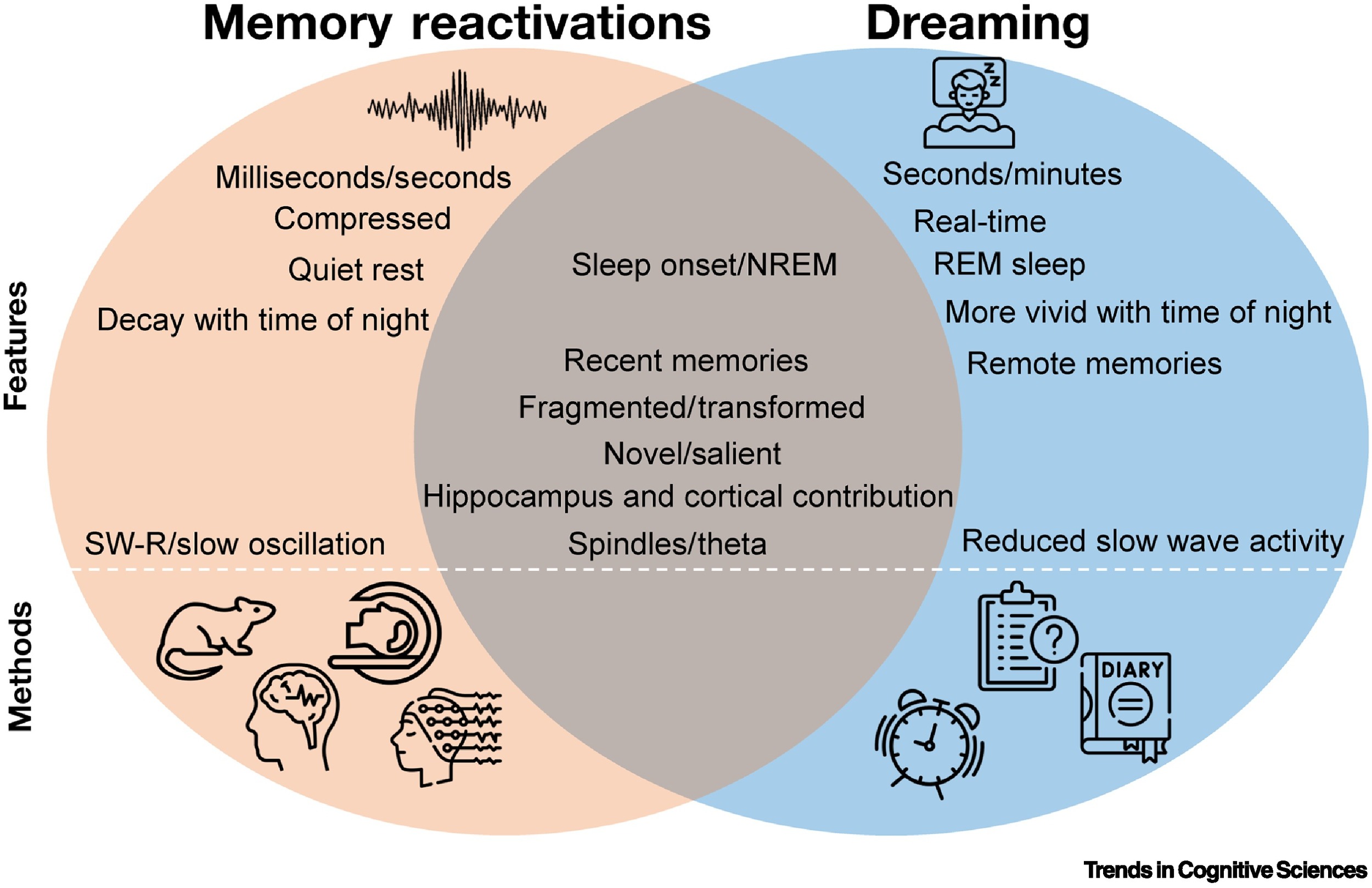
Another important reason we can think of “why do humans dream” is memory consolidation. During sleep, the brain reviews information gathered throughout the day and decides what to keep and what to discard.
Dreams may be a byproduct of this process. As neurons replay daily experiences, fragments of memories mix, forming dream sequences. This explains why dreams often include familiar faces, places, or recent events.
Students, for example, may dream about topics they studied, especially before exams. This indicates that the brain is actively strengthening those memories.
Dreams Boost Creativity and Problem-Solving
Dreaming allows the brain to think more flexibly and imaginatively. When we are awake, our thoughts are controlled by logic and structure. But during dreams, the brain relaxes these controls.
This allows unusual connections between ideas. As a result, dreams can inspire creativity and even solve problems.
Many artists, writers, and scientists have reported getting ideas from dreams. The dreaming mind is free to explore possibilities without limits, making it a powerful tool for innovation.
Dreams Simulate Threats and Prepare Us
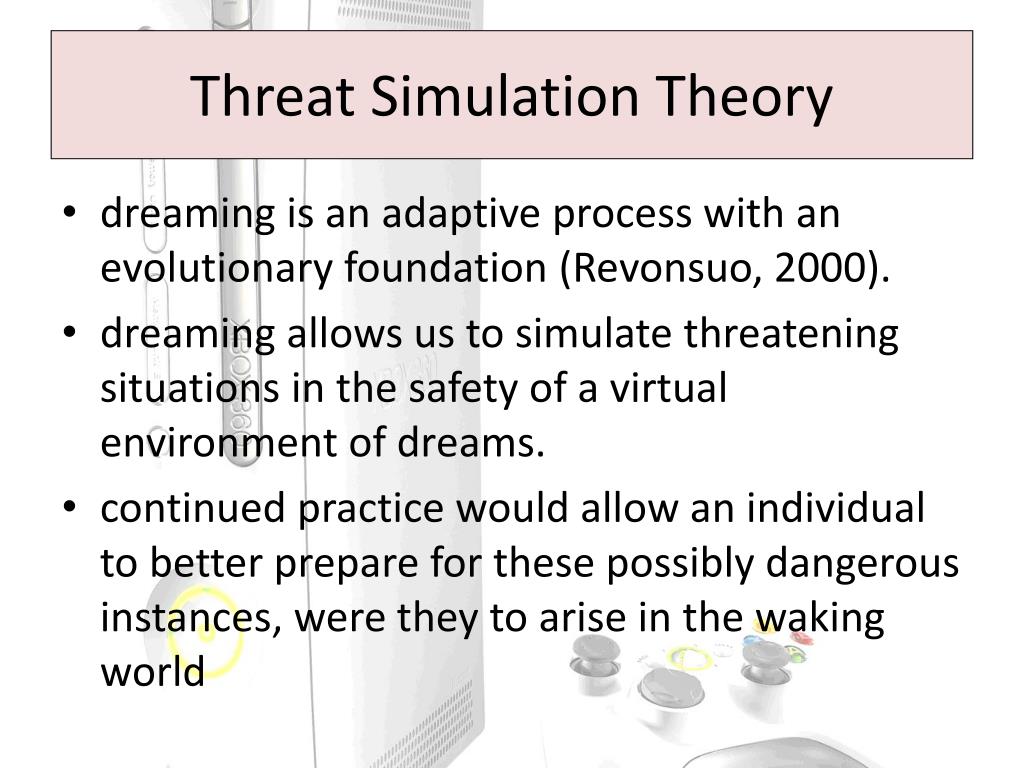
According to the “threat simulation theory,” dreams act as a training system for survival. Many dreams involve fear, danger, or being chased. These are not random—they may serve an evolutionary purpose.
By simulating threatening situations, the brain prepares us to react quickly in real life. It’s like a mental rehearsal for danger.
For early humans, this ability could have been crucial for survival. Even today, these simulations may help us handle stressful or risky situations better.
Dreams Support Mental Health

Dreams also play an important role in maintaining psychological balance. They act like a release system for emotions that are not fully processed during waking life.
When people are deprived of REM sleep (the stage where dreaming occurs), they often experience mood swings, irritability, and difficulty concentrating. This suggests that dreaming is essential for emotional stability.
In simple terms, dreams help “reset” the mind, making it easier to cope with daily challenges.
Dreams May Be Random Brain Activity
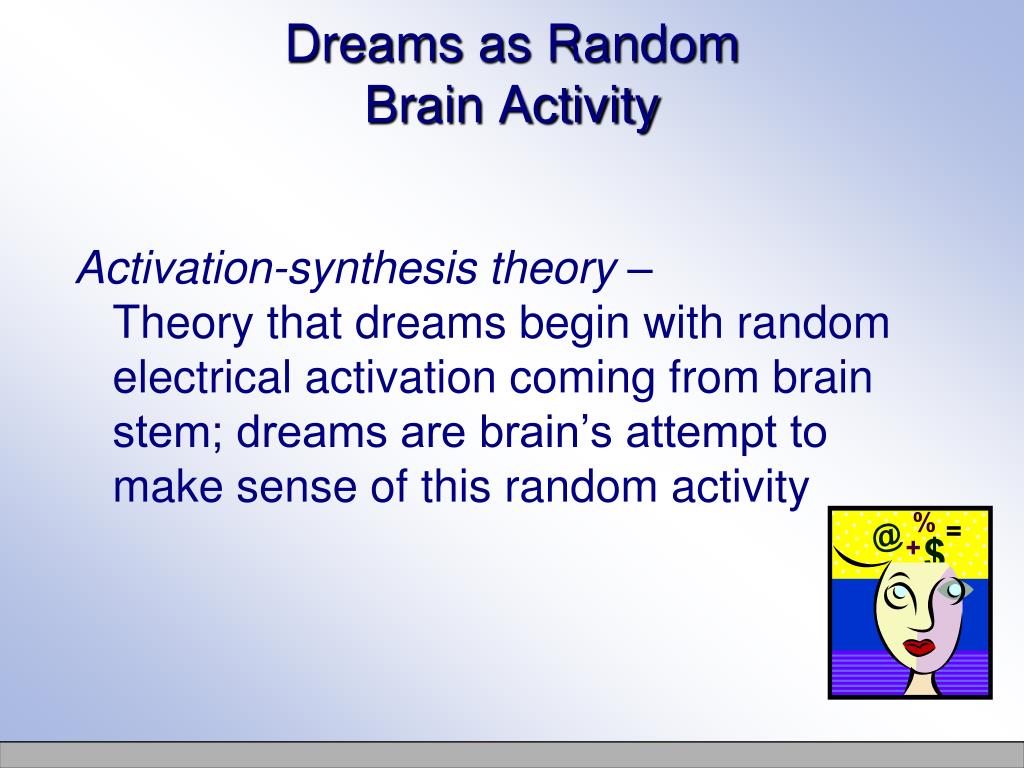
Not all scientists agree that dreams have a deep meaning. According to the “activation-synthesis theory,” dreams are simply the result of random signals in the brain.
During sleep, the brainstem sends random electrical impulses to the cerebral cortex. The cortex then tries to interpret these signals, creating stories or images.
This explains why dreams can be strange, illogical, or disconnected from reality. Sometimes, dreams may not have any specific purpose—they may just be the brain’s way of making sense of random activity.
Why Don’t We Remember Most Dreams?

Interestingly, most people forget their dreams shortly after waking up. This happens because the part of the brain responsible for memory is less active during REM sleep.
However, if a person wakes up during or immediately after a dream, they are more likely to remember it. Stress levels, sleep quality, and personality also affect how well someone recalls dreams.
Conclusion
So, why do humans dream? The answer is not simple. Dreams likely serve multiple purposes rather than just one. They help process emotions, strengthen memories, boost creativity, prepare us for challenges, and support mental health.
At the same time, some dreams may simply be the result of random brain activity. Despite scientific progress, dreams remain one of the most fascinating mysteries of the human mind.
Understanding dreams gives us a deeper insight into how our brain works—and reminds us just how complex and powerful it truly is.
FAQs
Q1. Why do humans dream every night?
Humans dream every night, especially during REM sleep. Even if you don’t remember them, your brain is still active and processing information.
Q2. Are dreams meaningful or random?
Dreams can be both. Some reflect emotions and experiences, while others may result from random brain activity.
Q3. Why do we forget our dreams?
We forget dreams because the brain’s memory system is less active during sleep, especially during REM stages.
Q4. Can dreams predict the future?
There is no scientific evidence that dreams can predict the future. However, they may reflect subconscious thoughts and concerns.
Q5. Do all people dream?
Yes, almost everyone dreams. Some people don’t remember their dreams.