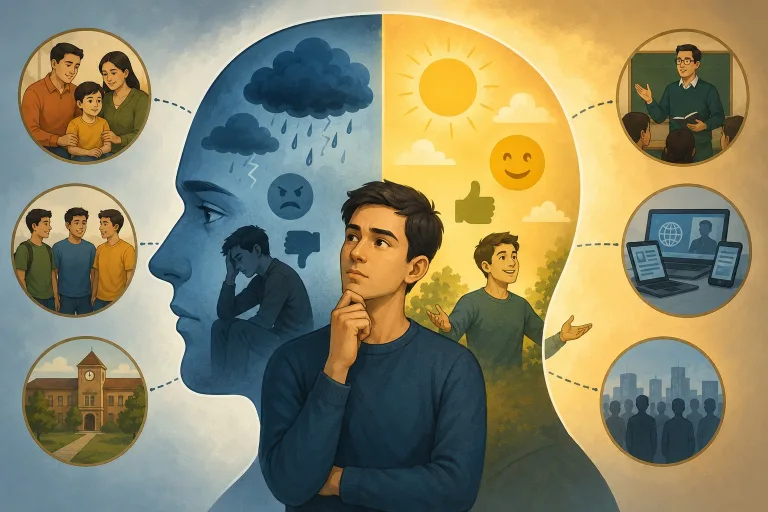




Human behavior often feels unpredictable, yet psychology shows that many actions follow recognizable patterns. Every day, the human brain processes thousands of thoughts, emotions, and decisions without us even noticing. From how we react to stress to how we form habits, our minds follow certain psychological principles that influence our actions.
Thank you for reading this post, don't forget to subscribe!Learning psychological facts about humans helps us understand why people behave in particular ways. For instance, psychology explains why people delay important tasks, why motivation sometimes appears suddenly, and why dreams often reflect our emotional state. These behaviors are not random; they are connected to deeper mental processes occurring in the brain.
Psychologists study human thinking, emotions, and behavior to identify these patterns. Their findings help people improve relationships, increase productivity, manage stress, and build better habits. Understanding the mind allows individuals to recognize their own thought patterns and respond to situations more consciously.
Many daily experiences, such as procrastination, motivation, social interaction, and even dreaming, have strong psychological explanations. When we learn about these patterns, we become more aware of our mental processes and gain better control over our decisions.
In this article, we will explore 20 fascinating psychological facts about humans that reveal how the brain works, how emotions shape behavior, and how mental habits influence everyday life.
Table of Contents
1. The Brain Makes Decisions Before We Become Aware of Them
One of the most surprising psychological facts about humans is that many decisions begin in the subconscious mind before we consciously realize them.
The human brain constantly analyzes past experiences, emotions, and environmental signals. When faced with a decision, it processes this information extremely quickly and prepares a response before the conscious mind catches up.
This is why people sometimes feel a sudden “gut instinct” about something. That instinct often comes from subconscious processing, where the brain recognizes patterns from previous experiences.
Although conscious thinking plays an important role in decision-making, the subconscious mind influences many everyday choices.
2. Emotions Strengthen Memory
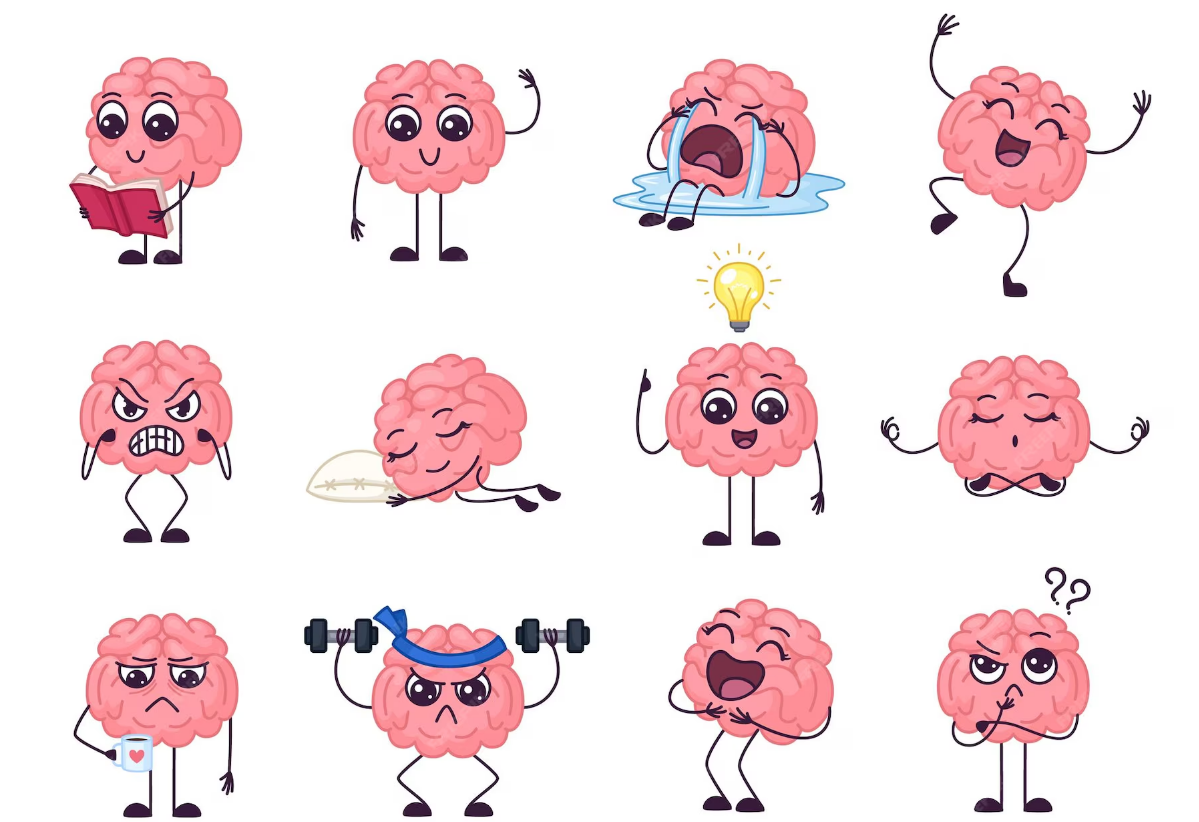
Another interesting insight among psychological facts about humans is the strong relationship between emotions and memory.
Events that trigger strong emotional reactions, such as happiness, fear, excitement, or sadness, are usually remembered more clearly than neutral experiences.
When emotional events occur, the brain releases certain chemicals that strengthen the storage of those memories. As a result, emotionally meaningful experiences remain vivid in our minds for years.
This is why people often remember special occasions, achievements, or difficult moments much more clearly than ordinary daily events.
3. Humans Naturally Search for Patterns
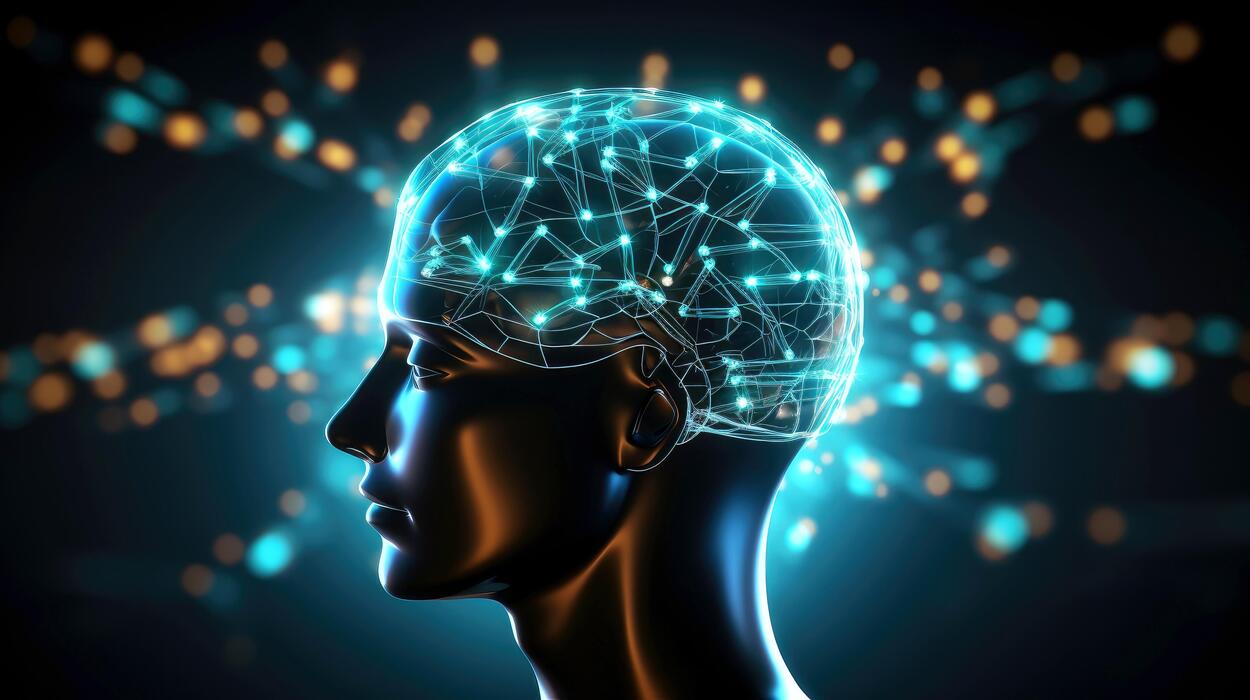
The human brain is designed to recognize patterns. This ability developed as a survival mechanism in early human history.
Early humans needed to identify patterns in nature to avoid danger, predict weather changes, and locate food sources. Over time, this pattern-recognition ability became a natural part of human thinking.
Today, people still rely on this mental habit. We search for patterns in behavior, social interactions, numbers, and events. However, this tendency sometimes leads individuals to believe patterns exist even when they do not.
Recognizing this psychological tendency helps people think more critically about information and avoid incorrect assumptions.
4. Procrastination Is Often Caused by Emotional Discomfort
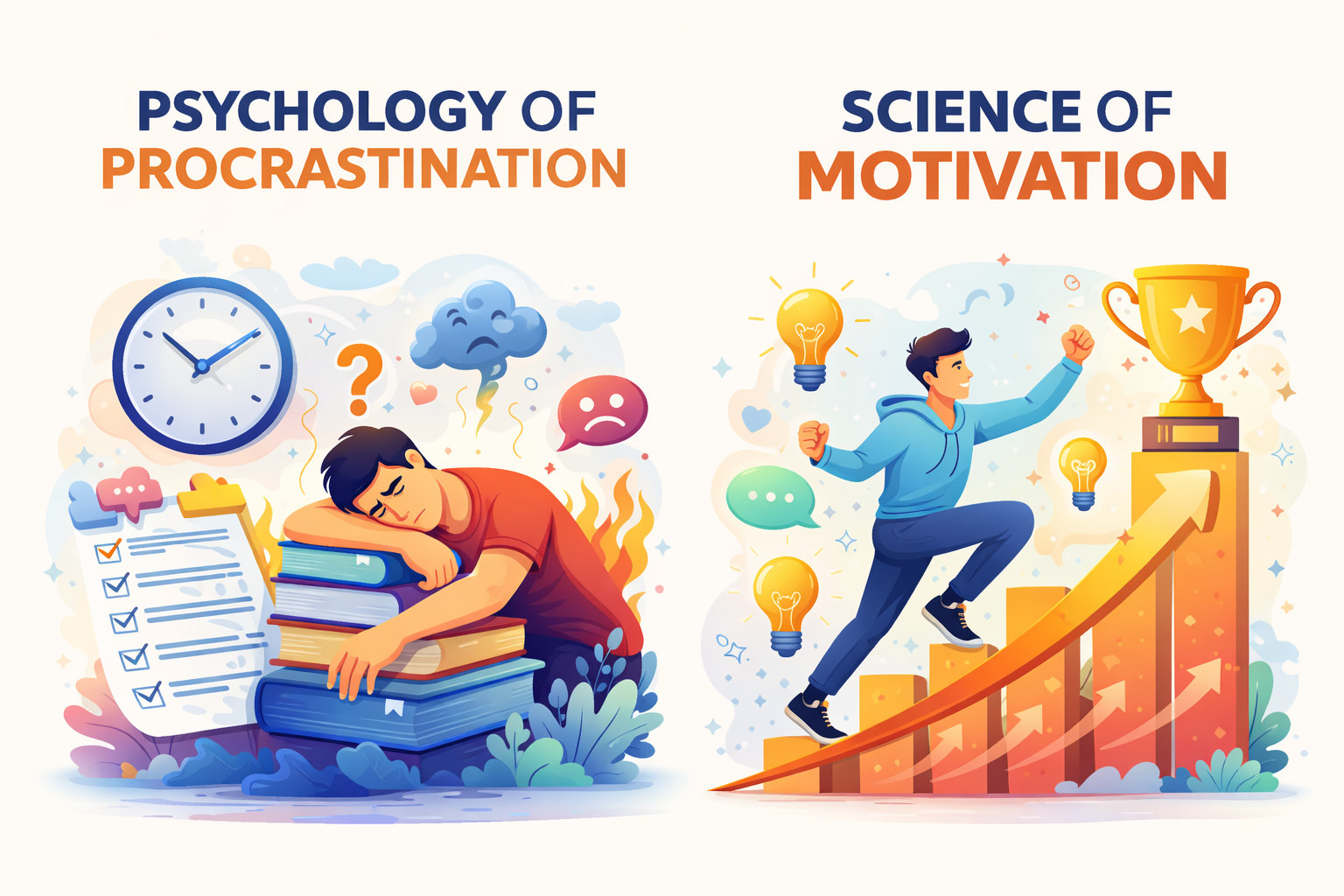
Many people assume procrastination happens because someone is lazy or unmotivated. In reality, psychology shows that procrastination is often linked to emotional avoidance.
When a task feels overwhelming, stressful, or boring, the brain tries to avoid the uncomfortable emotions associated with it. Instead of completing the task, people distract themselves with activities that provide immediate satisfaction.
Understanding the psychological causes of procrastination can help individuals manage it better. Breaking large tasks into smaller steps and reducing emotional pressure often makes work easier to start.
(Internal linking opportunity: Psychology of Procrastination)
5. Multitasking Reduces Mental Efficiency
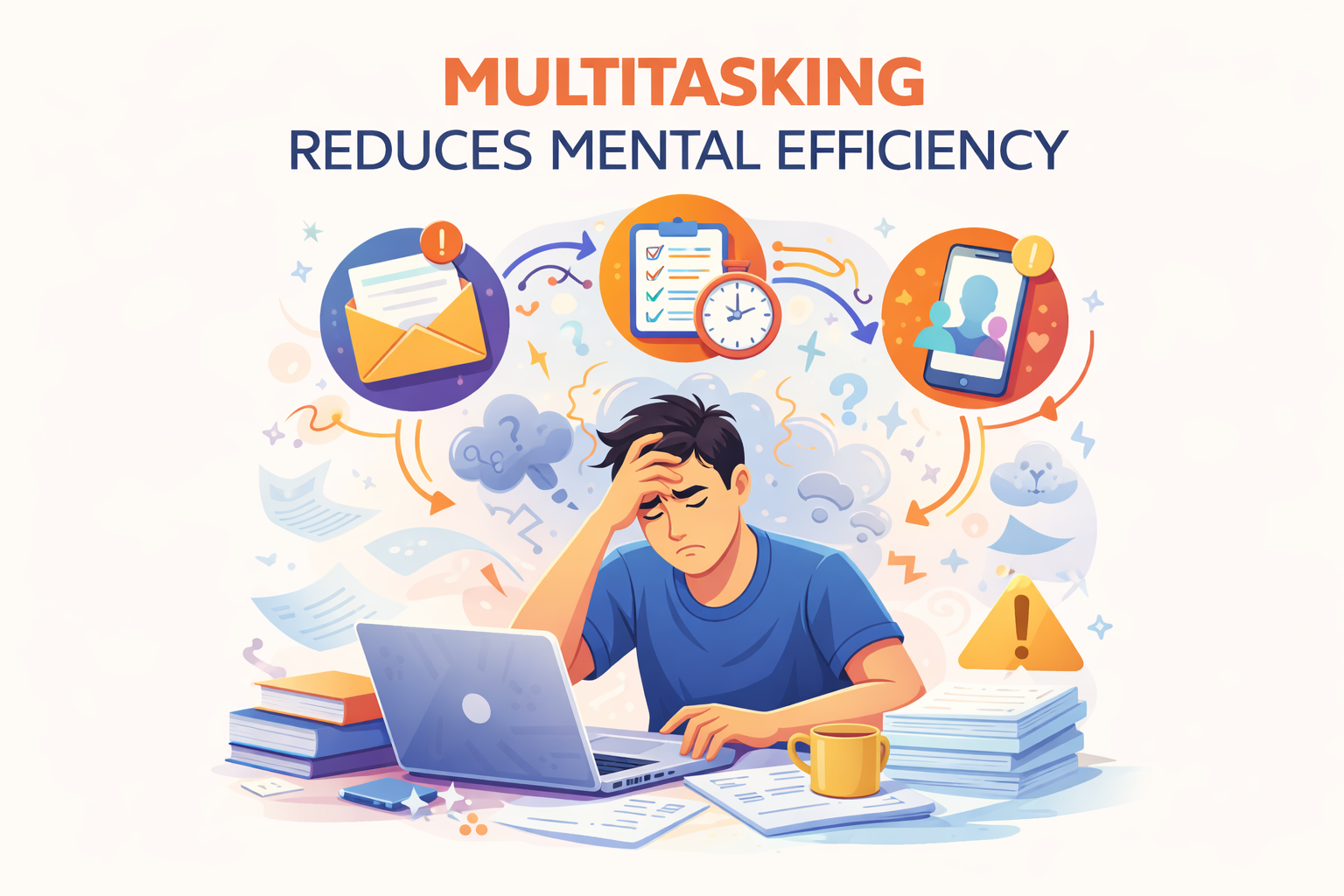
Although multitasking seems productive, research shows that it actually reduces efficiency.
The brain cannot fully focus on several complex tasks at once. Instead, it rapidly switches attention from one task to another. Each switch requires mental energy and time.
This constant switching can increase mistakes and reduce concentration. Working on one task at a time allows the brain to operate more efficiently and produce higher-quality results.
6. Humans Need Social Interaction for Emotional Well-Being
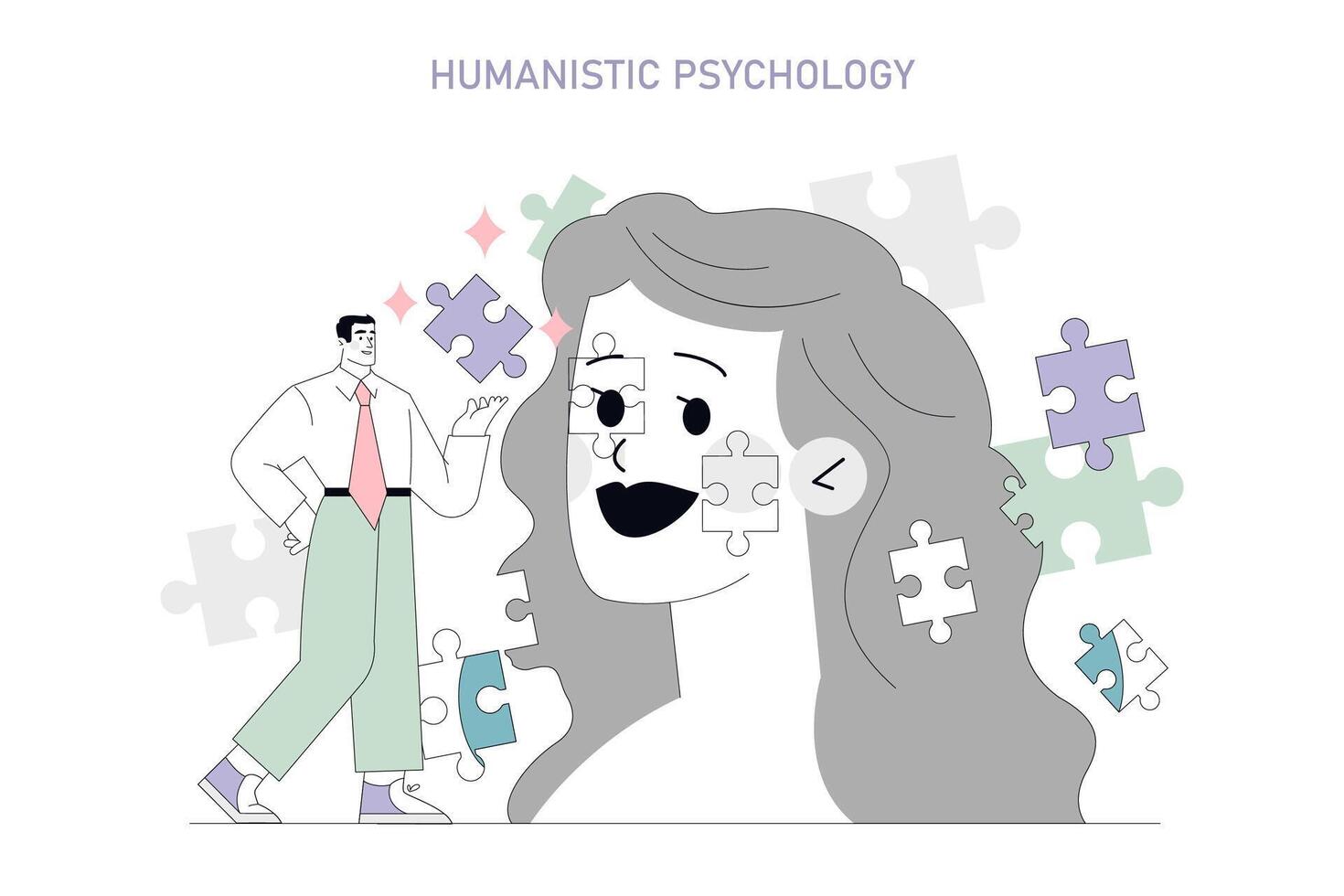
Another important point among psychological facts about humans is the natural need for social connection.
Positive social interactions release chemicals in the brain, such as dopamine and oxytocin. These chemicals create feelings of happiness, trust, and emotional bonding.
Healthy relationships help reduce stress and improve mental health. On the other hand, long periods of isolation can negatively affect emotional well-being.
This is why friendships, family relationships, and supportive communities are essential for psychological balance.
7. First Impressions Form Within Seconds
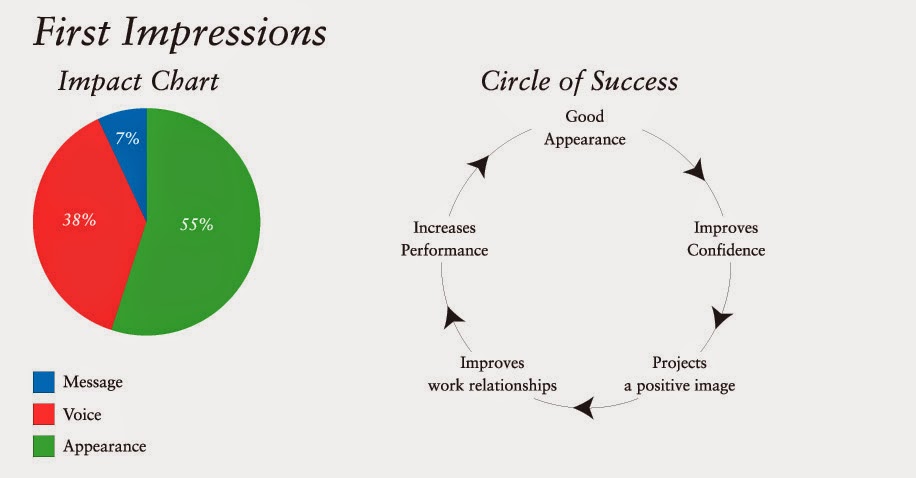
Psychological studies suggest that people form first impressions extremely quickly, often within just a few seconds of meeting someone.
The brain evaluates facial expressions, body language, tone of voice, and appearance almost instantly. Based on these signals, it forms an initial judgment about a person.
Although first impressions are not always accurate, they often influence how people behave toward each other in future interactions.
Being aware of this psychological tendency can help individuals communicate more effectively in social and professional settings.
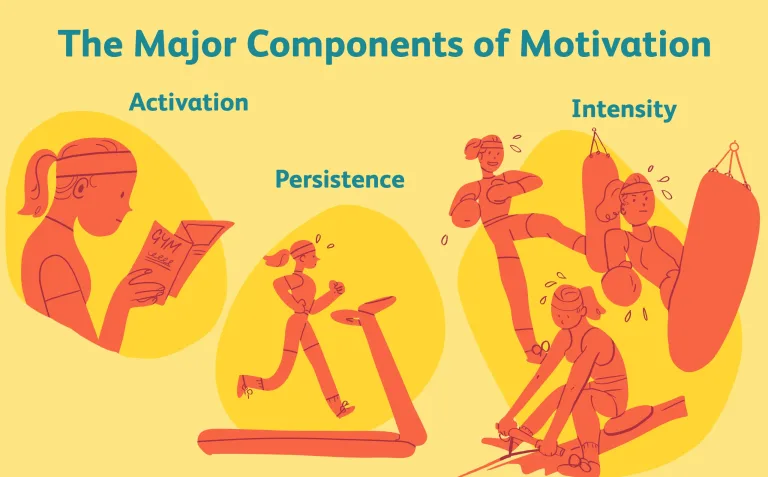
8. Motivation Often Appears After Taking Action
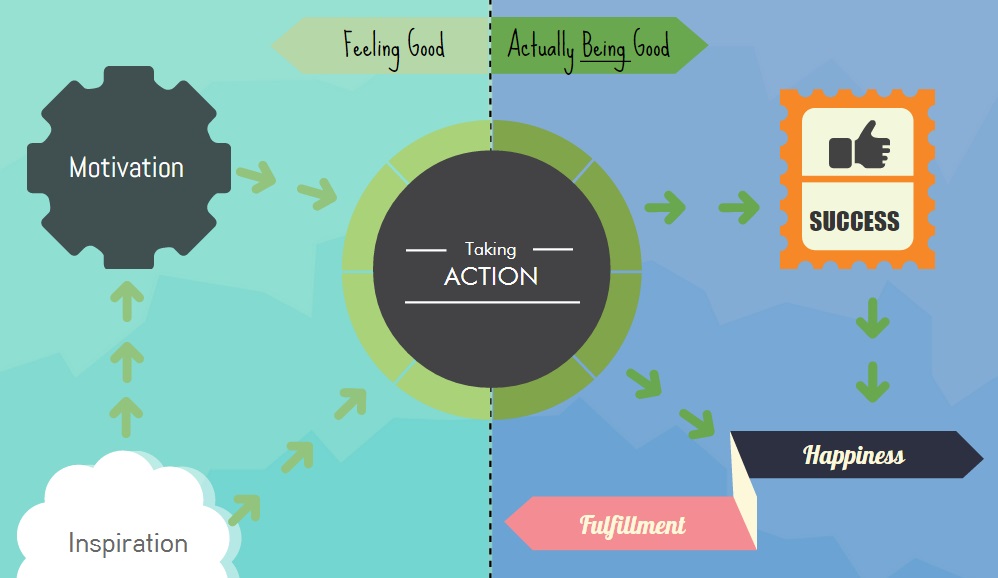
Many people believe motivation must come before action. However, one of the most practical psychological facts about humans is that motivation often appears after someone starts working.
When a person begins a task, the brain experiences a sense of progress. This progress triggers small feelings of achievement that increase motivation.
Starting with small actions can therefore help overcome hesitation and create momentum.
(Internal linking opportunity: Science of Motivation)
9. Sleep and Dreams Help the Brain Process Emotions
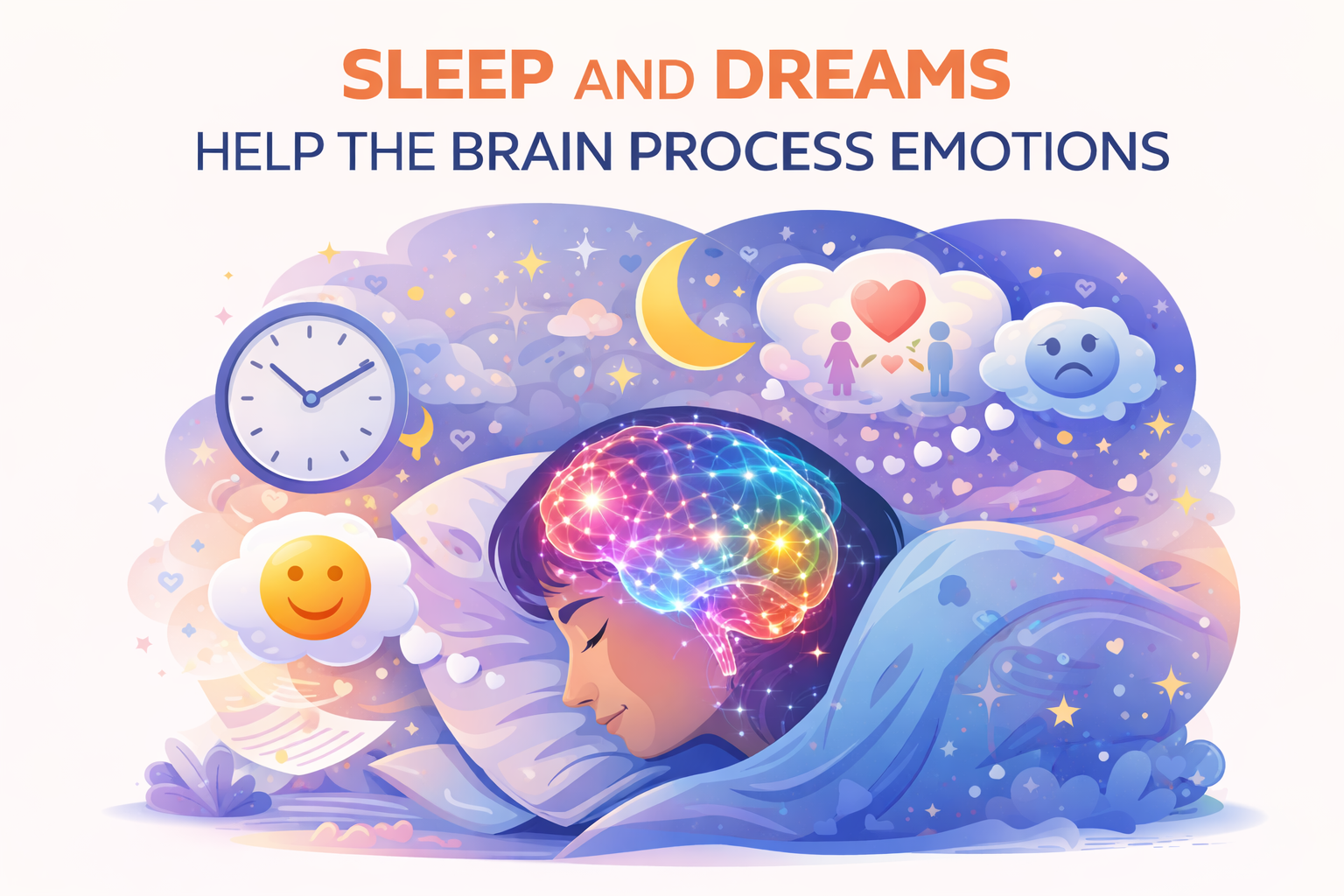
Sleep plays a crucial role in maintaining mental health. During sleep, the brain organizes memories, processes emotions, and removes unnecessary information.
Dreams may reflect thoughts, worries, or experiences that the mind is trying to understand. They often combine different memories and emotions in symbolic ways.
Psychologists believe that dreaming helps the brain process emotional experiences and maintain psychological balance.
(Internal linking opportunity: Why Humans Dream)
10. Humans Naturally Compare Themselves With Others

Social comparison is a common psychological behavior. People often evaluate their abilities, achievements, or appearance by comparing themselves with others.
This behavior can sometimes motivate improvement. For example, seeing someone succeed may inspire others to work harder toward their own goals.
However, excessive comparison can lead to stress and reduced self-confidence. Focusing on personal progress rather than constant comparison helps maintain emotional balance.
11. Familiarity Creates Comfort
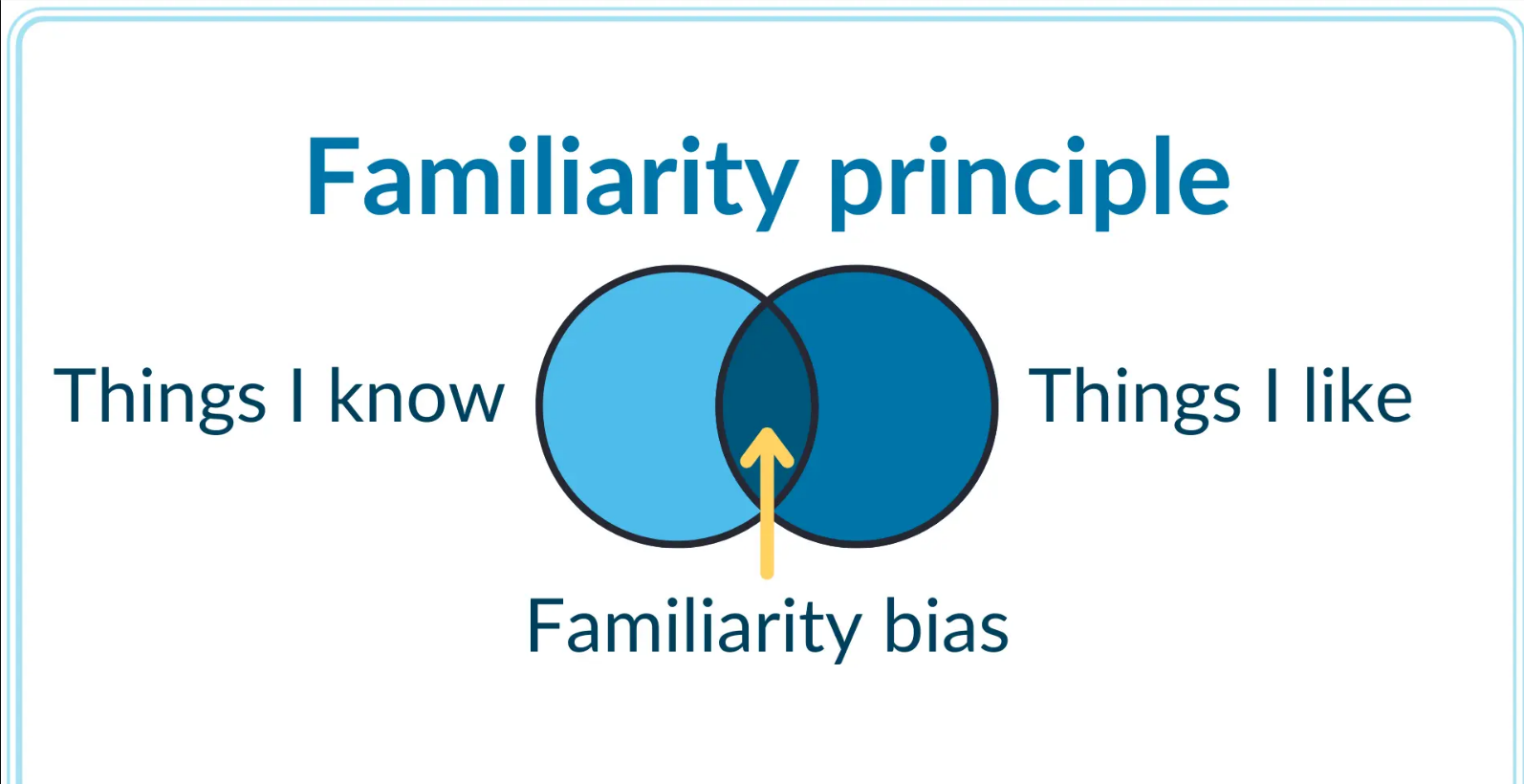
Humans tend to prefer things they have seen before. Psychologists call this the mere exposure effect.
Repeated exposure to a person, product, or idea increases familiarity and trust. This is why people often feel more comfortable with familiar environments or routines.
This psychological principle is widely used in marketing, education, and communication strategies.
12. Negative Experiences Have a Stronger Impact
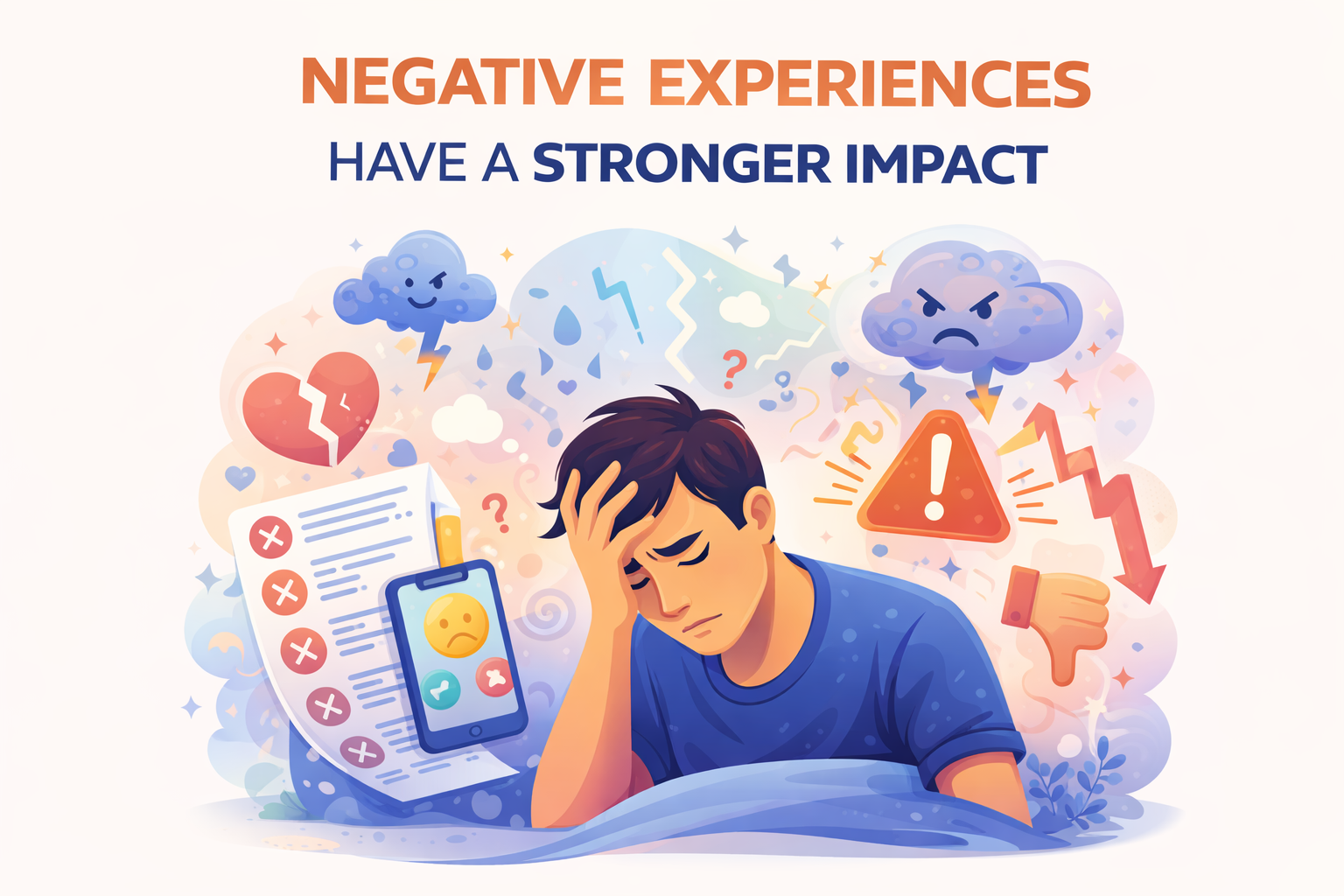
Another well-known concept among psychological facts about humans is the negativity bias.
The brain naturally gives more attention to negative experiences than positive ones. This bias developed as a survival mechanism that helped humans avoid danger.
However, this tendency can sometimes cause people to focus too much on problems or failures.
Practicing gratitude and positive reflection can help balance this psychological bias.
13. Body Language Influences Confidence
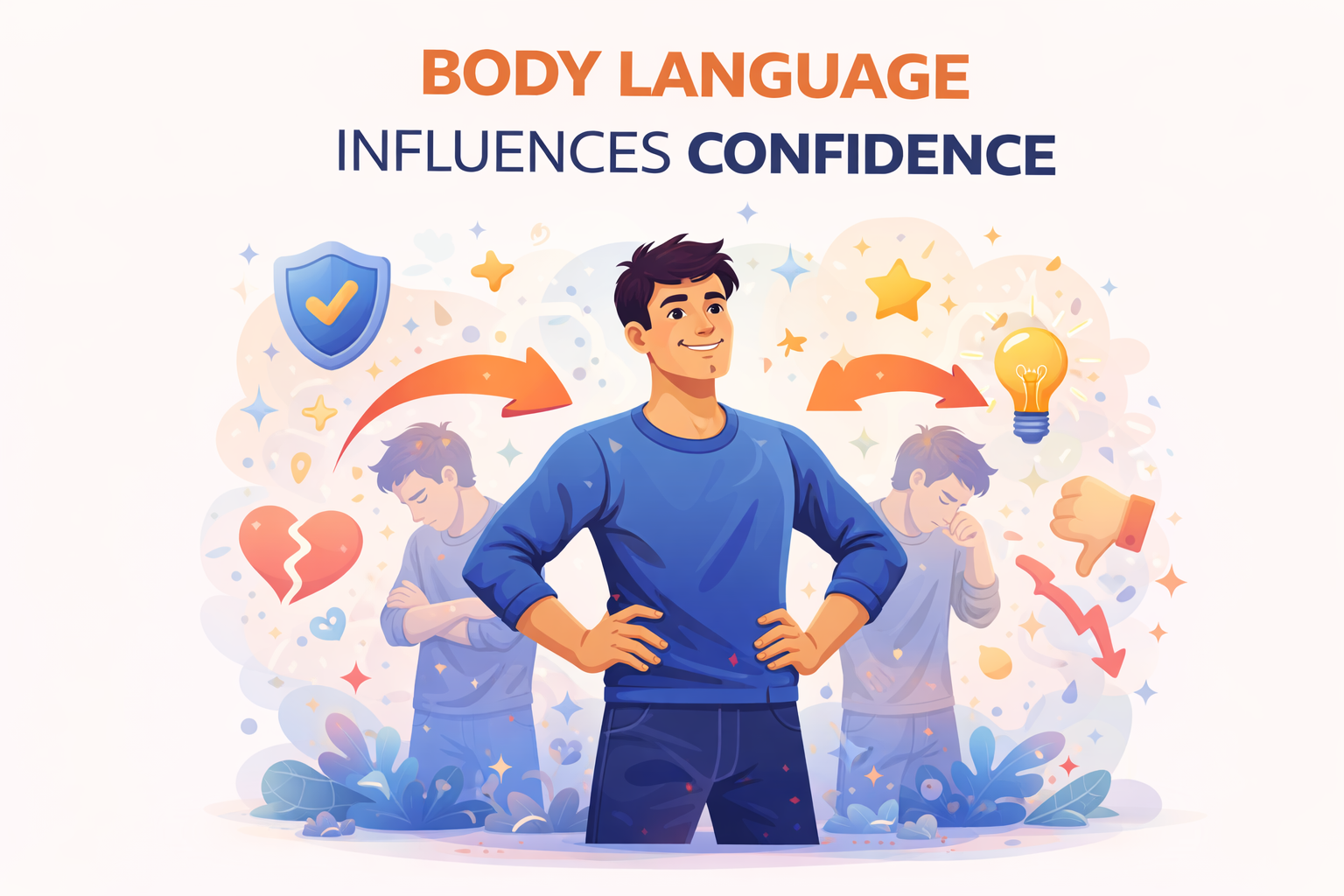
Physical posture and body language can influence emotional states.
Standing upright, maintaining eye contact, and adopting open body language can increase feelings of confidence. The brain interprets physical signals and adjusts emotional responses accordingly.
This connection between body and mind shows how physical behavior can influence mental well-being.
14. The Brain Uses Mental Shortcuts
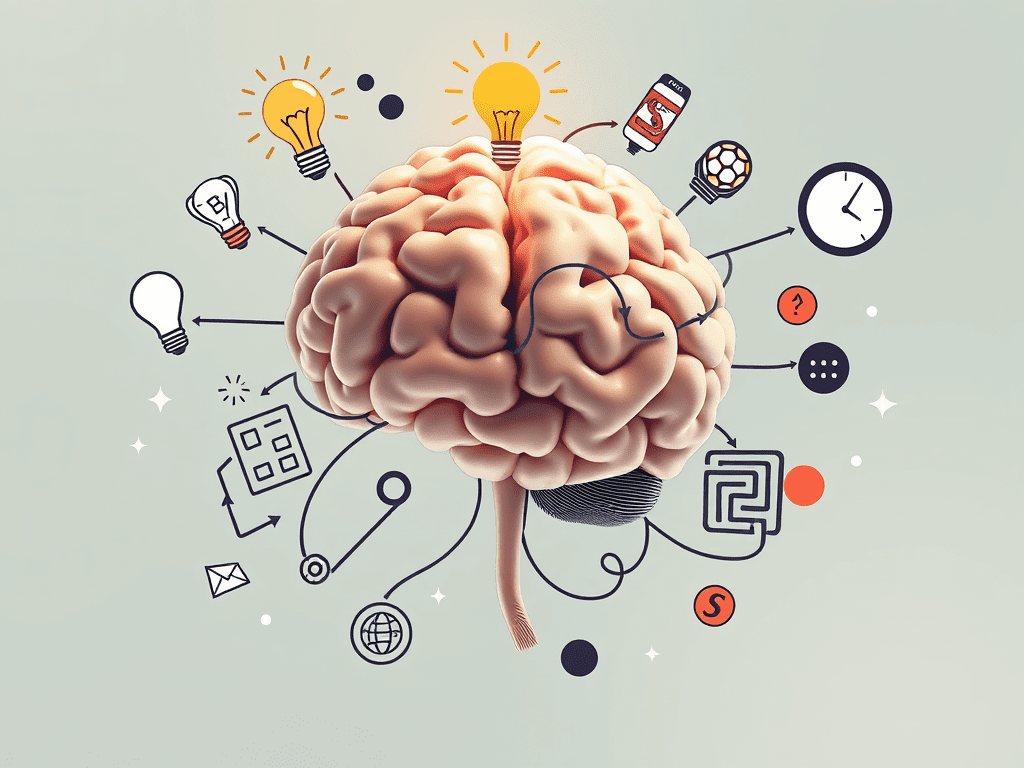
To process information efficiently, the brain often uses mental shortcuts called heuristics.
These shortcuts allow people to make quick decisions without analyzing every detail. For example, individuals may rely on past experiences or familiar patterns to judge situations.
While heuristics help save mental energy, they can sometimes lead to biases or incorrect conclusions.
For instance, people may judge someone quickly based on appearance or first impressions rather than a deeper understanding. This happens because the brain prefers faster decisions instead of complex analysis.
Being aware of these shortcuts helps individuals think more critically and make better decisions.
15. Gratitude Improves Psychological Health
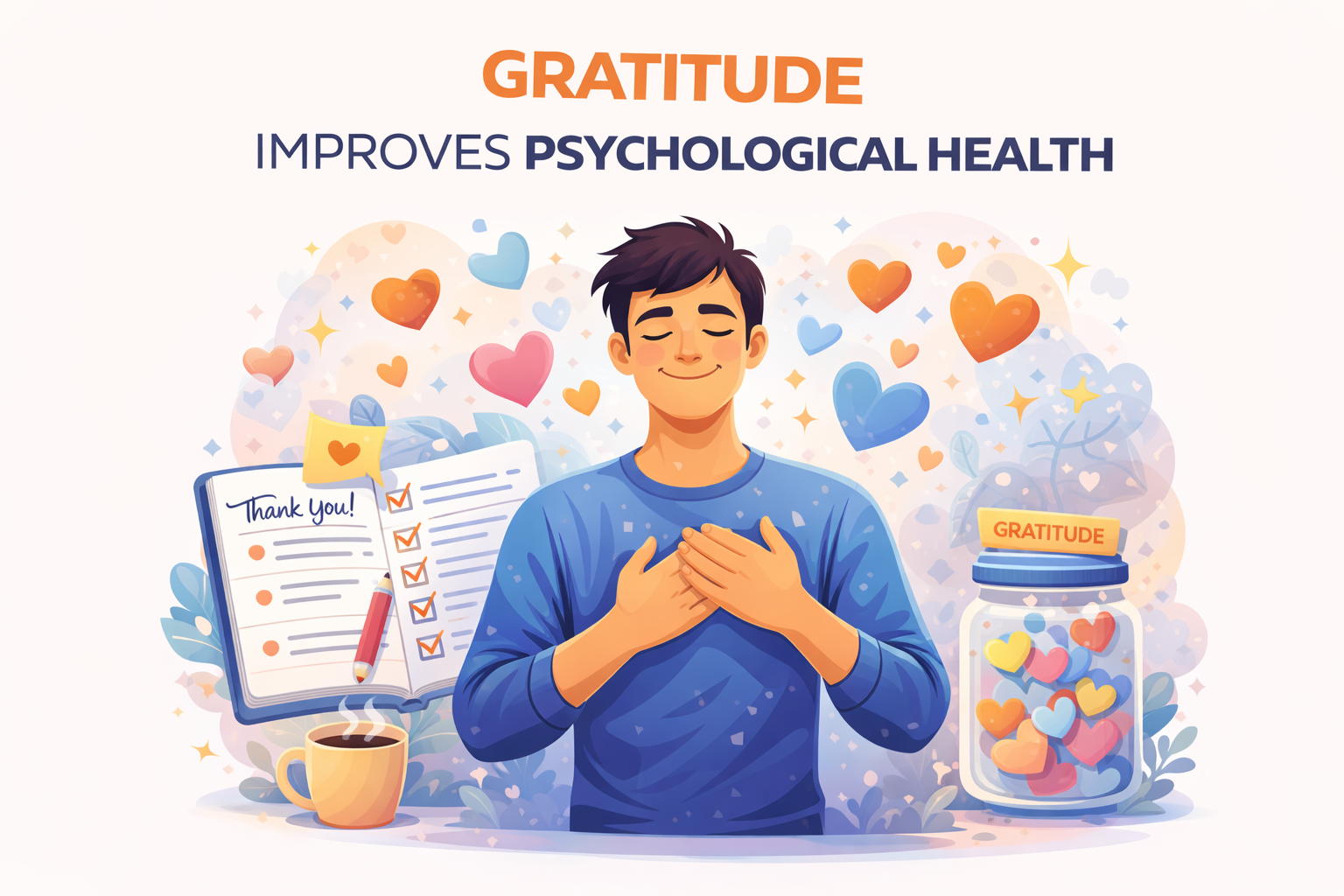
Practicing gratitude has been shown to improve emotional well-being and mental balance.
When people regularly focus on positive aspects of their lives, the brain strengthens neural pathways associated with happiness and optimism.
Gratitude also reduces stress and anxiety by shifting attention away from problems and toward appreciation.
Studies show that individuals who practice gratitude often experience better relationships, improved sleep, and higher life satisfaction.
Even small habits like writing down three positive experiences each day can gradually change the brain’s outlook toward a more positive mindset.
16. Small Habits Shape Personality and Behavior
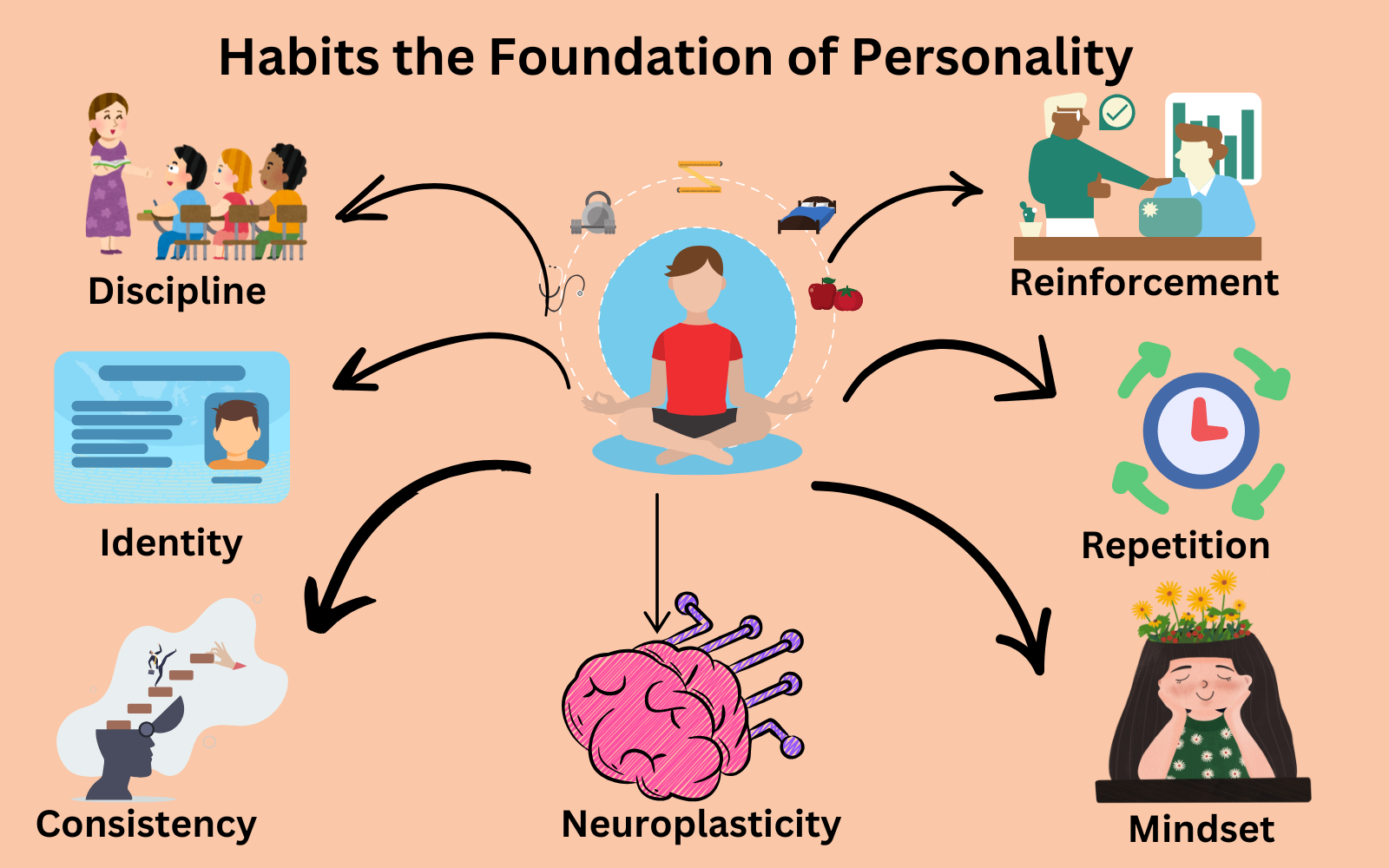
Many aspects of personality and lifestyle are influenced by daily habits.
When a behavior is repeated frequently, the brain builds neural pathways that make the behavior automatic. Over time, these habits shape routines, productivity, and decision-making.
For example, simple habits such as reading regularly, exercising daily, or planning tasks can significantly influence long-term success.
Positive habits slowly build discipline and self-control, while negative habits can lead to procrastination or reduced productivity.
Because habits operate automatically, changing small daily behaviors can eventually transform a person’s lifestyle and mindset.
17. People Often Overestimate How Much Others Notice Them
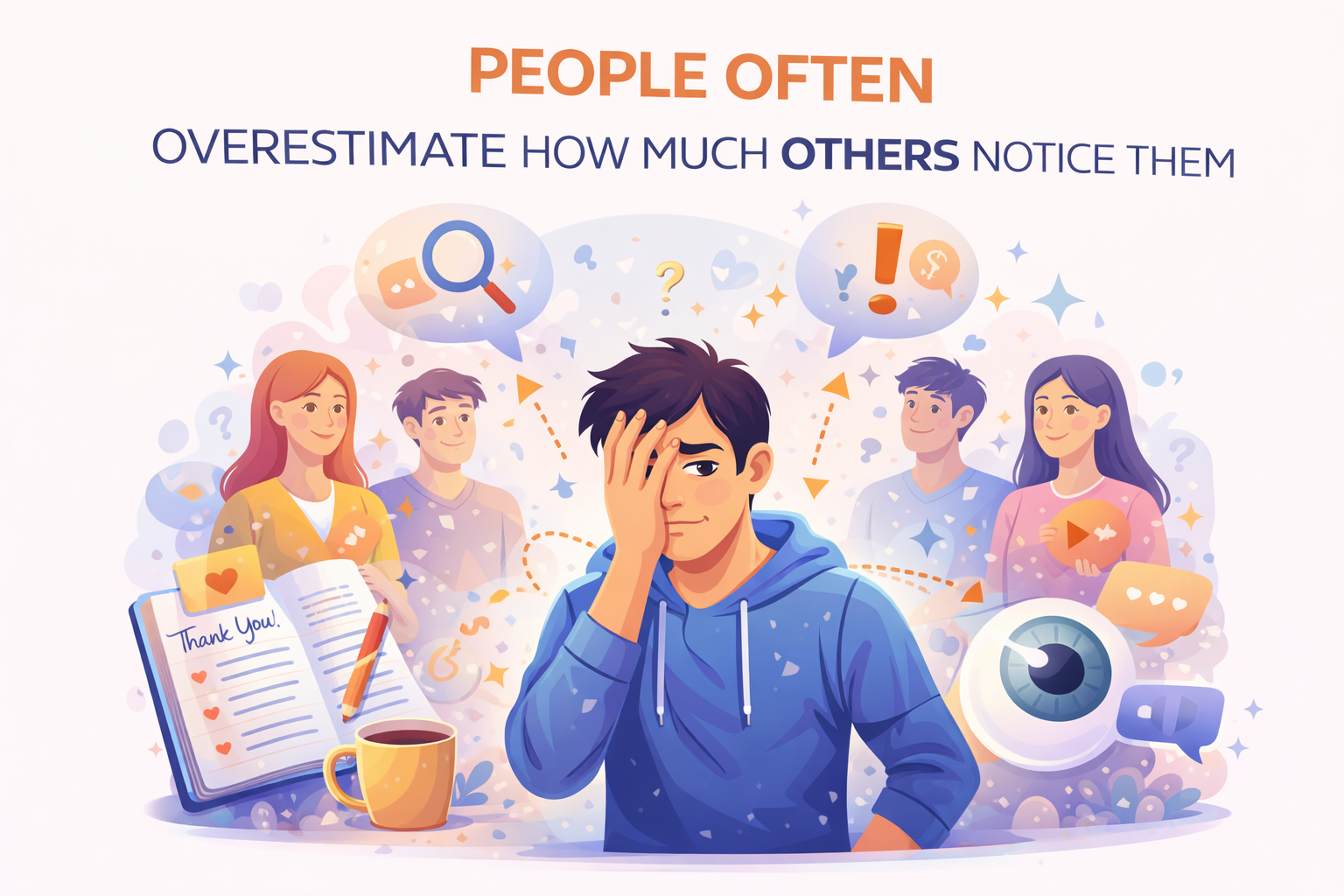
Psychologists call this the spotlight effect.
Many people believe that others constantly observe and judge their actions. In reality, most individuals are focused on their own thoughts and concerns.
Understanding this psychological fact can reduce social anxiety and help people feel more comfortable expressing themselves.
18. Music Strongly Influences Emotions
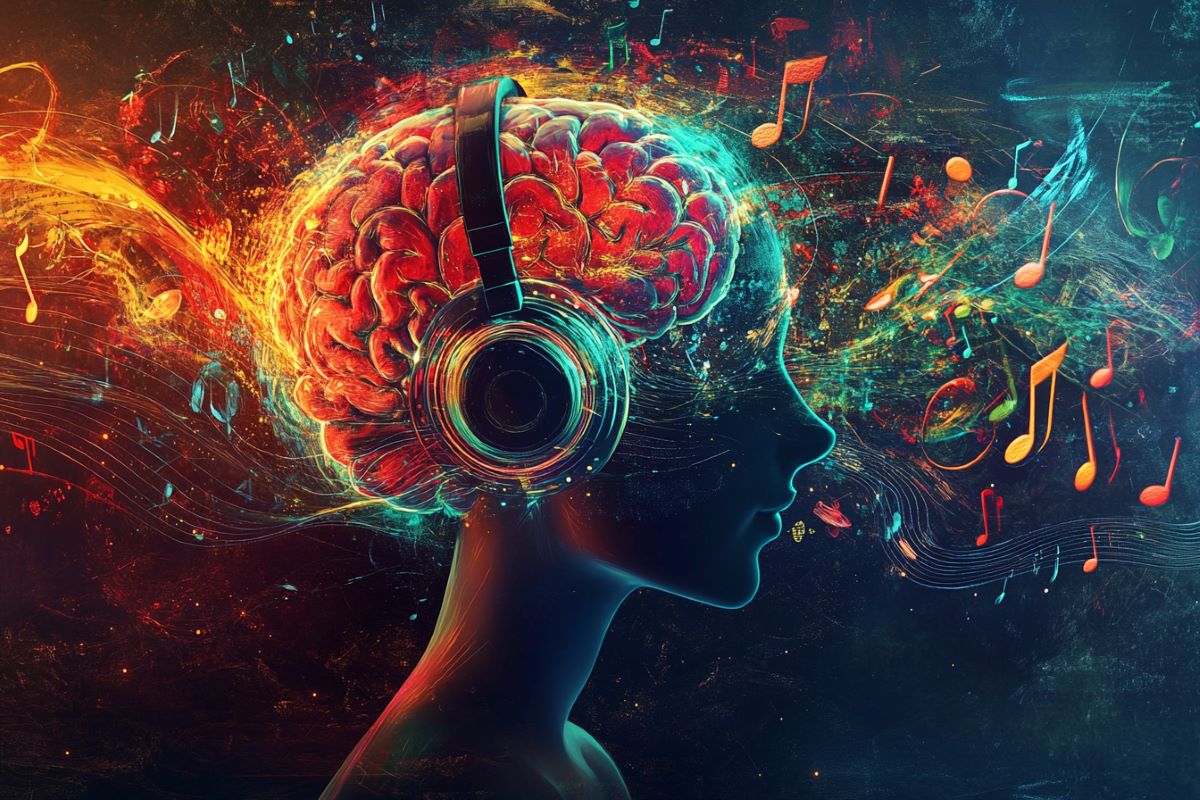
Music has a powerful psychological impact on the brain.
Different rhythms, melodies, and lyrics can trigger emotions such as happiness, nostalgia, relaxation, or motivation.
Listening to music can also improve concentration and emotional balance, which is why many people use music while studying or working.
19. The Brain Needs Breaks to Stay Productive
Continuous work without rest reduces mental efficiency.
After long periods of concentration, the brain begins to experience fatigue. Short breaks allow the mind to recover and maintain focus.
Regular breaks improve creativity, productivity, and problem-solving ability.
20. Small Achievements Build Motivation
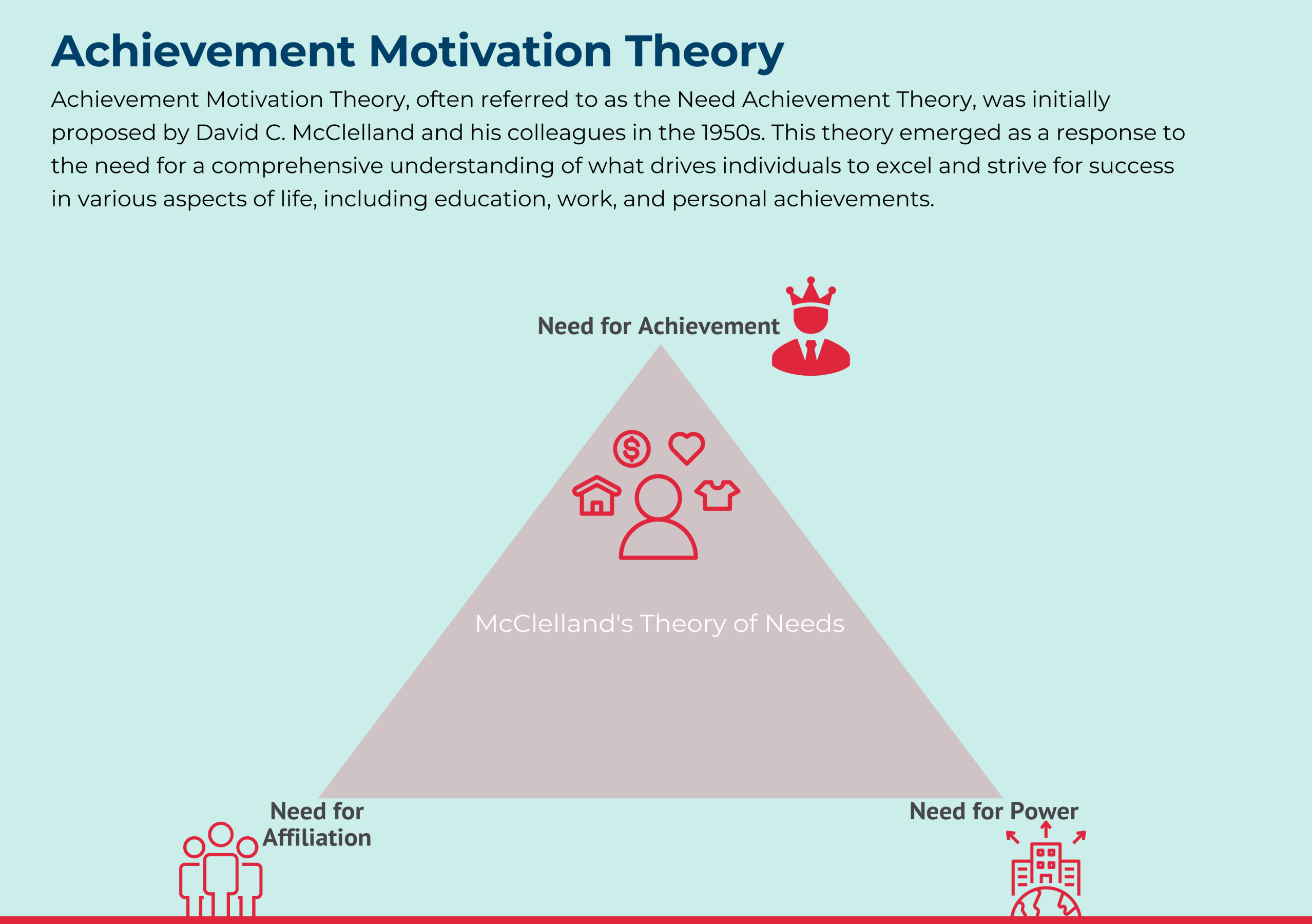
One of the most encouraging psychological facts about humans is that small successes create powerful motivation.
Each achievement releases dopamine in the brain, producing feelings of satisfaction and encouragement.
These small victories build confidence and motivate people to continue working toward larger goals.
Breaking large tasks into smaller steps, therefore, makes progress easier and more rewarding.
Conclusion: Understanding Psychological Facts About Humans
Learning psychological facts about humans provides valuable insight into how the mind works. From decision-making and emotional memory to motivation and habits, psychology reveals patterns that influence everyday behavior.
Understanding these patterns helps individuals become more aware of their thoughts and actions. It also improves relationships, productivity, and emotional well-being.
By learning how the brain responds to experiences, people can manage procrastination more effectively, build motivation, develop healthy habits, and maintain better mental balance.
In addition, understanding human psychology helps people communicate better with others. When we recognize how emotions, perceptions, and mental biases influence behavior, we become more patient and empathetic in social interactions.
Psychology also encourages personal growth. By observing our own thought patterns and habits, we can gradually replace unhelpful behaviors with healthier ones. Small changes in mindset and behavior can lead to significant improvements in confidence, productivity, and emotional stability.
Ultimately, psychology provides a deeper understanding of human nature. The more we learn about how the mind works, the better equipped we become to navigate challenges, build meaningful relationships, and live a more balanced life.
FAQs
Q: What are the psychological facts about humans?
Psychological facts about humans are research-based observations that explain how people think, behave, and respond emotionally in different situations.
Q: Why is it useful to learn psychological facts about humans?
Understanding psychological facts about humans helps improve self-awareness, decision-making, emotional intelligence, and relationships.
Q: Can psychology explain behaviors like procrastination?
Yes. Psychological research shows that procrastination is often connected to emotional responses such as stress, fear of failure, or boredom rather than simple laziness.
Q: Do dreams have psychological meaning?
Dreams often reflect emotions, experiences, and thoughts that the brain processes during sleep. They help organize memories and maintain emotional balance.