


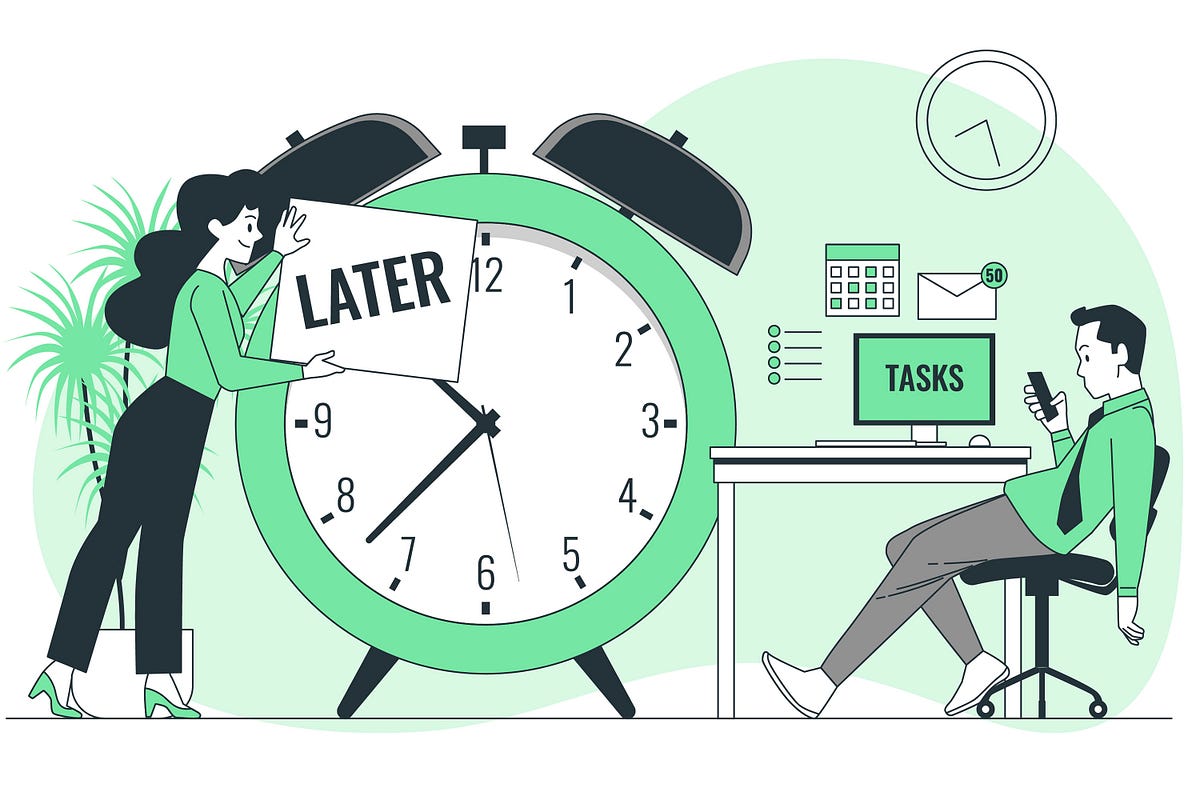

Procrastination is something almost everyone experiences at some point in life. Whether it’s delaying an assignment, postponing important decisions, or avoiding daily responsibilities, the habit can feel frustrating and difficult to control. But the question remains: why humans procrastinate, despite knowing the negative consequences?
Thank you for reading this post, don't forget to subscribe!Understanding procrastination is not about labeling people as lazy; it is about exploring the psychological, emotional, and behavioral factors behind it. Once we understand the reasons, we can begin to manage and reduce them effectively.
Table of Contents
1. Fear of Failure
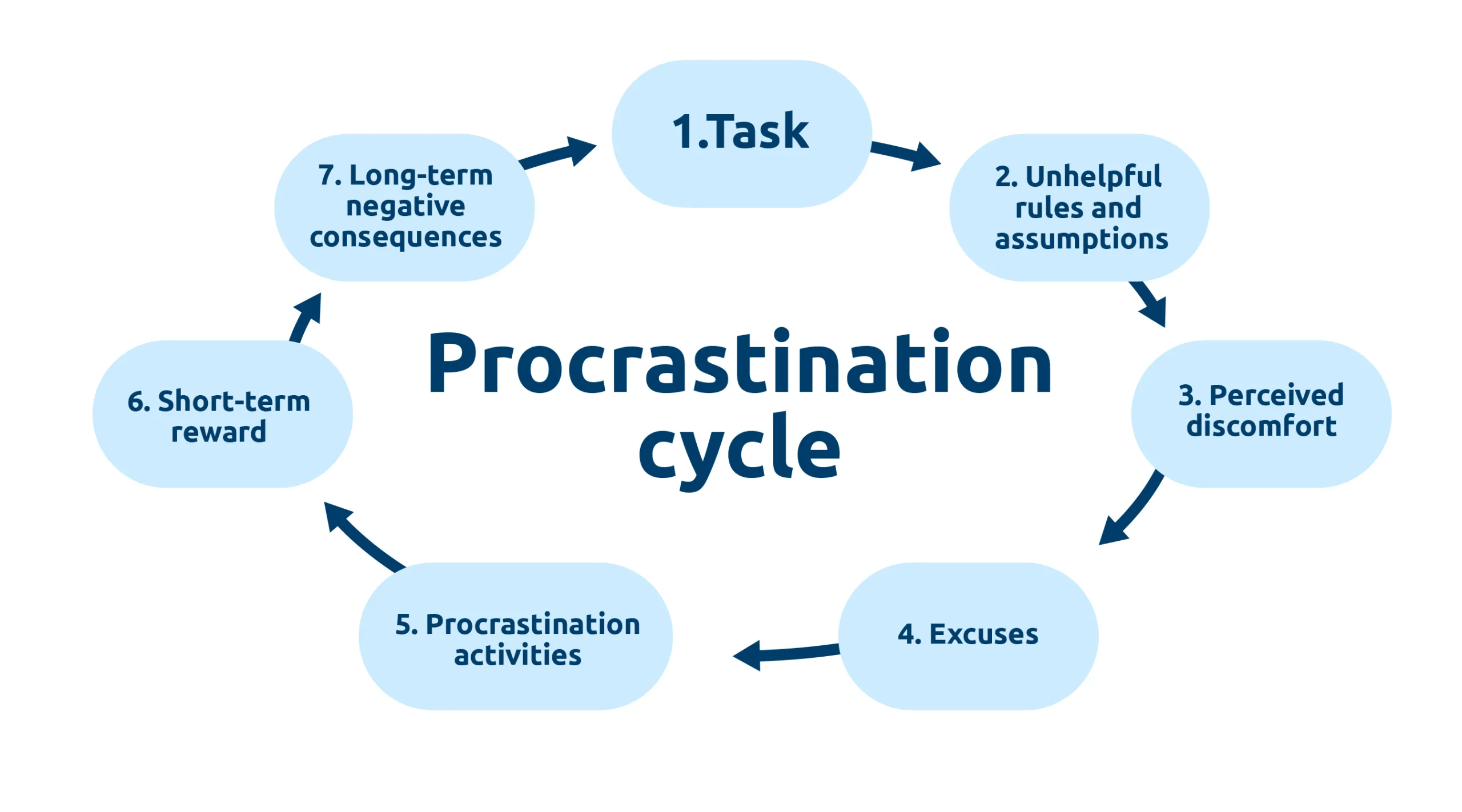
One of the biggest reasons why humans procrastinate is fear, especially fear of failure. When a task feels challenging or important, people may worry about not doing it well. This fear creates anxiety, and instead of facing it, they avoid the task altogether.
Procrastination becomes a defense mechanism. By delaying the task, individuals temporarily escape the fear associated with it.
2. Perfectionism
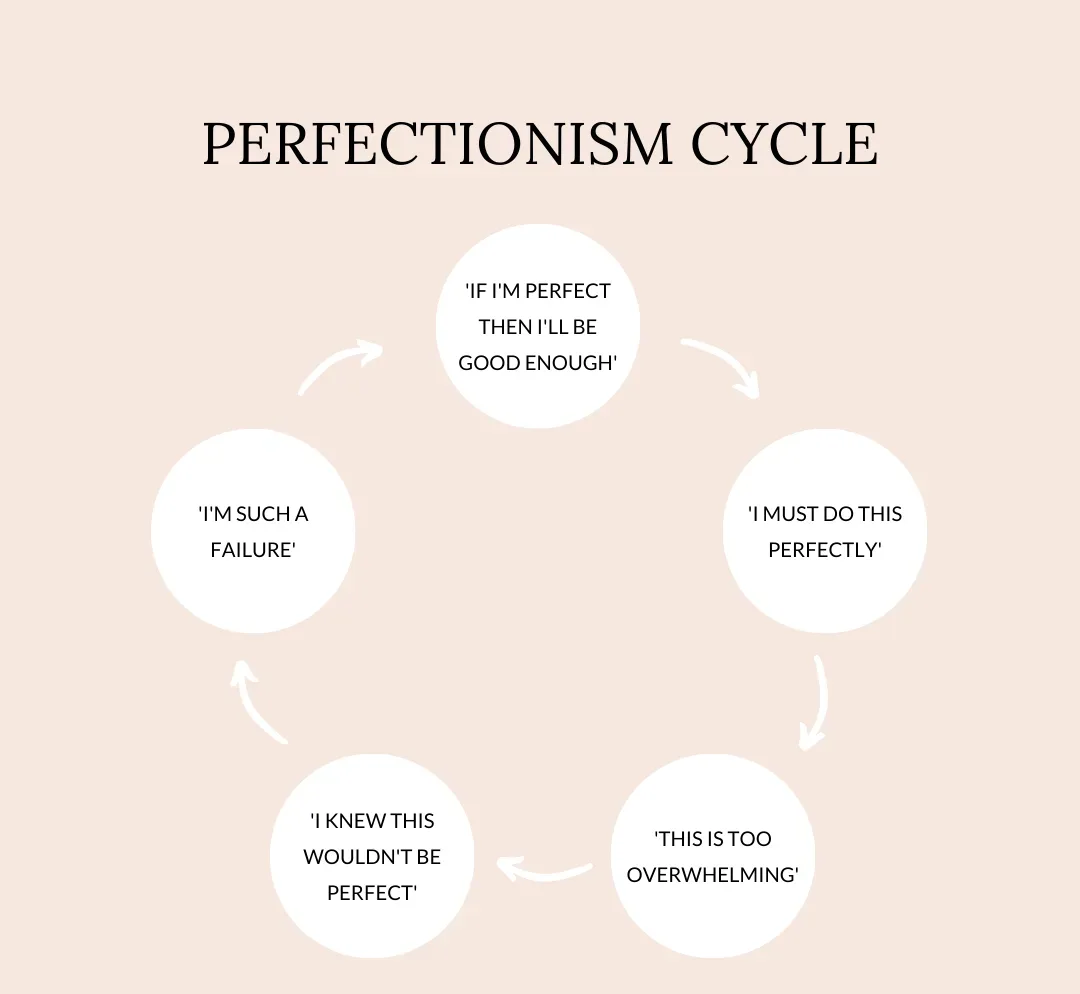
Closely related to fear of failure is perfectionism. People who want everything to be flawless often delay starting because they feel conditions must be “perfect.”
They may think:
“I’ll start when I’m fully prepared.”
“I need the right mood or time.”
This mindset leads to unnecessary delays, as perfection is rarely achievable.
3. Lack of Motivation
Sometimes, people procrastinate simply because they lack interest in the task. If something feels boring, repetitive, or meaningless, the brain naturally avoids it.
Humans are wired to seek pleasure and avoid discomfort. So, instead of working, they may scroll social media, watch videos, or engage in more enjoyable activities.
4. Poor Time Management
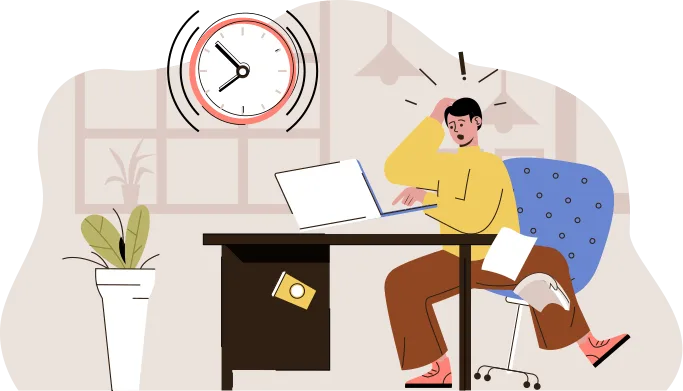
Another key reason why humans procrastinate is not knowing how to manage time effectively. When tasks are not planned properly, they can feel overwhelming.
Without clear deadlines or structure, people tend to:
Delay starting
Underestimate the time needed
Rush at the last moment
This creates a cycle of stress and incomplete work.
5. Overwhelm and Task Size
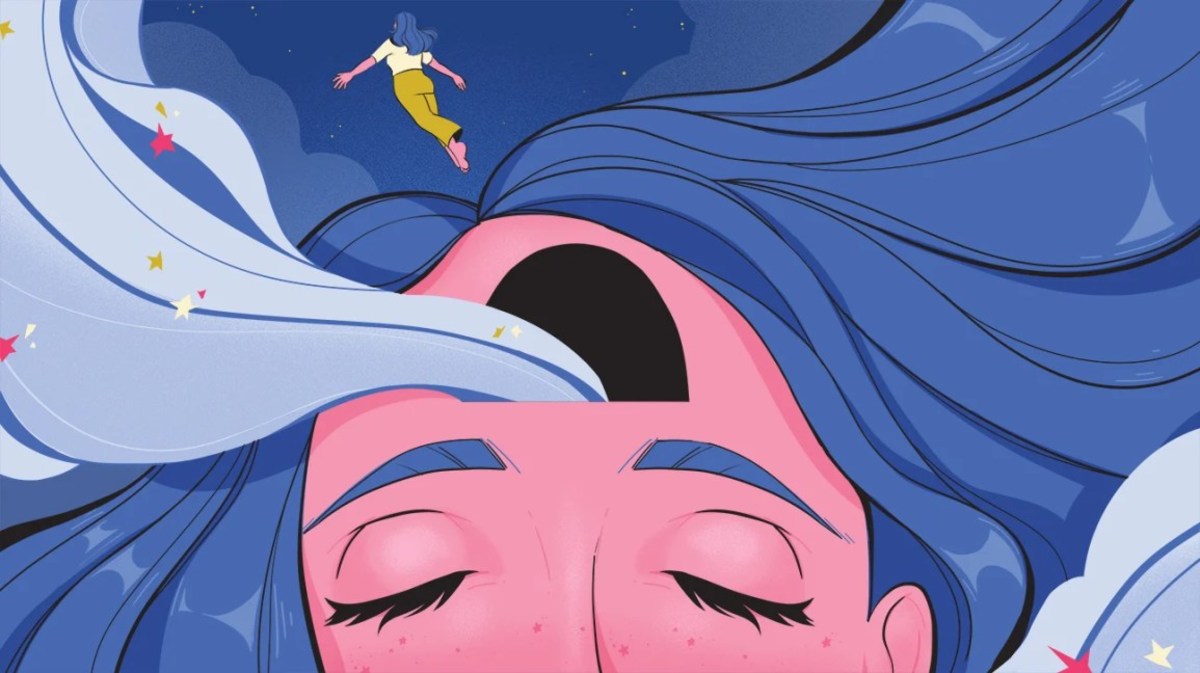
Large or complex tasks can feel intimidating. When a task seems too big, the brain struggles to decide where to begin.
Instead of breaking it down, people avoid it completely. This is a common reason why humans procrastinate, especially with projects, exams, or major life decisions.
6. Instant Gratification
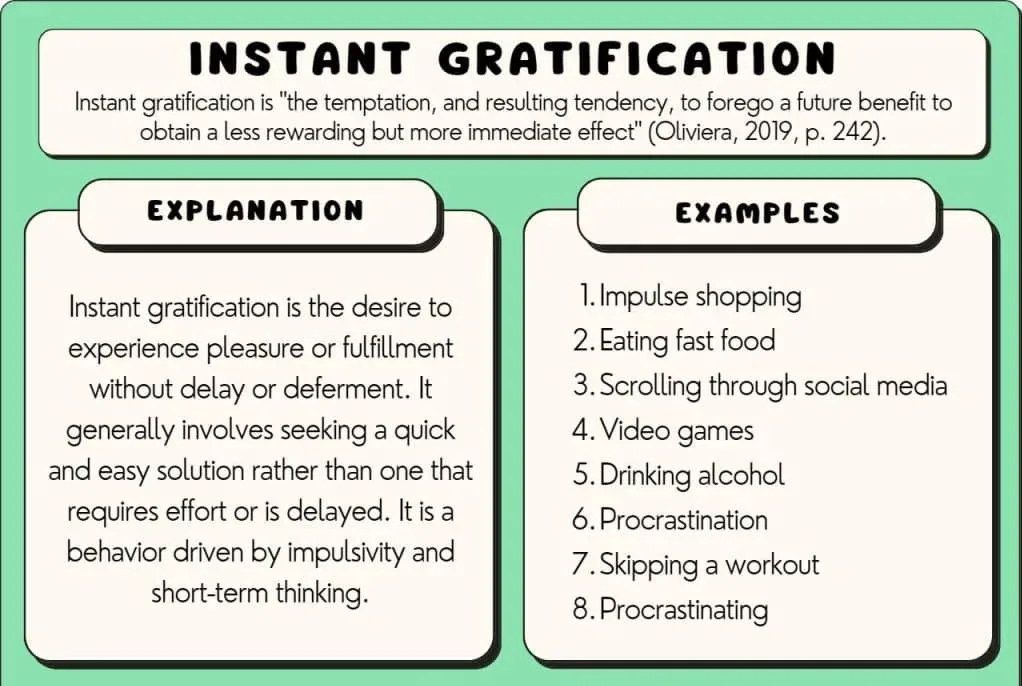
In today’s digital world, distractions are everywhere. Social media, games, and entertainment provide instant rewards, while most tasks require effort and patience.
The brain prefers quick satisfaction over long-term benefits. This is why checking your phone often feels more appealing than completing important work.
7. Low Self-Confidence
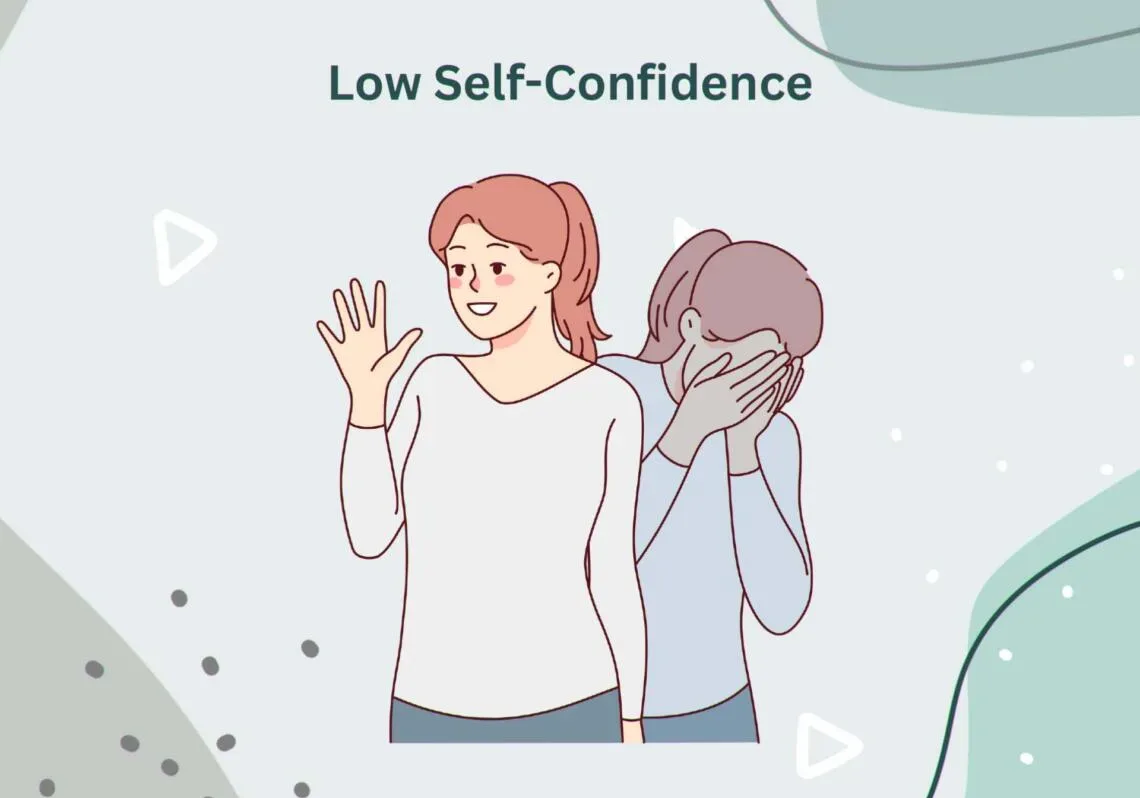
When individuals doubt their abilities, they may avoid tasks to protect their self-esteem. Thoughts like:
“I’m not good enough.”
“I’ll probably fail anyway.”
lead to delay and avoidance. This lack of confidence reinforces procrastination habits over time.
8. Habit and Learned Behavior
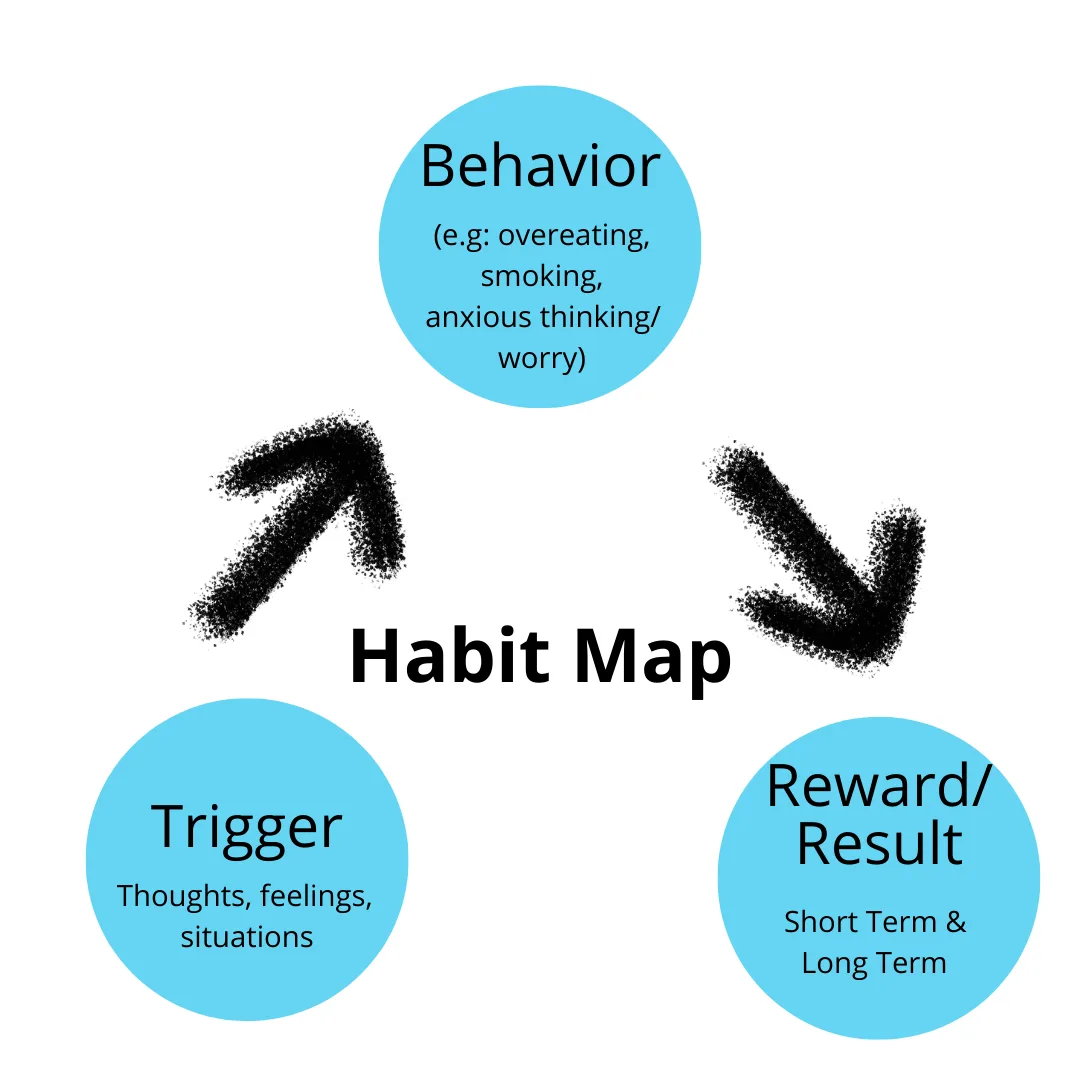
Procrastination can also become a habit. If someone repeatedly delays tasks and still manages to complete them at the last minute, the brain starts accepting it as normal behavior.
Over time, this pattern becomes automatic, making it harder to break.
Conclusion
Understanding why humans procrastinate reveals that it is not simply laziness; it is a complex mix of fear, habits, emotions, and environmental factors. Procrastination often serves as a coping mechanism to deal with stress, uncertainty, or discomfort.
The good news is that it can be managed. By recognizing the root causes, breaking tasks into smaller steps, improving time management, and reducing distractions, individuals can gradually overcome procrastination.
Change doesn’t happen overnight, but small, consistent efforts can lead to better productivity and peace of mind.
FAQ
1. Is procrastination a mental illness?
No, procrastination is not a mental illness. However, it can be linked to conditions like anxiety, depression, or ADHD.
2. Why do I procrastinate even when I know it’s important?
This happens due to emotional factors like fear, stress, or lack of motivation. The brain prioritizes short-term comfort over long-term benefits.
3. Can procrastination be cured?
It cannot be “cured” instantly, but it can be controlled through better habits, planning, and self-awareness.
4. What is the difference between laziness and procrastination?
Laziness is a lack of willingness to act, while procrastination involves delaying tasks despite intending to complete them.
5. How can I stop procrastinating?
Start small, set clear goals, remove distractions, and focus on progress rather than perfection.