Assam Movement and the Fight for Identity (1979–1985)

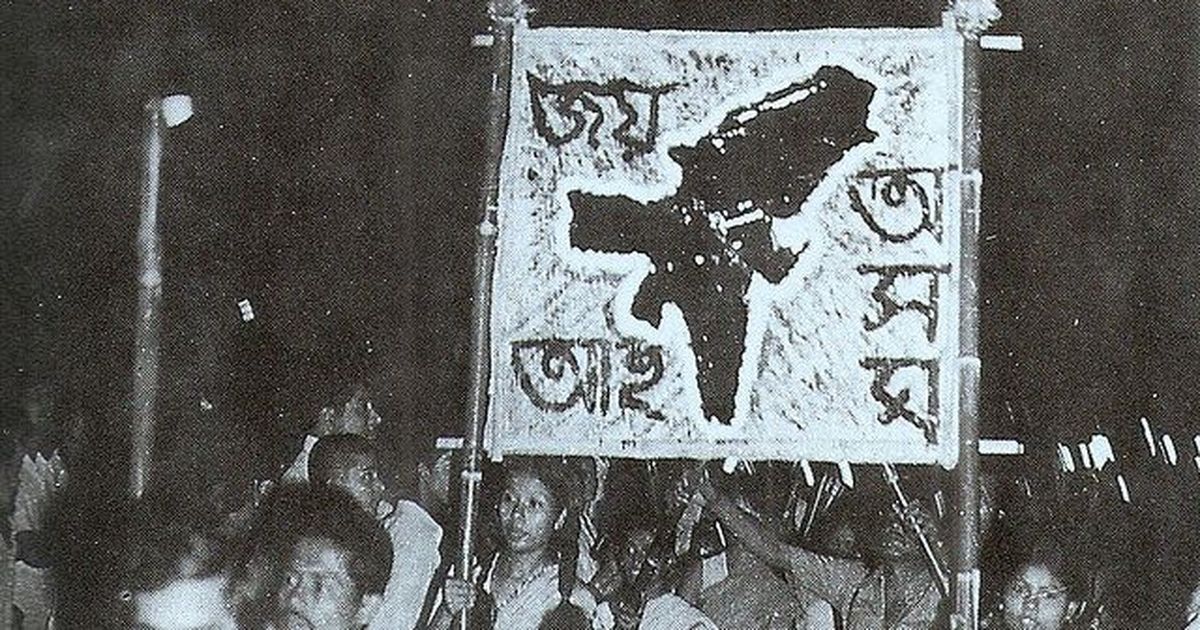
The Assam Movement is one of the most important chapters in the history of Assam. It was a long and emotional struggle that lasted from 1979 to 1985. During these six years, thousands of people in Assam came out on the streets to protect their land, language, culture, and political rights. The movement was mainly against illegal migration from Bangladesh. Many people in Assam believed that large-scale migration was changing the population of the state and putting their identity at risk.
Thank you for reading this post, don't forget to subscribe!The movement was mostly led by students under the leadership of the All Assam Students’ Union (AASU). It became a mass movement that included farmers, workers, teachers, and common citizens. After six years of protests, strikes, and talks with the government, the movement ended with the signing of the Assam Accord on 15 August 1985.
Even today, the Assam Movement remains very important. Issues like citizenship, NRC, illegal migration, and Clause 6 are still being discussed. To understand present-day Assam, we must understand the Assam Movement.
Historical Background
To understand the Assam Movement, we must first look at the history of migration in Assam.
Migration During British Rule
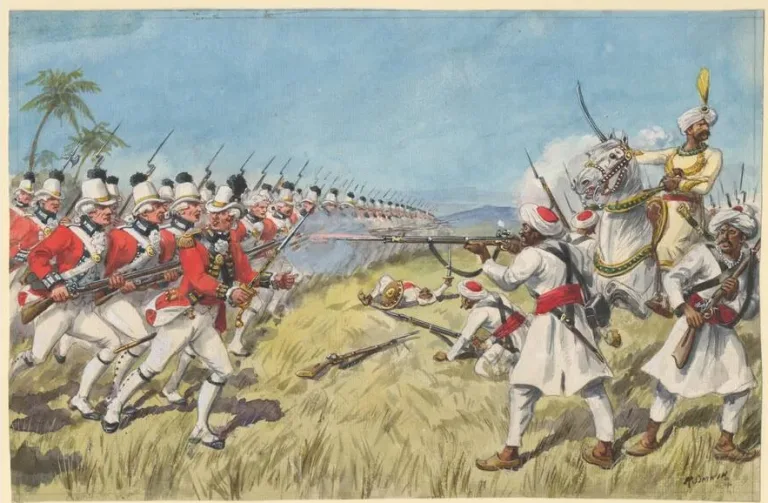
Migration to Assam did not begin in 1971. During British rule, people from Bengal were brought to Assam to work in tea gardens and agriculture. The British encouraged migration because they wanted more land to be cultivated and more revenue to be collected.
Over time, many of these migrants settled permanently in Assam. This slowly changed the population pattern in some districts.
After Independence (1947)
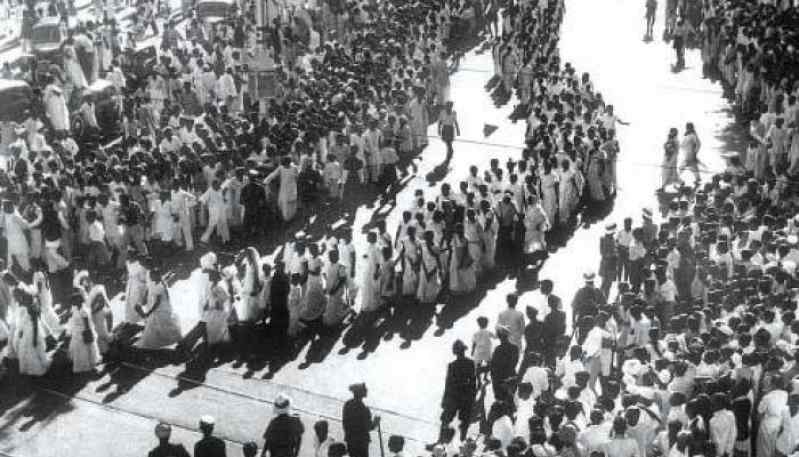
When India became independent in 1947, the country was divided into India and Pakistan. East Pakistan (now Bangladesh) was created. During this time, many people crossed borders due to fear, violence, and economic reasons.
Assam, being close to East Pakistan, saw migration from that region. Some people came legally, while others crossed the border without proper documents.
Bangladesh Liberation War (1971)
In 1971, the Bangladesh Liberation War took place. Millions of people fled from East Pakistan to India to escape violence. Many refugees entered Assam and other northeastern states.
Although many refugees later returned, some stayed back. After 1971, migration continued slowly for economic reasons. This created fear among the people of Assam that their population balance was changing.
The Immediate Cause: Mangaldoi By-Election (1979)
The Assam Movement officially started in 1979. During a by-election in Mangaldoi constituency, officials found that many names in the voter list were suspected to be foreigners.
This discovery shocked the people of Assam. They believed that illegal migrants were not only living in the state but also voting in elections. This meant they could influence political decisions.
AASU demanded that the government remove illegal migrants from the voter list before holding elections. When their demand was not fulfilled, protests began. This marked the beginning of the Assam Movement.
Main Reasons Behind the Assam Movement
The movement was not started suddenly. There were strong reasons behind it.
1. Economic Problems
Assam was already facing unemployment and poverty. Many young people did not have jobs. When migration increased, competition for land and jobs also increased.
Farmers felt that land was becoming scarce. Local workers felt that migrants were taking away job opportunities. This created anger and frustration.
2. Fear of Losing Cultural Identity
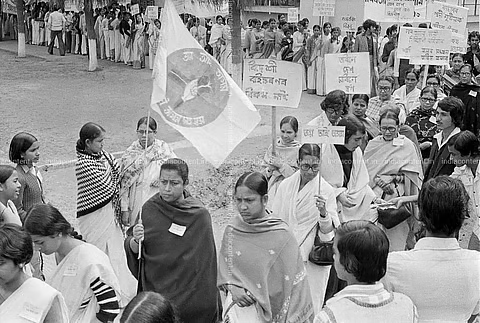
Assam has a rich culture, language, and traditions. The Assamese language is very important to the people. Festivals like Bihu, traditional dress, and customs are part of their identity.
Many people feared that if migration continued, Assamese people would become a minority in their own state. They were worried that their language and culture would slowly disappear.
This emotional fear became one of the strongest reasons for the movement.
3. Political Concerns
As migrants were added to voter lists, they gained voting rights. This meant they could influence elections and political decisions.
Local people feared that their political power would decrease. They were worried that leaders elected by migrant votes might not protect indigenous interests.
Objectives of the Assam Movement
The Assam Movement had clear goals.
1. Detection of Illegal Migrants
The main demand was to identify people who entered Assam illegally after a certain date.
2. Deletion from Voter Lists
Protesters wanted the names of illegal migrants removed from electoral rolls.
3. Deportation
Those who entered illegally after the fixed cut-off date were to be deported.
4. Protection of Assamese Identity
The movement demanded constitutional safeguards to protect Assamese culture, language, and rights.
Role of AASU and Leadership
The All Assam Students’ Union (AASU) played the leading role in the movement.
Key Leaders
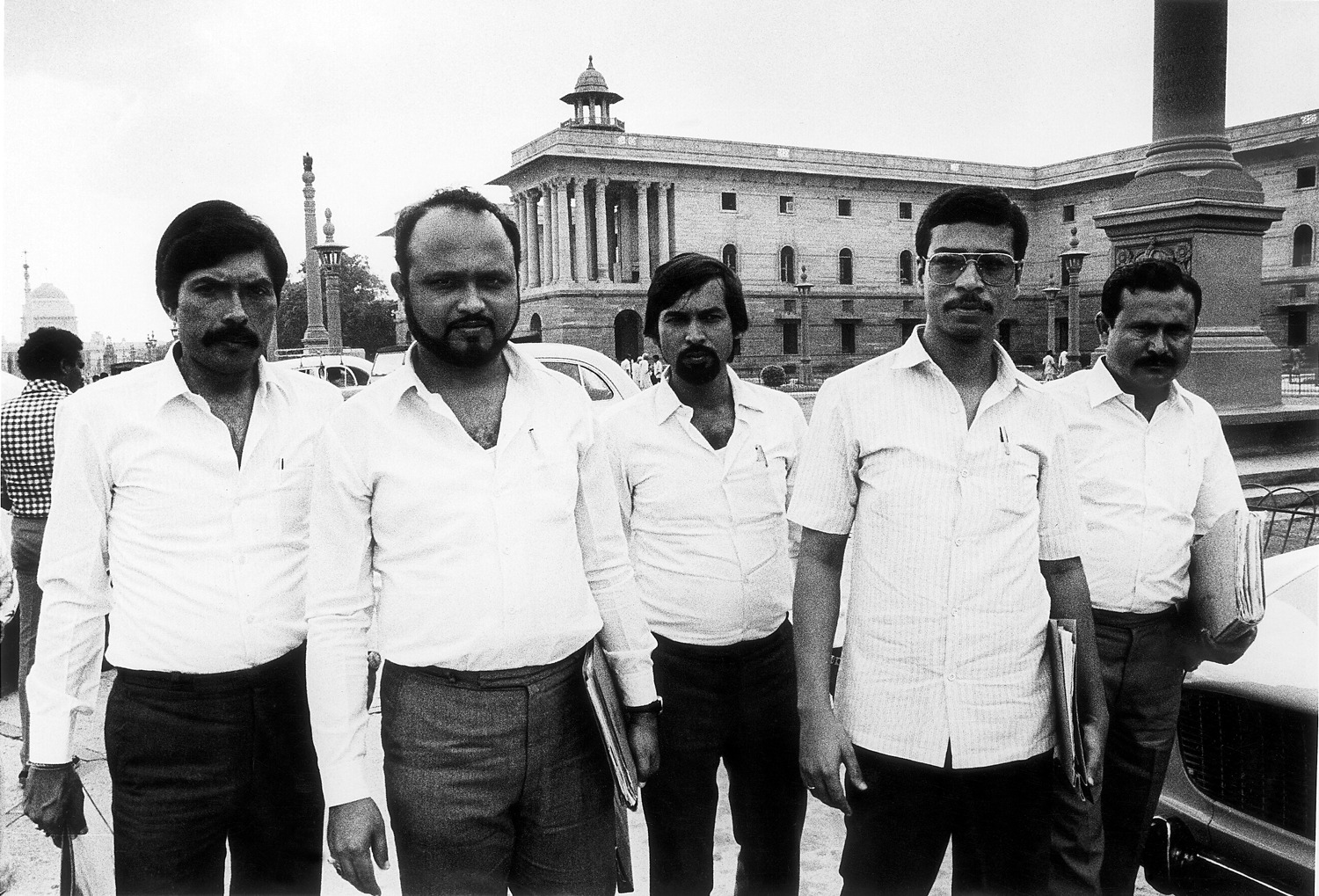
- Prafulla Kumar Mahanta – President of AASU
- Bhrigu Kumar Phukan – General Secretary
These young leaders organised rallies and protests across the state. They travelled to villages and towns to spread awareness. Soon, the movement became a people’s movement.
Farmers, shopkeepers, students, and middle-class families joined together.
Major Events During the Movement
The Assam Movement lasted six long years. Many important events happened during this time.
Protests and Bandhs
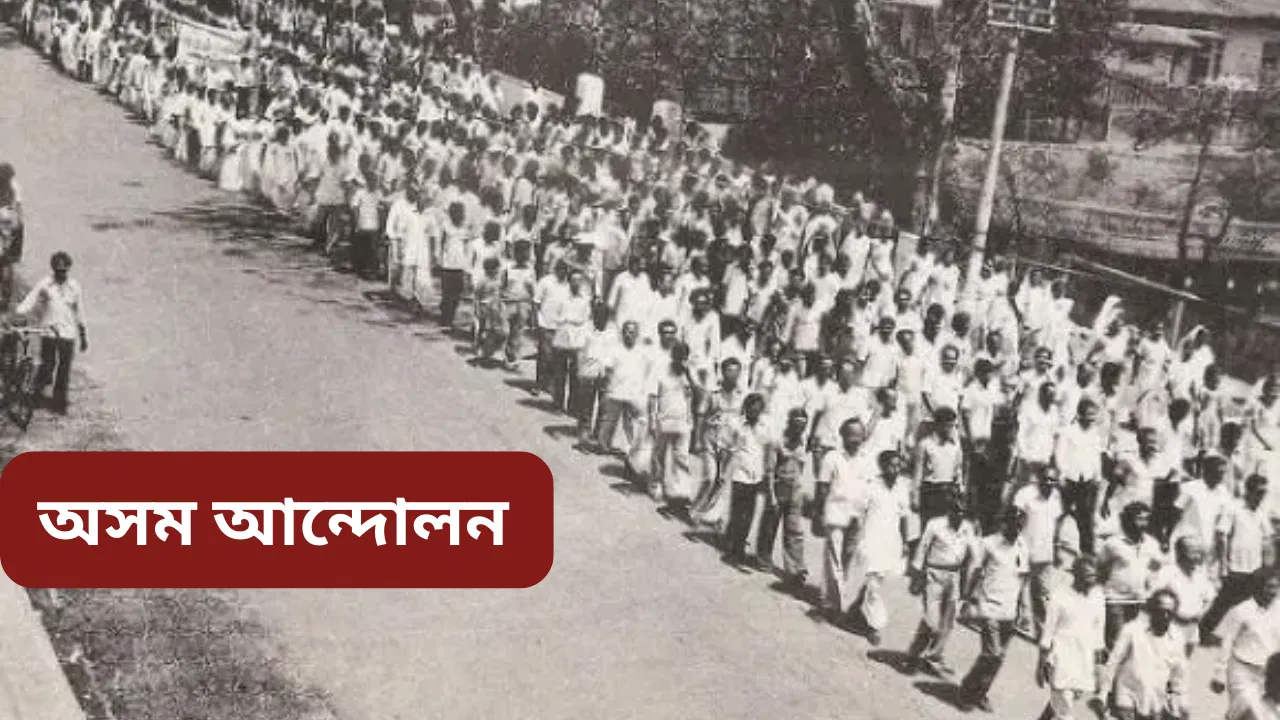
There were regular strikes (bandhs), rallies, and demonstrations. Schools and colleges remained closed for long periods. Government offices were affected.
Oil pipelines and railway tracks were sometimes blocked. Assam faced economic losses.
Political Instability
Governments changed frequently. President’s Rule was imposed in the state. Law and order became a serious concern.
1983 Assembly Elections
The central government decided to hold Assembly elections in 1983 despite protests. Movement leaders demanded that elections should not be held until voter lists were corrected.
The elections were boycotted by many. Violence broke out in several areas.
Nellie Massacre (1983)
One of the most tragic events was the Nellie massacre. More than 2,000 people were killed in a few hours. It remains one of the darkest chapters in Assam’s history.
The violence showed how serious and emotional the issue had become.
The Assam Accord (1985)
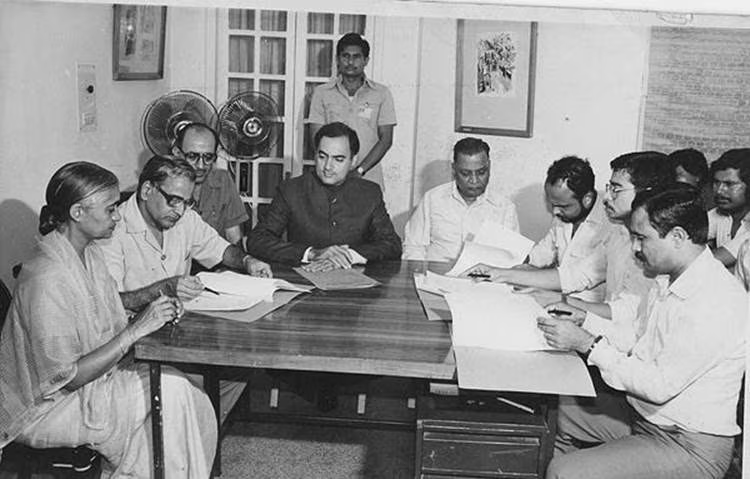
After years of protests and discussions, the Assam Accord was signed on 15 August 1985.
It was signed between:
- Government of India
- Government of Assam
- AASU
- All Assam Gana Sangram Parishad (AAGSP)
The Accord officially ended the Assam Movement.
Key Points of the Assam Accord
1. Cut-Off Date
The Accord fixed 24 March 1971 as the cut-off date.
- Those who came before 1 January 1966 were treated as Indian citizens.
- Those who came between 1 January 1966 and 24 March 1971 were to lose voting rights for 10 years.
- Those who came after 25 March 1971 were to be detected and deported.
2. Safeguards for Assamese People (Clause 6)
Clause 6 promised protection for Assamese culture, language, and identity through constitutional and legal measures.
3. Economic Development
The Accord promised economic development of Assam, including better infrastructure and job opportunities.
Political Changes After the Movement
After signing the Accord, AASU leaders formed a political party called Asom Gana Parishad (AGP).
In the 1985 elections:
- AGP won the majority.
- Prafulla Kumar Mahanta became the youngest Chief Minister of Assam.
This was a historic moment. A student leader became the head of the state government.
Challenges in Implementation
Even after the Accord, many challenges remained.
1. Identifying Foreigners
Many poor people did not have proper documents. It became difficult to prove who entered before or after 1971.
2. NRC Update (2013–2019)
The National Register of Citizens (NRC) was updated to identify illegal migrants.
- More than 3 crore people applied.
- 19.06 lakh people were excluded.
This created new debates and fears.
3. Deportation Problems
Bangladesh does not easily accept people without proof of citizenship. So deportation became difficult.
4. Clause 6 Delay
For many years, Clause 6 was not clearly implemented. There was confusion about who should be considered “Assamese.”
5. Tribunal Issues
Foreigners’ Tribunals handle such cases. But lakhs of cases are pending due to shortage of judges and legal delays.
Social and Economic Impact
The Assam Movement had a deep impact on society.
- Schools and colleges remained closed.
- Businesses suffered losses.
- Many lives were lost.
- Families faced emotional trauma.
At the same time, the movement united many Assamese people under one cause.
Long-Term Impact
The Assam Movement changed Assam forever.
1. Political Awareness
People became more aware of citizenship and identity issues.
2. Rise of Regional Politics
Regional parties like AGP became strong.
3. National Debate
The issue of illegal migration became a national topic.
4. NRC and Citizenship Debates
Recent discussions about NRC and citizenship are directly linked to the Assam Movement.
Lessons from the Assam Movement
The movement teaches us important lessons:
- Migration and identity are sensitive issues.
- Violence harms everyone.
- Dialogue and agreement are necessary for peace.
- Promises made in agreements must be implemented properly.
Conclusion
The Assam Movement was a six-year-long struggle to protect identity, culture, and political rights. It began in 1979 and ended in 1985 with the Assam Accord.
The movement showed the power of student leadership and mass unity. However, it also brought violence and pain. While the Accord gave hope for a solution, many issues remain unresolved even today.
The Assam Movement is not just history. It continues to shape Assam’s politics, identity, and future. Understanding this movement helps us understand the feelings and concerns of the people of Assam.
It reminds us that identity and citizenship are deeply connected to emotions, history, and justice. Solving such issues requires patience, fairness, and cooperation between the state and the central government.
The Assam Movement remains a symbol of struggle, identity, and the strong voice of the people of Assam.
Frequently Asked Questions (FAQs)
1. What was the Assam Movement?
The Assam Movement was a mass protest from 1979 to 1985. It was started to detect and deport illegal migrants who entered Assam from Bangladesh and to protect Assamese identity.
2. Why did the Assam Movement start?
The movement started because many people believed that illegal migration was changing the population of Assam and threatening local culture, land, and political rights.
3. Who led the Assam Movement?
The movement was mainly led by the All Assam Students’ Union (AASU). Important leaders were Prafulla Kumar Mahanta and Bhrigu Kumar Phukan.
4. What was the immediate cause of the movement?
The immediate cause was the discovery of suspected foreign names in the Mangaldoi voter list during a by-election in 1979.
5. What were the main demands of the movement?
The main demands were detection of illegal migrants, removal of their names from voter lists, deportation of foreigners, and protection of Assamese culture and identity.
6. What is the Assam Accord?
The Assam Accord is an agreement signed on 15 August 1985 between the Government of India, Government of Assam, and AASU. It ended the Assam Movement.
7. What is the cut-off date mentioned in the Assam Accord?
The cut-off date is 24 March 1971. People who entered Assam after this date were to be identified and deported.
8. What is Clause 6 of the Assam Accord?
Clause 6 promises constitutional and legal safeguards to protect the culture, language, and identity of the Assamese people.