


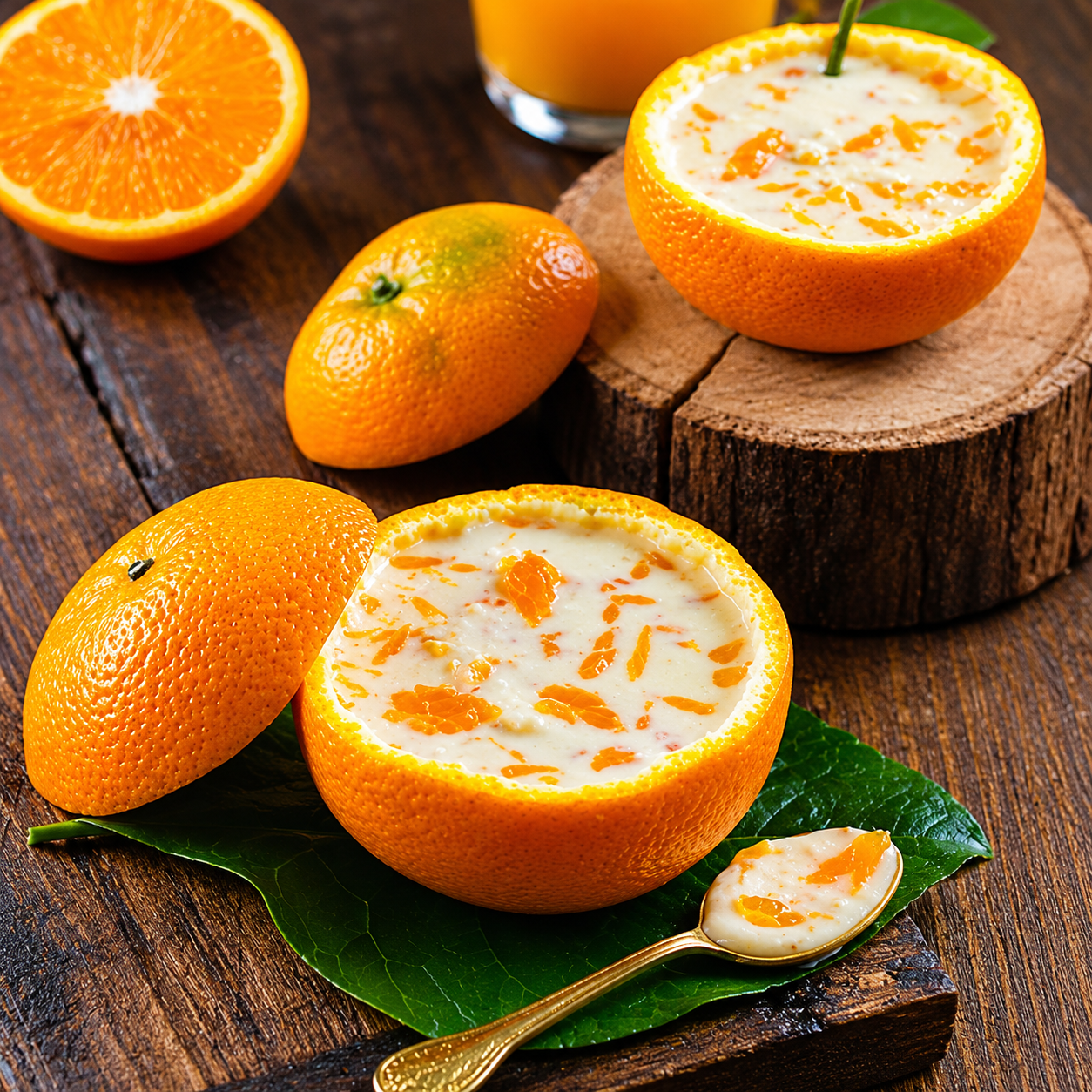
Komolar Kheer: Traditional Assamese Orange Kheer Recipe

Komolar Kheer is a delicious and refreshing Assamese dessert prepared with fresh milk, sweet oranges, sugar, almonds and mixed nuts. It is a special milk-based dessert that combines the creamy taste of traditional kheer with the fresh, fruity flavour of oranges. This simple yet delicious recipe is loved for its unique taste and is often prepared for family gatherings, festivals and special occasions.
Assamese cuisine is famous for its traditional rice dishes, fish recipes, vegetables and homemade sweets. Among the different desserts enjoyed in Assam, Komolar Kheer has a special place because of its combination of milk and seasonal fruits. The word Komola means orange in Assamese, while Kheer refers to a sweet milk-based dessert.

Unlike ordinary rice kheer, this recipe does not require rice. Instead, fresh orange pulp is added to thickened and sweetened milk after it has cooled. This gives the dessert a refreshing citrus flavour and a creamy texture. Almonds and mixed nuts add a pleasant crunch, making every spoonful delicious.
One important step in preparing Komolar Kheer is adding the orange pulp at the correct time. Orange should not be mixed with hot milk because its natural acidity can cause the milk to curdle. Therefore, the milk mixture must be cooled completely before adding the orange pulp.
If you enjoy traditional Assamese sweets and fruit-based desserts, Komolar Kheer is an excellent recipe to prepare at home.
What Is Komolar Kheer?
Komolar Kheer is a traditional Assamese-style orange dessert made by combining thickened milk, sugar, fresh orange pulp and dry fruits. It is also known as Orange Kheer and is different from the regular rice-based kheer commonly prepared in Indian households.
The preparation is quite simple. Milk is slowly boiled until it becomes slightly thick and creamy. Sugar, soaked almonds and chopped mixed nuts are added to improve its sweetness and texture. After cooking, the milk mixture is allowed to cool completely before fresh orange pulp is mixed into it.
The addition of orange gives the kheer a naturally fruity flavour. It creates a delicious combination of creamy milk and sweet citrus that makes this dessert different from other traditional kheer recipes.
Komolar Kheer is particularly enjoyable when served chilled. It can be prepared for festivals, family celebrations, special dinners and other occasions when you want to serve something different from ordinary sweets.
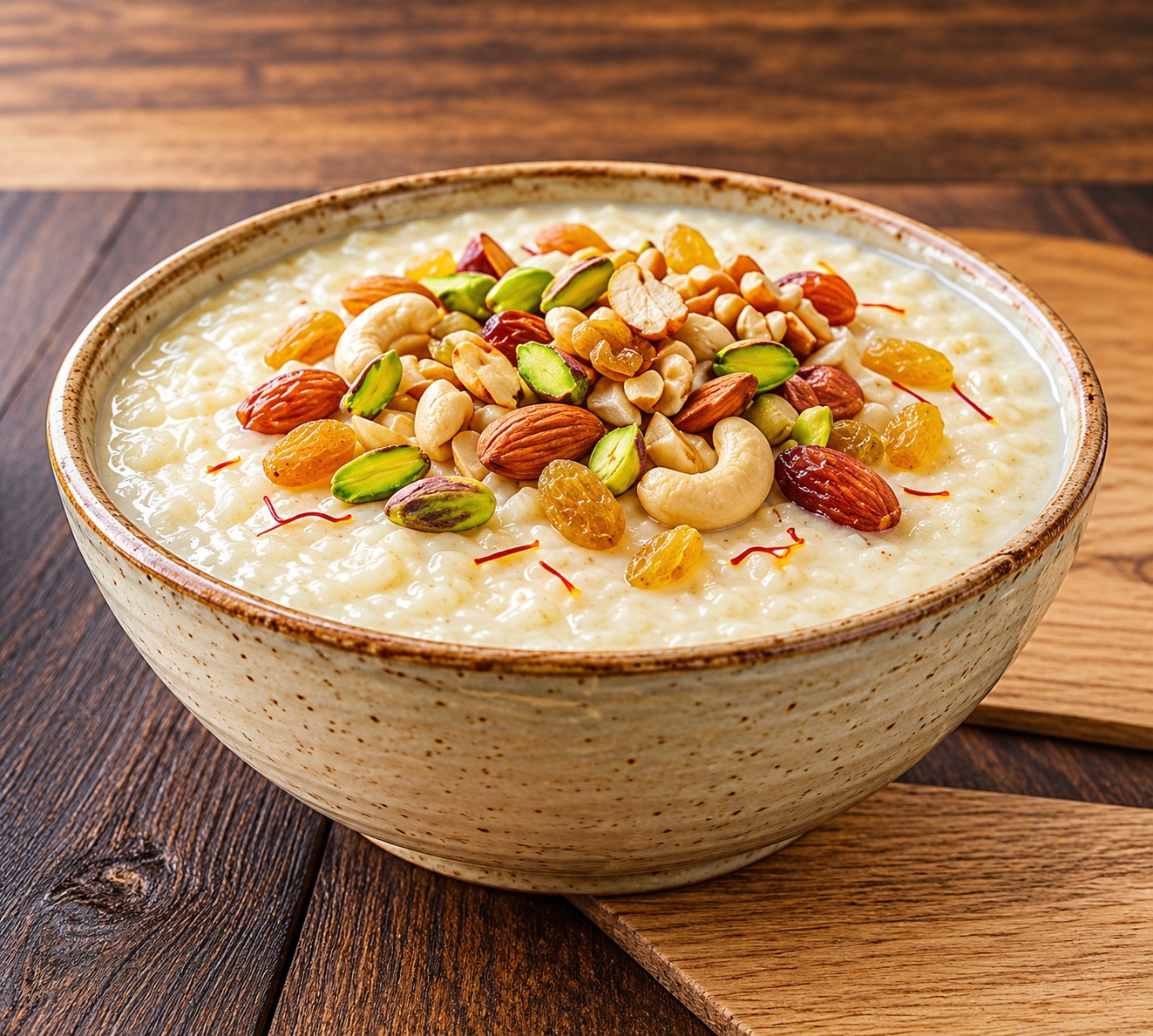
Ingredients for Komolar Kheer
The following ingredients are required to prepare Assamese Komolar Kheer for approximately two people.
| Ingredients | Quantity |
|---|---|
| Full-fat milk | 1 litre |
| Sugar | 4 tablespoons |
| Fresh oranges | Enough to prepare ½ cup pulp |
| Whole almonds | 6 |
| Mixed nuts (cashews and other nuts) | 2 tablespoons |
| Water for soaking almonds | As required |
Preparation time: 5–10 minutes
Cooking time: 15–20 minutes
Cooling time: Approximately 30–60 minutes
Total time: Around 50–90 minutes, including cooling
Cuisine: Assamese
Servings: 2 people
Dish type: Dessert
How to Prepare Komolar Kheer
Preparing Komolar Kheer at home is easy and requires only a few ingredients. However, you should follow the correct order while mixing the milk and orange pulp to achieve a smooth and creamy dessert.
Step 1: Prepare the Almonds and Mixed Nuts
First, take six whole almonds and soak them in a bowl of water for approximately one to two hours. Soaking makes the almonds softer and easier to peel.
After soaking, remove the outer skin of the almonds and chop or slice them into small pieces. Take two tablespoons of mixed nuts, such as cashews and almonds, and chop them into small pieces.
Keep the prepared nuts aside. These will be added to the milk while preparing the kheer. They provide a pleasant crunch and make the dessert richer in texture.
Step 2: Boil the Milk
Take one litre of full-fat milk and pour it into a heavy-bottomed saucepan or kadai. Place the pan over medium heat and bring the milk to a boil.
Once the milk starts boiling, reduce the heat to low. Allow it to simmer slowly while stirring occasionally with a wooden spoon or spatula.
Slow cooking is important because it helps the milk gradually thicken and develop a creamy consistency. Scrape the sides of the pan occasionally and mix the collected milk solids back into the mixture.
Be careful not to allow the milk to stick to the bottom of the pan.
Step 3: Allow the Milk to Thicken
Continue cooking the milk over low heat until its quantity reduces slightly and it becomes creamy. Stir occasionally to maintain an even consistency.
The thickness of the kheer depends on your personal preference. If you like a thicker dessert, allow the milk to simmer for a little longer. If you prefer a lighter consistency, you can stop cooking once the milk has thickened slightly.
A heavy-bottomed pan is recommended because it distributes heat more evenly and reduces the chances of burning.
Step 4: Add the Chopped Nuts
When the milk starts to thicken, add the chopped almonds and mixed nuts. Stir everything gently so that the nuts are evenly distributed throughout the milk. Continue cooking for a few minutes to allow the nuts to soften slightly and release their flavour.
Almonds provide a mild nutty taste, while cashews add richness to the dessert. You can also add a few chopped pistachios if you want to make the kheer more colourful.
Step 5: Add Sugar
Now add four tablespoons of sugar to the thickened milk. Stir continuously until the sugar dissolves completely.
Taste the mixture and adjust the sweetness according to your preference. If the oranges you are using are naturally sweet, you may reduce the amount of sugar.
Continue cooking for another two to three minutes over low heat. Once the kheer reaches your desired consistency, switch off the heat.
Step 6: Cool the Kheer Completely
After switching off the heat, continue stirring the milk mixture for a short time. This helps release some of the heat and prevents a thick layer from forming on the surface. Allow the kheer to cool completely at room temperature. Once it has cooled, cover the pan and refrigerate it until chilled.
This is one of the most important steps in making Komolar Kheer.
Never add fresh orange pulp to hot milk. The acidity of oranges can react with milk proteins and cause the mixture to curdle. Always make sure the milk mixture is completely cool before adding the orange.
Step 7: Prepare the Fresh Orange Pulp
Take fresh, ripe and sweet oranges. Wash them properly, peel them and separate the segments.
Remove the seeds, white pith and tough membranes as much as possible. Collect the orange flesh in a bowl and gently separate it into small pieces.
Measure approximately half a cup of fresh orange pulp. Avoid using oranges that are extremely sour because they may affect the taste and texture of the dessert.
Keep the orange pulp chilled until you are ready to serve the kheer.
Step 8: Add Orange Pulp to the Chilled Kheer
Remove the chilled milk mixture from the refrigerator. Add half a cup of fresh orange pulp and gently mix it with the kheer.
Do not mix too vigorously because the orange pieces should retain some of their natural texture.
Taste the mixture and adjust the sweetness if necessary. The combination of creamy milk, sweet orange and chopped nuts creates a refreshing dessert with a unique flavour.
Step 9: Serve the Komolar Kheer
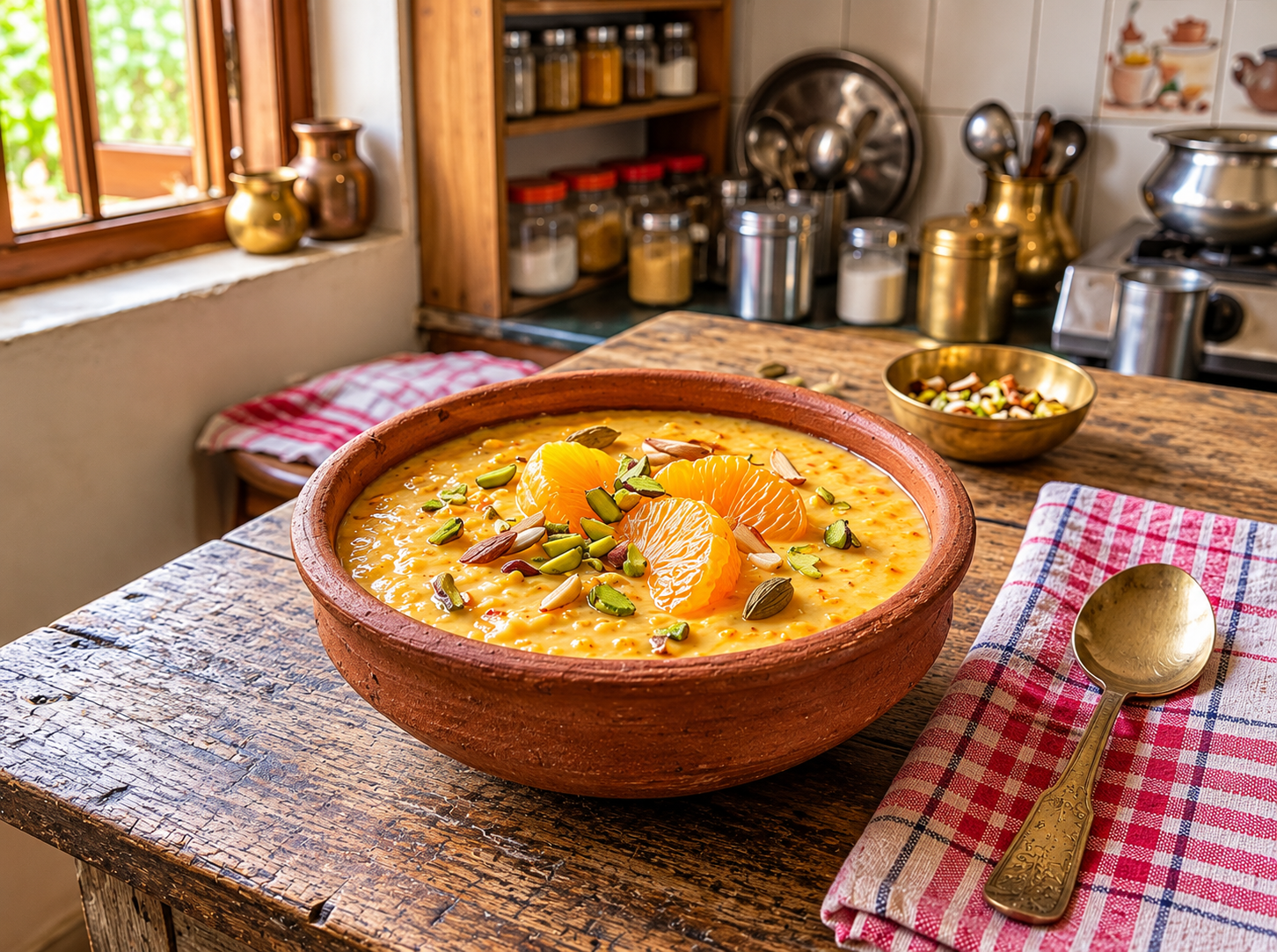
Transfer the prepared Komolar Kheer into small serving bowls. Garnish with a few chopped almonds and cashews.
You can also add a few fresh orange pieces on top for decoration. Serve immediately while chilled.
Your delicious Assamese Komolar Kheer is now ready to enjoy!
Tips for Making Perfect Komolar Kheer
A few simple tips can help you prepare smooth, creamy and flavourful orange kheer at home.
- Use fresh milk: Full-fat milk gives the kheer a richer and creamier texture.
- Choose sweet oranges: Sweet and juicy oranges provide a better flavour than very sour varieties.
- Stir the milk regularly: Stirring prevents the milk from sticking to the bottom of the pan.
- Use a heavy-bottomed pan: It helps distribute heat evenly while reducing the risk of burning.
- Soak the almonds: Soaked almonds are easier to peel and chop.
- Cool the milk completely: Never add orange pulp to hot or warm milk because it may curdle.
- Remove orange seeds: Seeds and excess white pith can affect the taste of the dessert.
- Serve chilled: Komolar Kheer tastes especially refreshing after refrigeration.
Why Is Komolar Kheer Different from Regular Kheer?
Traditional Indian kheer is usually prepared using rice, milk and sugar. Some varieties also include vermicelli, nuts, cardamom or other ingredients.
Komolar Kheer is different because it uses fresh orange pulp instead of rice as its main special ingredient. The milk is first thickened and sweetened, and the orange pulp is added only after the mixture cools.
The orange gives the dessert a fruity and refreshing taste, while the milk provides a creamy base. Nuts add texture and make it more enjoyable.
Another difference is the serving temperature. Although many traditional kheer varieties can be served warm or cold, Komolar Kheer is generally more enjoyable when served chilled.
Health and Nutritional Benefits of Komolar Kheer
Komolar Kheer contains milk, oranges and nuts, which provide different nutrients. However, its nutritional value depends on the quantity of sugar, milk and nuts used in the preparation.
1. Calcium from Milk: Milk is a source of calcium, which supports healthy bones and teeth. It also provides protein.
2. Vitamin C from Oranges: Fresh oranges contain vitamin C, which supports normal immune function and helps the body absorb iron from plant-based foods.
3. Healthy Fats from Nuts: Almonds and cashews contain unsaturated fats and provide nutrients such as vitamin E and magnesium.
4. Natural Fruit Flavour: Fresh orange pulp gives the dessert natural sweetness and fruity flavour.
5. Provides Energy: Milk, sugar and nuts provide energy, making this dessert a satisfying sweet dish after a meal.
Although Komolar Kheer contains nutritious ingredients, it also includes added sugar. People who need to limit their sugar intake can reduce the amount according to their dietary requirements.
When Can You Serve Komolar Kheer?
Komolar Kheer is a wonderful dessert for different occasions. Its attractive appearance and refreshing taste make it suitable for family gatherings and special meals.
- Festivals: Serve it as a homemade dessert during festive celebrations.
- Family gatherings: Prepare it when relatives and friends visit your home.
- Special dinners: Offer chilled orange kheer after lunch or dinner.
- Celebrations: It can be served during birthdays and small family occasions.
- Seasonal occasions: Fresh oranges make this dessert especially enjoyable during the orange season.
Since the dessert requires cooling, you can prepare the milk mixture in advance and add the orange pulp shortly before serving.
Frequently Asked Questions (FAQs)
1. What is Komolar Kheer?
Komolar Kheer is a traditional Assamese-style orange dessert prepared using thickened milk, sugar, fresh orange pulp, almonds and mixed nuts. It is also known as Orange Kheer.
2. Which orange is best for making Komolar Kheer?
Sweet, juicy and ripe oranges are best for this recipe. Avoid very sour oranges because their acidity can affect the milk mixture and the final taste.
3. Can I add orange pulp to hot milk?
No. You should never add orange pulp to hot milk. The natural acidity of oranges can cause the milk to curdle. Always cool the milk mixture completely before adding the orange pulp.
4. Does Komolar Kheer contain rice?
No. This particular Assamese Komolar Kheer recipe does not require rice. It is prepared using thickened milk, sugar, orange pulp and dry fruits.
5. How long does it take to prepare Komolar Kheer?
The cooking process takes approximately 15–20 minutes. However, additional time is required to soak the almonds and cool the milk mixture before adding orange pulp.