


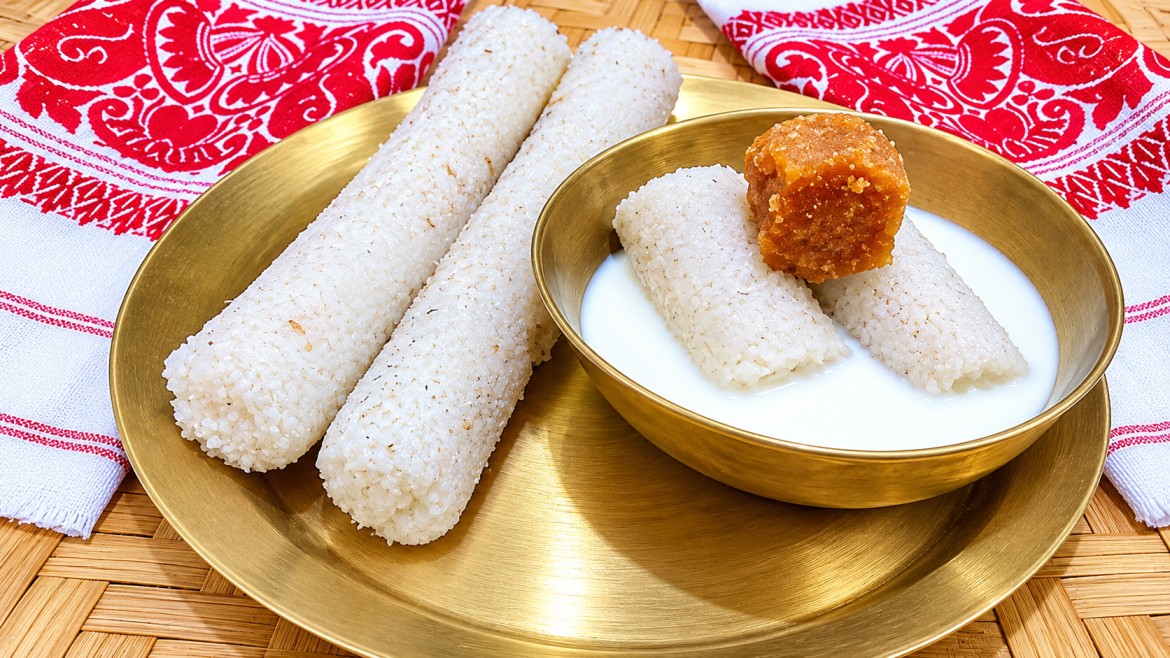
Sunga Pitha Recipe: Traditional Assamese Bamboo Rice Cake

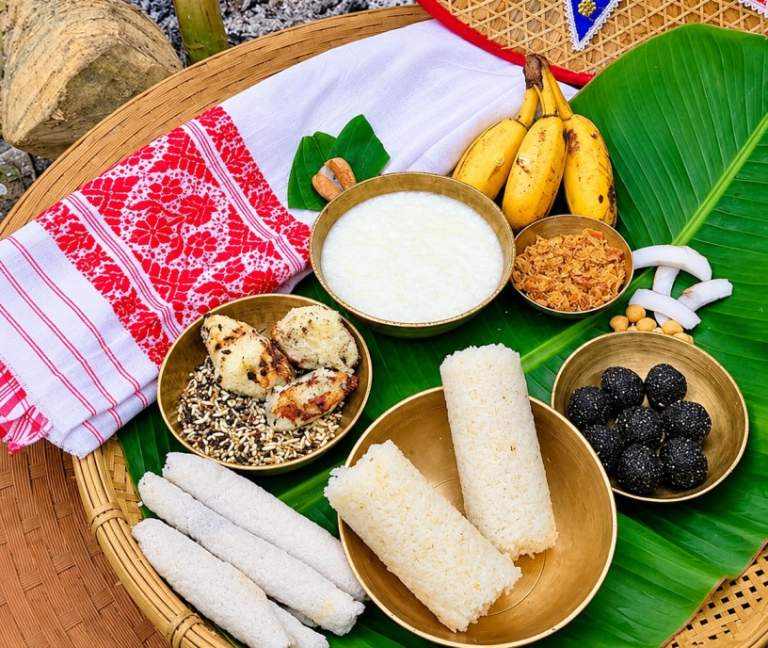
Sunga Pitha is a traditional Assamese delicacy prepared by cooking sticky rice inside bamboo tubes. It is especially enjoyed during Bohag Bihu, the Assamese spring festival that welcomes the Assamese New Year. Made with Bora Saul (sticky rice), fresh coconut and nuts, this special pitha has a soft, chewy texture and a wonderful smoky aroma. The traditional bamboo cooking method gives Sunga Pitha a unique flavour that is difficult to achieve with ordinary cooking methods.
Sunga Pitha is one of the special dishes that reflects the close relationship between Assamese food culture and nature. The word Sunga refers to a bamboo tube, while Pitha means a traditional rice-based cake or preparation. Instead of using a regular pot or pan, the ingredients are placed inside a hollow bamboo tube and cooked over heat. As the rice cooks slowly, it absorbs the natural aroma of bamboo and develops a delicious taste.

This pitha is prepared in different ways across Assam. Some families prefer a simple version made with sticky rice and a little salt, while others add grated coconut, jaggery or other ingredients. This recipe uses fresh coconut and nuts for a naturally rich flavour without refined sugar. It is suitable for Bohag Bihu celebrations, family gatherings and special occasions.
Sunga Pitha and Assamese Food Culture
Assam is known for its traditional rice-based dishes, and pitha holds an important place in Assamese celebrations. During Bohag Bihu, people prepare different kinds of pitha, larus and other homemade delicacies. Families gather to enjoy traditional food, exchange greetings and celebrate the arrival of spring.
Sunga Pitha is one of the special preparations associated with this festive food culture. Bamboo is widely available in many parts of Assam and is used in traditional cooking. People use bamboo tubes to prepare different dishes because they provide a natural cooking container and add a distinctive aroma to food.
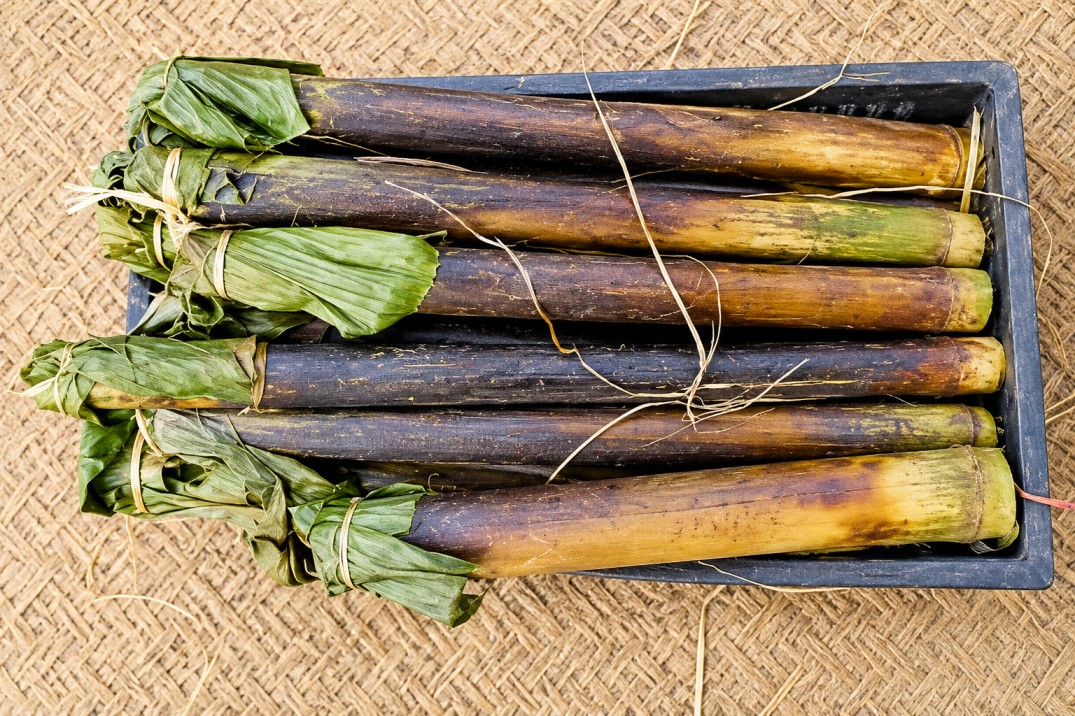
Unlike pithas cooked on a pan or steamed in a kettle, Sunga Pitha is prepared inside bamboo. The rice mixture is placed in a clean bamboo tube, sealed with banana leaves and slowly roasted over a fire. The heat cooks the rice while the bamboo gives the preparation an earthy and smoky flavour.
This traditional cooking method also makes Sunga Pitha special because it requires patience and careful attention. The bamboo must be rotated regularly so that the rice cooks evenly without burning.
Ingredients for Sunga Pitha
The following ingredients are suitable for preparing approximately 4–5 medium bamboo tubes, depending on their size.
Main ingredients
- Bora Saul (sticky rice) – 2 cups
- Freshly grated coconut – 1 cup
- Crushed almonds – 2 tablespoons
- Crushed cashew nuts – 2 tablespoons
- Ground pistachios – 1 tablespoon
- Salt – a pinch
- Water – as required
- Fresh bamboo tubes (Jaati Baah) – 4–5 pieces
- Banana leaves – as required for sealing
Bora Saul is the main ingredient in this recipe. It is a traditional sticky rice variety commonly used in Assamese pitha preparations. When cooked, it becomes soft, sticky and slightly chewy.
Fresh coconut gives the pitha a naturally rich taste, while almonds, cashews and pistachios add texture and flavour. The recipe does not require refined sugar. The natural taste of the rice and coconut makes it enjoyable as a simple festive preparation.
How to Make Sunga Pitha at Home
Step 1: Soak the bamboo tubes
First, select fresh bamboo tubes that are suitable for cooking. Jaati Baah can be used for this traditional preparation. Choose bamboo pieces that are clean, free from cracks and have enough space inside for the rice mixture.
Cut the bamboo into manageable lengths, ensuring that each piece has a closed natural joint at one end. Wash the outside properly and clean the inside thoroughly. Soak the bamboo tubes in clean water for about one hour, as suggested in the recipe, to help prevent them from drying out too quickly during cooking.
Use only bamboo that is known to be safe for food preparation. Avoid painted, treated or chemically contaminated bamboo. If you are unsure about cooking directly inside bamboo, use a food-safe steaming container as an alternative.
Step 2: Soak the sticky rice
Take two cups of Bora Saul and wash it two or three times with clean water. Washing removes dust and excess surface starch.
Soak the rice in fresh water for approximately 2–3 hours. This helps soften the grains and reduces the cooking time inside the bamboo tube. After soaking, drain the water completely using a strainer.
Do not leave too much water in the rice. Excess moisture can make the mixture overly wet and affect the final texture of the pitha.
Step 3: Prepare the coconut and nut mixture
Take one cup of freshly grated coconut in a large mixing bowl. Add two tablespoons of crushed almonds, two tablespoons of crushed cashew nuts and one tablespoon of ground pistachios.
Mix the ingredients gently so that the nuts and coconut are distributed evenly. Add a pinch of salt to balance the flavour.
You can adjust the quantity of nuts according to your preference. If you want a simpler traditional taste, you can reduce the nuts or prepare the pitha with only sticky rice and coconut. Some households also use jaggery for a sweeter version, but this recipe does not require added sugar.
Step 4: Combine the rice with the ingredients
Add the drained sticky rice to the coconut and nut mixture. Mix everything carefully using a clean spoon or your hands.
Sprinkle a little water if necessary to maintain a slightly moist consistency. The mixture should not be watery. It should be moist enough for the rice grains and coconut to cook together inside the bamboo.
Taste a small amount of the mixture to check the salt. Add a little more if required, but avoid using too much.
Step 5: Fill the bamboo tubes
Take the prepared bamboo tubes and check that they are clean and dry on the outside. Carefully fill each tube with the rice mixture.
Do not fill the bamboo completely. Leave some empty space at the top because the rice expands and becomes sticky as it cooks. Filling the tubes to around three-fourths of their capacity is a useful guideline.
Avoid pressing the mixture too tightly inside the bamboo. It needs some space for heat and steam to circulate during cooking. If the mixture is packed too firmly, the rice may cook unevenly.
Step 6: Seal the bamboo with banana leaves
Wash the banana leaves and wipe them clean. If needed, briefly warm them over low heat to make them flexible and easier to fold.
Cover the open end of each bamboo tube with a suitable piece of banana leaf. Secure it carefully so that the rice mixture does not spill out during cooking.
The covering should hold the ingredients inside while allowing the rice to cook gradually. Do not use plastic or any material that is not designed for high-temperature cooking.
Step 7: Cook the Sunga Pitha over heat
Prepare a safe outdoor cooking area with a controlled fire or suitable cooking setup. Place the filled bamboo tubes near the heat, positioning them so that they cook evenly without direct, intense flames burning one side.
Roast the bamboo tubes slowly for approximately 30–40 minutes, as a starting guideline. Rotate them regularly so that all sides receive heat. The cooking time may vary depending on the thickness of the bamboo, the size of the tubes, the heat level and how much rice is inside.
Do not leave the bamboo unattended. Watch for excessive charring, cracking or leakage. If the bamboo begins to burn too quickly, move it farther away from the fire.
The pitha is ready when the rice is fully cooked, soft and sticky. Do not rely only on the outside appearance of the bamboo to judge whether the rice is cooked.
Step 8: Cool and remove the pitha
Once cooking is complete, carefully remove the bamboo tubes from the heat using suitable heat-resistant tools. Allow them to cool enough to handle safely.
Do not split open very hot bamboo, as trapped steam can cause burns. Once the tubes have cooled, carefully split the bamboo lengthwise using an appropriate tool. Take care not to damage the cooked pitha.
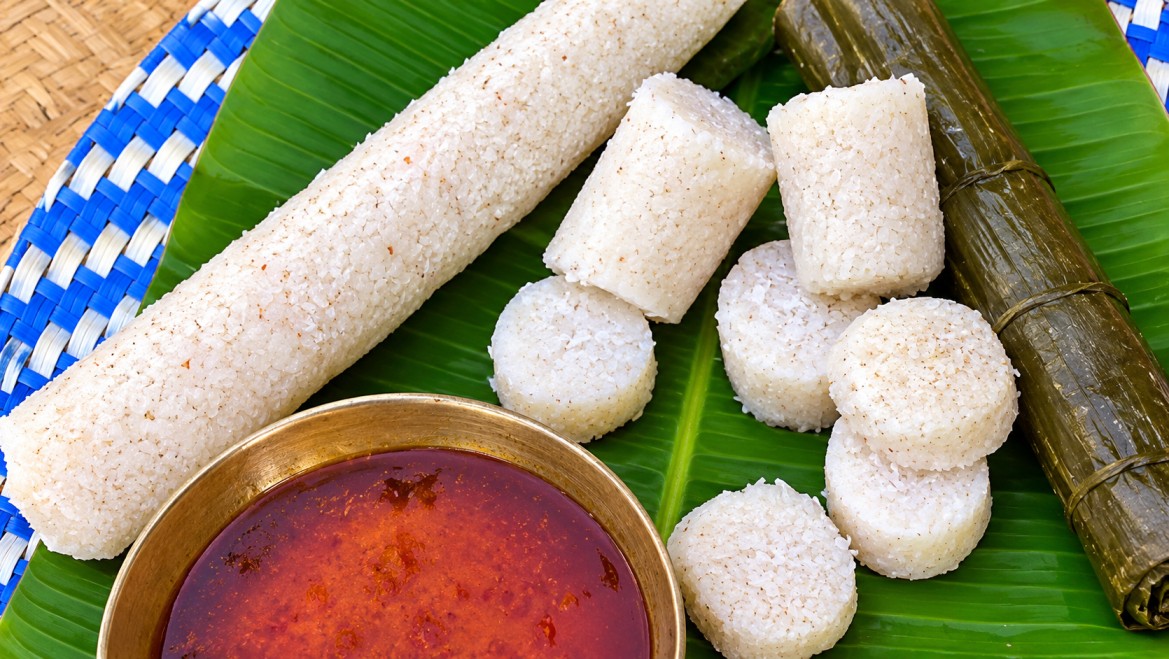
Remove the rice cake gently. It should have a soft, sticky texture with a light smoky aroma. Slice it into pieces and arrange them on a serving plate.
Step 9: Serve fresh
Serve Sunga Pitha fresh while it is still warm. The combination of sticky rice, coconut and nuts gives it a rich taste and satisfying texture.
It can be enjoyed as a festive snack during Bohag Bihu or served with other Assamese delicacies. Since this version does not use refined sugar, it is also suitable for people who prefer less-sweet traditional food. However, it is still a rice-based dish and should be enjoyed in suitable portions.
Nutritional Value of Sunga Pitha
Sunga Pitha contains carbohydrates mainly from sticky rice. Coconut and nuts contribute fats, fibre and some plant-based protein. Almonds, cashews and pistachios also provide minerals and vitamins, including vitamin E and magnesium.
The nutritional value depends on the quantities used, the size of each serving and the exact ingredients. The figures below are only broad estimates from the supplied recipe information, not laboratory-tested values.
| Nutrient | Approximate amount per serving |
|---|---|
| Carbohydrates | 35–40 g |
| Protein | 6–8 g |
| Fat | 8–10 g |
| Dietary fibre | 3–5 g |
| Vitamin E | 2–3 mg |
| Magnesium | 40–60 mg |
| Potassium | 150–200 mg |
| Iron | 1–2 mg |
Sunga Pitha can be part of a varied diet, but it should not be considered a complete meal on its own. Sticky rice is rich in carbohydrates, and the coconut and nuts increase its energy content. People managing blood sugar or following a specific diet should pay attention to portion size and their overall meal plan.
Why Sunga Pitha Is Special During Bohag Bihu
Bohag Bihu is one of the most important festivals of Assam. It celebrates the arrival of spring, the Assamese New Year and the agricultural traditions of the state. Traditional foods are an essential part of the celebration, and families prepare different pithas to share with relatives, friends and neighbours.
Sunga Pitha represents the traditional use of locally available ingredients and natural cooking methods. Rice, bamboo, coconut and banana leaves come together to create a dish that reflects the food habits and lifestyle of Assamese communities.
Preparing Sunga Pitha at home is also a way to keep traditional cooking practices alive. The process of filling bamboo tubes, sealing them with banana leaves and roasting them slowly makes the preparation a special family activity. Its smoky aroma and sticky texture make it a memorable part of Bihu celebrations.
Frequently Asked Questions (FAQs)
1. What is Sunga Pitha?
Sunga Pitha is a traditional Assamese rice cake prepared by cooking sticky rice inside hollow bamboo tubes. It is known for its soft, chewy texture and natural smoky aroma.
2. When is Sunga Pitha prepared in Assam?
Sunga Pitha is commonly prepared during Bohag Bihu and other festive occasions. It is enjoyed as part of the traditional Assamese food platter.
3. Which rice is used to make Sunga Pitha?
Bora Saul, a traditional sticky rice variety, is commonly used. It becomes soft and sticky after cooking and gives the pitha its characteristic texture.
4. Why is bamboo used to prepare Sunga Pitha?
Bamboo acts as a natural cooking container. When the rice cooks inside it, the preparation develops an earthy aroma and a distinctive flavour.
5. How long should the rice be soaked?
The Bora Saul should be soaked for approximately 2–3 hours before cooking. This helps soften the grains and allows them to cook more evenly.