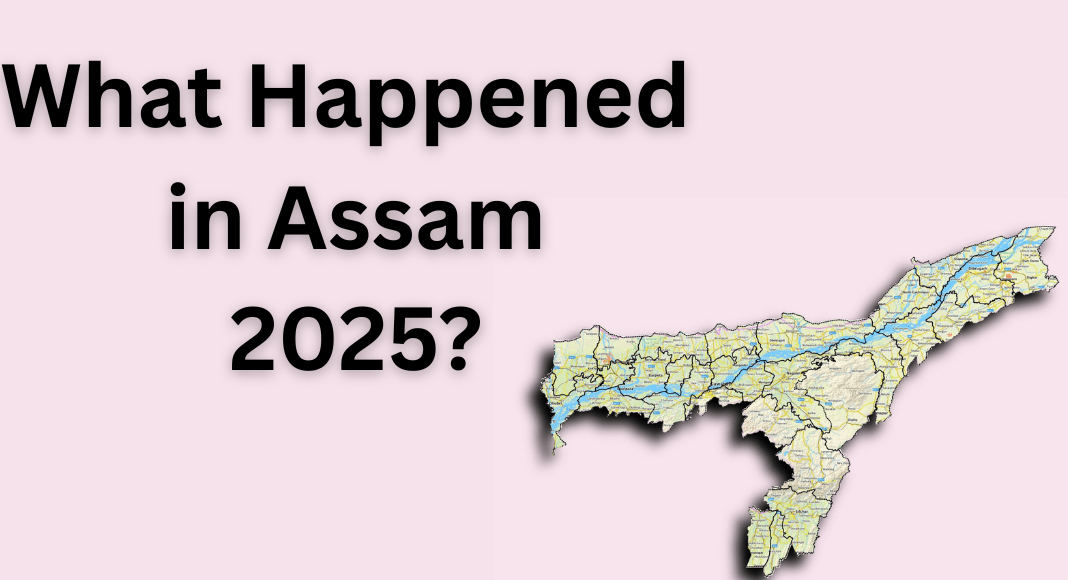
What Happened in Assam 2025? -Look at Major Events, Tragedies, Politics, and Social Changes

What Happened in Assam 2025?
Imagine starting each new month and watching Assam slowly change, almost like turning the pages of a thick novel. Some chapters begin with optimism and celebration. Others take sudden, uncomfortable turns. A few leave you quietly reflective. That, in many ways, captures what Assam experienced throughout 2025. It was not merely another year passing by on the calendar. It became a living record of culture, politics, loss, innovation, resilience, and deeply human emotions.
Thank you for reading this post, don't forget to subscribe!What makes 2025 stand out is how sharply it swung between extremes. One moment, the state was talking about development, conservation, and new possibilities. Next, it was united in grief. In fact, one of the most striking moments of the year was the massive public gathering that formed to mourn a beloved cultural icon. Few people could have predicted at the beginning of the year that Assam would witness one of the largest collective expressions of public sorrow in its recent history.
But here is the important part. Even during periods of grief and uncertainty, life in Assam did not come to a halt. Roads were planned, policies were debated, forests were protected, festivals were celebrated, and students continued preparing for their futures. The state kept moving forward, sometimes quietly, sometimes loudly, but always with purpose.
In the sections ahead, you will find a clear month-by-month breakdown of the most important events that shaped Assam in 2025. These are not just headlines that flashed briefly on news screens. They are moments that influenced public discussions, shaped competitive exam answers, entered classroom debates, and affected everyday life on the ground. Together, they tell the story of a year that tested Assam, challenged it, and ultimately helped redefine its direction.
Assam 2025 month-wise current affairs (quick notes)
| Month | Key Events / News in Assam (2025) |
|---|---|
| January | • Presentation of Assam Budget 2025–26 • Focus on youth employment, skill development, healthcare expansion, education reforms, and environmental sustainability • Emphasis on fiscal discipline and outcome-based governance • Exam relevance: state economy, public finance, social sector development |
| February | • Declaration of Sikhna Jwhwlao National Park as Assam’s eighth national park and third in the Bodoland region • Strengthening biodiversity conservation and wildlife corridors • Guwahati Asian Film Festival promoting cultural diplomacy and the creative economy • Exam relevance: environment, biodiversity, cultural soft power |
| March | • Presentation of Assam Budget 2025–26 • Focus on youth employment, skill development, healthcare expansion, education reforms, and environmental sustainability • Emphasis on fiscal discipline and outcome based governance • Exam relevance: state economy, public finance, social sector development |
| April | • Advantage Assam 2.0 Summit, highlighting industrial growth, clean energy, logistics, and the Act East Policy • Positioning Assam as a strategic gateway to Southeast Asia • Assam Panchayat Elections 2025 were conducted in two phases • Strengthening grassroots democracy and decentralised governance • Exam relevance: economy, federalism, Panchayati Raj, investment policy |
| May | • Intensification of political activities ahead of the 2026 elections • Alliance talks, party restructuring, and grassroots mobilisation • Increased political awareness among youth and students • Exam relevance: democracy, electoral process, political participation |
| June | • Major IAS reshuffle across key departments • Administrative preparedness ahead of the 2026 Assembly elections • Focus on governance efficiency, neutrality of civil services • Exam relevance: public administration, civil services, election governance |
| July | • Assam Legislative Assembly debates on anti-polygamy proposals and cultural protection laws • Focus on social reform, gender justice, and constitutional values • Discussions on inclusion, minority rights, and governance ethics • Exam relevance: polity, social justice, law-making process |
| August | • Guwahati Literature Festival is celebrating literature and intellectual discourse • Statewide release of Zubeen Garg’s final film Roi Roi Binale • Arts and cinema as tools of collective memory and healing • Exam relevance: cultural heritage, soft power, social cohesion |
| September | • Death of cultural icon Zubeen Garg, leading to statewide mourning • Massive public response highlighting collective identity and cultural unity • Government response and public demand for transparency • Exam relevance: culture, society, governance response, ethics |
| October | • Visit of the Prime Minister of India to Assam • Inauguration of new terminal at Lokapriya Gopinath Bardoloi International Airport, Guwahati • Anniversary and strategic importance of Bogibeel Bridge • Urban development initiatives and debates on human-wildlife conflict • Exam relevance: infrastructure, centre state relations, sustainable development |
| November | • Public protests and increased civic engagement • Debates on security, migration, identity, and cultural preservation • Balancing freedom of expression with law and order • Exam relevance: democracy, internal security, civil rights |
| December | • Visit of the Prime Minister of India to Assam • Inauguration of new terminal at Lokapriya Gopinath Bardoloi International Airport, Guwahati • Anniversary and strategic importance of Bogibeel Bridge • Urban development initiatives and debates on human-wildlife conflict • Exam relevance: infrastructure, centre-state relations, sustainable development |
January 2025: Somber Beginnings and Hard Lessons for Assam
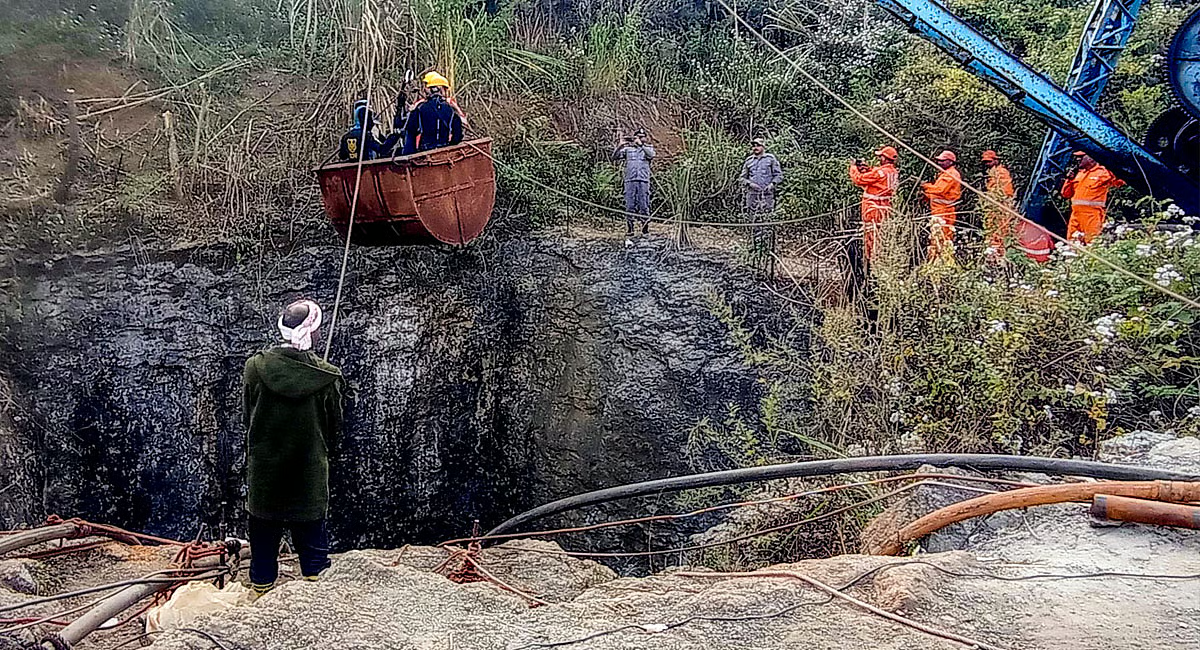
January 2025 opened on a serious and unsettling note for Assam. The year had barely begun when the state was shaken by a tragic mining disaster in Umrangso, located in the Dima Hasao region. What initially appeared to be a routine working day inside a coal mine quickly turned into one of the most disturbing industrial accidents in recent memory.
Nine miners were trapped underground after a sudden surge of water flooded the tunnels. Investigations later revealed that water from an abandoned and poorly sealed mine had entered the active mining area without warning. Rescue teams from the National Disaster Response Force, along with Assam’s state disaster response units, worked relentlessly. For days, heavy machinery operated around the clock. Pumps ran continuously. Hope lingered, but the outcome was devastating. None of the trapped workers survived.
For students and aspirants, this incident became important beyond the tragedy itself. It raised fundamental questions about mine safety laws, enforcement failures, and environmental governance. The disaster exposed long-standing loopholes in monitoring illegal and semi-regulated mining operations in Assam’s hill districts. Public debate intensified around whether economic activity was being prioritised over human life and ecological safety.
At the administrative level, the state government ordered a high-level inquiry and began reviewing mining leases, especially in ecologically sensitive areas. Discussions also emerged around strengthening disaster preparedness mechanisms in industrial zones. These responses are highly relevant for exams under topics such as internal security, disaster management, environmental protection, and labour safety.
January also saw renewed conversations around government welfare delivery, as the state reviewed the performance of ongoing social schemes at the start of the calendar year. Departments focused on beneficiary verification, digital monitoring of schemes, and district-level audits. While no entirely new flagship scheme was launched in January, the month was crucial for policy review and implementation assessment, a point often asked indirectly in competitive exams.
From an exam perspective, January 2025 is significant for several reasons:
- It highlights industrial disaster management in Assam
- It reinforces the importance of environmental impact assessments
- It connects governance with accountability and regulatory oversight
- It provides a real example for answers on sustainable development versus rapid modernisation
At first glance, the Umrangso tragedy may seem like a rare accident. But when viewed closely, it becomes a case study in what happens when safety audits, environmental safeguards, and regulatory enforcement are neglected for too long. The lesson was clear and deeply sobering. Development without caution carries a high cost.
January did not bring celebration or optimism. Instead, it set the tone for reflection. It reminded policymakers, administrators, and citizens alike that progress must be balanced with responsibility. For students preparing for competitive examinations, this month stands as a powerful reminder that real-world governance failures often become the most important learning material.
February 2025: Conservation and Culture Shape a New Narrative in Assam

After the heavy and tragic beginning of the year, February 2025 brought a noticeable shift in Assam’s public mood. The focus moved from crisis management to long-term vision. Environmental protection, cultural expression, and regional identity came to the forefront. For students preparing for competitive examinations, this month is particularly important because it connects ecology, governance, culture, and soft power in one frame.
Declaration of Sikhna Jwhwlao National Park
One of the most significant developments in February was the official approval of Sikhna Jwhwlao National Park. With this declaration, Assam added another protected area to its conservation map, making it the eighth national park in the state and the third national park within the Bodoland Territorial Region.
This development is highly relevant for exams under environment, geography, and Assam-specific current affairs. The park is ecologically important due to its rich biodiversity. It provides habitat to rare and endangered species, including the golden langur, and supports dense forest cover with unique plant species. More importantly, the park plays a critical role as an ecological corridor, allowing wildlife movement between fragmented forest zones. This helps reduce human-animal conflict and strengthens ecosystem resilience.
From a policy perspective, the declaration reflects Assam’s growing alignment with national conservation goals, including biodiversity protection and climate change mitigation. It also highlights cooperative governance between the state government and autonomous regional bodies in the Bodoland area, a recurring theme in questions related to polity and governance.
Key exam takeaways from this development include:
- Expansion of protected areas in Northeast India
- Role of national parks in biodiversity conservation
- Importance of wildlife corridors
- Environmental governance in autonomous regions
Guwahati Asian Film Festival and Cultural Diplomacy
Alongside environmental milestones, February also highlighted Assam’s growing cultural confidence. The Guwahati Asian Film Festival emerged as a major cultural event, bringing filmmakers, critics, and artists from across Asia to the state capital. This was not merely an entertainment event. It positioned Assam as a platform for cross-cultural dialogue and creative exchange.
For aspirants, this event is relevant under topics such as cultural soft power, regional identity, and creative economy. Film festivals contribute to tourism, youth engagement, and international visibility. Workshops and panel discussions held during the festival exposed local students and young creators to global storytelling techniques, opening new career possibilities in cinema and media.
The festival also demonstrated how culture can function as a non-political diplomatic tool, strengthening Assam’s connections with Asian countries through shared narratives and artistic collaboration.
Important exam angles include:
- Role of cultural festivals in regional development
- Soft power and cultural diplomacy
- Youth engagement through creative industries
- Promotion of regional languages and stories
Other Exam-Related Developments in February
February also saw administrative focus on environmental awareness programs, district-level reviews of forest protection measures, and planning for ecotourism around protected areas. Discussions on balancing conservation with livelihood opportunities for forest-dependent communities gained momentum. These debates are useful for writing answers on sustainable development and inclusive growth.
Overall, February 2025 marked a phase where Assam consciously projected itself as a state that values both nature and creativity. For students and aspirants, this month serves as a strong example of how environmental policy and cultural initiatives can move together to shape a progressive and balanced development narrative.
March 2025: The Assam Budget and a Vision for Balanced Growth

March 2025 became one of the most academically important months of the year for Assam. This was when the Assam Budget 2025–26 was presented, drawing close attention from students, economists, policymakers, and competitive exam aspirants alike. Budget months are never just about money. They reflect the priorities, philosophy, and long-term direction of governance.
The Assam Budget for 2025–26 aimed to strike a balance between economic expansion and social responsibility. It was forward-looking in tone and practical in structure. Rather than focusing only on short-term relief, the budget attempted to lay foundations for sustainable development across sectors.
Key Focus Areas of Assam Budget 2025–26
One of the strongest themes of the budget was economic empowerment, particularly for youth. The government emphasised employment generation through skill development programs, support for startups, and expansion of opportunities in emerging sectors. This focus is highly relevant for exam answers related to demographic dividend, employment policy, and inclusive growth.
Healthcare received increased attention in the budget. Allocations were made for strengthening government hospitals, improving rural health infrastructure, and expanding outreach services in remote areas. The emphasis on primary healthcare and accessibility aligns with national health goals and is often tested under social sector development topics.
Education was another priority area. The budget proposed enhanced funding for school infrastructure, digital learning platforms, teacher training, and higher education support. This reinforced the idea that human capital development is central to Assam’s long-term progress. Aspirants can link this to topics such as education reform, digital governance, and social mobility.
Environmental sustainability featured prominently as well. Recognising Assam’s dependence on rivers, forests, wetlands, and agriculture, the budget stressed conservation efforts, climate resilience, and sustainable farming practices. This aspect connects directly with exam topics on environmental protection, disaster resilience, and sustainable development goals.
Governance and Fiscal Discipline
Beyond sectoral allocations, the budget highlighted the importance of fiscal discipline and efficient utilisation of public funds. Instead of simply increasing expenditure, the focus was on better planning, targeted delivery, and monitoring outcomes. This approach is useful for analytical answers on public finance and governance reforms.
There were debates, of course. Some critics felt the projections were optimistic. Others questioned implementation capacity. But on closer examination, the strength of the budget lay not in how much money was allocated, but in how thoughtfully priorities were arranged. It was less about spending more and more about spending smart.
Why March 2025 Matters for Exams
For competitive exam preparation, March 2025 is especially important because:
- State budgets are frequently asked in Assam-specific current affairs
- Budget priorities help in essay writing and answer enrichment
- Sector-wise analysis supports questions on the economy, health, education, and environment
- Budget philosophy reflects governance vision and administrative intent
It is no surprise that soon after the budget presentation, students began referring to its provisions in essays, interviews, and main answers. Teachers and mentors often cited it as a roadmap for Assam’s future workforce and social development.
In essence, March 2025 was the month when Assam publicly defined what kind of growth it wanted. Not growth at any cost, but progress that balances welfare, opportunity, and sustainability. For aspirants, this makes the Assam Budget 2025–26 not just a news item, but a core revision topic.
April 2025: Laying the Administrative and Economic Groundwork
April 2025 did not dominate headlines in the way some other months did, but it played a crucial role in shaping the direction of Assam for the rest of the year. This was a phase of quiet but intensive preparation. Government departments, planning bodies, and administrative units were deeply engaged in groundwork that would later translate into visible development outcomes.
One of the key themes of April was investment planning and industrial preparedness. Following announcements made earlier in the year, the state government focused on refining investment proposals, reviewing feasibility reports, and aligning industrial roadmaps with Assam’s long-term economic goals. Priority sectors included manufacturing, agro-based industries, energy, and logistics. For aspirants, this is relevant under topics such as industrial policy, ease of doing business, and regional economic development.
Energy security emerged as an important discussion point during this month. Officials reviewed power generation capacity, transmission infrastructure, and renewable energy integration. Assam’s role in India’s broader energy network, especially in the context of the Northeast’s hydro and renewable potential, gained attention. This connects well with exam topics on energy planning, sustainable development, and infrastructure economics.
Connectivity was another major focus area. April saw planning-level discussions around road expansion, rail network strengthening, and improved inter-district connectivity. Though physical construction may not have begun everywhere during this month, project approvals, land assessments, and coordination between departments were actively underway. Such behind-the-scenes work is often asked indirectly in exams through questions on project implementation cycles and administrative processes.
From a governance perspective, April was also important for policy follow-up. Departments reviewed the implementation status of budget announcements made in March. Monitoring mechanisms, timelines, and district-wise targets were discussed to ensure schemes and projects moved beyond paperwork. This aspect is useful for answers related to public administration, governance efficiency, and accountability.
To make this relatable, consider a simple scenario. A student preparing for engineering services exams walks past the Assam Secretariat every morning, noticing teams of officials discussing maps, reports, and timelines. At the same time, an economics student follows small news updates over tea, not realising that these quiet administrative meetings are shaping future job opportunities, industrial growth, and regional development. These invisible processes are often the backbone of visible progress.
Why April 2025 Matters for Competitive Exams
For students and aspirants, April 2025 is important because it highlights:
- The role of planning and coordination in governance
- Investment preparation before execution
- Energy security and infrastructure planning
- Post-budget implementation review mechanisms
- The importance of administrative groundwork in development
Although April did not offer dramatic events, it reinforced a key lesson in public policy. Sustainable development is built slowly through planning, coordination, and institutional effort. For exam preparation, understanding such phases helps aspirants write mature answers that go beyond headlines.
April 2025 can therefore be remembered as the month when Assam quietly strengthened its foundations, preparing the ground for the more visible changes that would follow later in the year.
May 2025: Advantage Assam 2.0, Panchayat Elections, and the Shift Towards Strategic Growth
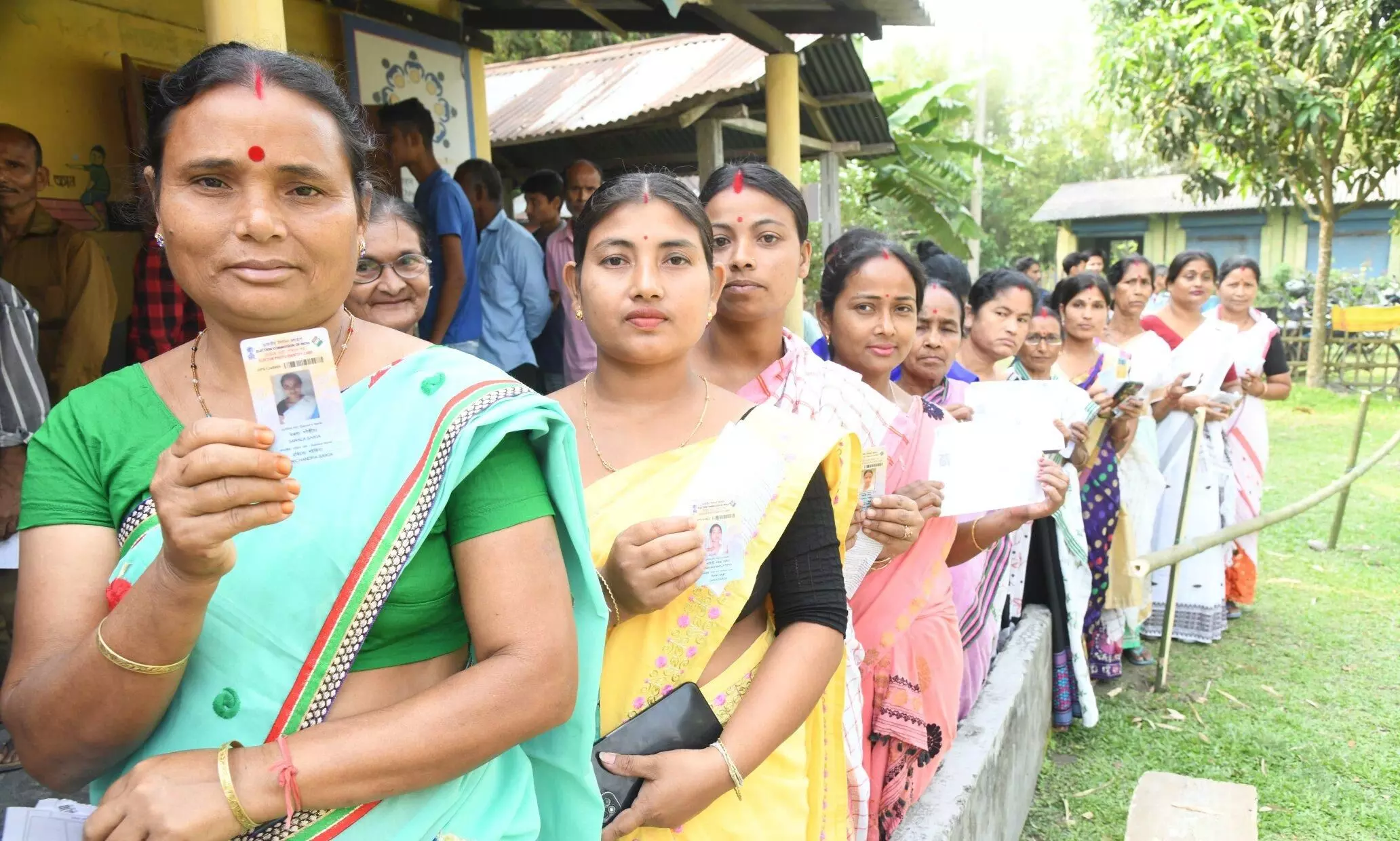
May 2025 emerged as one of the most decisive and information-rich months of the year for Assam. It was a period when economic vision and grassroots democracy unfolded side by side, offering students and aspirants valuable material across economy, polity, governance, and development themes.
The month was headlined by the Advantage Assam 2.0 Summit, which played a major role in shaping Assam’s long-term economic and strategic narrative. Unlike routine government conferences, this summit reflected clear intent, direction, and outcome-oriented planning. It signalled that Assam was no longer presenting itself as a state waiting for investments, but as one actively creating opportunities.
The central message was simple yet powerful. Development would be driven by proactive governance rather than dependency. For aspirants, this reflects a shift in development philosophy that can be linked to topics such as cooperative federalism, state-led growth, and competitive federalism.
One of the major highlights of the summit was its strong focus on industrial expansion. Priority sectors such as manufacturing, agro-based industries, logistics, and infrastructure were showcased. Emphasis was placed on policy stability, land availability, and ease of doing business. These areas are frequently tested in questions related to economic development and governance reform.
Another important theme was clean energy and sustainable growth. Discussions covered renewable energy potential, green industrial zones, and long-term energy security. This aligns closely with national objectives related to climate action and sustainable development, making it useful for integrated answers combining economy and environment.
The summit also highlighted Assam’s strategic geographical position as a gateway to Southeast Asia. Connectivity projects, trade corridors, and cross-border economic opportunities were discussed in detail. For students, this links directly with the Act East Policy, regional cooperation, and strategic geography.
From a national perspective, Assam’s role in India’s broader development agenda was reinforced. Possibilities related to defence manufacturing, logistics hubs, and infrastructure-driven growth models were explored. These discussions elevated Assam’s relevance beyond the regional level and positioned it as a contributor to national economic resilience.
Assam Panchayat Elections 2025
Alongside economic planning, May 2025 was also crucial from a democratic and governance perspective due to the conduct of the Assam Panchayat Elections. The elections were held in two phases across multiple districts, marking an important exercise in grassroots democracy.
These elections are highly relevant for competitive exams because they demonstrate the functioning of local self-government under the Panchayati Raj system. They highlight citizen participation at the village level, decentralised governance, and the role of elected local bodies in rural development.
For aspirants, this event can be linked to:
- Panchayati Raj institutions
- Decentralisation and democratic participation
- Role of State Election Commissions
- Rural governance and development planning
The peaceful conduct of the elections also reflected administrative preparedness and electoral management, reinforcing themes of free and fair elections at the grassroots level.
Why May 2025 Is Important for Competitive Exams
For exam preparation, May 2025 stands out because:
- Investment summits are key sources of current affairs questions
- Panchayat elections provide real examples of decentralised democracy
- It highlights Assam’s integration with national and international economic policies
- It connects geography with economic and strategic planning
- It offers strong examples for answers on industrial development, governance, and federalism
May 2025 can be remembered as the month when Assam combined economic ambition with democratic practice. It was not just about announcements or promises, but about intent, participation, and long-term planning. For students and aspirants, this month offers rich and multidimensional material to strengthen answers related to the economy, polity, governance, and development strategy.
June 2025: Legislative Debates and Social Reform in Assam
June 2025 was a politically and socially significant month for Assam. The Assam Legislative Assembly remained highly active, with intense debates on social reform, cultural protection, and governance priorities. Unlike months dominated by infrastructure or economic planning, June focused on defining the social direction of the state.
One of the most discussed issues during this period was the proposal related to anti-polygamy legislation. The government initiated serious discussion on regulating or discouraging the practice through legal and policy measures. This debate is important for aspirants because it connects multiple exam themes such as personal laws, gender justice, social reform, and constitutional morality.
Alongside this, the Assembly also deliberated on cultural protection laws, particularly those aimed at preserving indigenous identity, language, and traditions. Assam’s demographic diversity makes such discussions highly sensitive and politically important. These legislative efforts reflected the state’s attempt to balance modernisation with cultural preservation.
A question often arises in exams and interviews. Why does social legislation matter as much as economic growth? The answer lies in governance philosophy. Development is not limited to roads, factories, and industries. A society progresses when laws promote dignity, equality, and fairness, especially for vulnerable groups. June 2025 clearly demonstrated this principle in action.
The debates were detailed and sometimes intense. Opposition voices raised concerns about constitutional validity, implementation challenges, and social impact. Supporters argued that reform was necessary to ensure justice and social harmony. For students, this provides strong content for analytical answers, where multiple viewpoints are expected.
Other Exam-Related Developments in June 2025
June also witnessed discussions on:
- Strengthening women-centric policies
- Reviewing the legal framework for social welfare schemes
- Enhancing administrative coordination between departments
- Addressing concerns related to minority rights and inclusion
These discussions are useful for topics related to Indian polity, social justice, governance ethics, and federalism. Aspirants can also link these developments to constitutional provisions such as Article 14, Article 15, and Directive Principles of State Policy.
Why June 2025 Is Important for Competitive Exams
For exam preparation, June 2025 is important because:
- It highlights the role of state legislatures in social reform
- It provides examples of policy debates and law-making processes
- It connects governance with ethics and inclusiveness
- It helps in writing balanced answers with pros and cons
- It strengthens essays on society, culture, and constitutional values
June 2025 can be remembered as a month when Assam actively debated the kind of society it wants to build. Inclusive yet rooted. Progressive yet respectful of tradition. For aspirants, this month offers valuable material to enrich answers in polity, social issues, and governance-related questions.
July 2025: Administrative Restructuring and Early Election Signals
July 2025 emerged as an important month for understanding how governance systems prepare for political transitions. The Assam government carried out a major reshuffle of Indian Administrative Service officers, leading to the transfer and reassignment of several senior and mid-level officials across departments.
While administrative reshuffles are a routine part of governance, this particular exercise attracted attention due to its timing and scale. With the Assam Legislative Assembly elections scheduled for 2026, the changes were widely seen as an effort to strengthen administrative efficiency and ensure effective policy implementation in key sectors.
From an examination perspective, this event is relevant under topics such as civil services, public administration, governance reforms, and election preparedness. The reshuffle involved departments related to education, home affairs, revenue, rural development, and urban governance, indicating a strategic focus on areas that directly impact public service delivery.
A question often discussed in public administration courses is whether administrative reshuffles actually influence governance outcomes. In practice, they do. Such transfers help place experienced officers in departments facing complex challenges. Youth employment, education reform, law and order management, and welfare delivery require administrators who can respond quickly and decisively. July 2025 provided a real example of this administrative logic.
Governance and Electoral Context
July also witnessed an increase in political activity as parties began internal preparations for the upcoming elections. Though formal campaigning had not yet begun, policy positioning, organisational restructuring, and constituency-level assessments were underway. For aspirants, this is important to understand the link between administration and electoral cycles.
The month also reinforced the principle of administrative neutrality. Despite political changes on the horizon, civil servants were expected to function within the framework of the Constitution, ensuring continuity, stability, and impartial service delivery. This theme is frequently tested in ethics and governance-related questions.
Why July 2025 Matters for Competitive Exams
For students and aspirants, July 2025 is important because:
- It illustrates the role of civil services in governance
- It highlights administrative preparedness before elections
- It provides real-world examples for public administration answers
- It connects bureaucracy with policy execution
- It supports ethics-related discussions on neutrality and accountability
July 2025 can be remembered as a month when Assam quietly adjusted its administrative machinery to meet future political and governance challenges. For competitive exam preparation, it offers valuable insights into how state administration functions during periods of transition.
August 2025: Rising Political Activity and Democratic Engagement in Assam
August 2025 marked a visible shift in Assam’s political atmosphere. With the Assam Legislative Assembly elections scheduled for 2026, political activity across the state intensified. While formal election dates were yet to be announced, the groundwork for the electoral battle clearly began during this month.
Political parties became more active at the district and constituency levels. Alliance discussions, internal party meetings, and leadership positioning gained momentum. Narratives around development, identity, governance, and future vision started taking shape. For aspirants, this phase is important because it reflects how pre-election political mobilisation unfolds in a democratic system.
Campaign strategies were being quietly designed. Party organisations focused on strengthening booth-level networks, reviewing voter data, and reconnecting with grassroots workers. Public meetings, outreach programmes, and roadshows increased across several districts. These activities are relevant for exam topics related to electoral politics, political parties, and democratic processes.
From a governance perspective, August also highlighted the role of the Election Commission and administrative machinery in maintaining neutrality. Although elections were still months away, discussions around the Model Code of Conduct, voter awareness, and electoral preparedness began entering public discourse. This provides useful context for answers on free and fair elections.
An important development during this period was the growing political awareness among students and young voters. Universities, colleges, and civil society platforms witnessed increased discussions on policy issues rather than only personalities. Young citizens began questioning manifestos, governance records, and long-term development plans. This shift is significant for exams because it shows the evolving nature of democratic participation in India.
It is important to note that this rise in political activity did not indicate disorder. Instead, it reflected democratic vibrancy. Debate, disagreement, and public engagement are essential features of a healthy democracy. August 2025 demonstrated how political competition can coexist with constitutional processes and institutional stability.
Why August 2025 Is Important for Competitive Exams
For students and aspirants, August 2025 is relevant because:
- It illustrates the early stages of election preparation
- It highlights the role of political parties and alliances
- It connects governance with electoral accountability
- It provides examples of democratic participation
- It supports answers on Indian democracy and political awareness
August 2025 can be remembered as the month when Assam’s political landscape began actively preparing for the future. It encouraged deeper public engagement and reinforced the idea that democracy is not limited to polling day but is a continuous process. For competitive exam preparation, this month offers strong material for polity, governance, and essay writing.
September 2025: The Loss of a Cultural Icon and Collective Grief in Assam

September 2025 became one of the most emotionally defining moments of the year for Assam. This was the month when the social and cultural atmosphere of the state changed abruptly. A sense of shock, silence, and collective mourning spread across regions, cutting across age, profession, and political beliefs.
On 19 September 2025, Assam lost one of its most influential cultural figures, Zubeen Garg. He passed away unexpectedly while in Singapore, where he had travelled for a cultural programme. The news reached Assam within hours and triggered an unprecedented public response.
Zubeen Garg was not only a singer or performer. His music reflected everyday emotions such as love, loss, resistance, pride, and social concern. For decades, his songs had been part of homes, student hostels, protest gatherings, cultural stages, and private moments alike. As a result, his death felt deeply personal to millions.
The public reaction was massive. Streets witnessed silent gatherings, candlelight vigils, and long queues of mourners. Educational institutions temporarily paused regular activities as students and teachers came together to pay tribute. Even political debates and public events were toned down, reflecting rare collective restraint and respect.
From an examination perspective, September 2025 is important not only as a cultural event but also as a case study of social cohesion and collective identity. The manner in which people responded highlighted the role of artists in shaping regional consciousness and social unity.
As the days passed, discussions around the circumstances of his death intensified. Demands for clarity, official communication, and transparency grew louder. The government responded by initiating formal procedures and assuring the public of due process. This phase is relevant for exam topics related to public accountability, state response to public sentiment, and crisis communication.
Cultural and Social Significance for Exams
For students and aspirants, this month provides strong material for:
- Essays on culture and identity
- Answers on the role of artists in society
- Topics related to soft power and cultural influence
- Social psychology and collective behaviour
- Governance response during emotionally charged situations
A deeper question also emerged during this period. What happens when a society loses someone who symbolised its voice for decades? September 2025 offered a clear answer. Such a loss brings people together, forces reflection, and often reshapes cultural memory.
Why September 2025 Matters for Competitive Exams
September 2025 is important because:
- It highlights the cultural dimension of current affairs
- It shows how public sentiment influences governance
- It offers examples of collective identity and social unity
- It strengthens the essay and the ethical answers
- It connects art, society, and public life
September can be remembered as the month when Assam paused, reflected, and mourned together. For aspirants, it serves as a reminder that current affairs are not only about policies and numbers but also about people, emotions, and shared history.
October 2025: Cultural Resilience and Collective Memory in Assam
October 2025 presented a deeply reflective phase for Assam. The month carried a quiet contradiction. While grief from the previous month still lingered in public memory, cultural life in the state did not fade. Instead, it transformed into a medium of remembrance, expression, and healing.
One of the major cultural highlights of the month was the Guwahati Literature Festival. Writers, poets, scholars, and readers gathered to celebrate Assam’s literary heritage and contemporary voices. The festival emphasised regional literature, multilingual expression, and intellectual dialogue. For students, this event is important under topics such as cultural heritage, literary traditions, and knowledge dissemination. Literature festivals play a key role in preserving language, encouraging critical thinking, and promoting cultural continuity.
The festival also demonstrated how cultural platforms can remain active even during periods of collective sorrow. Discussions on history, identity, and society gained deeper meaning in the context of recent events. This made the festival not only a celebration of literature but also a space for reflection.
At the same time, cinema emerged as another powerful medium of collective memory. The final film of Zubeen Garg, titled Roi Roi Binale, was released across Assam. The response was overwhelming. Cinema halls witnessed long queues, not just from film enthusiasts but from people who wished to pay tribute through participation.
The screenings turned theatres into shared emotional spaces. Applause, silence, and remembrance blended. This moment is important for exams because it highlights the role of cinema and the arts in shaping social memory. Cultural expressions often become tools through which societies process loss and preserve their legacy.
Exam Relevant Cultural and Social Insights
October 2025 offers strong content for:
- Essays on culture as a unifying force
- Answers on literature and cinema as social institutions
- Topics related to soft power and cultural resilience
- Understanding collective memory and public sentiment
- The role of festivals in education and cultural transmission
From an academic viewpoint, this month demonstrates that culture does not exist in isolation. It responds to social realities and, in turn, influences how societies heal and move forward.
Why October 2025 Matters for Competitive Exams
For students and aspirants, October 2025 is significant because:
- It shows how cultural institutions function during social crises
- It highlights the educational value of literature and cinema
- It supports answers on identity, heritage, and collective memory
- It strengthens ethics and essay writing content
- It links art with society and governance indirectly
October 2025 can be remembered as a month when Assam chose expression over silence. Through literature and cinema, the state honoured memory while continuing its cultural journey. For competitive exam preparation, this month provides valuable insights into how culture sustains society during emotionally challenging times.
November 2025: Public Mobilisation, Policy Debates, and Democratic Expression
November 2025 stood out as a month of heightened public engagement in Assam. Political discussions grew more intense, and public participation became visibly stronger. Citizens expressed their views not only through formal debates but also through demonstrations, public meetings, and organised protests.
People took to the streets for multiple reasons. Some gatherings were cultural in nature, aiming to protect regional identity and heritage. Others were issue-based, demanding accountability from authorities on matters such as governance, security, and administrative decisions. This mix of celebration and protest reflected the complex nature of democratic expression in a diverse society like Assam.
From an examination perspective, November 2025 is important because it illustrates how public opinion influences policy discourse. The debates that emerged during this month did not remain confined to Assam alone. They connected with broader national discussions on internal security, migration, border management, cultural preservation, and identity politics.
These themes are highly relevant for competitive exams. Students frequently encounter questions related to democracy, federalism, multiculturalism, and national integration. November 2025 provides real-life context to understand how these abstract concepts operate on the ground.
The government response during this period focused on maintaining law and order while allowing democratic expression. This balance between civil liberties and public order is a recurring topic in polity and ethics papers. Aspirants can use examples from this month to explain constitutional rights such as freedom of speech and assembly, along with reasonable restrictions imposed by the state.
Exam Relevant Themes from November 2025
Key topics that students should note include:
- Role of protests in a democracy
- Public accountability and governance
- Internal security and social stability
- Migration and identity-related debates
- Federal and state-level policy interaction
November also highlighted the increasing political awareness among citizens. Public discussions were not limited to slogans but extended to policy implications and long term consequences. This shift is important for understanding the evolving nature of democratic participation in India.
Why November 2025 Matters for Competitive Exams
For students and aspirants, November 2025 is significant because:
- It provides real examples of democratic engagement
- It strengthens answers on civil rights and public order
- It connects state issues with national policy debates
- It supports essay writing on democracy and governance
- It helps explain the role of citizens in shaping policy
November 2025 can be remembered as a month when Assam’s public pulse was clearly visible. Debate, dissent, and dialogue came together to reflect a functioning democracy. For competitive exam preparation, this month offers valuable material to write balanced, grounded, and mature answers on polity and society.
December 2025: Infrastructure Milestones, National Leadership, and Future Directions

December 2025 brought Assam’s eventful year to a strong and symbolic close. The month reflected both achievement and reflection. Major infrastructure milestones, high-level political engagement, and renewed environmental debates together shaped Assam’s outlook as it prepared to step into the next year.
One of the most significant events of the month was the visit of Narendra Modi to Assam. During this visit, the Prime Minister inaugurated the new terminal of Lokapriya Gopinath Bardoloi International Airport. The upgraded terminal was designed to handle a much larger passenger capacity and showcased Assamese cultural motifs in its architecture.
From an examination perspective, this development is important under topics such as infrastructure development, regional connectivity, tourism promotion, and centre-state relations. Improved air connectivity strengthens Assam’s integration with national and international markets and supports economic growth, tourism, and employment generation.
December also marked renewed attention on Assam’s strategic connectivity projects. Bogibeel Bridge, India’s longest rail and road bridge, completed another year of operation. Since its inauguration, the bridge has transformed mobility across the Brahmaputra, improving defence logistics, trade movement, and regional integration in the northeastern states. For aspirants, Bogibeel Bridge is a key example under geography, infrastructure, and national security-related questions.
Urban development featured prominently during this month as well. Municipal authorities discussed and approved new parking infrastructure plans to ease traffic congestion in growing urban centres like Guwahati. Land allocation decisions for public and religious infrastructure, including the proposal for a Lord Venkateswara temple, reflected Assam’s evolving urban and cultural landscape. These developments are relevant for questions on urbanisation, town planning, and cultural diversity.
However, December was not only about celebration and expansion. Environmental concerns once again entered public debate. Discussions around elephant train collisions, habitat fragmentation, and wildlife protection measures gained attention. These debates reinforced an important governance lesson. Development must move alongside environmental responsibility. For exams, this provides strong material for answers on sustainable development, human-wildlife conflict, and conservation policy.
Key Exam Relevant Themes from December 2025
Students and aspirants should note the following:
- Role of infrastructure in regional development
- Importance of air and rail connectivity in national integration
- Centre-state cooperation in development projects
- Urban planning challenges in growing cities
- Environmental protection alongside economic growth
Why December 2025 Matters for Competitive Exams
December 2025 is important because:
- It consolidates the year’s development narrative
- It provides examples for infrastructure and governance answers
- It highlights Assam’s strategic importance at the national level
- It links growth with environmental responsibility
- It helps in writing strong year-end analytical essays
December 2025 can be remembered as a month of reflection and readiness. Assam looked back at what it had achieved and looked ahead at the responsibilities that come with progress. For competitive exam preparation, this month serves as a perfect conclusion, tying together infrastructure, leadership, governance, and sustainability into a single coherent narrative.
Assam in 2025: What Does It Teach Us?
If you are an aspirant, this is the larger takeaway you should hold on to.
Assam in 2025 was never a single narrative. It unfolded as a series of interconnected experiences shaped by loss, governance decisions, economic ambition, cultural expression, and social resilience. Each event influenced the other, creating a complex but meaningful picture of a state in transition.
The year taught lessons through contrast. Assam mourned the loss of a cultural icon who gave voice to collective emotion, while at the same time it participated in national conversations on growth, infrastructure, and strategic importance. Grief did not stop progress. Progress did not erase memory. Both existed together.
It was a year where investment summits and budget announcements stood alongside the creation of new protected forests and national parks. Development moved forward, but so did environmental awareness. Policy choices increasingly reflected the understanding that economic growth and ecological balance cannot be separated.
Inside legislative halls, debates shaped the social and political direction of the state. Outside, literature festivals, film screenings, and public gatherings kept cultural life active and relevant. These spaces became classrooms of their own, where ideas about identity, justice, and belonging were quietly taught and absorbed.
Every moment carried a lesson. Some were loud and visible. Others were subtle and administrative. Together, they showed that history does not unfold only in capital cities or courtrooms. It unfolds in classrooms where students debate policy, in theatres where stories are remembered, in fields where livelihoods depend on rivers and land, and in streets where citizens express hope, anger, and aspiration.
So when you ask what happened in Assam in 2025, you are really asking how a society learns, adapts, and prepares for the future. You are asking about the heartbeat of a state that was discovering new rhythms while staying connected to its roots.
And if one thing is certain, it is this. The events of 2026 and beyond will not emerge in isolation. They will grow directly from the experiences, decisions, and lessons of 2025.