What Happened in India 2025? The Complete Year That Changed Everything

What Happened in India 2025?
Did you know that 2025 was the year India introduced its most ambitious AI governance framework while also facing one of the worst heatwaves in recorded history? Yes, that was the kind of year it turned out to be. Confusing at times, difficult in many ways, and completely packed with developments that are likely to appear in competitive exams from UPSC to banking.
Thank you for reading this post, don't forget to subscribe!I have been following Indian current affairs for more than a decade, and I can say this clearly. 2025 was not an ordinary year. It was the kind of year that could make or break an exam preparation strategy. Students who stayed updated with fast-changing events managed their prelims and mains well. Those who did not learned the hard truth that current affairs can no longer be ignored.
Here is the reality of preparing for competitive exams today. You cannot just read headlines and move on. You need to understand what happened and why it mattered. You need background, links between topics, and a clear understanding that can turn an average answer into one that stands out in front of the examiner.
So now, let us go through everything that happened in India during 2025, step by step, month by month, and event by event, in a way that truly helps your exam preparation.
Month-Wise Major Events in India 2025
| Month | Major Events & Developments |
|---|---|
| January | Trump’s second inauguration affects Indo-US ties; Severe cold wave in North India; Republic Day preparations; Budget session begins; ISRO announces Gaganyaan mission timeline |
| February | Union Budget 2025 presented; Electoral bonds verdict implementation; Pradhan Mantri Rashtriya Krishi Vikas Yojana expansion; National Science Day celebrations; Agricultural reforms package announced |
| March | Financial year-end activities; State assembly elections in three states; Holi celebrations; New cybersecurity bill introduced; World Water Day initiatives; Digital India 2.0 expansion |
| April | New FY 2025-26 begins; Climate Action Plan 2.0 launched; GST Council meeting – rate revisions; Tamil New Year and regional festivals; Heat wave early warnings issued; Educational reforms implementation phase 2 |
| May | Lok Sabha discusses foreign policy changes; Monsoon forecast predictions; Labour Day – minimum wage revisions; Cyclone preparedness in coastal states; India-Middle East relations strengthened |
| June | Monsoon onset in Kerala; International Yoga Day celebrations; GST completes 8 years – review meeting; Supreme Court judgments on environmental cases; New education policy progress reports |
| July | Kharif sowing season begins; Parliamentary monsoon session; Independence Day preparations; Flood management in Assam and Bihar; New industrial policy framework announced |
| August | 78th Independence Day celebrations; Quit India Movement anniversary; Defense sector reforms announced; Sports policy revisions; Raksha Bandhan economic boost analyzed |
| September | Teachers’ Day and education sector review; G20 legacy projects progress; Navratri preparations boost economy; Agricultural produce prices monitored; Hindi Diwas celebrations |
| October | Gandhi Jayanti and Swachh Bharat updates; Dussehra festivities; State elections announced for five states; Winter session preparations; Air quality deterioration concerns |
| November | Diwali celebrations and economic indicators; COP29 participation; Stubble burning crisis peaks; Constitution Day celebrations; New cybersecurity threats addressed |
| December | Winter session of Parliament; Year-end economic review; Christmas celebrations; Budget 2026 preparations begin; National energy security dialogue; Year-end performance reports across ministries |
January 2025: The Year Begins With Global Shifts

January began with global attention focused on Washington, DC. Donald Trump’s second inauguration was not just news from the United States. It had clear implications for India as well. Changes in US leadership often influence India’s foreign policy thinking, especially on issues like H1B visas, trade relations, and defence cooperation.
This global angle is important for international relations preparation. Topics such as India-US relations, the Quad grouping, and Indo-Pacific strategy gained fresh relevance. Trump’s unpredictable political style meant India had to adjust its diplomatic approach carefully. Understanding this helps in writing better essays and handling interview questions with confidence.
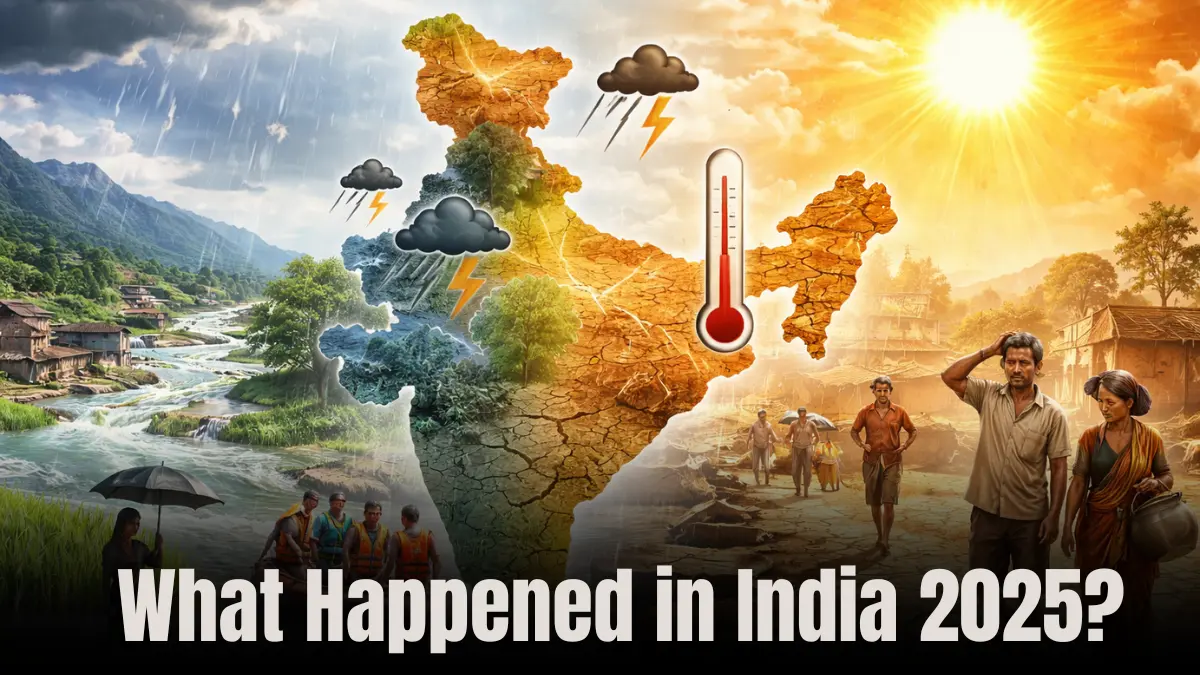
Back in India, the situation was very different. North India experienced a severe cold wave. States like Delhi, Uttar Pradesh, Punjab, and Haryana saw extremely low temperatures. In some cities, temperatures fell close to zero. For geography and disaster management preparation, such weather extremes are important to track. The India Meteorological Department issued repeated warnings. Schools were closed, and shelters for the homeless were stretched to their limits.
Republic Day preparations gathered pace through the middle of January. The parade showcased new defence equipment, cultural displays from different states, and key government achievements. This part is often overlooked by students. Republic Day themes usually reflect government priorities, which makes them useful signals for possible exam questions.
ISRO attracted attention with fresh updates on the Gaganyaan mission. The timeline for India’s human spaceflight programme became clearer. Details about astronaut training and technological progress were shared. For science and technology sections, space missions are always important. Knowing their objectives, timelines, and innovations can give you an edge.
The Budget Session of Parliament began in the final week of January. The Finance Ministry started discussions with various stakeholders ahead of the budget. Work on the Economic Survey also picked up pace. These steps may seem routine, but they quietly shape the direction of economic policy for the entire year.
February 2025: Budget Highlights and Electoral Reforms
February brought the moment every aspirant waits for, the Union Budget. The Finance Minister presented Budget 2025 26 on February 1. This month was filled with numbers, priorities, and policy signals that regularly appear in economy-related questions. Capital expenditure, tax changes, sector-wise allocations, and fiscal deficit targets all came into focus once again.
I have noticed that budget analysis clearly separates serious aspirants from casual readers. It is not enough to know how much money was allocated. You must understand why those choices were made. Infrastructure received strong attention this year. Railways, highways, and digital infrastructure saw major increases in funding. The government continued its push for capital expenditure, keeping it close to 3.3 per cent of GDP.
Tax reforms also drew attention. Changes were made to the new tax regime to make it more attractive. The standard deduction was increased, and investment limits under certain schemes were expanded. For banking and SSC exams, questions on taxation are very common, so keeping track of the latest changes is essential.
The agricultural sector saw a clear boost, with allocations rising by around 12 per cent. The Pradhan Mantri Rashtriya Krishi Vikas Yojana received additional funding. Support for farmer welfare schemes, irrigation projects, and agricultural research increased. These allocations should be linked with broader goals like food security and rural development when writing answers.
February also saw the continued implementation of the Electoral Bonds judgment. After the Supreme Court’s earlier decision, steps were taken to improve transparency in political funding. Political parties began disclosing donor details. This development is highly relevant for polity and ethics papers, as questions on electoral reforms, political finance, and transparency appear frequently.
National Science Day was observed on February 28. Scientific achievements were celebrated, awards were announced, and the government’s direction on science and research was highlighted. Throughout the year, it is important to track major scientific progress, research developments, and changes in technology policy for exam preparation.
March 2025: Elections, Finances, and Digital Expansion
March is always a busy month, and 2025 was no different. It marked the end of the financial year. Companies closed their accounts, tax filings increased, and government departments hurried to use the funds allocated to them. This yearly process may look routine, but understanding how the financial year works, how budgets are spent, and how public money is managed is very important for administrative and civil services exams.
State assembly elections took place in three states during this month. The Election Commission handled the entire process, from announcing the schedule to conducting polling and counting votes. For polity preparation, this period is useful for revising electoral procedures, the constitutional role of the Election Commission, and election-related laws. You should also pay attention to voting trends and political alliances, as these often come up in main answers and interviews.
The Digital India 2.0 initiative expanded further in March. Several new digital services were launched, and existing e-governance platforms became more integrated. Digital payments continued to grow across the country. At the same time, concerns about online safety and data misuse increased, which pushed the government to think more seriously about cybersecurity. The link between technology and governance is a popular exam theme, and questions on digital governance, cybersecurity, and technology policy appear across many exams.
Actually, let me clarify something here. It is no longer enough to simply know that a scheme or initiative exists. You must understand how it is being implemented, how many people it is reaching, what problems it faces, and what results it has delivered. Surface-level knowledge is rarely sufficient now.
In March, a new Cybersecurity Bill was introduced in Parliament. It focused on data protection, security of critical infrastructure, and how the country should respond to cyber threats. The legal and constitutional aspects of cybersecurity are becoming increasingly important. You should understand the main features of the bill, concerns related to privacy, and the balance between security and individual rights.
World Water Day was observed on March 22. It brought attention to water conservation efforts across the country. Progress under schemes related to water management, river rejuvenation, and the Jal Jeevan Mission was reviewed. Environmental questions often focus on water resources, including conservation methods, water disputes, and long-term management strategies.
Holi celebrations added colour and energy to the month, but they also sparked discussions on water usage, the environmental impact of chemical colours, and the need for more sustainable ways of celebrating festivals. These links between culture and environment are useful for essay writing and interview discussions.
April 2025: New Beginnings and Climate Action
April began with the start of the new financial year. From April 1, fresh budgets came into effect, new schemes were rolled out, and policy decisions moved into the implementation stage. Government departments began working on their annual plans. Understanding how these fiscal cycles operate is helpful when answering questions related to public administration and financial management.
One of the major developments in April was the launch of Climate Action Plan 2.0. This plan was built upon India’s earlier climate commitments and presented a clearer roadmap toward achieving net-zero emissions by 2070. Targets for renewable energy were increased, strategies to promote electric vehicles were strengthened, and the green hydrogen mission received greater emphasis.
For environmental and ecological preparation, climate policy cannot be ignored. Topics such as India’s commitments under the Paris Agreement, Nationally Determined Contributions, expansion of renewable energy capacity, and emission reduction measures regularly appear in exam questions. It is also important to follow India’s climate diplomacy, international cooperation on climate issues, and how these policies are implemented within the country.
The GST Council met in the middle of April. Discussions focused on revising tax rates for certain goods, simplifying compliance, and resolving revenue-sharing concerns between the Centre and the states. A clear understanding of the constitutional structure of GST, how the Council takes decisions, and how fiscal federalism works is useful for both the polity and the economy.
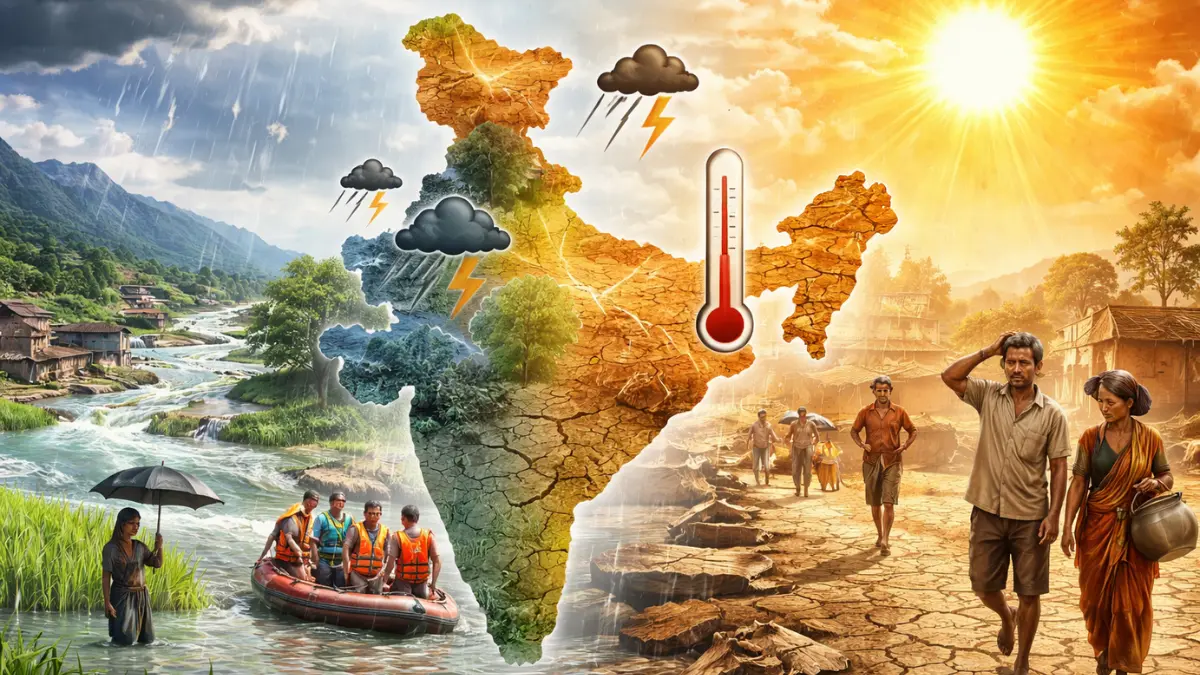
April also saw the early arrival of heat waves. Many states recorded temperatures above 40 degrees Celsius much earlier than usual. The India Meteorological Department issued heat wave warnings, and disaster management systems were put on alert. For geography and disaster management sections, it is important to understand why heat waves occur, which regions are most vulnerable, their impact on health and livelihoods, and how such risks can be reduced.
Educational reforms entered the second phase of implementation during this month. Several provisions of the National Education Policy 2020 began to take shape at the ground level. New curriculum structures, teaching methods, and assessment patterns were introduced in schools. Tracking how the policy is being implemented is important, as education reform is a frequent topic in essays, interviews, and main examinations.
May 2025: Diplomacy, Weather, and Labour Rights
May saw a lot of activity in India’s foreign policy. The country strengthened its relations with nations in the Middle East through high-level visits and new agreements. Energy security remained a key reason behind closer ties with Gulf countries. Defence cooperation with Israel also continued. To answer international relations questions well, it helps to understand India’s Middle East policy, including how India balances relations with Arab countries and Israel, manages energy imports, protects the interests of Indians working abroad, and secures its long-term strategic goals.
During this month, the monsoon forecast was released by the India Meteorological Department. It predicted normal to above normal rainfall. This was not just weather-related news. It had economic importance as well. Agriculture planning, water management, electricity generation, and inflation control all depend heavily on how the monsoon performs. For better answers, you should always link weather patterns with their economic and social impact.
Labour Day on May 1 brought renewed attention to workers’ rights. Several states announced revisions in minimum wages. The status of implementation of the new labour codes was reviewed. There were also discussions on the rights of workers in the gig economy and the need for social security for people working in the unorganised sector. Labour welfare is a topic that appears across the economy, polity, and essay papers. You should be familiar with the four labour codes, their key provisions, and the challenges faced in putting them into practice.
Cyclone preparedness became a major focus for coastal states. The Bay of Bengal showed early signs of cyclone formation. Teams from the National Disaster Response Force were placed on alert, evacuation plans were prepared, and early warning systems were tested. Questions on disaster management appear regularly in exams, so it is important to understand how cyclones form, which regions are most vulnerable, and how preparedness and response systems work.
Consider this for a moment. Every May brings uncertainty before the monsoon. The northern plains deal with extreme heat, coastal regions stay alert for cyclones, and the northeastern states receive pre-monsoon showers. This wide climatic variation across regions is itself important for exams. Instead of memorising isolated facts, focus on understanding these broader patterns.
June 2025: Monsoon Arrival and Social Initiatives

June brought long-awaited relief for farmers across the country with the arrival of the monsoon in Kerala. The southwest monsoon reached the Kerala coast on June 1, right on time. From that point onward, its movement across different parts of India was closely monitored. Rainfall patterns, water levels in reservoirs, and the start of sowing activities all depended on how the monsoon progressed.
For geography preparation, understanding the monsoon system is essential. You should know how the monsoon forms, how it moves across the country, what factors influence it, and how rainfall varies from region to region. Questions often connect the monsoon with agriculture, the economy, water availability, and disaster situations like floods and droughts, so these links are important to remember.
International Yoga Day was celebrated on June 21 with large-scale participation across India and abroad. Discussions focused on the health benefits of yoga, India’s use of yoga as a tool of soft power, and the global recognition of traditional knowledge systems. Cultural elements in international relations are increasingly relevant and can add value to answers in mains and interviews.
The Goods and Services Tax system completed eight years in June. A detailed review meeting was held to assess its performance so far. Revenue collections were analysed, challenges faced by businesses were discussed, and the need for simplifying tax rates was debated. For economic preparation, it is important to understand the full journey of GST, from its introduction to its present form. You should also be clear about the constitutional amendments that enabled GST, the role and structure of the GST Council, revenue sharing between the Centre and the states, and the impact of GST on India’s federal structure.
During this month, the Supreme Court delivered several important judgments related to environmental protection. These included matters concerning forest conservation, wildlife protection, pollution control, and environmental clearances for development projects. Legal and constitutional aspects of environmental governance appear regularly in polity and environment papers, so keeping track of major court rulings is important.
The education sector also released progress reports on recently introduced policies. Reviews were conducted on school education, higher education, skill development programmes, and research performance. Understanding reforms in the education sector, the challenges faced during implementation, and the results achieved is useful when answering questions related to social sector development.
July 2025: Agriculture, Parliament, and Flood Management
July marked the beginning of the Kharif sowing season. Farmers across different parts of India started sowing crops such as rice, cotton, pulses, and oilseeds. The pace of sowing largely depended on how the monsoon progressed. For agriculture and economy-related questions, data on crop area, production estimates, and announcements related to minimum support prices are all important.
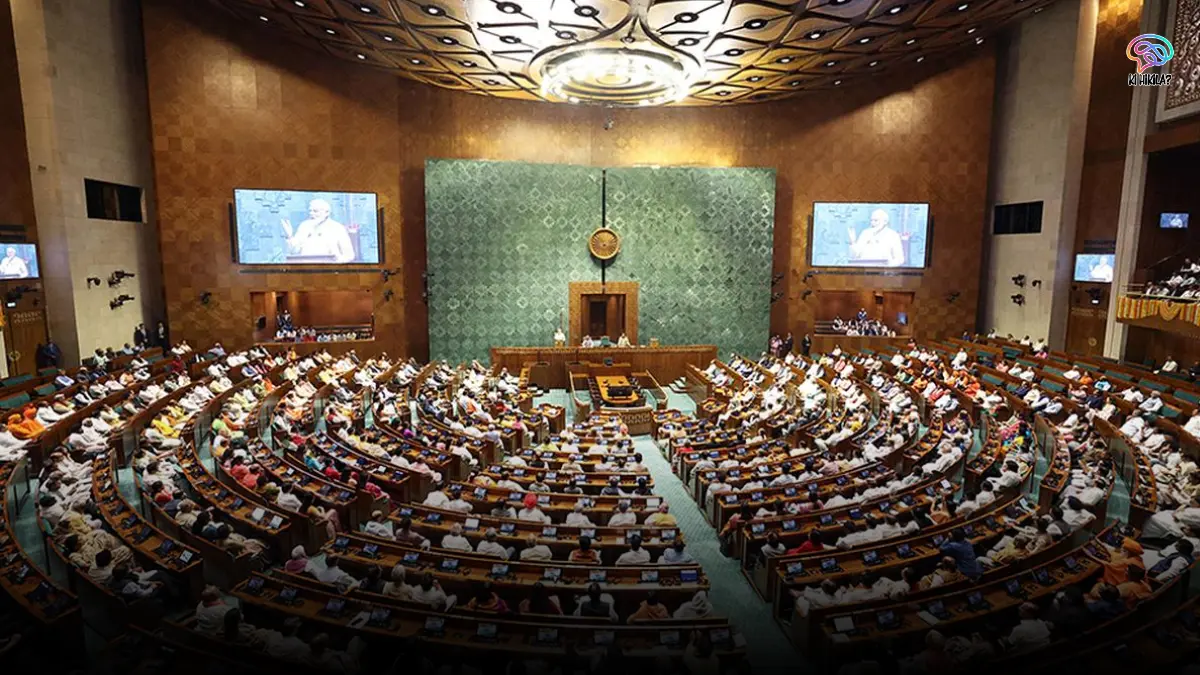
The monsoon session of Parliament began during this month with a busy agenda. Several bills were introduced, and important policy discussions took place. The opposition raised a range of issues, leading to debates inside both Houses. For polity preparation, it is essential to understand how Parliament functions, including its different sessions, the process of passing bills, the role of parliamentary committees, and relevant constitutional provisions. Throughout the year, you should keep track of major bills that are introduced or passed.
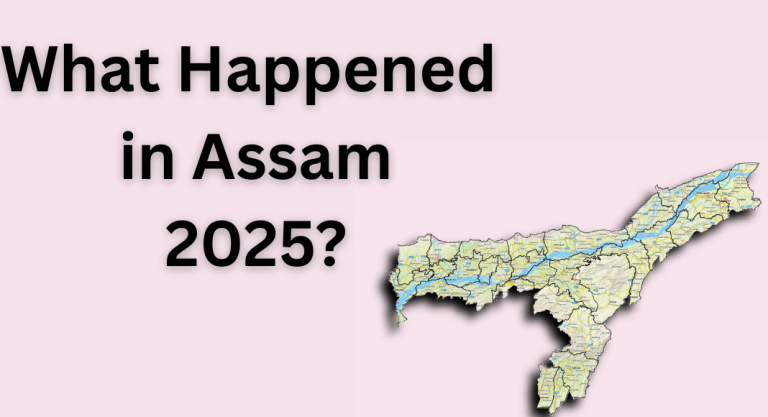
In July, Assam and Bihar were affected by severe floods. Rivers such as the Brahmaputra crossed danger levels, forcing thousands of people to leave their homes. Relief and rescue operations were carried out by state authorities and disaster response teams. Flooding in these states is an annual challenge and highlights the limits of current disaster management systems. Questions on floods often focus on their causes, the regions most at risk, methods of flood control, and long-term rehabilitation efforts. Management of floods in the Brahmaputra basin is a topic that appears repeatedly in exams.
A new Industrial Policy Framework was announced to boost manufacturing growth. The government outlined plans to expand Production Linked Incentive schemes, improve the ease of doing business, and introduce reforms for specific sectors. For economy-related answers, it is important to understand such policy initiatives, their objectives, and the outcomes they are expected to deliver.
Preparations for Independence Day gathered pace toward the end of July. Cultural events were planned, security arrangements were strengthened, and work on the Prime Minister’s address was finalised. These preparations are not just ceremonial. They often reflect the government’s priorities and achievements, which can be useful indicators for exam questions.
August 2025: Independence Day, Defence Reforms, and Festivities
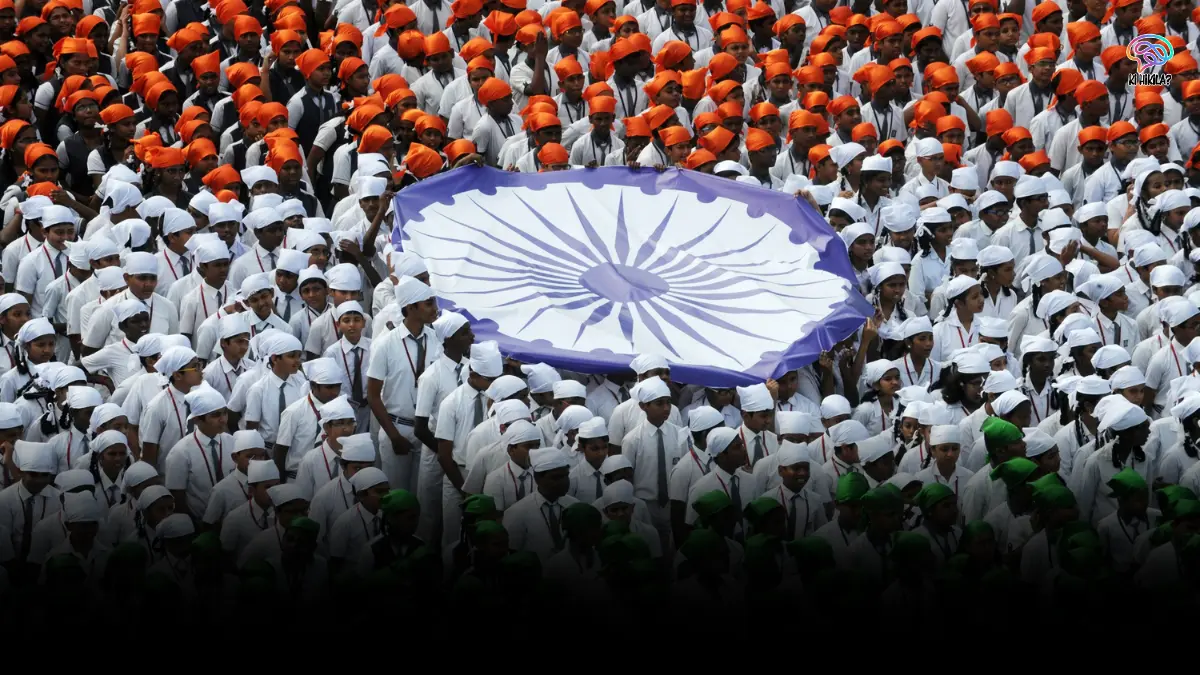
August was marked by the celebration of India’s 78th Independence Day on August 15. The Prime Minister’s speech from the Red Fort is essential reading for aspirants every year. In 2025, the speech focused on technology-driven development, empowering the youth, and strengthening India’s role on the global stage. Major government achievements were highlighted, and a vision for the future was shared. These speeches often lead directly to questions in prelims, mains, and interviews, so they should never be skipped.
The anniversary of the Quit India Movement on August 9 brought attention back to India’s freedom struggle. Topics from modern Indian history frequently appear in exams, especially major movements, important leaders, and turning points in the independence movement. History may seem separate, but it connects closely with polity and culture, making it an important area to revise regularly.
During this month, several defence sector reforms were announced with a strong focus on self-reliance. Indigenous defence manufacturing received renewed support, procurement procedures were simplified, and cooperation with the private sector was strengthened. The push for Atmanirbhar Bharat in defence continued to gain momentum. For exams, it is important to understand defence modernisation, indigenisation of equipment, and the idea of strategic autonomy, especially for questions related to internal security and international relations.
Sports policy also saw important changes aimed at improving India’s performance at the Olympic level. Support systems for athletes were strengthened, sports infrastructure development picked up speed, and scientific training methods were promoted. Although sports may appear less important, questions related to sports policy, major international tournaments, and India’s achievements do appear in exams, particularly in general awareness sections.
Raksha Bandhan contributed to increased economic activity during the festive period. Analysts looked at spending patterns driven by festivals, especially in the retail sector. Studying the festival economy helps in understanding seasonal consumption trends, sector-specific growth, and short-term economic indicators, which can add depth to economy-related answers.
September 2025: Education, Development Projects, and Festival Economy
Teachers’ Day on September 5 brought the education sector into focus. Discussions took place on teacher training programmes, salary structures, working conditions, and recruitment systems. A strong education system depends heavily on the quality of teachers, and this link is often tested in exams. Questions on education reforms frequently include issues related to teachers, their training, and institutional support.
Progress was also seen in G20 legacy projects during this month. Infrastructure created during India’s G20 presidency began serving long-term purposes. International convention centres, improved airports, and upgraded urban facilities continued to benefit the cities that hosted G20 events. India’s leadership role during the G20 presidency in 2023 has had lasting effects, and questions related to the G20, multilateral institutions, and India’s global role appear regularly in examinations.
Preparations for Navratri started boosting economic activity across several sectors. Consumer demand increased, manufacturing activity picked up, and seasonal employment opportunities expanded. The festival economy is an important concept for exams, as it helps explain seasonal changes in consumption, economic indicators, and sector-wise performance.
Agricultural markets were closely monitored as the Kharif harvest approached. Expectations around crop arrivals influenced prices, and preparations for Minimum Support Price operations were made. For economy and agriculture-related answers, it is important to understand how agricultural pricing works, how the MSP system operates, how procurement is carried out, and how the government tries to stabilise prices.
Hindi Diwas was observed on September 14, highlighting both the promotion of Hindi and the importance of linguistic diversity in India. Language policy, constitutional provisions related to official languages, and the formation of linguistic states are important topics in polity. Issues such as the Three Language Formula, classical language status, and linguistic rights also feature in exam questions.
October 2025: Gandhi Jayanti, Festivals, and Election Season
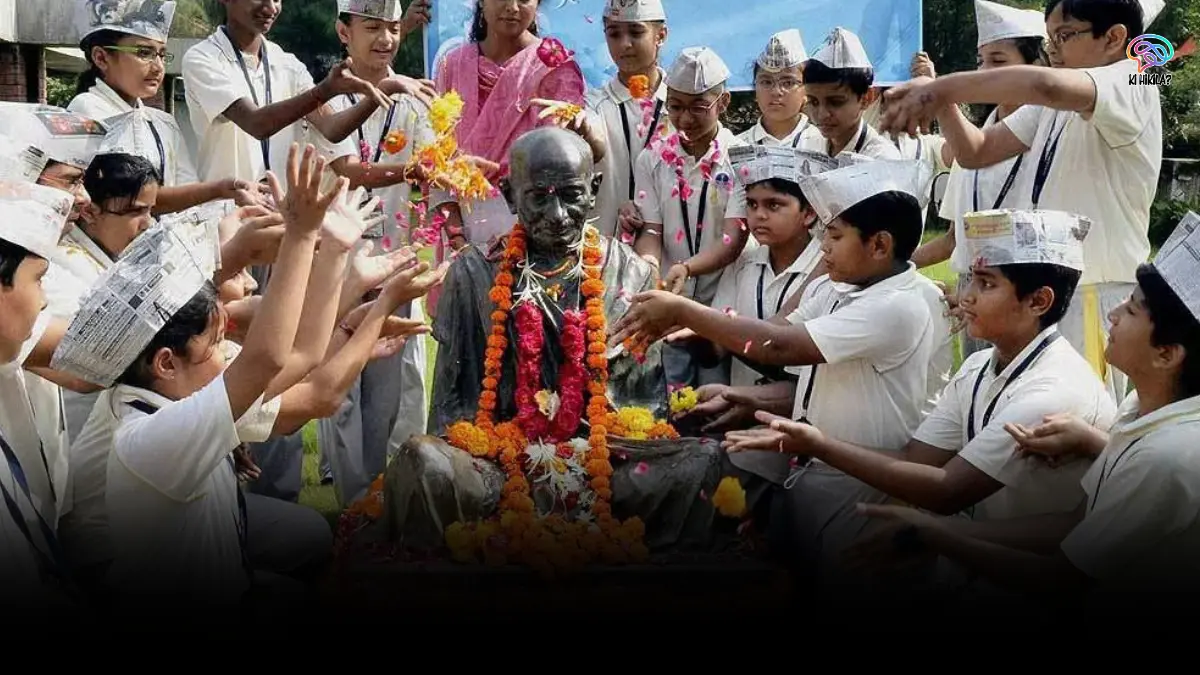
October began with Gandhi Jayanti on October 2, which brought renewed attention to the Swachh Bharat Mission. The progress of cleanliness drives was reviewed, updated sanitation coverage data was released, and improvements in waste management systems were assessed. Swachh Bharat is a flagship government scheme and appears regularly in questions related to social sector development and public health.
Dussehra celebrations marked the peak of the festive season. During this period, economic indicators such as consumer spending, manufacturing output, and activity in the service sector were closely observed. For economy-related answers, understanding how festivals influence seasonal economic patterns can add useful analytical depth.
This month also marked the beginning of the election season, as state elections were announced for five states. The Election Commission issued notifications, enforced the Model Code of Conduct, and released election schedules. These procedural steps are important for policy preparation. Topics such as electoral processes, the powers of the Election Commission, and election-related legal provisions are fundamental areas that appear frequently in exams.
Preparations for the winter session of Parliament started in October. The government finalised its legislative agenda, while the opposition planned its strategy. Parliamentary committees reviewed pending bills and reports. A clear understanding of parliamentary procedures, the law-making process, and constitutional provisions related to Parliament is essential for answering polity questions effectively.
Concerns about air quality began to rise in North India as winter approached. Early signs of pollution were observed, and the stubble burning season was nearing. Authorities are prepared to implement the Graded Response Action Plan to control pollution levels. Air pollution is an important topic in environmental-related questions, and answers should cover its causes, health effects, control measures, and policy responses.
November 2025: Diwali, Climate Conferences, and Constitutional Values

November was dominated by Diwali celebrations across the country. As India’s biggest festival, Diwali also became a key period for economic analysis. Retail sales increased sharply, demand for gold rose, automobile purchases picked up, and bookings in the real estate sector improved. This festival-driven consumption plays an important role in annual economic growth, making the festival economy a useful concept for economic-related questions.
India also took part in the COP29 climate conference during this month. The country clearly presented its national position on climate change. India highlighted the need for climate finance, access to clean technologies, and fair sharing of responsibility by developed countries. For environment and international relations preparation, it is important to understand global climate negotiations, India’s stand, the debate around historical emissions, and the idea of climate justice.
The stubble burning problem reached its peak in Punjab and Haryana in November. Air quality levels in the Delhi NCR region fell into the hazardous category. The Supreme Court intervened, and the government announced urgent measures to control the situation. This issue appears in exams almost every year. Students should understand the causes of stubble burning, its environmental and health impacts, possible alternatives for farmers, and the policy steps taken to address the problem.
Constitution Day was observed on November 26 to mark the adoption of the Indian Constitution. The occasion highlighted core constitutional values, fundamental rights and duties, Directive Principles of State Policy, and the importance of constitutional amendments. For polity preparation, Constitution Day offers a good opportunity to revise important articles and provisions. Exam questions often connect this day with specific constitutional themes or amendments.
During the month, new cybersecurity challenges were also addressed. Government agencies strengthened digital security systems, cooperation with the private sector increased, and efforts were made to protect critical infrastructure. Cybersecurity is an emerging area in competitive exams. It is important to understand different types of cyber threats, the national cybersecurity approach, and the institutions responsible for digital security.
December 2025: Year-End Reviews and Future Planning
December focused on review, reflection, and preparation for the year ahead. The winter session of Parliament took place during this month and dealt with several important pieces of legislation. Many bills were passed, and discussions related to the upcoming budget were held. Parliamentary standing committees also submitted their reports. For polity preparation, understanding how Parliament functions, including its sessions, committee system, and law-making process, is essential. Students should keep track of major laws passed throughout the year.
A detailed year-end economic review was released, offering a broad assessment of the economy. Key indicators such as GDP growth, inflation trends, fiscal deficit levels, performance of the external sector, and growth across different sectors were examined. At the same time, work on the Economic Survey for the next year’s budget began. These reviews bring together important data and analysis, making them extremely useful for revision before exams.
Christmas celebrations took place peacefully across the country, reflecting India’s pluralistic and inclusive culture. Themes such as cultural diversity, religious harmony, and constitutional secularism are often examined in essays and ethics papers. These values also feature in questions related to national integration and social cohesion.
Preparations for Budget 2026 gained momentum in December. Different ministries submitted their expenditure proposals, and consultations were initiated by the Finance Ministry. Economic priorities for the coming year were identified. A clear understanding of how the budget is prepared, the tools of fiscal policy, and overall economic management helps greatly in answering economic-related questions.
Discussions on national energy security also took place during this month. Issues such as dependence on petroleum imports, the shift towards renewable energy, and the role of strategic petroleum reserves were addressed. Energy security is a topic that cuts across the economy, environment, and international relations. Students should understand India’s energy mix, import dependence, and plans for long-term energy transition.
Year-end performance reports released by various ministries highlighted achievements across sectors. These reports documented how government schemes were implemented, how targets were met, and what challenges remained. Such reports are extremely valuable for exam preparation, especially for questions related to government schemes and policy outcomes. Tracking the progress of major schemes across different sectors can significantly strengthen answers.
Key Government Schemes and Initiatives of 2025
Several government schemes stood out in 2025 and played an important role in shaping policy outcomes. PM KISAN continued to expand its coverage, and payout levels were improved, offering better income support to farmers. The Direct Benefit Transfer system became more efficient, helping reduce leakages and ensure that benefits reached the intended recipients. Ayushman Bharat expanded further, bringing health insurance coverage to a larger number of people. Allocation for MNREGS increased, reflecting continued efforts to address rural distress and provide employment. The Jal Jeevan Mission also crossed important milestones by expanding access to safe drinking water in many parts of the country.
Production incentive schemes across multiple sectors delivered visible results. Manufacturing activity increased in areas such as electronics, pharmaceuticals, automobiles, and textiles. These schemes helped boost exports, generate employment, and reduce dependence on imports. Over time, the impact of PLI schemes became useful examples of how targeted industrial policy can support economic growth and self-reliance.
The Smart Cities Mission entered its final stage of implementation in 2025. Progress was seen in urban infrastructure development, digital connectivity, and efforts toward more sustainable and liveable cities. With rapid urbanisation, questions related to urban development are becoming more common in exams. Understanding the idea behind smart cities, the challenges faced during implementation, and the outcomes achieved is therefore important.
Actually, let me be clear about one thing here. Preparing schemes for exams is not just about memorising their names. What really matters is understanding their objectives, how they are implemented, the problems they face, and the results they produce. Government schemes are closely linked with polity through Centre-state relations and constitutional provisions, with the economy through budgetary support and sectoral growth, and with social issues such as inclusion, equity, and welfare.
Bills and Legislative Developments
Several important bills were introduced and passed in 2025, shaping the legal and policy landscape of the country. The Cybersecurity Bill focused on dealing with digital threats, protecting personal data, and securing critical infrastructure. The Telecommunications Bill aimed to modernise rules related to communication services, while the Broadcasting Bill updated media regulations to reflect changes in the digital environment.
Implementation of major criminal law reforms continued throughout the year. New laws such as the Bharatiya Nyaya Sanhita, Bharatiya Nagarik Suraksha Sanhita, and Bharatiya Sakshya Adhiniyam replaced long-standing colonial-era laws. For polity and ethics preparation, it is important to understand why these reforms were introduced, what key changes they brought, and how they affect the justice system and citizens’ rights.
During 2025, proposals for constitutional amendments were also discussed. These amendments addressed issues related to reservation policies, cooperative societies, and improving administrative efficiency. Questions related to constitutional amendments appear regularly in exams, so students should be clear about the amendment process, the relevant constitutional provisions, and the broader implications of each proposed or enacted amendment.
Protests and Social Movements
Concerns raised by farmers over a legal guarantee for Minimum Support Price continued during 2025. Protests occurred at different times and locations, although they were largely scattered. The government engaged in talks with farmer groups and made policy announcements aimed at addressing some of the issues. Agricultural distress, farmer movements, and government responses remain recurring themes in competitive exams. Students should understand what farmers are demanding, how the government has responded, and what long-term solutions could be considered.
Environmental activists also raised objections to several infrastructure projects, citing concerns about ecological damage. This led to an intensified debate between development needs and environmental protection. Courts intervened on multiple occasions, highlighting the legal dimension of environmental governance. This tension between economic growth and conservation is a classic topic that works well for essay writing and interview discussions.
Workers’ unions protested against privatisation in certain sectors, raising issues related to labour rights, job security, and working conditions. These concerns continued to influence public debate throughout the year. For economy and polity preparation, it is useful to understand labour movements, the rights of workers, and the broader framework of industrial relations in India.
Why 2025 Matters for Your Exam Preparation
What truly separates toppers from other students is not how many facts they remember, but how they think. Toppers do not simply collect information about 2025. They look for patterns, connect different topics, and build clear analytical frameworks. When an economy-related question appears, they naturally link budget allocations, sector-wise performance, global economic trends, and government policy decisions into one strong answer.
Consider a simple example. Imagine you are writing a main answer on the topic, discussing India’s climate policy in the context of its development needs. A basic answer would list government policies and schemes. A high-scoring answer would go further. It would connect Climate Action Plan 2.0 with renewable energy targets, international climate commitments, development priorities, energy security concerns, and global climate negotiations. This kind of integrated thinking makes a real difference.
You will notice that the developments of 2025 cut across all General Studies papers. Polity questions draw from new laws, constitutional developments, and governance initiatives. Economy questions rely on budget figures, sector-wise growth, and policy announcements. Environment questions focus on climate action, pollution challenges, and conservation efforts. International relations questions are built around diplomatic engagements and India’s role in global forums.
The key idea here is interconnectedness. One event rarely stands alone. The monsoon influences agriculture. Agriculture affects the rural economy. The rural economy shapes consumption patterns. Consumption impacts GDP growth. GDP growth affects government revenue and fiscal space. Fiscal space determines how much the government can spend on schemes. In this way, a single issue branches out into multiple subjects. Once you understand these links, writing better answers becomes much easier.
The Road Ahead
As 2025 unfolded, a few clear themes kept appearing again and again. Technology-driven development, a strong push for infrastructure, focus on social welfare, commitment to climate action, and the aim of playing a bigger global role shaped India’s direction throughout the year. For aspirants, these are not just current affairs topics. They act as frameworks for understanding India’s present challenges and future opportunities.
Your exam preparation should always link current affairs with static subjects. When you study polity, connect it with recent constitutional cases and amendments. When you prepare the economy section, use economic data and policy decisions from 2025 to strengthen your answers. While studying the environment, refer to recent climate actions, pollution challenges, and conservation efforts.
The events of 2025 will continue to influence exam questions for many years. Constitutional developments turn into polity questions. Economic policies shape the economy’s answers. Climate initiatives become environmental questions. Diplomatic activities form the basis of international relations questions. Broader trends often become essay topics.
Here is the most important takeaway. Do not treat current affairs as something separate from your main preparation. Everything is connected. Understanding what happened in India during 2025 is not about memorising events. It is about understanding the direction the country is moving in, recognising policy thinking, and building the ability to discuss complex issues with clarity and depth.
This is what competitive exams really test. Not memory alone, but understanding. Not just facts, but analysis. Not information, but insight. The year 2025 offered plenty of chances to develop these skills.
Keep studying, stay updated, and always remember this. Every current event you read today can become a question in tomorrow’s exam. Use it wisely.