Wildlife Conservation Day: Protecting Our Planet’s Precious Life

Wildlife Conservation Day is celebrated every year to raise awareness about the importance of protecting the diverse species that inhabit our planet. Our planet is home to millions of species of animals, birds, fish, and insects, and each one plays an important role in maintaining the balance of nature. Over the years, human activities such as deforestation, hunting, pollution, and climate change have severely threatened wildlife populations. Wildlife Conservation Day reminds us of our responsibility to protect these species and ensure that future generations can enjoy a rich and healthy natural world.
Thank you for reading this post, don't forget to subscribe!Importance of Wildlife Conservation Day
Wildlife is an essential part of the ecosystem. Every species, whether big or small, contributes to the balance of nature. For example:
- Predators like tigers and wolves help control the population of herbivores.
- Bees and other pollinators are crucial for plant reproduction, which affects food supply.
- Wetlands and forests, home to many species, act as natural filters for air and water.
When wildlife disappears, it disrupts these natural processes. Extinction of even a single species can create a chain reaction, affecting other plants and animals. Conservation efforts are therefore vital for environmental health, food security, and climate stability.
Threats to Wildlife
Human activities have caused several threats to wildlife. Some of the main threats include:
- Habitat Loss: Deforestation, urbanization, and agricultural expansion destroy natural habitats. Animals are forced to move or face extinction.
- Poaching and Illegal Trade: Many animals, like elephants and rhinos, are hunted for their tusks, horns, and skins. This illegal trade drastically reduces their numbers.
- Pollution: Plastic waste, chemical runoff, and industrial pollution harm animals. Aquatic species are particularly vulnerable to water pollution.
- Climate Change: Rising temperatures, changing rainfall patterns, and melting ice affect migration, reproduction, and survival of many species.
- Invasive Species: Introduction of non-native species disrupts local ecosystems and threatens native wildlife.
Understanding these threats helps us take action to prevent further damage and protect endangered species.
How Wildlife Conservation Day Helps
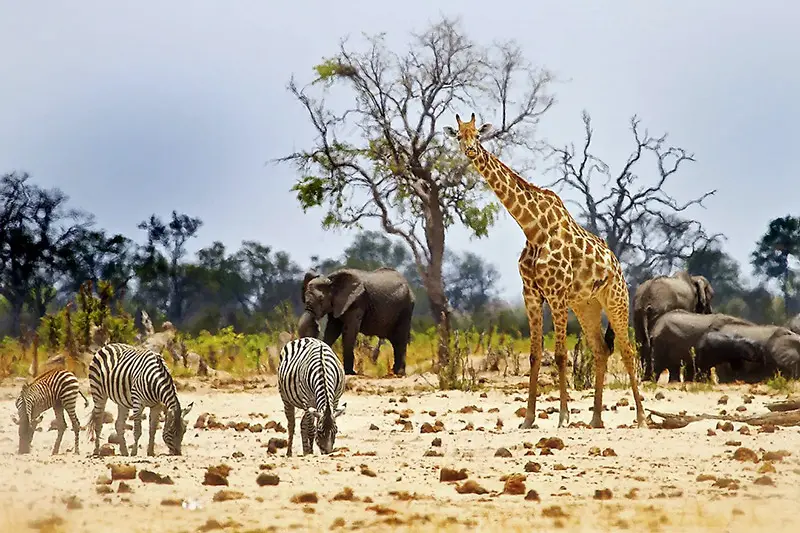
Wildlife conservation is not only about saving animals; it is about protecting life on Earth. Here’s how conservation helps:
- Maintains Ecosystem Balance: Conservation ensures that species continue to play their role in the ecosystem.
- Supports Biodiversity: Biodiversity is the variety of life in an area. A healthy biodiversity improves resilience to climate changes and diseases.
- Boosts Economy: Wildlife tourism brings revenue to many countries. Protected areas like national parks attract millions of tourists every year.
- Enhances Scientific Knowledge: Studying wildlife helps us understand ecosystems, behavior patterns, and environmental changes.
- Cultural Significance: Many communities have cultural and spiritual connections with wildlife. Protecting animals helps preserve traditions.
Methods of Wildlife Conservation
There are several ways to conserve wildlife, and governments, NGOs, and individuals all have a role to play. Some common methods include:
1. Protected Areas
Setting up wildlife sanctuaries, national parks, and biosphere reserves provides safe habitats for animals. These areas limit human interference and protect critical ecosystems. Examples include Kaziranga National Park in India and Yellowstone National Park in the USA.
2. Breeding Programs
Endangered species often need help to increase their populations. Captive breeding programs in zoos and reserves can help reintroduce species to the wild. The success story of the Indian gharial and the Siberian tiger are examples of breeding programs that saved species from extinction.
3. Anti-Poaching Measures
Governments and wildlife organizations implement strict laws and patrolling to prevent poaching. Using technology like drones, camera traps, and GPS tracking has made anti-poaching efforts more effective.
4. Awareness and Education
Educating communities about wildlife protection is essential. Schools, media, and social platforms can spread knowledge about the importance of animals and ecosystems. Awareness campaigns also discourage illegal hunting and habitat destruction.
5. Community Involvement
Local communities can play a key role in conservation. Eco-tourism, community forests, and conservation jobs provide incentives to protect wildlife while supporting livelihoods.
6. Legislative Support
Laws like the Wildlife Protection Act in India, Endangered Species Act in the USA, and international agreements like CITES help regulate hunting, trade, and habitat destruction. Legal frameworks provide a backbone for effective conservation efforts.
Role of Individuals in Wildlife Conservation
Every person can contribute to protecting wildlife. Some practical steps include:
- Reducing plastic use to prevent pollution.
- Planting trees and supporting green initiatives.
- Avoiding products made from endangered species.
- Supporting wildlife organizations and donations.
- Reporting illegal activities like poaching or deforestation.
- Educating children and friends about conservation.
Even small actions, when combined, make a big difference for the environment.
Success Stories in Wildlife Conservation
There have been many encouraging success stories:
- Bald Eagle in the USA: Once endangered, the bald eagle’s population recovered due to strict protection laws.
- Giant Panda in China: Habitat restoration and breeding programs helped increase the panda population.
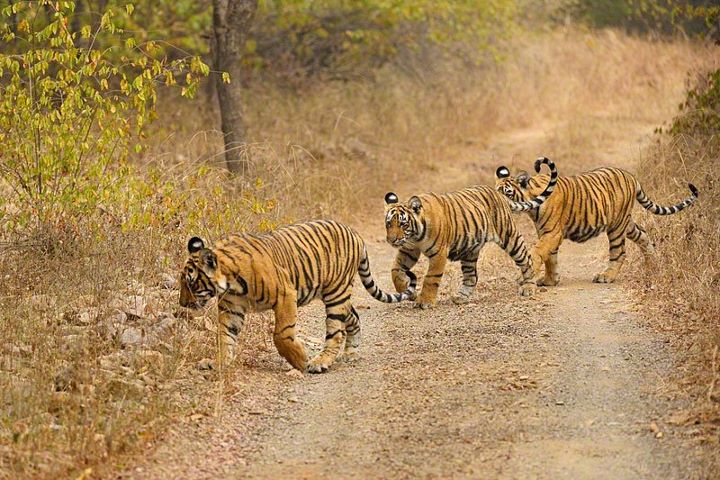
- Indian Tiger: India’s Project Tiger initiative has successfully increased the tiger population in national parks.
These examples show that conservation works when people and governments commit to protecting wildlife.
Challenges in Wildlife Conservation
Despite progress, there are still challenges:
- Lack of funds for conservation projects.
- Human-wildlife conflict in areas near forests.
- Corruption and weak law enforcement in some regions.
- Climate change affecting migration and breeding patterns.
Addressing these challenges requires global cooperation and long-term planning.
Global Efforts for Wildlife Conservation
Wildlife conservation is not limited to one country. International organizations work together to protect species:
- World Wildlife Fund (WWF): Focuses on endangered species, forests, oceans, and climate.
- United Nations Environment Programme (UNEP): Supports global conservation policies.
- Convention on Biological Diversity (CBD): Promotes biodiversity conservation and sustainable use.
These global efforts provide funding, research, and policy frameworks to protect wildlife worldwide.
Wildlife Conservation and Climate Change
Protecting wildlife is also essential for fighting climate change. Forests and wetlands store carbon, while healthy ecosystems prevent soil erosion and flooding. Conserving wildlife habitats helps the planet absorb greenhouse gases and maintain ecological balance.
How Schools and Youth Can Contribute
Schools play a key role in creating awareness among youth. Students can participate in:
- Wildlife clubs and eco-clubs.
- Field trips to national parks and reserves.
- Tree planting drives and clean-up campaigns.
- Online campaigns and wildlife competitions.
Educating the next generation ensures that conservation efforts continue in the future.
Celebrating Wildlife Conservation Day
Wildlife Conservation Day is observed to remind people of their duty towards nature. Activities on this day include:
- Tree planting programs.
- Wildlife photography and painting contests.
- Seminars and workshops about wildlife protection.
- Nature walks and awareness campaigns.
- Social media campaigns promoting wildlife protection.
Celebrating this day motivates individuals and communities to actively participate in conservation.
Iconic Species That Need Our Protection
Some animals are so iconic that their survival has become a symbol of conservation itself. Protecting them ensures that entire ecosystems are preserved.
- Tigers: Tigers are apex predators. India’s Project Tiger has helped increase their numbers from fewer than 2,000 in the 1970s to over 3,000 today. Protecting tigers also preserves forests where countless other species live.
- Elephants: Elephants maintain forest ecosystems by dispersing seeds. Poaching for ivory and habitat loss are their biggest threats. Wildlife corridors and anti-poaching measures are essential for their survival.
- Rhinos: The Indian rhinoceros in Assam and Nepal faced extinction due to poaching. Conservation efforts have brought their numbers back to over 3,000 in protected areas.
- Coral Reefs and Marine Life: While not “wildlife” in the terrestrial sense, coral reefs are home to thousands of species. Coral bleaching and overfishing threaten marine biodiversity. Conservation efforts include marine protected areas and sustainable fishing practices.
Wildlife Conservation in Urban Areas

Even cities can play a role in protecting wildlife. Urbanization often drives animals away, but certain initiatives can create harmony:
- Urban Parks and Green Spaces: Trees, ponds, and gardens provide habitats for birds, insects, and small mammals.
- Rooftop Gardens and Vertical Forests: Innovative architecture can host plants and attract urban wildlife like bees, butterflies, and birds.
- Awareness Campaigns: Cities can organize wildlife workshops, birdwatching groups, and clean-up drives to involve citizens.
By integrating wildlife-friendly spaces in urban planning, we can ensure coexistence between humans and nature.
Indigenous Communities and Wildlife Conservation
Indigenous communities have a deep connection with nature. Many tribes follow traditional practices that protect forests and wildlife:
- Sacred Groves: Certain forests are considered sacred and are protected from hunting and logging. These groves serve as biodiversity hotspots.
- Sustainable Hunting and Farming: Tribes practice controlled hunting, ensuring no species is overexploited. Traditional knowledge also helps in preserving medicinal plants and wildlife habitats.
- Cultural Festivals: Celebrations involving wildlife, like bird festivals or harvest rituals, raise awareness about the importance of nature.
Collaborating with indigenous communities enhances conservation outcomes while respecting cultural heritage.
Technological Innovations in Wildlife Conservation
Technology is transforming how we protect wildlife:
- Drones: Used for monitoring forests, tracking animals, and preventing poaching in hard-to-reach areas.
- Camera Traps: Help scientists study behavior patterns of nocturnal or elusive animals.
- GPS and Radio Collars: Allow tracking of migration patterns, territory ranges, and health of species.
- Artificial Intelligence (AI): AI models analyze data from cameras, satellites, and sensors to predict poaching threats and population trends.
- Genetic Research: DNA studies help in understanding genetic diversity and assist in breeding programs for endangered species.
These innovations make conservation more precise, proactive, and effective.
Wildlife Corridors and Migration
Many animals need large areas to migrate, find food, or breed. Habitat fragmentation is a major threat. Wildlife corridors paths that connect forests and protected areas allow safe movement. Examples include:
- Elephant Corridors in India: Connect fragmented forests to prevent human-elephant conflict.
- Tiger Corridors: Help tigers move between national parks, ensuring genetic diversity.
- Bird Flyways: Protect migratory routes for thousands of bird species globally.
Without such corridors, animals face starvation, inbreeding, and increased conflict with humans.
Role of International Treaties
Global cooperation is essential because wildlife doesn’t follow national boundaries. Key international treaties include:
- CITES (Convention on International Trade in Endangered Species): Regulates the trade of wildlife products to prevent extinction.
- Bonn Convention: Protects migratory species across countries.
- UN Sustainable Development Goals (SDGs): Goals like Life on Land (SDG 15) and Life Below Water (SDG 14) focus on preserving biodiversity.
Countries working together can prevent illegal wildlife trade, protect habitats, and share knowledge for better conservation.
Human-Wildlife Conflict: Challenges and Solutions
As humans expand into forests and natural habitats, conflicts arise:
- Crop Raiding by Elephants: Farmers lose crops, leading to retaliatory killings. Solutions include building barriers, early warning systems, and compensation schemes.
- Predators Near Villages: Tigers or leopards entering villages create fear. Awareness campaigns, watchtowers, and fencing reduce risks.
- Roads and Railways: Wildlife often gets hit by vehicles. Overpasses, underpasses, and speed control measures save lives.
Mitigating conflict ensures both human safety and wildlife survival.
The Role of Media in Wildlife Conservation
Media plays a vital role in spreading awareness:
- Documentaries: Films like Planet Earth and Our Planet show the beauty of wildlife and the threats they face.
- Social Media Campaigns: Hashtags, videos, and stories can reach millions instantly.
- News Coverage: Reporting on poaching, conservation successes, or illegal trade creates public pressure for action.
Media bridges the gap between wildlife experts and the general public, inspiring people to act.
Everyday Actions to Support Wildlife

Even small individual actions matter:
- Avoid single-use plastics to reduce pollution.
- Support local wildlife sanctuaries and NGOs.
- Grow native plants to provide food and shelter for birds and insects.
- Avoid buying products made from endangered species.
- Educate others, especially children, about wildlife importance.
- Participate in citizen science projects like bird counts or wildlife monitoring.
Collective small actions can create a massive positive impact over time.
Global Wildlife Conservation Events
Apart from Wildlife Conservation Day, many events promote awareness:
- World Wildlife Day (March 3): Highlights endangered species and biodiversity protection.
- Earth Day (April 22): Focuses on broader environmental protection, including wildlife.
- International Day for Biological Diversity (May 22): Promotes biodiversity awareness and conservation.
- World Environment Day (June 5): Engages communities globally in environmental and wildlife protection.
These events encourage countries, NGOs, and individuals to work together for a safer, greener planet.
Conclusion
Wildlife Conservation Day is a reminder that humans are responsible for the survival of countless species on Earth. Protecting wildlife ensures the balance of ecosystems, supports human well-being, and preserves the planet for future generations. Through awareness, education, and collective action, we can make a significant difference in conserving our natural heritage. Each effort, whether big or small, contributes to a world where humans and wildlife coexist in harmony.
FAQs about Wildlife Conservation Day
Q1: When is Wildlife Conservation Day celebrated?
A1: Wildlife Conservation Day is observed annually on December 4th.
Q2: Why is wildlife conservation important?
A2: It helps maintain ecosystem balance, supports biodiversity, combats climate change, and protects endangered species.
Q3: How can individuals contribute to wildlife conservation?
A3: By reducing plastic, planting trees, supporting wildlife organizations, avoiding products from endangered animals, and spreading awareness.
Q4: What are some threats to wildlife?
A4: Habitat loss, poaching, pollution, climate change, and invasive species are major threats to wildlife.
Q5: Can wildlife conservation benefit humans?
A5: Yes, it helps protect food sources, clean water, air quality, tourism income, and climate stability.