AI Stork Nest Tracking Helps Study Bird Behaviour

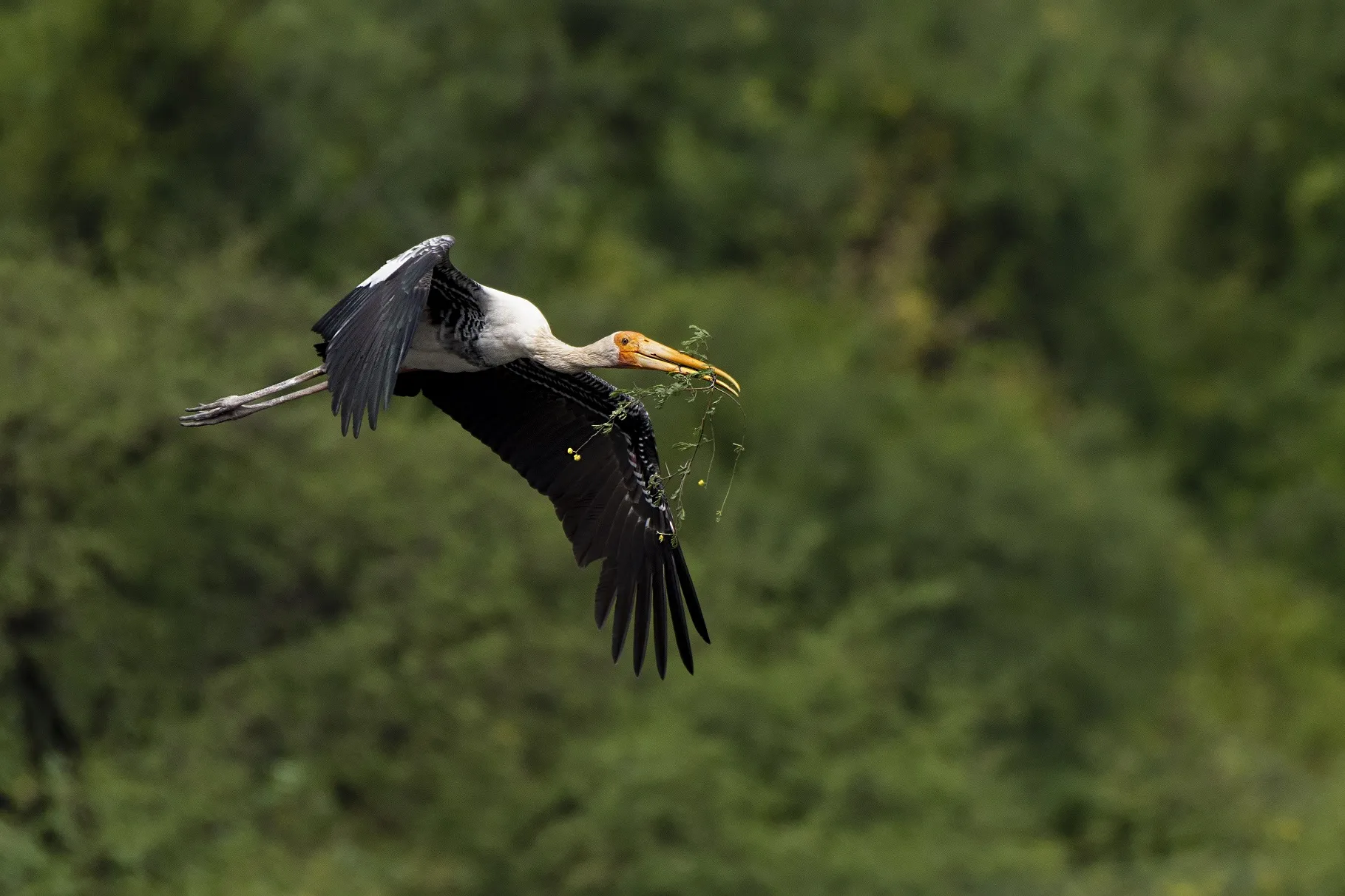
Researchers in India have used artificial intelligence to study the nesting behaviour of painted storks at the National Zoological Park in Delhi. This study shows how modern technology can help scientists observe wildlife without disturbing them. The focus was on a male stork named “Ringo,” tracked over four years from 2022 to 2025.
Thank you for reading this post, don't forget to subscribe!Study on Painted Stork Behaviour
Painted storks are social birds that live and nest in large groups. They often return to the same nesting spot every year, a behaviour known as nest site fidelity. Understanding this pattern is important for protecting bird habitats, especially in areas like zoos or cities.
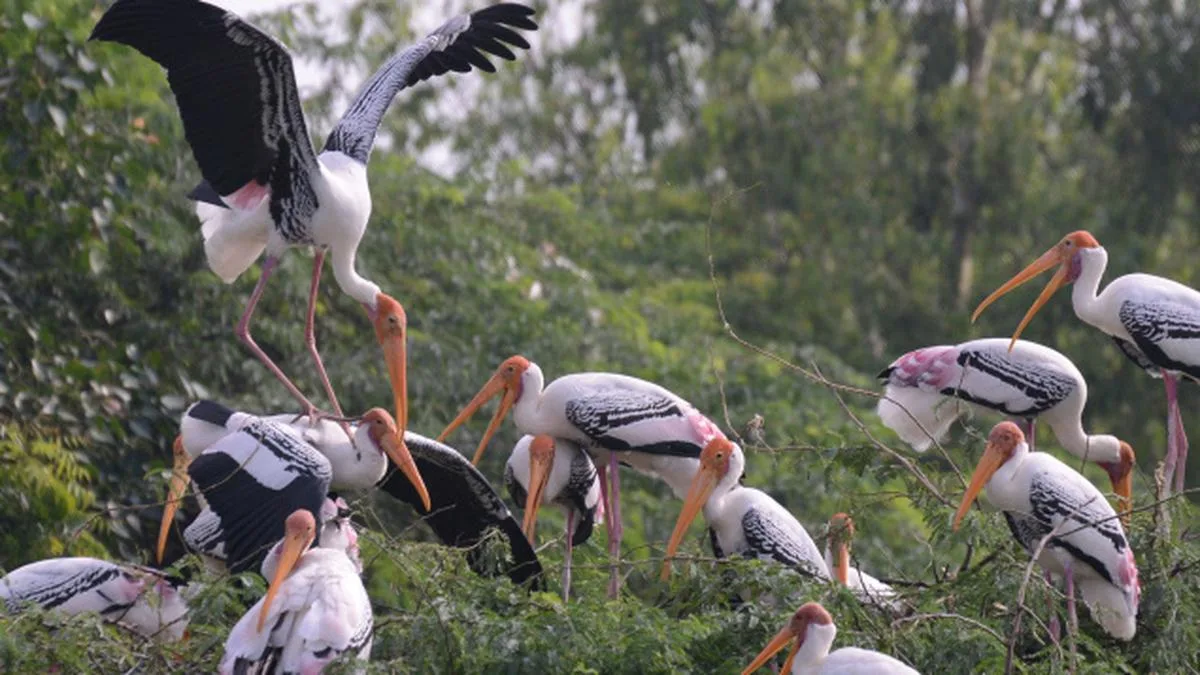
Image Data Collection
To track the stork, researchers collected 2,349 clear images of Ringo. These pictures showed different angles of the bird, including its wings and body patterns. They also gathered 1,755 images of other storks for comparison. A special scar on Ringo’s neck made it easier to identify him among the group.
AI Stork Nest Tracking with Technology
The study used advanced tools like deep transfer learning and the SIFT algorithm. These technologies help computers recognize patterns in images. The scar and feather designs acted as natural markers. The AI system was able to identify Ringo with 98% accuracy, confirming that he returned to the same nest each year.
Role of AI in Wildlife Monitoring
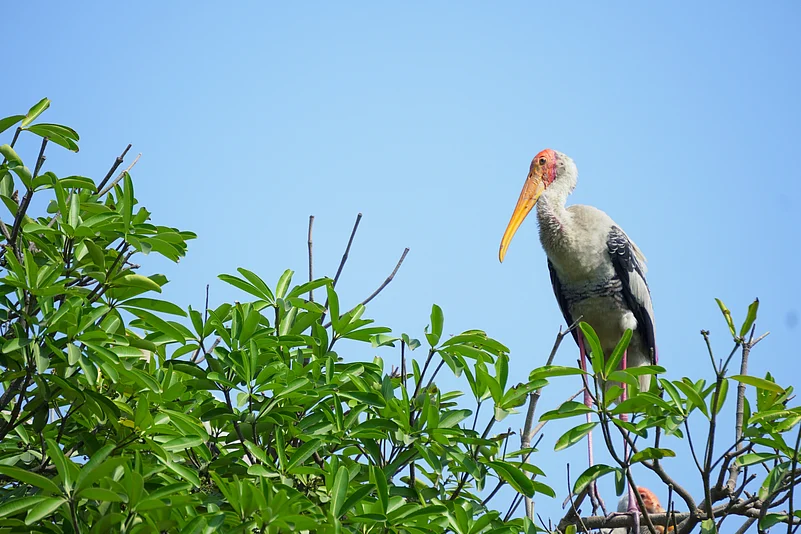
AI Stork Nest Tracking shows how non-invasive methods can help in wildlife research. Scientists no longer need to tag or disturb animals physically. This approach is safe and useful for studying sensitive species over long periods.
Importance for Conservation
This research highlights the growing use of AI in ecology. It helps experts understand animal behaviour better and supports conservation planning. Such methods can be used for other bird species and wildlife studies in the future.