Assam 3% Quota for Tea Tribes

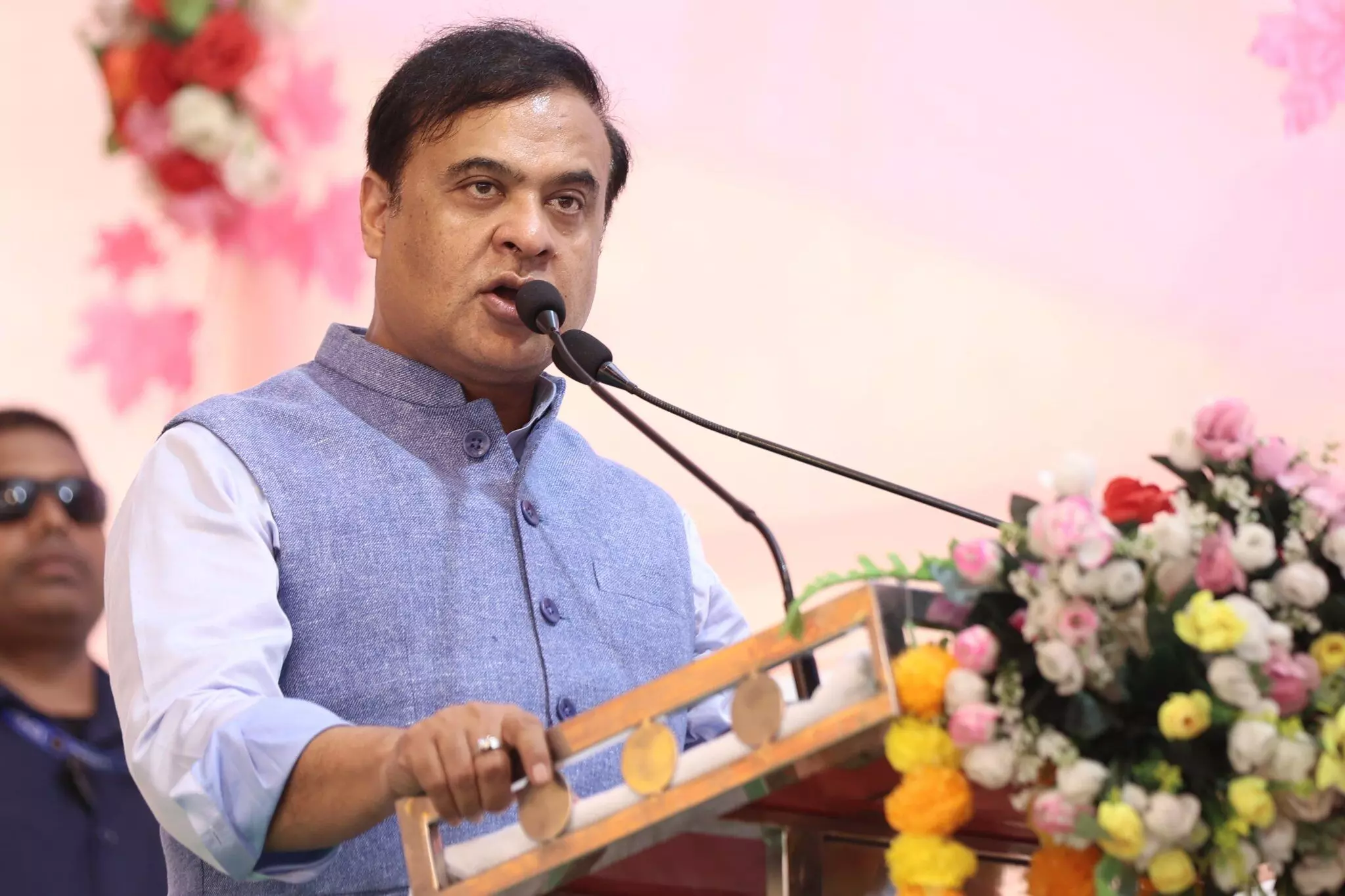
Assam 3% Quota has been approved by the state Cabinet, bringing an important change in government job reservations for Tea Tribes and Adivasi communities. The decision was announced by Chief Minister Himanta Biswa Sarma and comes just weeks before elections to the Assam Legislative Assembly.
Thank you for reading this post, don't forget to subscribe!Under the new policy, a 3% reservation has been granted in Class I and Class II state government jobs for Tea Tribes and Adivasis within the Other Backward Classes (OBC) category. This move expands opportunities for communities that have historically faced social and economic challenges in Assam.
Extension of Reservation to Higher Posts
Earlier, the reservation for Tea Tribes and Adivasis was limited to Grade III and Grade IV posts. These posts mostly included lower-level administrative and support positions. With the new Cabinet decision, the 3% quota will now apply to higher-level posts such as Grade I and Grade II positions.
This includes state civil services and even professorial posts in government institutions. By extending the reservation to higher posts, the government has opened doors for greater representation in decision-making roles and leadership positions.
The revised policy will apply to higher-level recruitments starting next year. However, for other posts that are already advertised, the new reservation provision will take effect immediately. This ensures that eligible candidates can benefit without long delays.
The decision marks a structural shift in employment access. For many families in Tea Tribe and Adivasi communities, this could mean improved income, stability, and social mobility.
Background of Tea Tribes and Adivasis in Assam
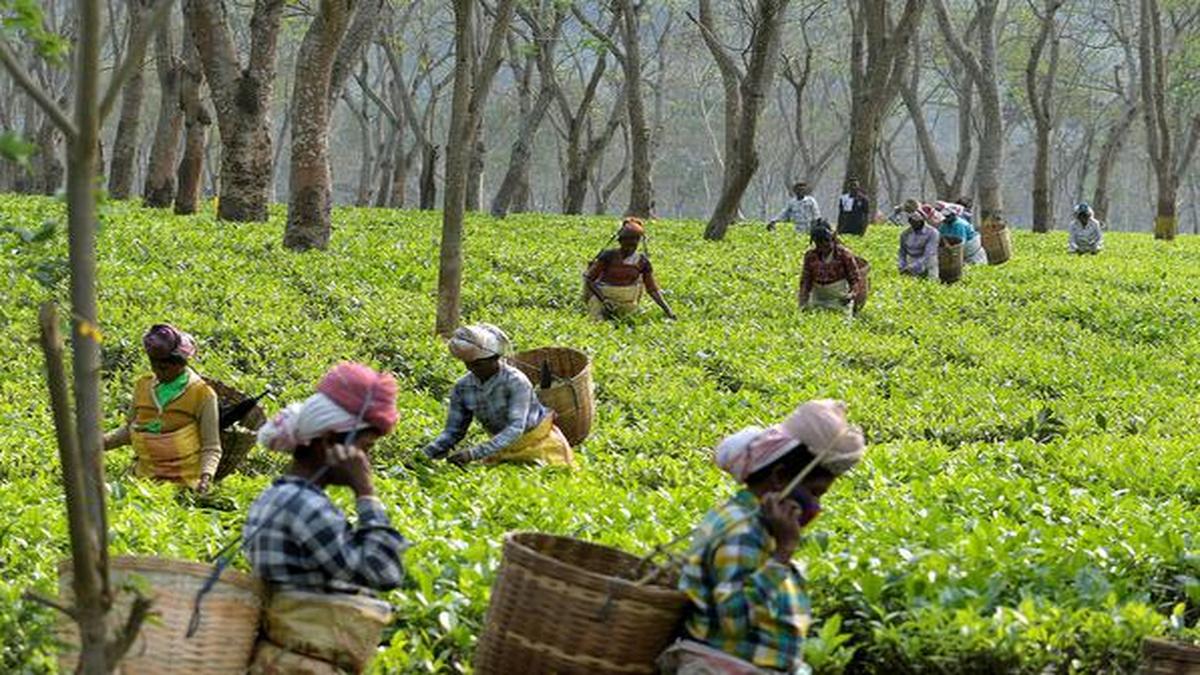
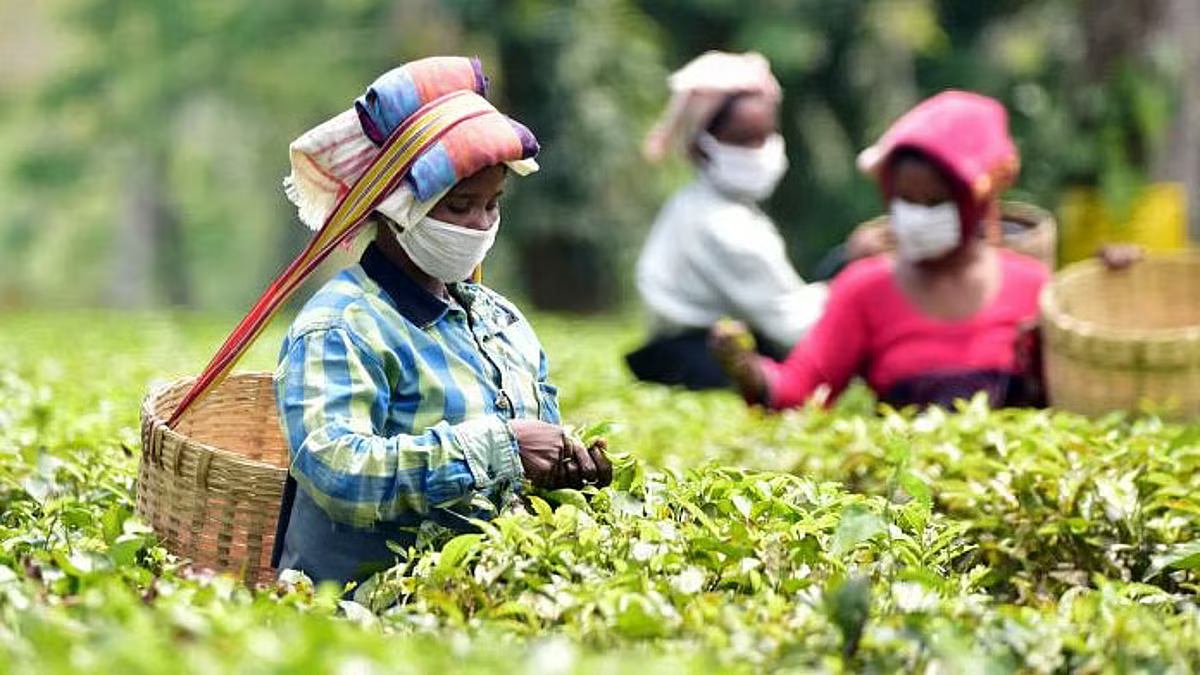
Tea Tribes in Assam trace their roots to Adivasi communities who were brought to the state during the colonial period to work in tea plantations. Over the years, they became an important part of Assam’s economy and culture. Despite their contribution to the tea industry, many members of these communities continue to face economic hardship.
Access to quality education, healthcare, and stable employment has remained limited for large sections of the population. Expanding job reservation to higher posts is seen as an attempt to address these long-standing gaps.
In recent years, conversations about social justice and equal representation have gained importance across India. States are reviewing policies to ensure that growth and development reach all communities. Assam’s new decision fits into this larger national discussion.
Assam 3% Quota and Expansion of MMUA Scheme
Along with the Assam 3% Quota announcement, the Cabinet also approved the expansion of the Mission for Minority and Underprivileged Areas (MMUA) scheme. This scheme focuses on supporting women from minority and economically weaker backgrounds.
Under the expansion plan, 1,07,532 additional members of Self-Help Groups (SHGs) will be included in the scheme. So far, around 32 lakh women have received financial assistance of ₹10,000 each under this initiative.
Self-Help Groups play a key role in promoting savings, small businesses, and financial independence among women. These groups often support activities such as tailoring, food processing, handicrafts, and small retail businesses.
By expanding the MMUA scheme, the government aims to ensure that no eligible woman is left out. The support strengthens grassroots entrepreneurship and improves family income across districts.
Women’s economic participation has become an important topic in India. With rising discussions around start-ups, digital payments, and financial inclusion, supporting SHGs helps connect rural women to broader economic growth.
Assam 3% Quota Announced Ahead of Assembly Elections
The twin decisions were announced ahead of elections to the 126-member Assam Legislative Assembly. Tea Tribes, Adivasis, and women voters form significant sections of the electorate in the state.
Political observers note that such policy announcements often become key points during election campaigns. The government has highlighted these steps as part of its focus on inclusion and empowerment.
In today’s political climate, issues like employment, economic security, and representation are central to public debate. Youth unemployment remains a concern across India, and government jobs continue to be highly valued for their stability.
By expanding reservation in higher posts, the government signals its intention to widen opportunities for marginalised communities. Similarly, increasing support for women through the MMUA scheme strengthens its message of social welfare and economic empowerment.
Social and Economic Impact
The Assam 3% Quota decision may have a long-term impact on social equity in the state. Greater representation in higher administrative positions can influence policy-making and bring diverse voices into governance.
For families in Tea Tribe and Adivasi communities, securing a Class I or Class II government post can change living standards significantly. It can provide financial stability, access to better education for children, and improved social standing.
At the same time, the expansion of the MMUA scheme supports economic growth from the ground level. When women receive financial assistance and training through SHGs, they often invest in small businesses that benefit entire communities.
Assam has been focusing on infrastructure, education, and digital connectivity in recent years. Linking job reservation and women’s entrepreneurship to these development goals can strengthen inclusive growth.
Broader Policy Focus
The Cabinet’s decisions reflect a broader approach toward expanding representation and improving welfare delivery. Instead of limiting benefits to entry-level posts, the state has extended opportunities to higher administrative levels.
Similarly, by increasing the number of SHG beneficiaries, the government aims to reduce economic inequality among women. In many rural areas, women-led enterprises contribute to local markets and support household income.
Across India, discussions about affirmative action and social justice continue to evolve. States are balancing economic growth with the need to ensure that development reaches historically marginalised groups.
The Assam 3% Quota and the MMUA expansion together highlight the state’s current focus on employment access, women’s empowerment, and social inclusion. These measures are likely to shape political discussions and public expectations in the coming months as the state moves closer to elections.