



Atacama Desert Life Discovery Reveals Hidden Underground Ecosystem

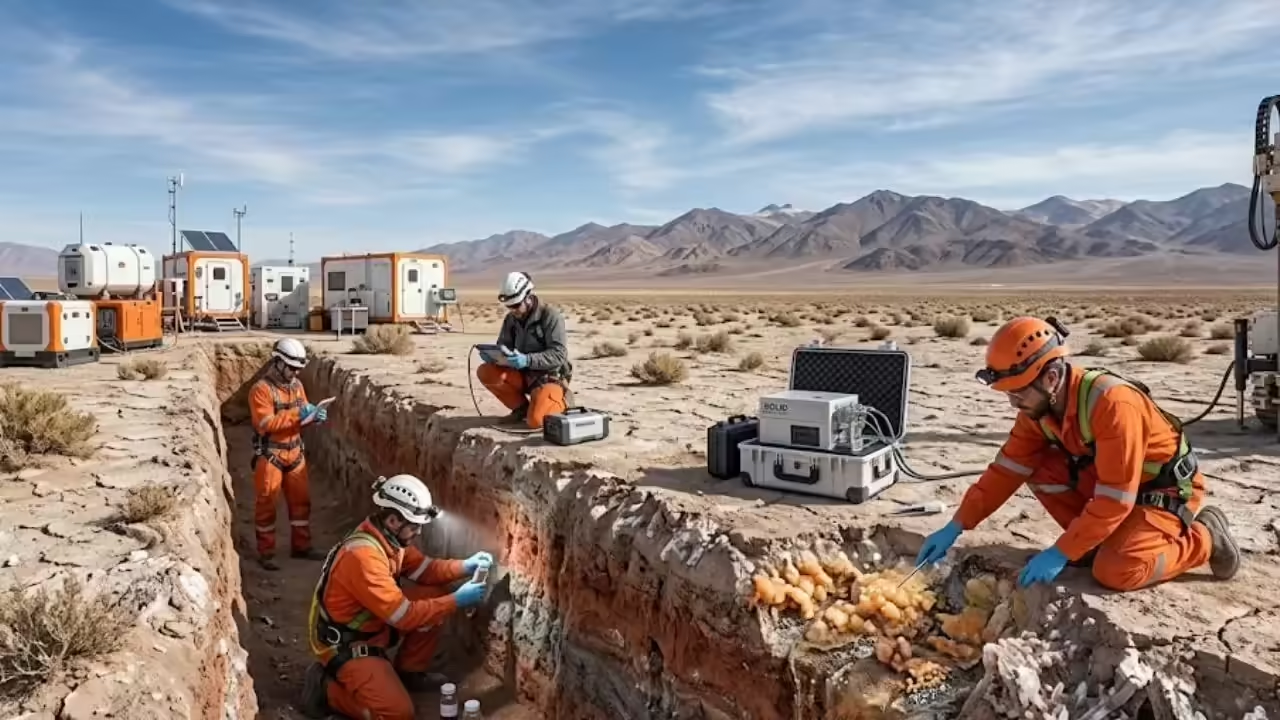
Scientists have made an exciting Atacama Desert Life Discovery after finding a microbial ecosystem nearly two metres below the surface of Chile’s Atacama Desert. Researchers discovered bacteria, archaea, and DNA in the dry desert soil. This finding is important because the Atacama Desert is known as the driest hot desert in the world and has conditions similar to Mars.
Thank you for reading this post, don't forget to subscribe!Why the Atacama Desert Is Special
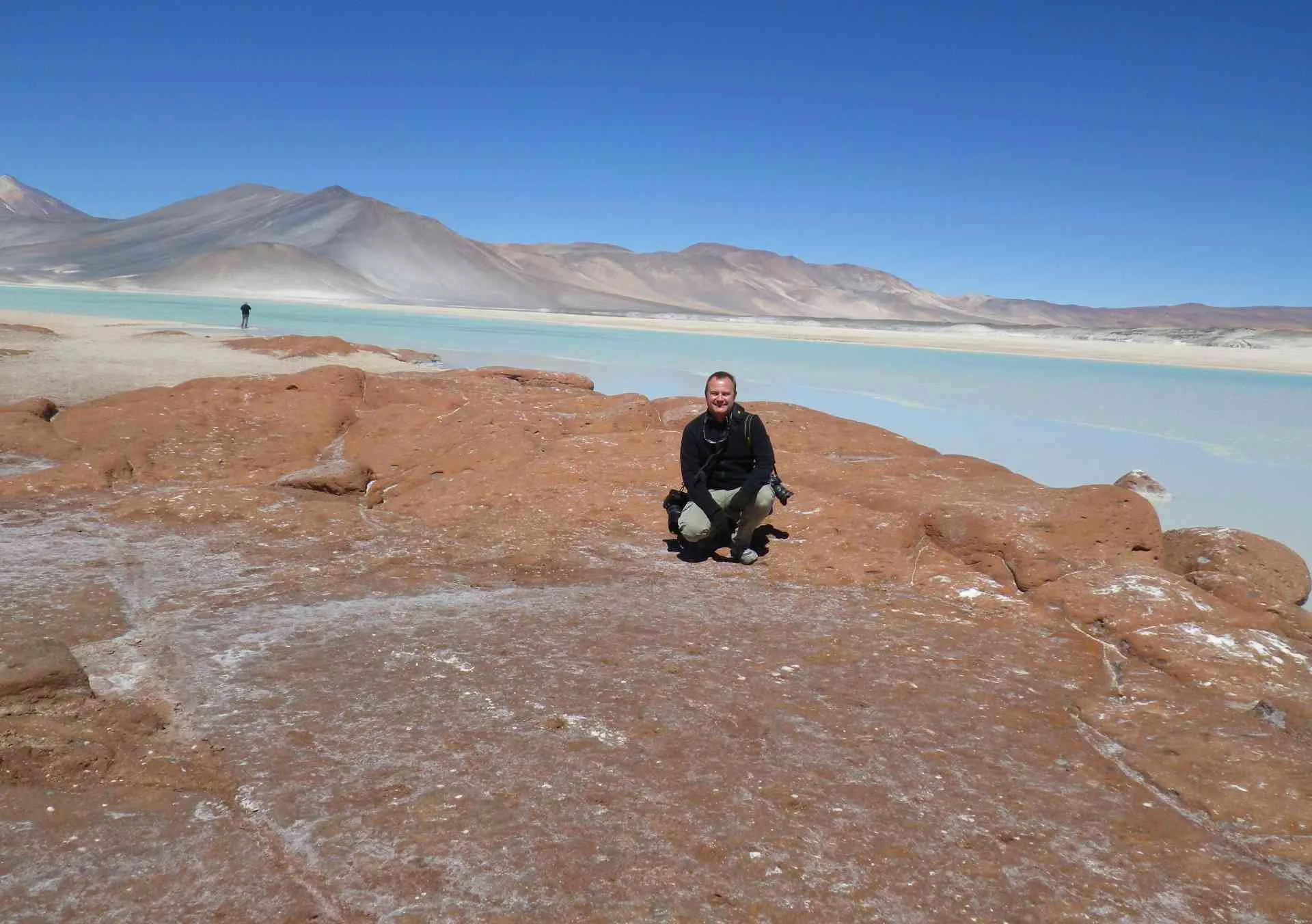
The Atacama Desert is located in northern Chile and includes places like the Yungay Valley. The desert receives very little rainfall and has strong sunlight, dry soil, and very low organic material. Because of these harsh conditions, scientists often use the desert to study how life could survive on Mars.
The desert is considered one of the best Earth examples of a Mars-like environment. Its soil, salt deposits, and radiation levels help researchers understand the possibility of life beyond Earth.
Underground Microbial Life in the Desert
Earlier studies had already shown that microbial life could survive in the upper layers of the Atacama soil. Most discoveries were found within the top 30 centimetres. However, newer research has revealed that life can exist much deeper underground.
Scientists found microbes living nearly two metres below the surface, while some earlier research had identified microbial activity even at depths of four metres. The underground layer provides slightly better moisture and temperature conditions compared to the surface.
The discovery included bacteria and archaea, which are microorganisms known for surviving in extreme environments.
Scientists Discover Nematodes in Desert Soil
An international research team led by the University of Cologne also discovered nematodes living beneath the desert soil. Nematodes are microscopic roundworms found in many environments, including freshwater, marine, and land habitats.
Researchers collected 112 soil samples from six regions of the Atacama Desert. The study identified at least 36 genera from 21 different nematode families. This shows that underground desert ecosystems may be more diverse than previously believed.
Importance for Astrobiology Research
The Atacama Desert Life Discovery is important for astrobiology, the study of life in the universe. Scientists believe the desert’s dry and harsh conditions closely resemble some areas on Mars.
Studying how microbes and tiny organisms survive in such an extreme habitat may help researchers understand whether life could exist on other planets. The findings also improve future Mars exploration studies and space missions.