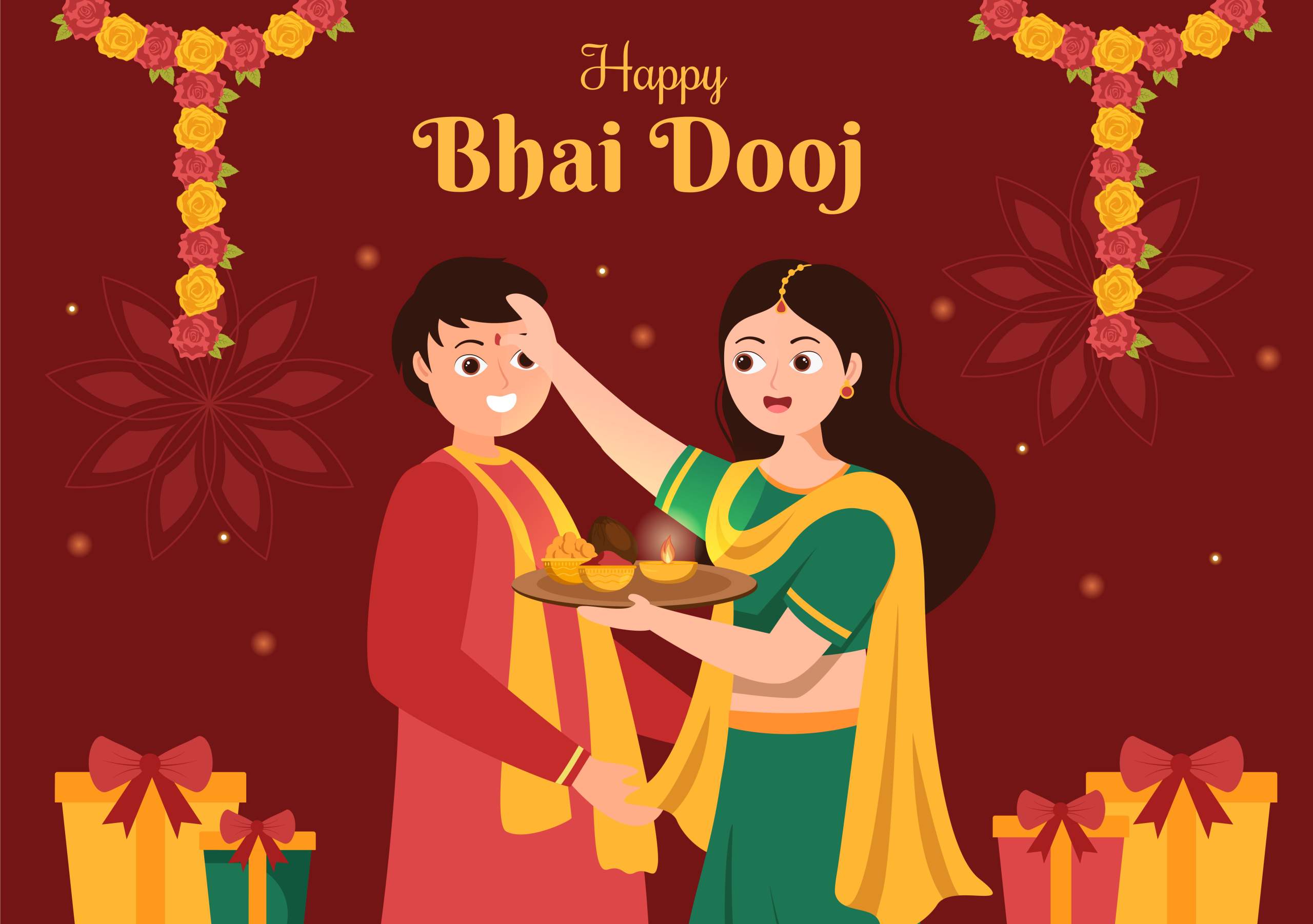
Bhai Dooj: Celebrating the Sacred Bond Between Brothers and Sisters

Bhai Dooj is one of the most cherished festivals in India, symbolizing the eternal bond between brothers and sisters. Celebrated just two days after Diwali, this festival is akin to Raksha Bandhan, but it has its own unique customs, rituals, and significance. The festival is a heartfelt celebration of love, protection, and familial duty, highlighting the deep-rooted Indian tradition of family values and respect.
Thank you for reading this post, don't forget to subscribe!Origin and Mythological Significance
The celebration of Bhai Dooj has its roots in Hindu mythology and is intertwined with several ancient legends. One of the most popular stories revolves around Lord Yama, the God of Death, and his sister, Yamuna. According to legend, Yamuna invited her brother Yama to her home on the second day after Diwali and offered him a ceremonial tilak on his forehead. In return, Yama promised that any brother who receives tilak from his sister on this day would never face untimely death. This story gave rise to the tradition of sisters performing aarti and applying tilak on their brothers’ foreheads, praying for their long life and prosperity.
Another story traces back to the time of King Shantanu and his family in the Mahabharata era. It is said that Draupadi performed a similar ritual for the Pandavas, cementing the festival’s significance in Indian culture.
When is Bhai Dooj Celebrated?
Bhai Dooj is celebrated on the second day of Shukla Paksha (waxing moon) in the Hindu month of Kartik, following the Diwali festival. The exact date varies every year according to the Hindu lunar calendar, but it generally falls in October or November. While Diwali is a festival of lights, Bhai Dooj focuses on familial relationships, particularly the sacred bond between siblings.
Rituals and Traditions
The customs associated with Bhai Dooj are both heartwarming and symbolic. The day typically begins with the sister preparing a special thali (plate) containing a diya (lamp), roli (vermilion), sweets, and sometimes fruits. This thali forms the centerpiece of the ritual.
- Tilak Ceremony
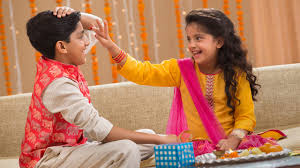
The central ritual of Bhai Dooj is the application of tilak on the brother’s forehead by the sister. The tilak is a mark of blessing and protection. While performing the tilak ceremony, the sister prays for her brother’s long life, happiness, and prosperity. - Aarti and Prayers
After applying the tilak, sisters perform aarti for their brothers, circulating the diya in a circular motion. This act is a prayer for the well-being of the brother and a symbol of light overcoming darkness. - Exchange of Gifts
In return for her prayers and blessings, brothers traditionally give gifts to their sisters. These gifts are a token of love and appreciation and can range from money to jewelry, clothes, or personalized presents. - Family Gatherings and Feasting
Bhai Dooj is also a time for family reunions. Families come together to celebrate, sharing sweets and special meals. In some regions, the festival is marked with elaborate feasts featuring traditional dishes.
Regional Variations
Bhai Dooj is celebrated across India with slight regional differences:
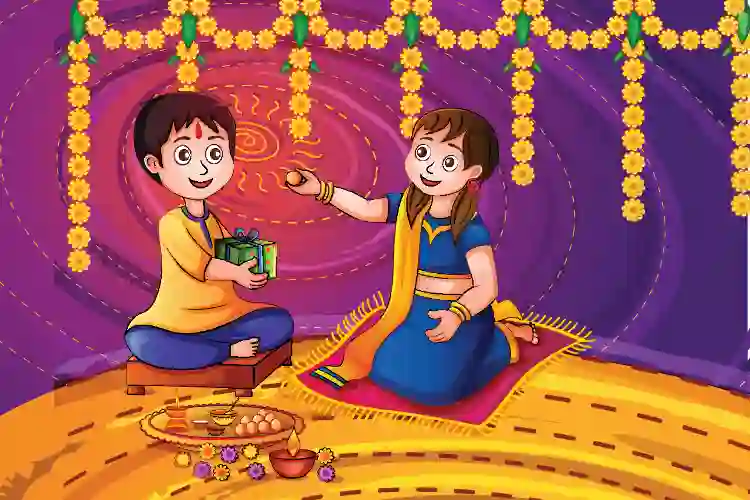
- In Maharashtra: Known as Bhau Beej, sisters invite their brothers home, apply tilak, and share sweets. Brothers reciprocate with gifts.
- In Uttar Pradesh and Bihar: The festival is similar to the Yamadwitiya tradition, commemorating Yama and Yamuna.
- In West Bengal: It is called Bhai Phota and coincides with the Diwali celebrations in the region. Sisters apply tilak on their brothers and pray for their long life.
- In Gujarat: Called Bhau Bij, the day includes singing traditional songs and exchanging sweets.
- In Nepal: The festival is celebrated as Bhai Tika and is considered part of the Tihar festival. Sisters perform rituals for their brothers, who reciprocate with gifts and blessings.
These variations highlight the cultural diversity of India while preserving the core essence of sibling love and respect.
Bhai Dooj in Modern Times
While the traditional rituals remain significant, the way Bhai Dooj is celebrated has evolved over time. In urban areas, siblings who live apart due to work or studies often celebrate virtually. Sisters send tilak kits, sweets, and gifts to their brothers via courier, while video calls allow them to perform the rituals together.
Corporate Bhai Dooj celebrations have also gained popularity, where colleagues exchange gifts and sweets, reflecting the festival’s expansion beyond familial boundaries. Despite modernization, the festival’s core values love, protection, and familial bonding remain unchanged.
Symbolism Behind Bhai Dooj
The rituals of Bhai Dooj are rich in symbolism:
- Tilak: Represents the protective blessings of the sister for her brother’s well-being.
- Diya: Symbolizes light and positivity, dispelling darkness and negativity from the brother’s life.
- Sweets: Reflect prosperity, happiness, and the sweetness of familial relationships.
- Gifts: Signify the brother’s gratitude and commitment to protect his sister.
Through these rituals, Bhai Dooj reinforces the idea that sibling relationships are not only emotional but also sacred and protective in nature.
Bhai Dooj Foods and Sweets
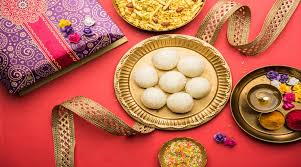
No festival in India is complete without food, and Bhai Dooj is no exception. Special sweets are prepared to mark the occasion, including:
- Laddus: Traditional round sweets made of flour, sugar, and ghee.
- Barfi: Made from condensed milk and sugar, sometimes flavored with coconut or nuts.
- Kaju Katli: A diamond-shaped cashew sweet that is popular across India.
- Chivda and Namkeen: Savory snacks complement the sweet dishes.
In addition to these, regional delicacies are prepared depending on local traditions. The emphasis is on celebrating the day with abundance and joy.
Bhai Dooj and Its Social Impact
Beyond its familial significance, Bhai Dooj plays a crucial social role. It strengthens family bonds, fosters mutual respect among siblings, and ensures that the younger generation is aware of cultural heritage. The festival is also an opportunity for reconciliation, as siblings who may have had differences can renew their relationship through the rituals.
Moreover, Bhai Dooj promotes the concept of mutual responsibility brothers are reminded to protect and support their sisters, while sisters are encouraged to bless and nurture their brothers. This mutual understanding reinforces family values in Indian society.
How to Celebrate Bhai Dooj Creatively
While traditional practices are meaningful, many families now look for creative ways to celebrate Bhai Dooj:
- Personalized Gifts: Customized gifts such as engraved bracelets, photo frames, or digital scrapbooks make the occasion memorable.
- DIY Thali Decoration: Sisters can decorate the Bhai Dooj thali with flowers, rangoli, and candles to add a personal touch.
- Virtual Rituals: Siblings living apart can celebrate through video calls, performing rituals simultaneously and sharing virtual gifts.
- Community Celebration: Some neighborhoods organize collective Bhai Dooj events, fostering a sense of community and togetherness.
These modern approaches ensure that the festival stays relevant while retaining its essence.
Environmental Awareness During Bhai Dooj
As festivals in India increasingly embrace sustainability, Bhai Dooj celebrations are also adapting. Many families now use eco-friendly diyas, organic sweets, and recyclable packaging for gifts. Reducing firecrackers and plastic usage during Diwali and Bhai Dooj ensures that the festivals are not only joyous but also environmentally responsible.
The Emotional Essence of Bhai Dooj
At its heart, Bhai Dooj is more than just a ritual; it is an emotional celebration of love, trust, and care. The festival is a reminder that relationships thrive on mutual respect and understanding. For brothers and sisters, it is a day to pause, express gratitude, and reaffirm their commitment to each other.
Sisters remember the protection and support their brothers have offered, while brothers acknowledge the blessings, guidance, and emotional strength provided by their sisters. This emotional reciprocity is the true beauty of Bhai Dooj.
Global Observance
With the Indian diaspora spread across the globe, Bhai Dooj is celebrated in countries such as the USA, UK, Canada, Australia, and the Middle East. Indian communities organize cultural events, workshops, and family gatherings to mark the festival. Social media platforms also witness a surge in posts, videos, and messages celebrating Bhai Dooj, allowing global participation.
Conclusion: The Timeless Bond of Siblings
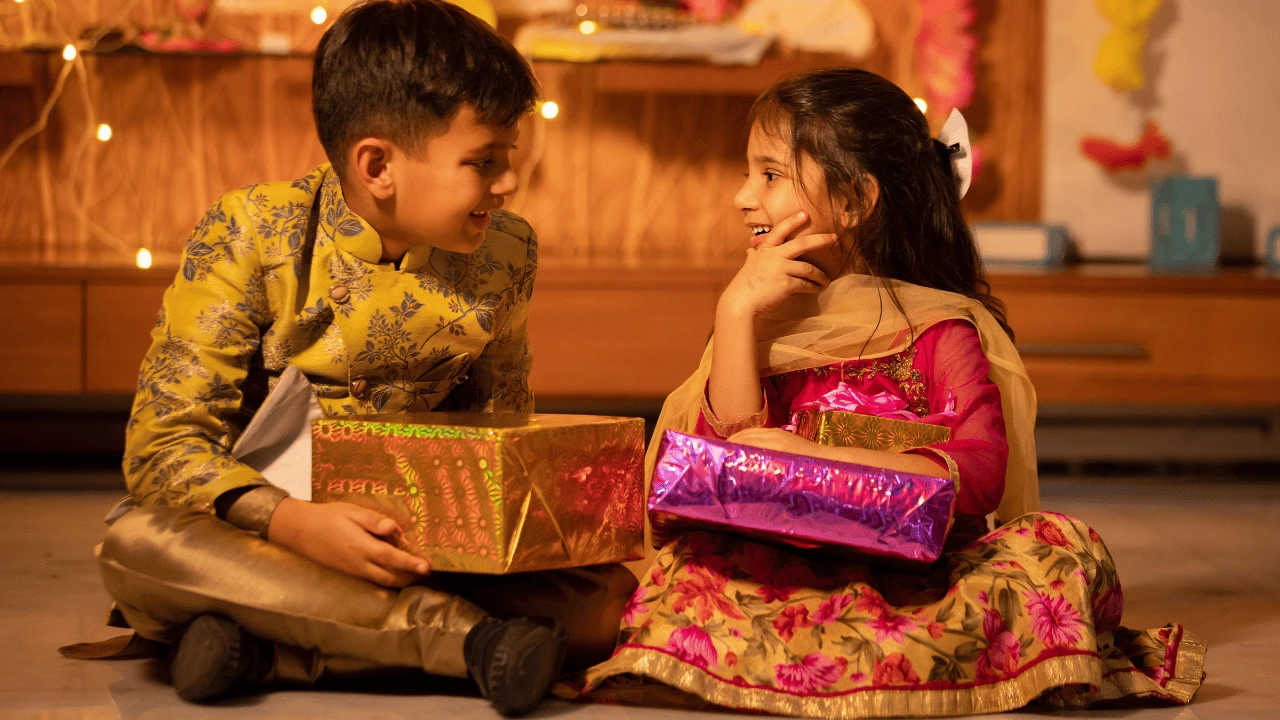
The festival of Bhai Dooj exemplifies the timeless bond between brothers and sisters. Rooted in tradition, enriched with rituals, and celebrated with love, the festival reinforces the values of family, protection, and emotional connection. Whether through traditional rituals, modern adaptations, or global celebrations, Bhai Dooj remains a festival that transcends generations, reminding us of the enduring strength of sibling relationships.
FAQs About Bhai Dooj
Q1: Is Bhai Dooj the same as Raksha Bandhan?
A1: No. While both festivals celebrate the bond between siblings, Bhai Dooj is observed after Diwali, and the rituals involve sisters performing aarti and tilak for their brothers. Raksha Bandhan occurs earlier and involves tying a protective thread on the brother’s wrist.
Q2: Can sisters living abroad celebrate Bhai Dooj?
A2: Yes. Many families now celebrate virtually via video calls, sending gifts and performing rituals online.
Q3: What is the significance of the tilak in Bhai Dooj?
A3: Tilak represents blessings, protection, and prayers for the brother’s long life and prosperity.
Q4: Are there regional differences in Bhai Dooj celebrations?
A4: Yes. The festival has different names and customs across India, such as Bhau Beej in Maharashtra, Bhai Phota in West Bengal, and Bhai Tika in Nepal.
Q5: What are traditional Bhai Dooj foods?
A5: Sweets like laddus, barfi, kaju katli, and savory snacks like chivda are traditionally prepared.