
Duty-Free Cancer Medicines Bring Major Relief to Patients in Union Budget 2026

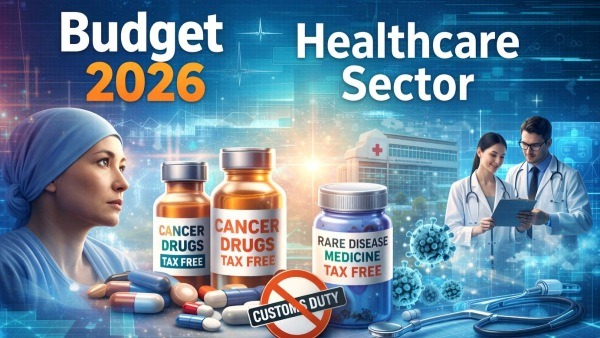
Duty-Free Cancer Medicines have emerged as a major highlight of the Union Budget 2026, offering new hope to thousands of patients battling cancer and rare diseases across India. Union Finance Minister Nirmala Sitharaman announced the removal of basic customs duty on 17 cancer-related drugs and extended duty exemptions to treatments for seven rare diseases. This step is aimed at reducing the high cost of life-saving medicines that are mostly imported and often beyond the reach of ordinary families.
Thank you for reading this post, don't forget to subscribe!The announcement reflects the government’s growing focus on healthcare affordability and patient-centric reforms. With cancer cases rising and advanced therapies becoming more common, the cost of medicines has become one of the biggest barriers to timely treatment. By removing import duties, the government hopes to directly lower prices and improve access to essential drugs.
Relief for Cancer Patients Through Duty Exemption
Cancer treatment often involves long-term use of specialised medicines, many of which are imported because they require complex manufacturing processes. Until now, these drugs attracted basic customs duty, which added to their final retail price. The decision to make 17 cancer medicines duty-free is expected to ease this burden significantly.
According to the Finance Minister, this move is meant to ensure that advanced therapies are not limited only to those who can afford high costs. By removing the duty, the government aims to make these medicines more accessible to patients from different economic backgrounds, especially those who depend on out-of-pocket spending for healthcare.
This measure also signals the government’s recognition that medicine prices play a crucial role in treatment outcomes. When drugs become more affordable, patients are more likely to complete their prescribed therapy, improving their chances of recovery.
How the Move Can Reduce Treatment Costs
Imported medicines form a large part of overall cancer treatment expenses in India. Even a small percentage reduction in price can translate into big savings over several months or years of treatment. For families already struggling with hospital bills, diagnostic tests, and travel expenses, cheaper medicines can make a meaningful difference.
Health experts believe that the removal of customs duty could lead to price cuts that benefit both public and private hospitals. In government hospitals, lower procurement costs may allow a wider range of medicines to be stocked. In private hospitals, reduced import costs may gradually reflect in patient bills.
For patients without comprehensive health insurance, this relief is especially important. Many households fall into debt or sell assets to pay for cancer care. Lower medicine costs can help prevent such financial distress.

Extended Support for Rare Disease Treatments
The Budget 2026 also extends customs duty exemptions to medicines and specialised foods used in the treatment of seven additional rare diseases. Patients with rare diseases often rely on personalised or niche therapies that are not produced in India due to small market size and high production costs.
Under the new proposal, personal imports of these medicines and medical nutrition products will be exempt from import duties. This means families who source treatments from abroad will not have to pay extra taxes, making these critical products more affordable.
Rare disease patients frequently face long diagnostic journeys and limited treatment options. By reducing the cost of imported therapies, the government is addressing one of the biggest challenges faced by this community.
Impact on Patients and Families
For many patients, the cost of medicines determines whether they can continue treatment or not. The introduction of duty-free cancer medicines can ease emotional and financial stress, allowing families to focus more on recovery and care.
Patient advocacy groups have welcomed the announcement, calling it a compassionate step that recognises the realities of serious illnesses. They note that while this measure alone cannot solve all problems related to cancer care, it is a strong starting point.
Doctors also believe that improved affordability may encourage earlier treatment, as patients may no longer delay care due to fear of high costs.
Balancing Affordability and Domestic Manufacturing
Government officials have stated that the move is part of a broader strategy to improve healthcare access while still supporting domestic pharmaceutical manufacturing. India is one of the world’s largest producers of generic medicines, but certain advanced therapies still require imports.
By removing duties only where imports are unavoidable, the government aims to strike a balance between self-reliance and patient needs. At the same time, policymakers continue to encourage local production of complex drugs through incentives and research support.
Industry experts say this dual approach can help India gradually build capacity for advanced medicine manufacturing while ensuring patients do not suffer in the meantime.
A Step Toward More Inclusive Healthcare
The introduction of duty-free cancer medicines and expanded exemptions for rare disease treatments highlights the government’s intent to make healthcare more inclusive. It acknowledges that affordability is a key factor in achieving better health outcomes.
While hospitalisation costs, diagnostics, and supportive care still contribute heavily to overall expenses, reducing medicine prices is an important piece of the puzzle. Many experts believe that such targeted tax reforms, combined with insurance expansion and public health investment, can move India closer to a more equitable healthcare system.
As patients, families, and healthcare providers absorb the impact of these changes, the Budget 2026 measures are being seen as a meaningful effort to place human well-being at the centre of economic policy.