


Energy Island: Belgium’s North Sea Project

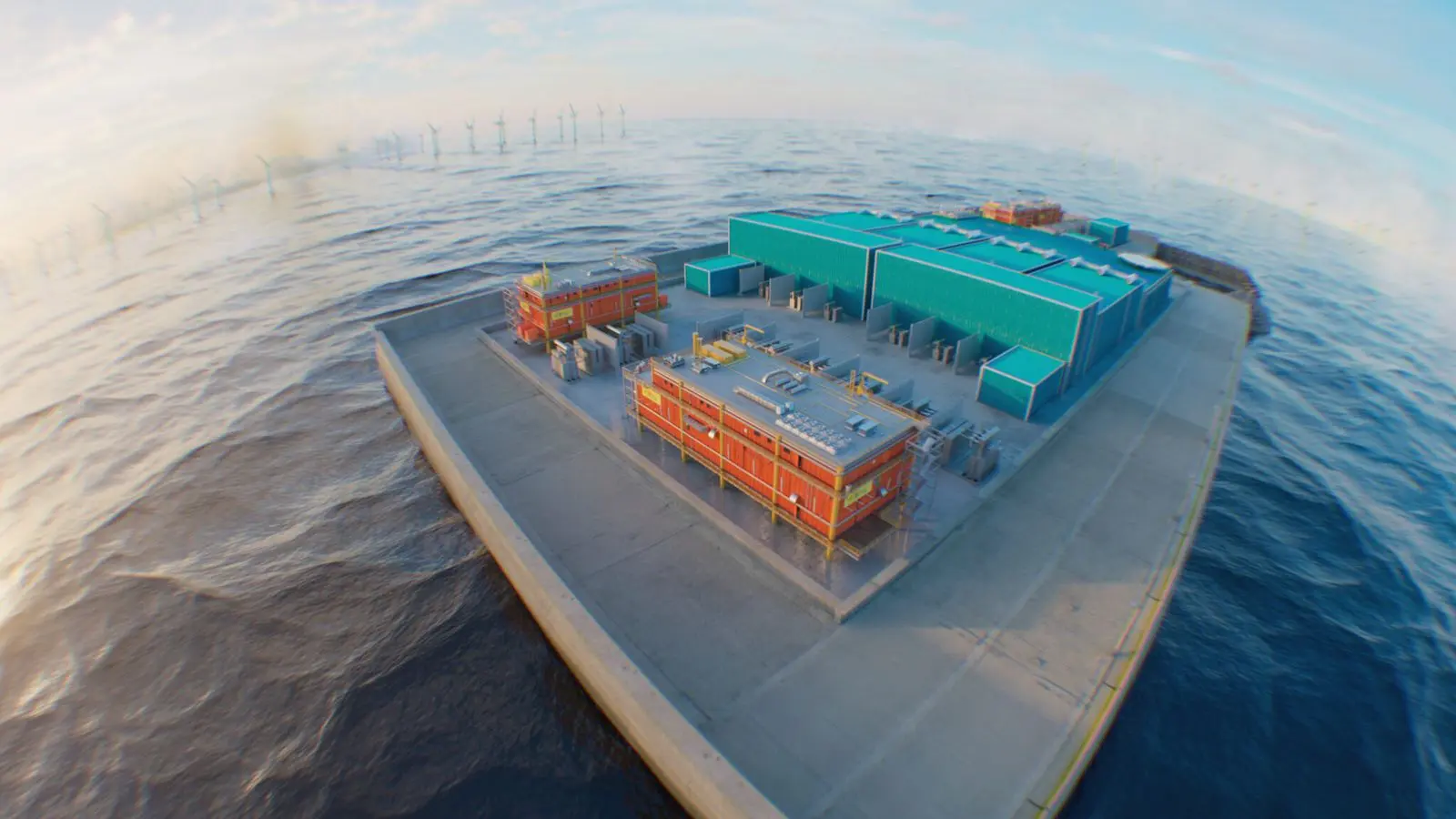
Energy Island is at the centre of Belgium’s plans to expand offshore renewable energy infrastructure in the North Sea. Princess Elisabeth Island, now under construction about 45 kilometres from the Belgian coast, is being developed as an artificial offshore energy hub. The project is designed to connect electricity generated by offshore wind farms with Belgium’s electricity grid and support future power links with other countries.
Belgium Builds an Artificial Energy Island
Princess Elisabeth Island is being developed as a multi-purpose offshore energy hub. Unlike a traditional island, it is being created through large marine construction structures and reclaimed sand. The project is linked to Elia Transmission Belgium, the company responsible for operating Belgium’s high-voltage electricity transmission system.

The island will contain important electricity infrastructure, including high-voltage substations and equipment needed to transfer power from offshore wind farms to the mainland. This design is intended to make it easier to bring large amounts of renewable electricity into the European power network.
Offshore wind is becoming an important part of Europe’s clean energy plans. Countries around the North Sea are investing heavily in wind farms because the region has strong and regular winds and large areas of sea suitable for offshore turbines.
23 Concrete Caissons Form the Island
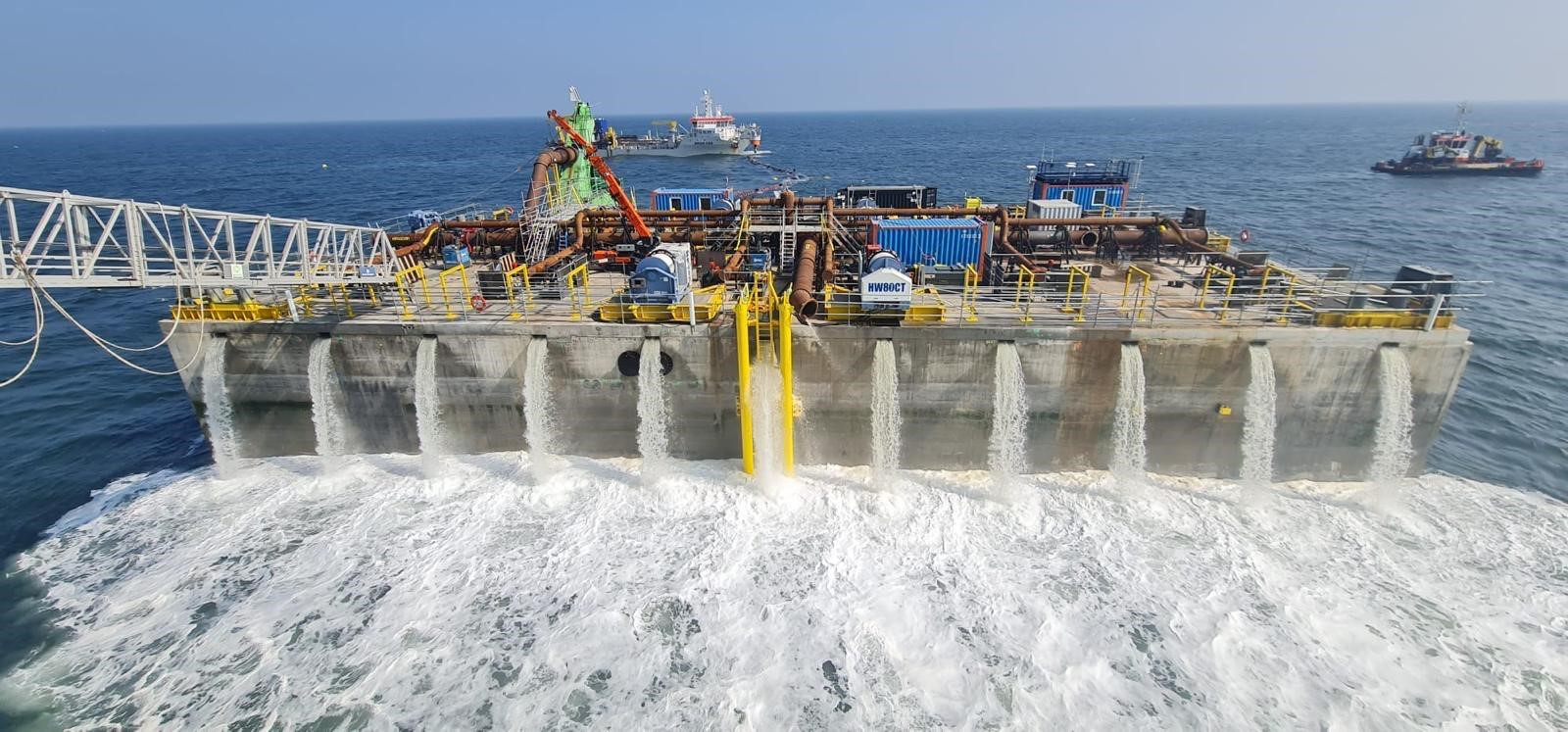
A major part of the Energy Island construction involves 23 large concrete caissons. These structures form the outer walls of the artificial island and are designed to withstand the difficult marine conditions of the North Sea.
The caissons were manufactured at the port of Vlissingen in the Netherlands by Jan De Nul Group and DEME Group. They were then transported and installed at the project site off the Belgian coast.
By June 2026, 17 of the 23 caissons had been positioned offshore. By 24 August, all 23 caissons had been placed in the North Sea. After this stage was completed, work moved towards filling the area inside the concrete structures with sand.
Caissons are commonly used in marine engineering. They can provide strong, watertight structures for ports, offshore facilities and other large construction projects.
Renewable Energy at the Centre of the Project
The main purpose of Princess Elisabeth Island is to support Belgium’s growing offshore wind industry. The island is expected to help connect up to 3.15 gigawatts of offshore wind power to the Belgian electricity network.
The project will therefore act as an important link between offshore electricity production and consumers on land. Electricity generated by wind turbines at sea can be transferred through cables to the island, where it can be managed and connected to the wider grid.
Belgium expects the island to become operational in 2031. Its development comes as European countries look for ways to increase renewable power generation while reducing dependence on fossil fuels.
Nature-Inclusive Construction
The Energy Island project also includes environmental measures. One of these is the Reefcovery initiative, which aims to create marine habitat around the artificial island.
The initiative uses rocks containing young oysters. These structures are intended to support the development of a marine reef and provide habitat for marine organisms. The design is also expected to help protect parts of the structure from erosion.
Nature-inclusive engineering is becoming more common in large coastal and offshore projects. Instead of treating environmental protection as separate from construction, these approaches try to include habitat creation and ecosystem support within the design of infrastructure.
Major Investment in Offshore Infrastructure
The project requires a large financial investment. Elia Transmission Belgium signed a €1 billion green credit facility with the European Investment Bank on 7 September 2026.
The European Investment Bank supports projects linked to areas such as clean energy, climate action and sustainable infrastructure. The financing agreement provides additional support for the development of Belgium’s offshore electricity network.
The overall cost estimates for Princess Elisabeth Island and its associated infrastructure have been reported at between €7 billion and more than €9 billion. The first phase alone has been estimated at around €3.6 billion.
The second phase of the project has also undergone design changes. The revised approach is expected to reduce the direct-current infrastructure cost by about €2 billion.
Why the North Sea Matters
The North Sea has become a major centre for offshore wind development. Belgium, the Netherlands, Germany, Denmark and the United Kingdom are among the countries developing or expanding offshore wind capacity in the region.
An artificial Energy Island can help organise electricity infrastructure closer to offshore wind farms. It can also provide a location for high-voltage equipment, reducing the need to bring every individual cable directly to the coast.
The wider idea is to create a connected offshore electricity network in Europe. Such a network could allow renewable power generated in one part of the North Sea to be transferred to different countries depending on demand and grid conditions.
A New Model for Offshore Power
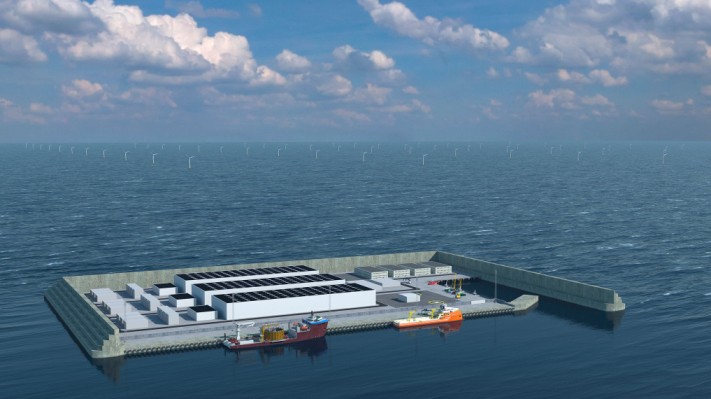
Princess Elisabeth Island represents a different approach to offshore renewable energy infrastructure. Instead of building only wind turbines and individual transmission cables, the project combines electricity transmission facilities on a dedicated artificial island.
The island covers about five hectares and is located roughly 45 kilometres from Belgium’s coast. Its development combines marine construction, sand reclamation, renewable energy systems, high-voltage engineering and environmental planning.
As construction continues, the project is expected to become an important part of Belgium’s offshore electricity system and Europe’s wider move towards larger renewable energy networks.