
Florida OpenAI Lawsuit Over ChatGPT Safety

Florida OpenAI Lawsuit has become a major topic in the technology world after the U.S. state of Florida filed a legal case against OpenAI and its CEO, Sam Altman. The lawsuit was submitted on 1 June 2026 and is being described as the first state-level legal action in the United States focused directly on the safety of ChatGPT.
The case has started a wider discussion about how artificial intelligence tools should be used, especially by young people. As AI technology becomes part of daily life, governments around the world are paying closer attention to safety rules and user protection.

What Is the Florida OpenAI Lawsuit?
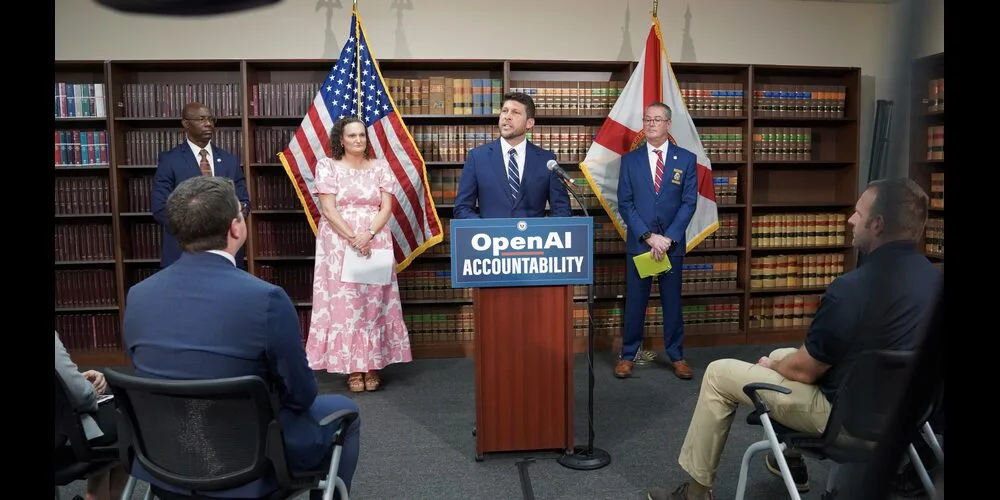
The Florida government has filed a lawsuit against OpenAI under state consumer protection laws. State officials claim that ChatGPT may expose young users to harmful content and that stronger safeguards are needed.
According to the complaint, the state believes that artificial intelligence platforms should provide better protection for minors and offer stronger parental controls. The lawsuit also asks the court to review OpenAI’s business practices and consider penalties if any violations are found.
The legal action was filed by Florida Attorney General James Uthmeier in a Florida court. The complaint is lengthy and includes several concerns related to the use of AI chatbots by children and teenagers.
Why Is ChatGPT Being Questioned?
ChatGPT is an AI-powered chatbot created by OpenAI. It uses advanced language models to answer questions, create content, translate text, assist with coding, and provide information on many topics.
The Florida complaint argues that AI chatbots may sometimes provide information that is not suitable for younger users. State officials claim that some conversations could involve topics related to self-harm, eating disorders, or other sensitive subjects.
The lawsuit also raises concerns about:
- Online safety for minors
- Age verification systems
- Parental monitoring tools
- Potential overuse of AI chatbots
- Effects on critical thinking and decision-making
These concerns have become part of a larger global debate about responsible AI development.
Growing Attention on AI Safety
The Florida OpenAI Lawsuit comes at a time when governments across the world are discussing regulations for artificial intelligence.
Over the past few years, AI tools have become widely used in schools, workplaces, businesses, and homes. Millions of people use chatbots every day to complete tasks and find information quickly.
Because of this rapid growth, policymakers are examining important questions:
- How should AI systems be regulated?
- What protections should exist for children?
- How can harmful content be reduced?
- Who is responsible when AI tools are misused?
Many countries are now developing new AI laws and guidelines to address these issues.
Connection to Earlier Investigations
The lawsuit follows an investigation launched by Florida authorities in 2026. Officials examined whether ChatGPT had any connection to a tragic mass shooting that occurred at Florida State University in 2025.
The investigation looked into claims that the accused individual may have interacted with AI tools before the incident. The inquiry brought additional public attention to questions about the role of technology in society.
Although the lawsuit focuses mainly on consumer protection and safety concerns, the earlier investigation helped increase public interest in the issue.
OpenAI’s Response on Safety
OpenAI has repeatedly stated that protecting young users is important. The company has said that minors require strong safeguards when using AI systems.
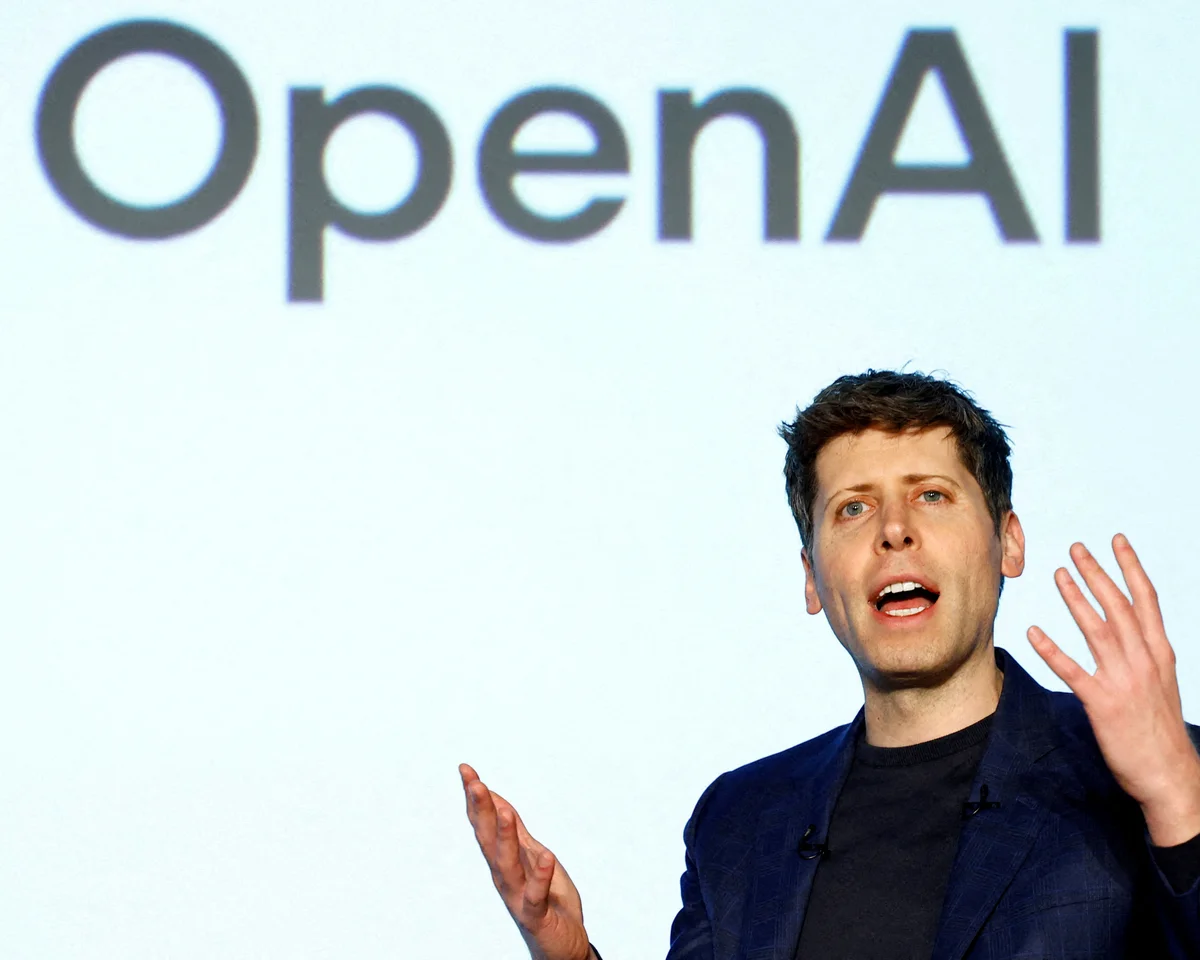
According to OpenAI, the company continues to improve safety measures, content policies, and user protections. It has also introduced tools designed to reduce harmful responses and improve the overall experience for users.
The company has emphasized that artificial intelligence should be developed responsibly and that safety remains a key priority.
Why This Case Matters
The Florida OpenAI Lawsuit is important because it may influence future AI regulations in the United States and other countries.
Legal experts believe the case could help shape discussions about:
- AI accountability
- Consumer protection
- Child safety online
- Technology regulation
- Corporate responsibility
If courts or lawmakers introduce new requirements, technology companies may need to update their platforms and safety systems.
The case also highlights how governments are increasingly focused on balancing innovation with public safety. While AI offers many benefits, policymakers want to ensure that users especially children are protected from potential risks.
As artificial intelligence continues to evolve, debates about regulation, transparency, and safety are expected to remain major topics throughout 2026 and beyond.