


India Producer Price Index 2026: New Inflation Tracking System Begins

India Producer Price Index is set to become a major part of the country’s economic data system from 15 June 2026. The Government of India will launch a new Producer Price Index (PPI) series along with a revised Wholesale Price Index (WPI), both using 2022-23 as the base year. This move is expected to modernize the way inflation and price changes are measured across different sectors of the economy.
For many years, India has used the Wholesale Price Index to track changes in prices at the wholesale level. However, as the economy has expanded and services have become a larger part of national income, experts have recommended a broader system that reflects actual producer prices. The new India Producer Price Index aims to meet this need.

What is India Producer Price Index?
The Producer Price Index measures the prices that producers receive for their goods and services. Unlike the Wholesale Price Index, which mainly focuses on wholesale goods, the Producer Price Index provides a wider picture of price movements across the economy.
The new system will track:
- Prices received by producers for their products
- Changes in production costs
- Inflation in selected service sectors
- Input and output price movements
This approach will help policymakers, businesses, and researchers better understand economic trends.
Why India is Introducing Producer Price Index
India’s economy has changed significantly over the last two decades. Manufacturing, services, technology, banking, and telecommunications have become important contributors to growth.
The existing Wholesale Price Index mainly focuses on goods and does not fully capture price changes in services. As a result, there has been a growing demand for a more comprehensive inflation indicator.
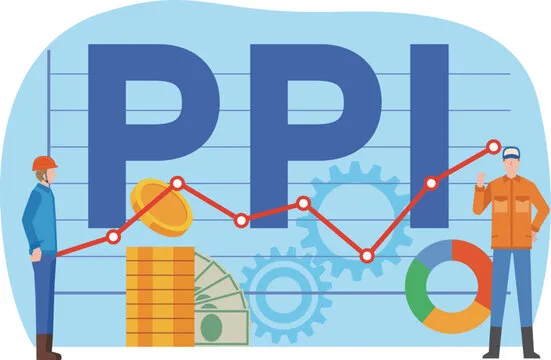
The International Monetary Fund (IMF) and several economic experts have recommended the use of producer-based price indices. Many developed and developing countries already use Producer Price Index systems to monitor inflation more effectively.
With the launch of the India Producer Price Index, the country will align itself with international statistical practices.
Three Parts of the New PPI Framework
The new Producer Price Index system will consist of three major components.
1. Output PPI
This index will measure the prices producers receive when selling their products. It will help track inflation at the production stage before products reach consumers.
2. Input PPI
The Input PPI will monitor the cost of raw materials and other inputs used in manufacturing. Initially, it will be introduced on a trial basis for the manufacturing sector.
3. Service PPI
For the first time, India will track inflation in several important service industries through a dedicated Service PPI.
The initial sectors covered include:
| Service Sector |
|---|
| Banking |
| Insurance |
| Railways |
| Telecommunications |
| Financial Services |
| Transport Services |
| Other Selected Services |
This is an important step because services now contribute a major share of India’s economy.
Revised Wholesale Price Index Gets Bigger
Alongside the new Producer Price Index, the government will also introduce a revised Wholesale Price Index.
One of the biggest changes is the expansion of the commodity basket.
| WPI Feature | Old Series | New Series |
| Number of Items | 697 | 957 |
| Base Year | Earlier Series | 2022-23 |
| Renewable Energy Coverage | Limited | Included |
The updated basket will include modern industries and renewable energy sources such as:
- Solar Power
- Wind Power
- New industrial products
- Emerging economic sectors
This will make the WPI more relevant to today’s economy.

Five-Year Transition Period
The government has announced that both WPI and PPI will operate together for five years.
During this period:
- Monthly WPI reports will continue.
- Monthly Output PPI reports will be released.
- Quarterly Service PPI reports will be published.
- Historical back-series data will also be provided.
After the transition period ends, the Wholesale Price Index is expected to be phased out gradually.
How This Affects the Indian Economy
The launch of India Producer Price Index is expected to improve economic analysis in several ways.
Better Inflation Measurement
The PPI will provide a clearer picture of inflation before products reach consumers. This can help identify price pressures early.
Improved Policy Decisions
Government agencies and financial institutions can use PPI data to make more informed decisions related to growth, inflation, and industrial development.
Support for Businesses
Businesses can use producer price data to understand market trends and plan production strategies more effectively.
Better International Comparison
Since many countries already use Producer Price Index systems, India will be able to compare its inflation trends more accurately with global economies.
Growing Focus on Services and Green Energy
One of the most notable aspects of the new system is the inclusion of service-sector inflation and renewable energy products.
As India continues to expand its digital economy, banking services, telecom networks, and green energy projects, measuring price changes in these sectors becomes increasingly important.
The inclusion of solar and wind energy in the revised WPI also reflects India’s commitment to clean energy and sustainable development.
What Happens Next?
The new India Producer Price Index and revised Wholesale Price Index will officially begin on 15 June 2026. Economic experts believe the new framework will provide more accurate and modern inflation data for India’s rapidly changing economy.
Over the next few years, businesses, policymakers, and analysts will closely monitor the performance of the new index as India moves toward a producer-based inflation measurement system.