Global Gaps in Women Economic Rights Continue Despite Legal Reforms Worldwide

Global Gaps in Women Economic Rights highlights a growing global concern about how laws meant to support women are not fully working in real life. A new global study shows that while many countries have written laws promising equal economic rights for women, these laws are often weakly enforced. As a result, women around the world continue to face barriers in jobs, safety, business, and financial independence.
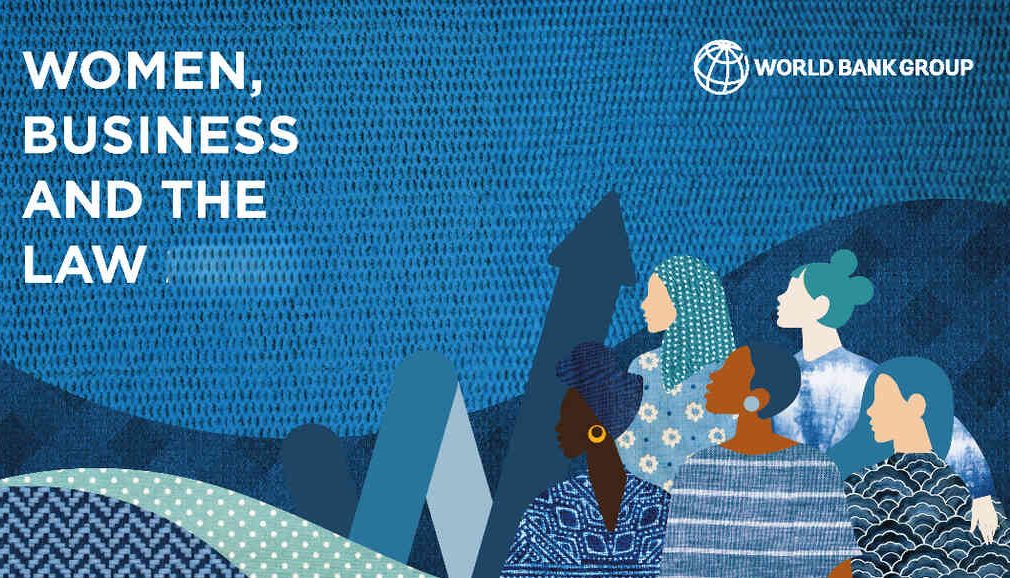
Thank you for reading this post, don't forget to subscribe!The latest Women, Business and the Law report released by the World Bank Group brings attention to these deep gaps. The report clearly shows that legal equality on paper does not always mean equality in daily life. These enforcement failures are not only unfair to women but also harmful to economic growth and job creation across countries.
Laws Exist but Reality Tells a Different Story
Across the world, many governments have introduced laws that aim to give women the same economic rights as men. On average, countries score 67 out of 100 when it comes to laws supporting gender equality. This score reflects what is written in law books. However, the real problem starts when these laws are not applied properly.
The study reveals that enforcement scores drop sharply to an average of 53. This means that even when laws exist, they are only partly enforced. The systems needed to make these laws work properly score even lower at 47. This includes courts, public services, financial support systems, and monitoring agencies.
Because of these gaps, only 4 percent of women worldwide live in economies where they enjoy almost full legal equality. For the majority of women, legal rights remain incomplete or poorly implemented.
Measuring Enforcement for the First Time
One of the most important aspects of this report is that it goes beyond written laws. For the first time, it measures how well these laws are enforced in practice. Legal experts from different countries were surveyed to understand how laws supporting women’s economic participation actually work on the ground.
Their assessments show that laws are enforced only about halfway on average. Many economies have put in place fewer than half of the policies and services required to support these rights. This means women may legally have the right to work, own property, or start a business, but face serious obstacles when trying to exercise those rights.
The report also points out that even if all current laws were fully enforced, women would still receive only about two thirds of the legal rights that men enjoy. This shows that legal reform itself still has a long way to go.
Safety Remains a Major Barrier
Safety is one of the weakest areas highlighted in the report. Women cannot participate fully in the economy if they are not safe at home, at work, or in public spaces. Yet, the study finds that only about one third of the necessary laws to protect women from violence exist globally.
Even where such laws are present, enforcement fails in nearly 80 percent of cases. This lack of protection limits women’s ability to work freely, travel for jobs, or run businesses. Fear of violence continues to push many women out of economic opportunities.
Without strong safety laws and proper enforcement, economic equality remains an empty promise for millions of women.
Childcare Gaps Hold Women Back
Access to affordable and quality childcare is another major challenge. Many women are forced to leave jobs or reduce working hours because they carry most caregiving responsibilities. The report shows that fewer than half of the 190 economies studied provide financial or tax support for families with children.
Only 30 percent of the policies needed to ensure affordable childcare are in place globally. The situation is even worse in low income economies, where just 1 percent of childcare support systems exist.
When childcare is unavailable or too costly, women’s participation in the workforce drops sharply. This affects household incomes and slows down overall economic growth.
Barriers to Entrepreneurship and Credit
The report also examines women’s ability to start and grow businesses. In most economies, women can legally start businesses under the same rules as men. However, legal permission alone does not guarantee success.
Only about half of economies actively promote equal access to credit for women. Many women struggle to get loans, open bank accounts, or access financial services. Limited access to finance remains one of the biggest challenges for women entrepreneurs, especially in developing regions.
Without credit, women owned businesses often remain small and informal, limiting income growth and job creation.
Global Gaps in Women Economic Rights Show Uneven Progress Across Regions
Despite these challenges, the report notes some positive developments. Over the past two years, 68 economies introduced 113 legal reforms aimed at improving women’s economic rights. This shows that change is possible when there is political will.
Sub Saharan Africa recorded the highest number of reforms, with 33 legal changes. Egypt emerged as the top reformer, significantly improving its legal equality score. These reforms show that focused efforts can lead to meaningful progress.
However, progress remains uneven across regions, and many countries still lag far behind in both legal reform and enforcement.
Why Women Economic Rights Matter for Growth
The findings of the Women, Business and the Law report make it clear that women’s economic rights are not just a social issue. They are a key economic issue. When women cannot work, start businesses, or access finance equally, entire economies lose potential growth.
Closing global gaps in women economic rights can increase labor force participation, boost productivity, and create more jobs. Strong enforcement of laws, better safety measures, affordable childcare, and fair access to credit can unlock this potential.
The report sends a clear message to governments. Writing laws is not enough. Real change requires strong systems, proper funding, and serious commitment to enforcement. Until then, global gaps in women economic rights will continue to limit both equality and economic progress.