Goa Considers Social Media Ban for Children Below 16: A Step Towards Safer Digital Spaces

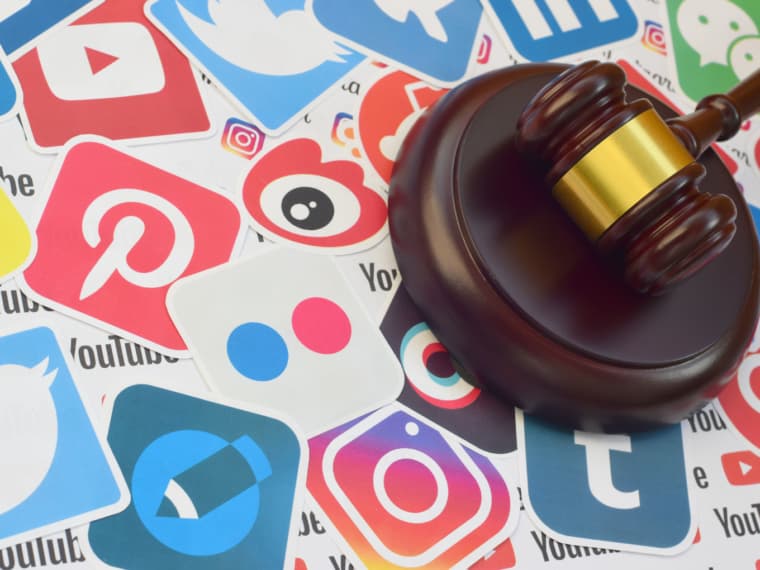
Goa Considers Social Media Ban for Children Below 16 as the state examines the potential risks of unrestricted social media access for minors. The move comes amid rising concerns over the impact of digital platforms on children’s mental health, social development, and online safety. By studying international examples, Goa aims to create a safer online environment for users under 16, while addressing the lack of nationwide regulations in India regarding minors’ access to social media.
Thank you for reading this post, don't forget to subscribe!Learning from Australia’s Landmark Law
According to Goa’s Minister for Information Technology, Rohan Khaunte, the state government is closely studying the Australian model to understand how restrictions on minors’ access to social media can be effectively implemented. Australia made history by becoming the first country to ban children under 16 from using social media. The law’s introduction led to the deactivation of approximately 4.7 million teen accounts within just the first month of enforcement.
The Australian law was motivated by mounting evidence of social media’s adverse effects on children, including increased anxiety, depression, cyberbullying, and exposure to inappropriate content. By setting a legal age limit, the country aimed to create a safer online environment for minors, while encouraging parents and guardians to take a more active role in monitoring digital engagement. Goa hopes to adapt similar measures to the Indian context, keeping in mind cultural and technological differences.
India’s Regulatory Gap on Social Media Use
India, being one of the largest internet markets in the world, hosts millions of underage users across platforms such as Meta’s Facebook, Instagram, Google’s YouTube, and X (formerly Twitter). Despite the sheer number of young users, India currently has no nationwide law or formal guideline restricting children’s access to social media.
While tech companies have age restrictions in their terms of service, enforcement is minimal, and there is little monitoring of actual compliance. The absence of robust regulatory frameworks leaves minors vulnerable to various online risks, ranging from exposure to harmful content to online harassment and digital addiction. Goa’s proposed initiative could act as a pilot model, demonstrating how state-level regulation might function in India, particularly in terms of enforcement, compliance, and monitoring.

Interest from Other Indian States
Goa is not the only state considering measures to protect children online. Andhra Pradesh, with a population exceeding 53 million, has also expressed interest in regulating minors’ social media access. The state has formed a panel of senior ministers to examine international regulatory models and recommend suitable measures for implementation within the Indian context.
With a relatively small population of around 1.5 million, Goa could serve as a manageable testing ground for such a policy. Successful implementation here could provide valuable insights for other states contemplating similar regulations. By monitoring outcomes in Goa, policymakers can better understand the challenges of enforcement, parental involvement, and platform compliance before scaling the initiative nationally.
Global Momentum for Child Online Safety
Goa’s initiative aligns with a broader international trend of enhancing online safety for children. Countries like France, Indonesia, and Malaysia are closely observing the impact of Australia’s law and are considering introducing similar restrictions to protect minors from harmful digital content.
This growing global momentum indicates that regulating children’s access to social media is becoming a key policy focus worldwide. As countries grapple with the dual challenge of encouraging technological growth while safeguarding vulnerable populations, India’s states may increasingly look to international precedents for guidance.
Challenges and Considerations
Implementing a social media ban for children under 16 in India comes with multiple challenges. Enforcement mechanisms must be carefully designed to prevent circumvention, such as the use of false age information. Parental awareness and involvement will be crucial, as many children gain online access through smartphones provided by family members.
Another important consideration is balancing digital literacy and online engagement with safety. While limiting access can reduce exposure to harmful content, social media also provides educational resources, social connectivity, and skill-building opportunities for teenagers. Policymakers will need to strike a delicate balance between protection and empowerment.
Potential Benefits for Minors
If implemented effectively, a social media ban for children under 16 in Goa could offer several benefits. It may reduce exposure to cyberbullying and online harassment, decrease screen time, and help minors develop healthier relationships with technology. Schools and parents could focus more on offline social skills and learning activities, fostering a more holistic approach to child development.
Additionally, such regulation could set a precedent for other Indian states, encouraging nationwide discussions on online safety. By prioritizing children’s mental health and well-being, states like Goa may encourage social media platforms to take more responsibility in monitoring and protecting their younger users.
Looking Ahead: Goa Considers Social Media Ban for Children Below 16
The debate over children’s access to social media in India is still in its early stages. Goa’s proposed exploration of an Australia-like ban demonstrates a growing awareness of the risks associated with digital platforms and a willingness to take proactive measures. The outcomes of this initiative could have far-reaching implications for child online safety, digital regulation, and social media practices across India.
As more states observe and potentially follow Goa’s lead, a coordinated approach to safeguarding minors online may gradually emerge, shaping the future of social media use for younger generations. With international examples and careful planning, India could become a significant participant in the global conversation on protecting children in the digital age.