




IAEA Iran Nuclear Inspections Update

IAEA Iran Nuclear Inspections have come into focus as the International Atomic Energy Agency indicated plans to inspect nuclear sites in Iran on 24 June 2026. The announcement was made by Director General Rafael Mariano Grossi during a visit to Tokyo.
Thank you for reading this post, don't forget to subscribe!These inspections are linked to an interim understanding between United States and Iran following recent tensions. The move signals a possible shift toward renewed monitoring and cooperation in nuclear activities.
Understanding the Role of the IAEA
The International Atomic Energy Agency plays a key role in monitoring nuclear activities around the world. Established in 1957, it works to ensure that nuclear technology is used for peaceful purposes.
The agency carries out inspections, verifies nuclear materials, and tracks activities at declared facilities. These inspections help build trust among countries and reduce the risk of nuclear weapons development.
The IAEA’s safeguards system is a central part of global nuclear governance and is used in many countries under international agreements.
Iran’s Nuclear Facilities and Activities
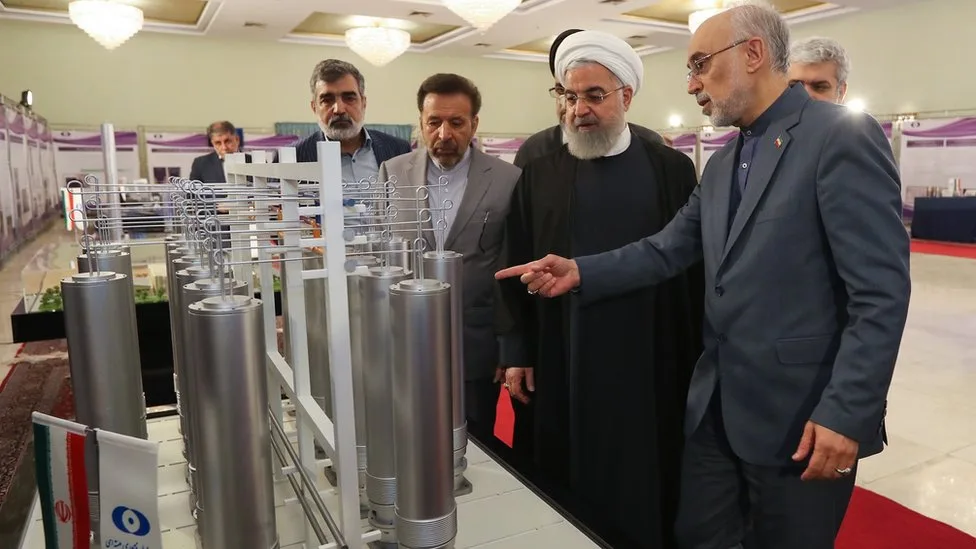
Iran has several important nuclear sites that are part of its enrichment and fuel cycle programme. These include Fordow Fuel Enrichment Plant, Natanz Nuclear Facility, and Isfahan Nuclear Technology Center.
These facilities are used for uranium enrichment, conversion, and storage. Uranium enrichment is a process that increases the concentration of a specific isotope used in nuclear fuel.
Reports have indicated that Iran has accumulated a significant amount of uranium enriched to higher levels. This has raised global concerns due to its proximity to weapons-grade material.
IAEA Iran Nuclear Inspections Update highlights the latest global developments as the International Atomic Energy Agency signals renewed inspections of Iran’s nuclear sites, reflecting ongoing diplomatic efforts, rising concerns over uranium enrichment levels, and the importance of international cooperation in ensuring transparency and nuclear safety in a rapidly changing geopolitical environment.
Uranium Enrichment and Global Concerns
Uranium can be enriched to different levels depending on its use. Low-enriched uranium is typically used in nuclear power plants, while higher levels can be used for research or other purposes.
However, enrichment levels closer to 60% are considered sensitive because they are much nearer to weapons-grade material. This has made Iran’s nuclear programme a topic of global discussion.
The proposed inspections aim to monitor these enrichment levels and ensure transparency in nuclear activities.
Impact of Recent Conflicts on Inspections
Following a brief conflict in 2025, access to Iran’s nuclear facilities became limited. Inspectors from the IAEA were not able to visit certain sites, creating uncertainty about ongoing activities.
The current discussions suggest a possible return of inspectors, which could improve transparency. However, there are still mixed signals from different sides about how quickly inspections will resume.
Iran has indicated caution regarding access to some sites, especially those affected during the conflict.
Diplomatic Developments and Agreements
The inspection plans are linked to a Memorandum of Understanding between the United States and Iran. This agreement includes provisions for monitoring nuclear materials and facilities.
Statements from officials show varying positions. While the United States has expressed confidence about inspections resuming soon, Iran has not fully confirmed immediate access.
This situation highlights the complexity of international negotiations and the challenges of reaching common ground.
Global Importance of Nuclear Monitoring
IAEA Iran Nuclear Inspections are important for maintaining global security and stability. Monitoring nuclear activities helps prevent misuse and builds confidence among nations.
The agency’s work is based on international agreements like the Treaty on the Non-Proliferation of Nuclear Weapons, which aims to prevent the spread of nuclear weapons.
By ensuring transparency, inspections play a key role in reducing tensions and supporting peaceful use of nuclear technology.
Current Relevance in Global Politics
The issue of nuclear inspections remains highly relevant in today’s geopolitical landscape. With ongoing tensions and shifting alliances, nuclear monitoring is a key part of international relations.
Countries continue to rely on organizations like the IAEA to provide neutral and reliable verification of nuclear activities.
The latest developments show that diplomacy and monitoring go hand in hand when dealing with sensitive global issues.
Challenges and Future Outlook
While the announcement of inspections is a positive step, challenges remain. Differences in political views, security concerns, and technical issues can affect the process.
Ensuring full access and cooperation will be important for the success of these inspections. The situation will likely continue to evolve as discussions progress.
The role of international organizations and cooperation between countries will remain central in addressing these challenges.