



Pax Silica AI Initiative Expansion

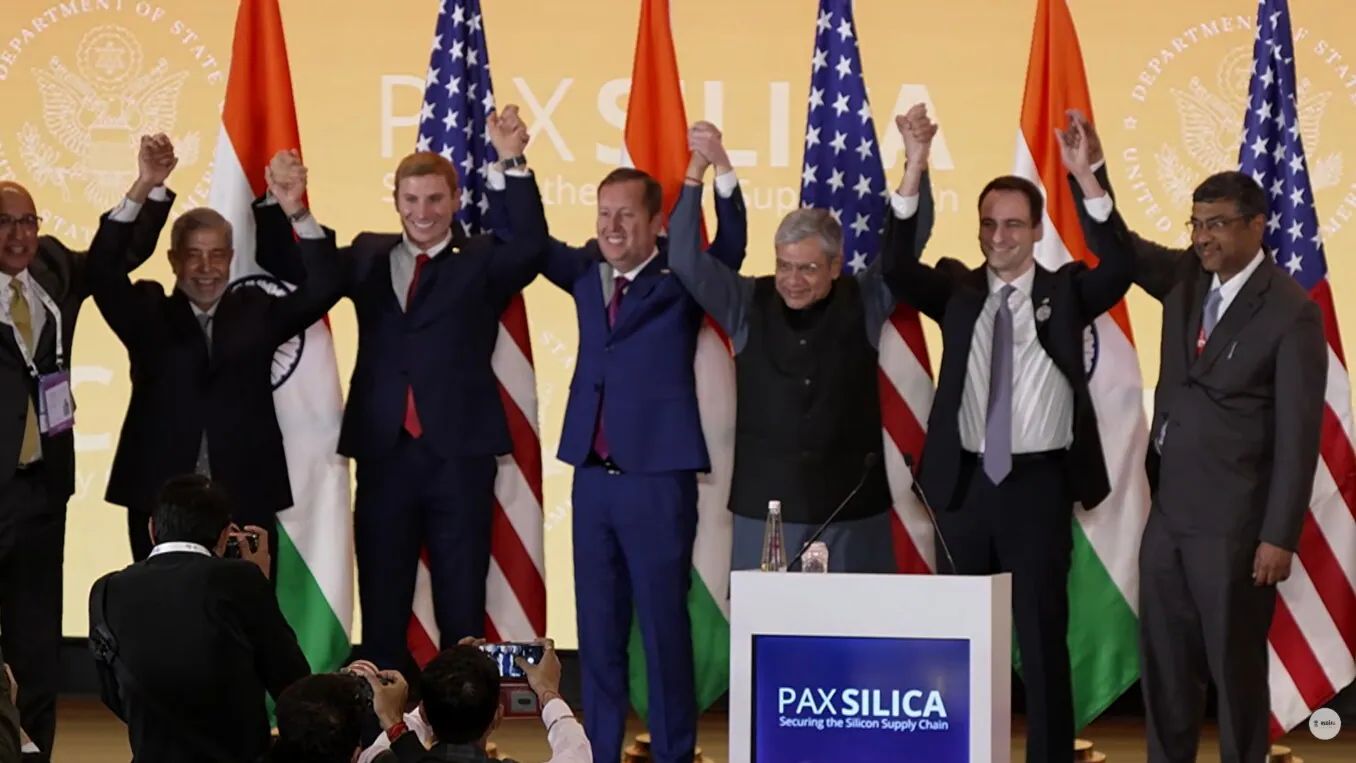
Pax Silica AI Initiative is becoming a major global effort as the European Union officially agreed to join the framework in June 2026. The move connects Europe with a wider international network led by the United States to build secure and reliable artificial intelligence supply chains.
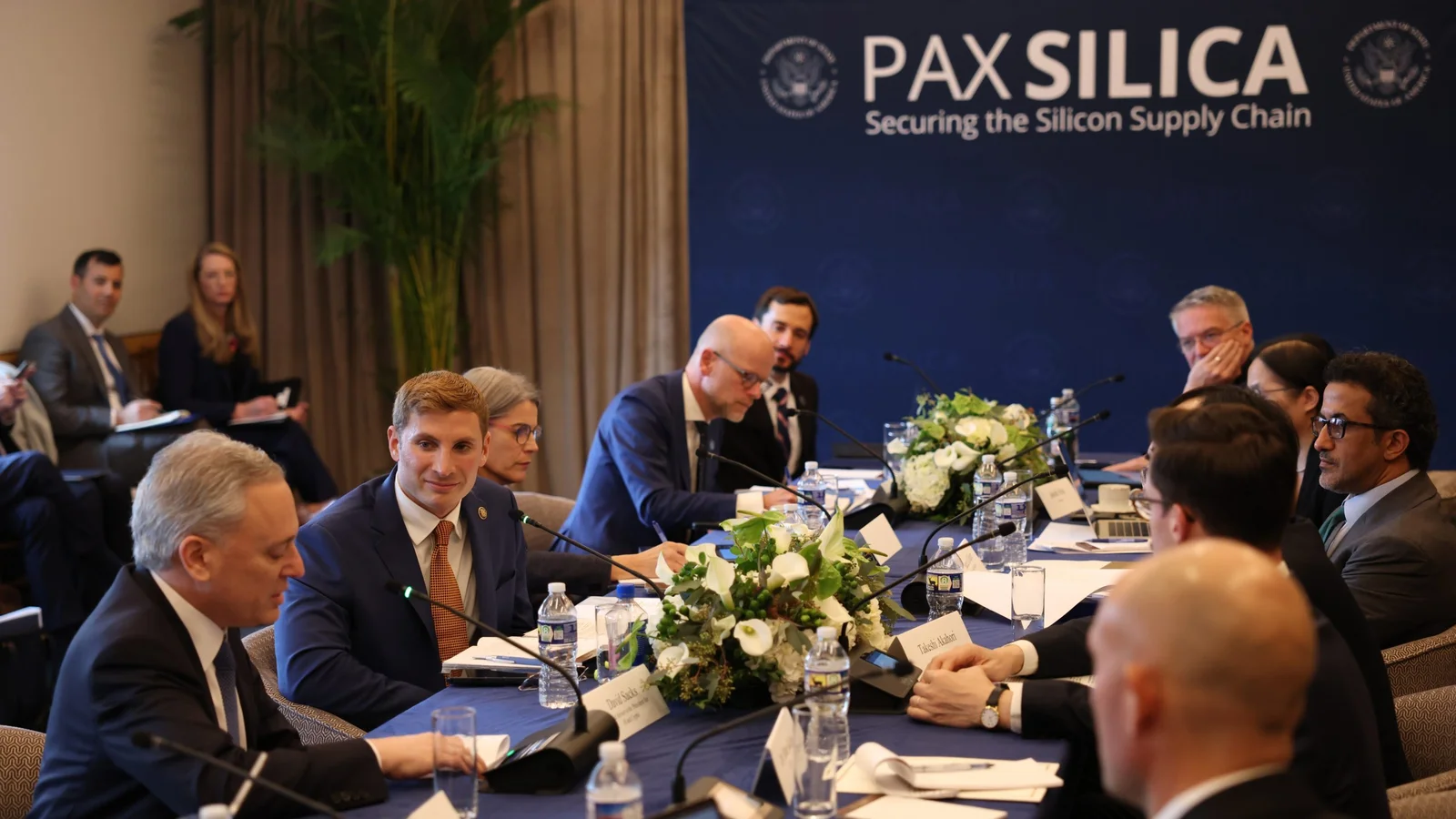
Thank you for reading this post, don't forget to subscribe!The announcement was made during a summit held in Washington, D.C., highlighting growing cooperation between countries on advanced technologies. This step reflects how nations are working together to manage the fast-changing world of AI and digital infrastructure.
What is the Pax Silica AI Initiative
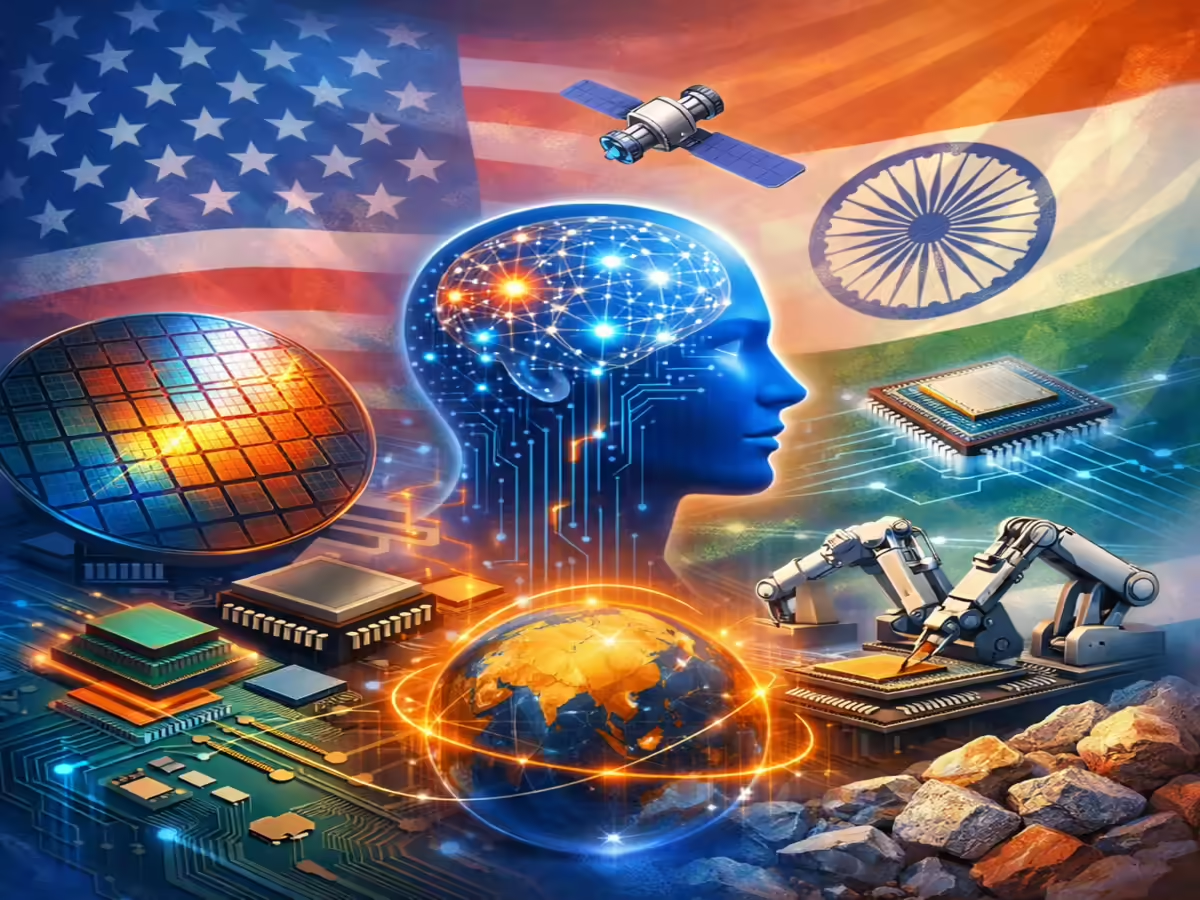
The Pax Silica AI Initiative is a strategic platform designed to coordinate efforts among allied countries in the field of artificial intelligence. It focuses on key areas such as semiconductors, computing power, critical minerals, energy, and digital systems.
The goal is to create a strong and secure supply chain for AI technologies. This includes ensuring that countries have access to essential components like chips and advanced computing systems.
Another important part of the initiative is export control. This means setting guidelines on how sensitive technologies are shared or restricted to maintain security and prevent misuse.
Why the European Union Joined
The decision of the European Union to join the Pax Silica AI Initiative came after discussions among its member states. While some countries had concerns, others supported a unified approach.
Countries like Germany, Italy, and Netherlands supported participation, while France initially raised objections. Eventually, an agreement was reached after assurances that the initiative would remain flexible and non-binding.
This means the European Union can take part in global cooperation without affecting its own internal policies and regulations.
Economic and Trade Implications
Joining the Pax Silica AI Initiative also includes a major commercial aspect. The European Union has agreed to purchase a large volume of AI chips from the United States as part of a broader trade understanding.
This deal is expected to strengthen economic ties and support the development of advanced technologies across regions. It also reflects the increasing demand for semiconductors, which are essential for AI systems, smartphones, electric vehicles, and data centers.
With global supply chains facing disruptions in recent years, such partnerships aim to ensure stability and growth.
Expanding Global Participation
Before the European Union joined, several countries had already become part of the Pax Silica AI Initiative. These include the United Kingdom, Japan, South Korea, India, and Australia.
Other participants include nations from Europe such as Greece, Finland, and Sweden. This wide participation shows that the initiative is becoming a global platform for cooperation in AI and technology.
Germany and the Netherlands have also joined individually, further strengthening Europe’s role in the initiative.
Leadership and Strategic Vision
The Pax Silica AI Initiative is linked to leadership efforts from key policymakers in the United States. Jacob Helberg is known for shaping the framework and promoting international collaboration in AI supply chains.
The initiative reflects a broader strategy to build resilience in technology sectors and reduce dependence on limited sources for critical components.
This approach is becoming increasingly important as countries compete and cooperate in the global technology landscape.
AI Manufacturing and Infrastructure Growth
One of the major developments under the Pax Silica AI Initiative is the creation of manufacturing hubs. In May 2026, the United States and the Philippines launched the first AI manufacturing hub.
This facility is located in the Luzon Economic Security Zone and is spread across a large area. It focuses on producing components and supporting infrastructure for AI technologies.
Such hubs are expected to play a key role in meeting global demand and ensuring a stable supply chain.
Importance in Today’s Tech Landscape
The Pax Silica AI Initiative comes at a time when artificial intelligence is becoming central to many industries. From healthcare and education to defense and finance, AI is shaping the future of economies.
As demand for advanced computing grows, countries are focusing on securing resources and building reliable systems. Initiatives like Pax Silica help create a structured approach to managing these challenges.
They also encourage innovation by bringing together expertise and resources from different parts of the world.
Strategic Cooperation and Future Outlook
The growing participation in the Pax Silica AI Initiative shows that global cooperation is essential in the technology sector. By working together, countries can address challenges such as supply shortages, security risks, and rapid technological changes.
The initiative also highlights the balance between competition and collaboration in today’s world. While nations aim to lead in AI development, they also recognize the need for shared frameworks.
This evolving partnership model is expected to influence how future technologies are developed and managed across the globe.