IAF-Royal Thai Joint Air Exercise Strengthens Regional Air Power Cooperation

The IAF-Royal Thai Joint Air Exercise marks a significant step in deepening military cooperation between Indian Air Force and the Royal Thai Air Force. Conducted as an in-situ air exercise, this engagement focuses on practical cooperation, shared learning, and seamless coordination between the two air forces. It reflects the growing trust and strategic understanding between India and Thailand, two important partners in the wider Indo-Pacific region.
Thank you for reading this post, don't forget to subscribe!This joint exercise is designed to be realistic and operational in nature. Rather than being limited to theory or symbolic drills, it brings frontline aircraft, surveillance systems, and refuelling platforms together in a live environment. Such exercises help both air forces understand each other’s operating styles, procedures, and strengths, making future cooperation smoother and more effective.
Advanced Air Platforms Take Part
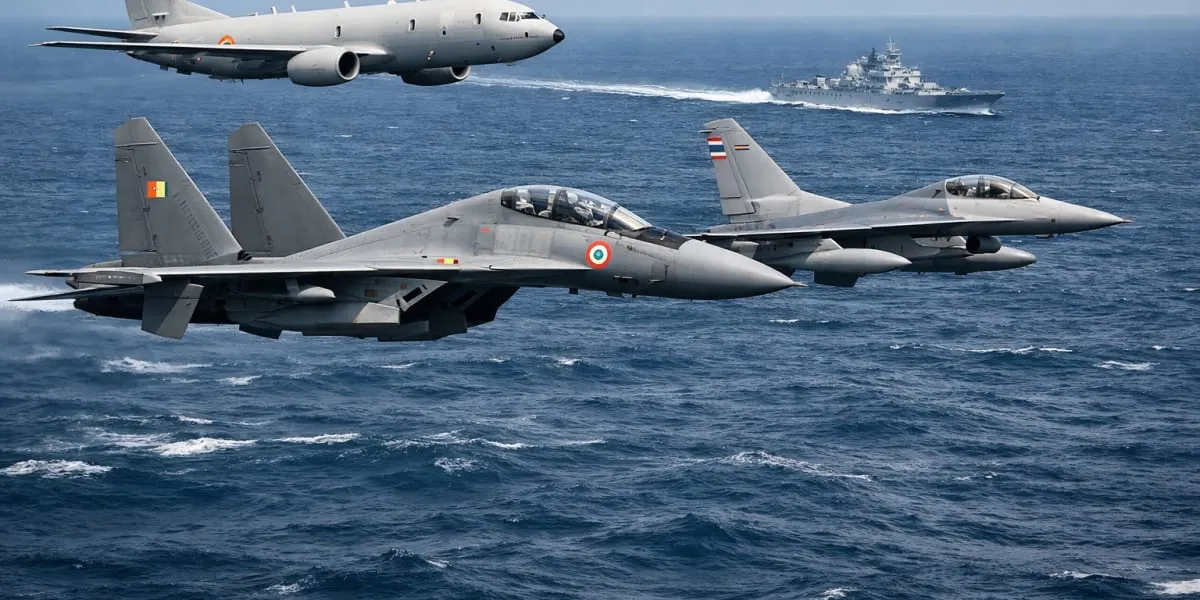
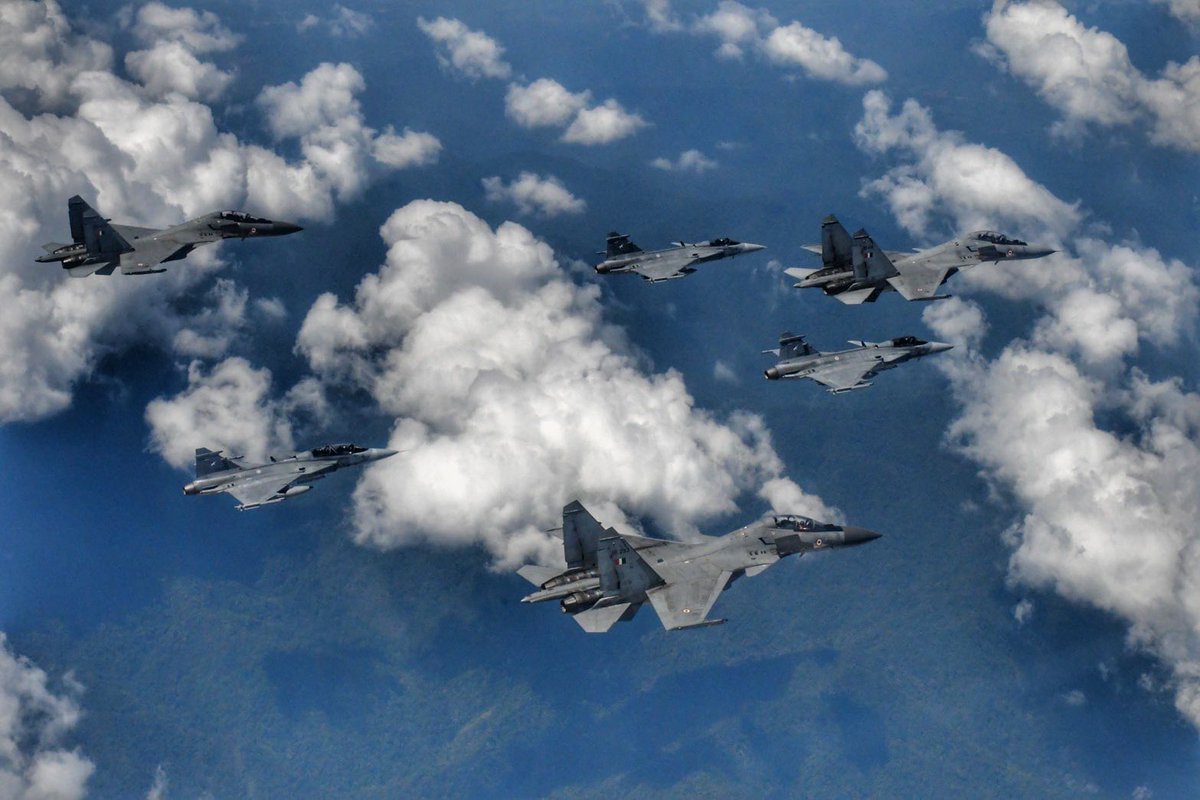
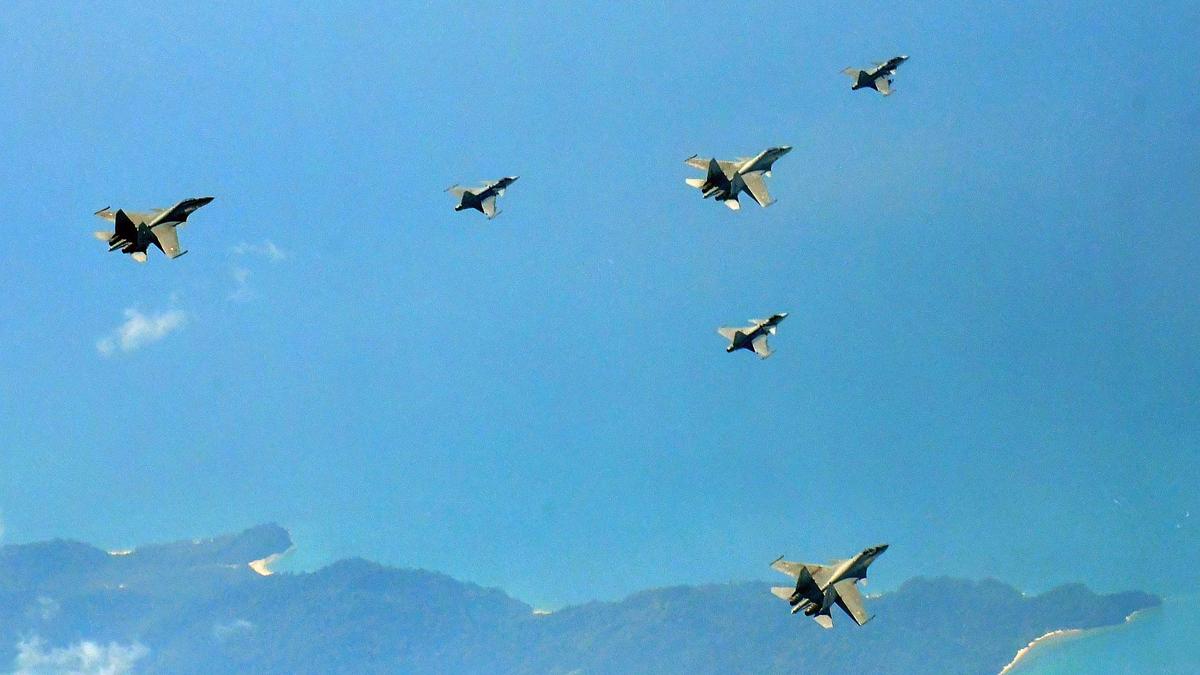
A key highlight of the IAF-Royal Thai Joint Air Exercise is the participation of advanced air platforms from both sides. The Indian Air Force has deployed its Su-30MKI fighter aircraft, which are known for their long range, agility, and multirole capability. These fighters are supported by airborne surveillance assets such as AWACS and AEW&C aircraft, which play a crucial role in monitoring airspace and directing operations.
Another important element is the inclusion of the IL-78 mid-air refuelling aircraft. Air-to-air refuelling extends the range and endurance of fighter jets, allowing them to stay airborne longer and operate farther from their bases. This capability is essential in modern air operations, especially during joint missions that involve long distances and complex coordination.
On the Thai side, the Royal Thai Air Force is participating with its Gripen fighter jets. These aircraft are known for their advanced avionics and network-centric warfare capabilities. Operating alongside Indian platforms allows Thai pilots and planners to gain exposure to different systems and tactics, while Indian personnel benefit from working with a highly capable and modern air force.
Focus On Operational Interoperability
The central aim of the IAF-Royal Thai Joint Air Exercise is to enhance operational interoperability. This means ensuring that both air forces can operate together effectively during complex air missions. Modern air operations depend not only on individual aircraft performance but also on how well different platforms and teams work as one integrated system.
By involving force multipliers such as AWACS and AEW&C aircraft, the exercise tests the ability to share information, coordinate responses, and manage air battles in real time. These platforms act as airborne command and control centres, linking fighters, refuellers, and ground stations into a single operational picture.
Joint mission planning is another important aspect. Pilots and ground crews from both countries plan and execute missions together, learning how decisions are made and communicated in each air force. This builds familiarity and reduces the chances of misunderstanding during real-world cooperation.
Growing Defence Ties Between India And Thailand
The IAF-Royal Thai Joint Air Exercise is part of a broader pattern of growing defence cooperation between India and Thailand. The two countries signed a Memorandum of Understanding on Defence Cooperation in January 2012. Since then, military engagement has steadily expanded across multiple domains.
Defence cooperation now includes joint maritime patrols, regular staff talks, expert-level exchanges, and training programmes. These activities help both sides share best practices and develop a deeper understanding of regional security challenges. Air exercises such as this one add another strong pillar to the defence relationship.
High-level visits have also played an important role. In January 2025, the Chief of Defence Force of the Royal Thai Armed Forces visited India. Such visits signal political and military commitment at the highest levels and provide strategic direction for future cooperation.
Strategic Importance In The Indo-Pacific
The strategic value of the IAF-Royal Thai Joint Air Exercise goes beyond bilateral ties. India and Thailand are maritime neighbours with shared interests in regional security, stability, and freedom of navigation. Their cooperation contributes to a more balanced and secure Indo-Pacific environment.
Thailand’s Act West approach aligns well with India’s Act East Policy, creating natural convergence in outlook and objectives. Through joint exercises, both countries demonstrate their willingness to work together to address common challenges such as disaster response, humanitarian assistance, and maintaining peace in the region.
These exercises also send a positive message about openness and collaboration. They are not directed against any country but aim to promote professionalism, transparency, and mutual respect among regional air forces.
Beyond Defence Cooperation
Bilateral relations between India and Thailand are not limited to defence alone. The two countries share strong ties in trade, tourism, connectivity, education, and science and technology. Defence cooperation benefits from this broader relationship, as trust and understanding in one area reinforce cooperation in others.
People-to-people links are another strong foundation. Around four to five lakh people of Indian origin live in Thailand, contributing to cultural exchange and economic activity. Such connections add depth to the strategic partnership and create goodwill at the societal level.
A Step Forward In Air Power Collaboration
The IAF-Royal Thai Joint Air Exercise highlights how modern defence partnerships are built through regular interaction and shared experiences. By training together with advanced platforms and realistic scenarios, the Indian Air Force and the Royal Thai Air Force are improving their readiness and mutual confidence.
As regional dynamics continue to evolve, such exercises will remain important tools for building stability and cooperation. The current exercise stands as a clear example of how two friendly nations can work together to strengthen air power capabilities while supporting broader regional peace and security.