



Lok Sabha Expansion 850 Seats Proposal Explained

Lok Sabha Expansion 850 Seats is at the center of a major political reform proposed by the Union government. The plan aims to increase the strength of the Lok Sabha from 543 to 850 members. This move is linked with women’s reservation and a new delimitation process.
Thank you for reading this post, don't forget to subscribe!Structure of Lok Sabha Expansion 850 Seats
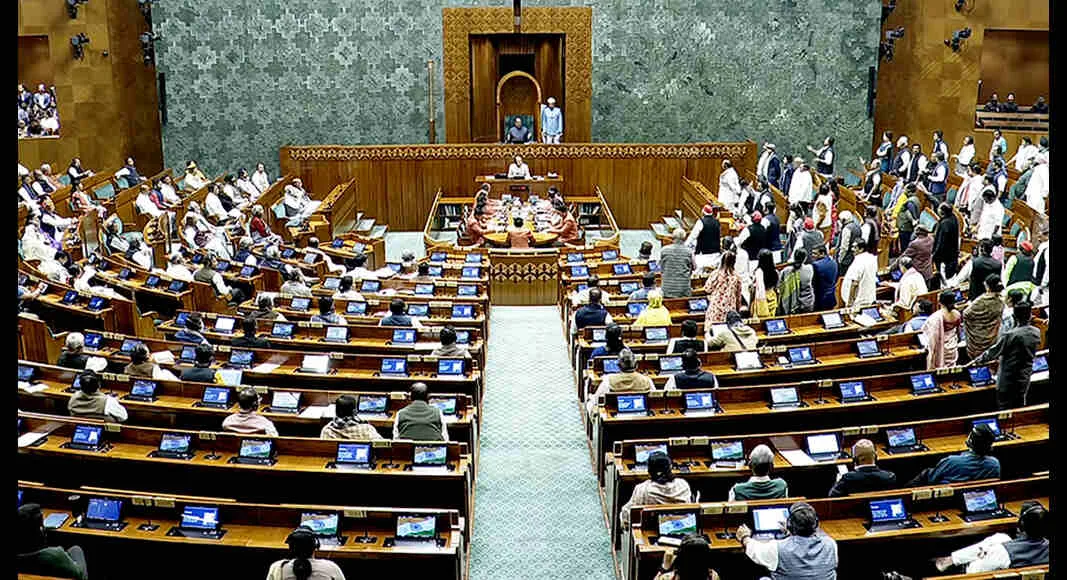
Under the proposal, 815 seats will be allocated to states, while 35 seats will be reserved for Union Territories. This will bring the total strength to 850 members. The changes are expected to come into effect from the 2029 general elections. The expansion is designed to reflect India’s growing population and changing demographics more accurately.
Women’s Reservation and Lok Sabha Expansion 850 Seats
The Lok Sabha Expansion 850 Seats plan supports the implementation of the women’s reservation law. This law provides 33% reservation for women in Parliament and state assemblies. By increasing the total number of seats, the government aims to introduce this quota without reducing the existing seats of current representatives. This approach helps avoid political resistance and ensures smoother implementation.
Delimitation and Lok Sabha Expansion 850 Seats
A fresh delimitation exercise is a key part of the Lok Sabha Expansion 850 Seats proposal. The process will be based on the 2011 Census data and will redraw constituency boundaries. Delimitation helps adjust representation according to population changes. The last such exercise was conducted in 2002 using the 2001 Census.
Opposition Concerns on Lok Sabha Expansion 850 Seats
Several opposition parties have raised concerns about the proposal. They argue that delimitation should be based on updated 2021 Census data, which is yet to be released. Parties like AAP, DMK, and RJD have also demanded a “quota within quota” for women from backward classes. Since this is a Constitutional amendment, it requires a two-thirds majority in Parliament and approval from states, making political consensus very important.