Meadow Katydid Discovery Brings New Life to Kashmir’s Insect World

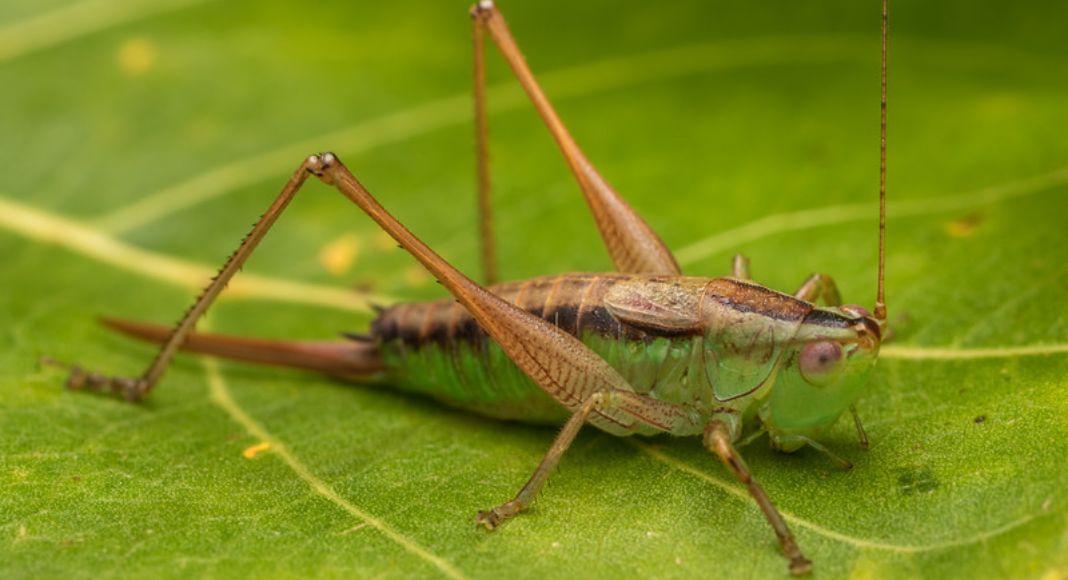
A fresh meadow katydid discovery in Jammu and Kashmir has opened a new chapter in understanding the region’s hidden wildlife. Researchers have found three completely new species of meadow katydids in the Kashmir Valley, showing that the area holds far more insect life than earlier believed. These insects, often called long-horned grasshoppers, were discovered during detailed field surveys across valleys, hills, and forested landscapes.
Thank you for reading this post, don't forget to subscribe!For years, scientists assumed that only one species from this group lived in Kashmir. This new finding challenges that belief and highlights how much of the region’s natural life is still waiting to be explored.
How the Meadow Katydid Discovery Took Shape
The meadow katydid discovery was led by Muzamil Syed Shah along with a team of insect experts from Aligarh Muslim University. The researchers spent long days walking through meadows, bushes, and forest edges across different districts of Kashmir. Their goal was simple: observe, collect, and closely study insects that had been largely ignored in past surveys.
During these explorations, the team noticed clear differences among katydids that were earlier thought to be the same species. Careful observation and later lab work confirmed that they were looking at something entirely new.
Three New Katydids Named After Places and People
As part of this meadow katydid discovery, the team identified three new species from the genus Conocephalus. These species were named Conocephalus usmanii, Conocephalus nagariensis, and Conocephalus ganderbali. The names reflect either the locations where the insects were found or honor respected contributors to insect research in India.
Each species was collected from a different area, showing how local environments play a role in shaping unique insect forms even within short distances.
Why Kashmir’s Landscape Matters
One of the key reasons behind this meadow katydid discovery is Kashmir’s complex geography. The region sits between the Western Himalayas and the Pir Panjal range, creating a mix of valleys, slopes, forests, and grasslands. These varied landscapes act like natural islands, allowing species to evolve separately over time.
The study suggests that mountains and changing climates have helped create small pockets where insects adapt in their own ways. This explains why multiple katydid species can exist so close to each other yet remain distinct.
Tiny Details That Made a Big Difference
To confirm the meadow katydid discovery, researchers used powerful microscopes that can show extremely fine details. Special attention was given to the sound-making structures on male katydids’ wings. These structures help katydids produce their chirping calls and differ slightly from species to species.
By counting tiny teeth and studying body shapes, the team proved that these insects were not just variations but entirely new species never recorded before.
Unique Features of the New Species
Each insect found during the meadow katydid discovery has its own standout traits. One species has a spindle-shaped body part near the tail, another is smaller with a distinct V-shaped feature on the abdomen, while the third shows an extended body plate and a higher number of sound-producing teeth.
These differences may affect how they move, sing, and survive in their surroundings, making them important pieces of Kashmir’s ecological puzzle.
Why This Discovery Matters Beyond Science
This meadow katydid discovery goes beyond naming new insects. It shows that Kashmir may act as a natural pathway for insect movement and evolution across regions. It also reminds us that many small creatures play big roles in maintaining healthy ecosystems.
By placing preserved specimens in a university museum, scientists have ensured that future researchers can continue studying these insects. The discovery also sends a clear message: even familiar landscapes can hold unknown wonders, waiting patiently to be noticed.