



Mount Bromo Wildfire 2026 Indonesia

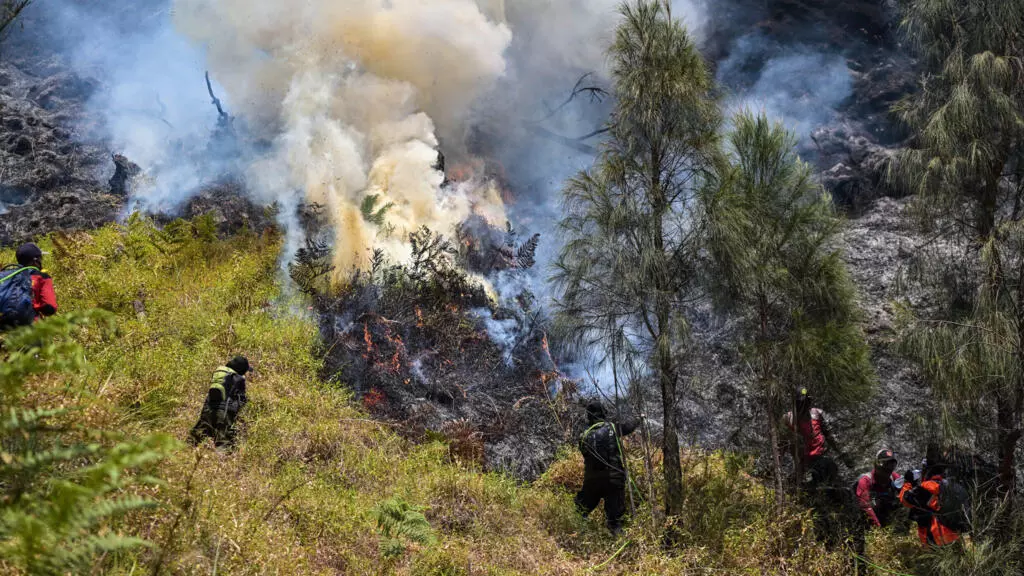
Mount Bromo Wildfire 2026 has become a major environmental concern in Indonesia as a large fire spread across parts of East Java. The wildfire began on 3 August 2026 inside Bromo Tengger Semeru National Park and quickly affected nearby areas. The situation has drawn attention due to the park’s importance as both a natural treasure and a popular tourist destination. Authorities have been working continuously to control the fire and protect the surrounding environment.
Thank you for reading this post, don't forget to subscribe!Wildfire Breaks Out in Protected Area
The fire started within one of Indonesia’s most famous protected regions. Bromo Tengger Semeru National Park is known for its unique volcanic landscapes and natural beauty. When the wildfire began, it spread across areas like Gunung Bromo Watu Gede and Jantur. The dry conditions and strong winds helped the fire move quickly.
Importance of the National Park
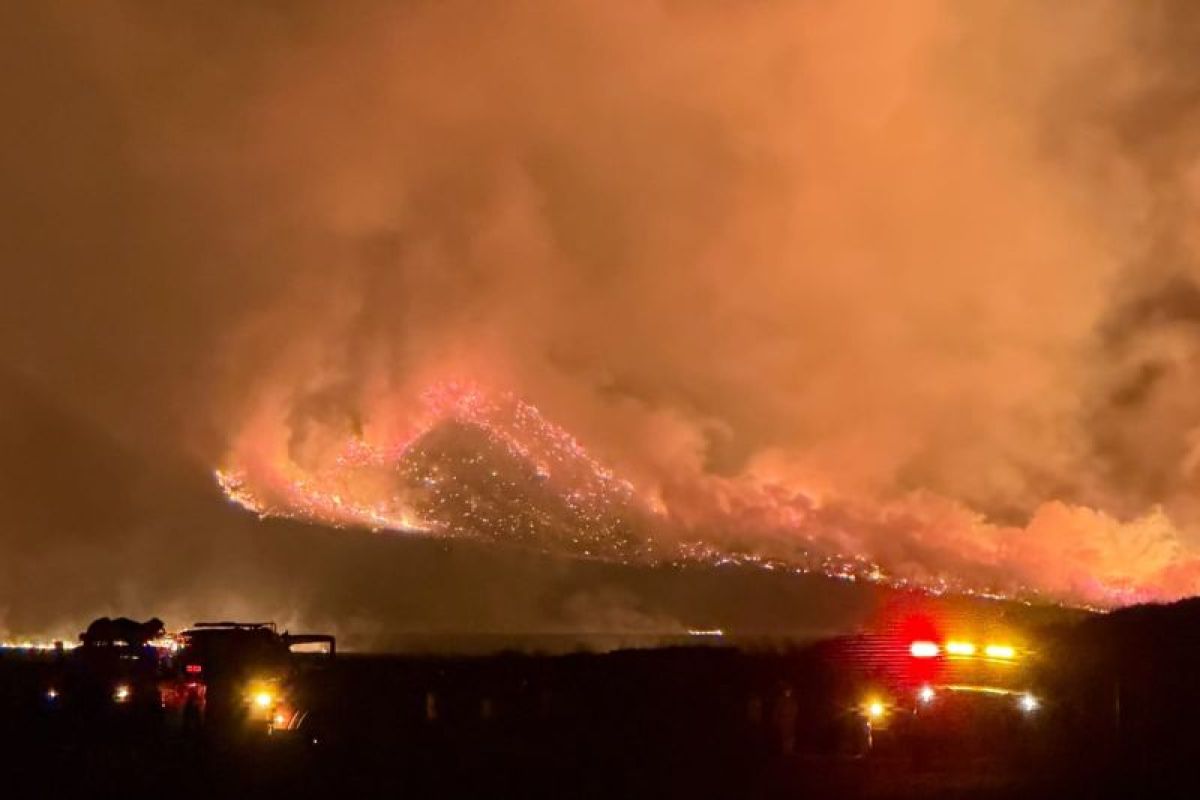
This national park is home to Mount Bromo, an active volcano that attracts visitors from around the world. The region is part of a larger volcanic system known as the Tengger massif. It features a wide caldera, which is a large crater formed after volcanic activity. The park is not only important for tourism but also for biodiversity and conservation.
Fire Spreads Near the Caldera
As the wildfire continued, it reached areas close to the volcano’s caldera. This raised concerns among officials because such regions are sensitive and difficult to access. The terrain around the caldera includes steep cliffs and open sandy areas, making firefighting operations more challenging.
Emergency Response in Action
Authorities quickly responded to the wildfire by deploying emergency teams. Firefighters, disaster response units, and forest officials were sent to the site. Helicopters were used for water-bombing operations, while fire trucks and drones were used to monitor and control the flames. The use of drones helped track the spread of fire in real time.
Use of Technology in Firefighting
Modern technology played an important role in controlling the wildfire. Drones were used to identify hotspots and guide ground teams. Helicopters dropped water over large burning areas, especially those that were difficult to reach. This combination of air and ground efforts helped slow down the fire.
Closure of Tourist Access
To ensure safety, authorities decided to close all entry points to the national park. This decision was made to protect both visitors and rescue teams. The park is a popular destination, but safety became the top priority during the crisis. The closure also helped reduce human activity in the affected area.
Challenges Faced by Rescue Teams
Firefighting teams faced several challenges while dealing with the wildfire. The steep landscape made it hard for vehicles to move freely. Strong winds caused the fire to spread unpredictably. In some areas, firefighters had to rely only on aerial support due to limited ground access.
Hotspots Continue to Appear
Even after initial success in controlling the fire, new hotspots continued to appear. These smaller fires were spread across different parts of the park, covering around 20 hectares. This made it necessary for teams to remain on alert and continue monitoring the situation.
Large-Scale Deployment of Resources
More than 120 emergency personnel were involved in the operation. Several helicopters, fire trucks, and water-spraying drones were used. The scale of the response shows how serious the situation was and how important the park is for Indonesia.
Possible Cause of the Wildfire
Authorities believe that the wildfire may have been caused by human carelessness. It is suspected that activities along visitor routes may have triggered the initial fire. Such incidents highlight the importance of responsible behavior in natural areas.
Government Action and Monitoring
Government officials have been closely monitoring the situation. Efforts are ongoing to fully extinguish all active fire zones. Continuous water-bombing operations are being carried out to prevent the fire from spreading further.
Impact on Environment and Wildlife
Wildfires can have serious effects on the environment. They destroy vegetation, affect wildlife habitats, and can take years for the ecosystem to recover. In a protected area like this, the damage can be significant and long-lasting.
Climate Conditions and Fire Risk
Dry weather and changing climate conditions increase the risk of wildfires. Many regions around the world are facing similar challenges. Rising temperatures and reduced rainfall create conditions where fires can start and spread more easily.
Global Attention on Natural Disasters
The Mount Bromo wildfire has gained attention beyond Indonesia. Natural disasters like wildfires are becoming more frequent and intense in many parts of the world. This has raised concerns about environmental protection and climate change.
Role of Public Awareness
Preventing such incidents requires public awareness and responsible actions. Visitors to natural parks must follow safety guidelines and avoid activities that could start fires. Awareness campaigns can help reduce risks in the future.
Ongoing Efforts to Control the Fire
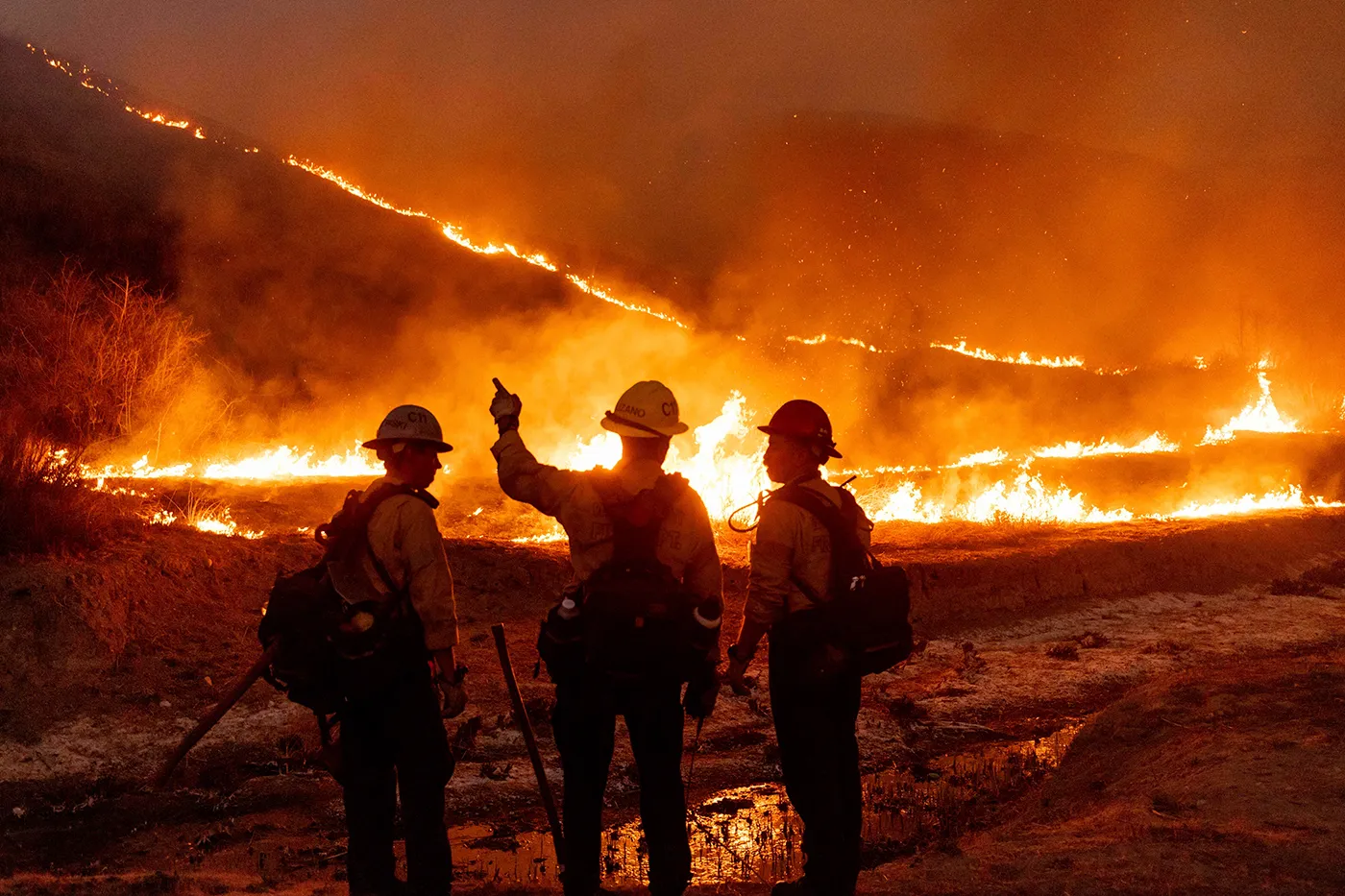
Firefighting teams continue to work on controlling the remaining hotspots. The situation is being monitored closely to ensure that the fire does not spread again. Authorities are focused on restoring safety and protecting the park’s natural resources.
Focus on Recovery and Protection
Once the fire is fully controlled, efforts will shift toward recovery. This includes assessing damage, restoring vegetation, and improving safety measures. Protecting such natural areas is important for future generations.