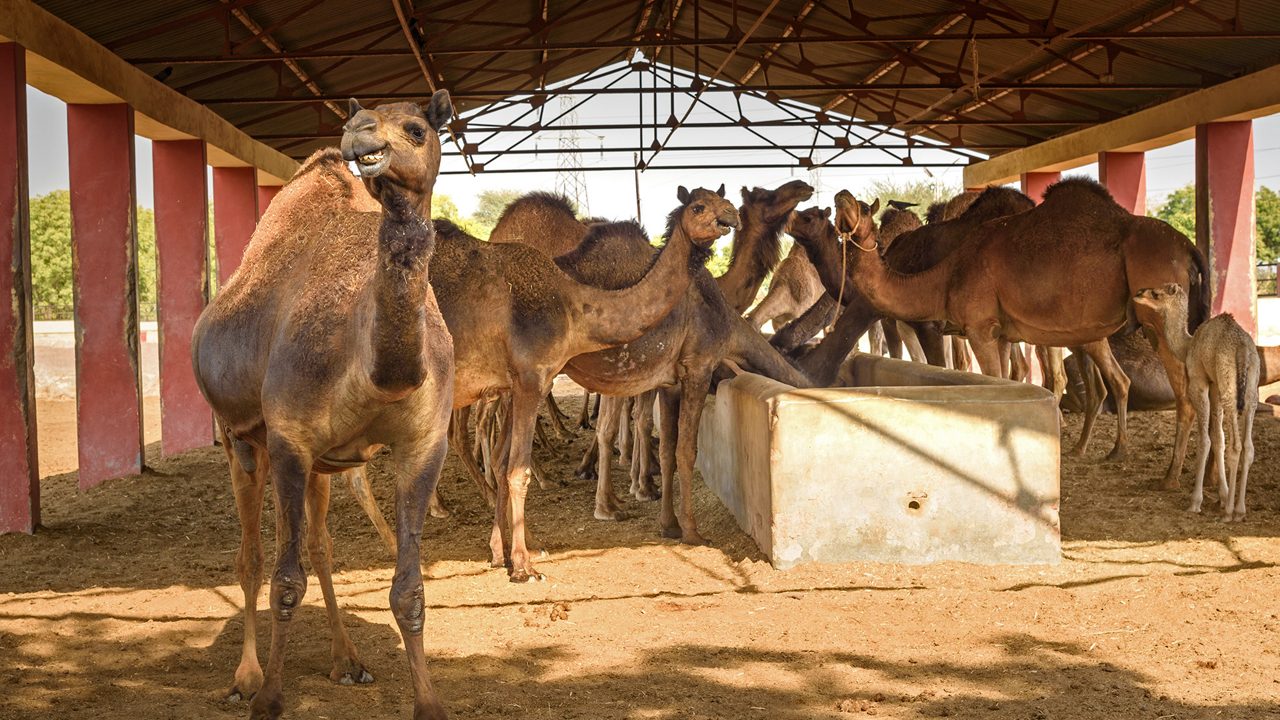
National Camel Sustainability Initiative India: Reviving the Ship of the Desert

India is witnessing a severe decline in its camel population an alarming trend that threatens both cultural heritage and desert ecology. To tackle this, the Ministry of Fisheries, Animal Husbandry and Dairying has introduced the National Camel Sustainability Initiative (NCSI). This landmark mission seeks to revive camel populations and restore their ecological and economic importance in arid and semi-arid regions.
Thank you for reading this post, don't forget to subscribe!The initiative follows a draft policy prepared in collaboration with the Food and Agriculture Organization (FAO), which was circulated for public feedback in 2025. The move marks a significant step toward integrating camel conservation with rural livelihoods and sustainable livestock management in India.
National Camel Sustainability Initiative India: Addressing the Decline of Camel Population
Over the past four decades, India’s camel population has plummeted from around 11 lakh in 1977 to just 2.52 lakh in 2019. This sharp decline has raised concerns about the future of pastoral communities that rely on camels for transport, dairy, and agriculture.
Rajasthan and Gujarat, which together host nearly 90% of India’s camel population, have been hit hardest. The decline has disrupted the traditional lifestyle of camel herders such as the Raika, Rabari, and Bishnoi communities, who have long served as custodians of desert ecosystems.
Camels often called the “Ship of the Desert” play an essential role in maintaining ecological balance in arid zones. They support livelihoods through milk, wool, and transport, and their adaptive grazing behavior helps preserve fragile desert vegetation. However, a combination of policy neglect, mechanization, and restricted trade regulations has endangered their survival.
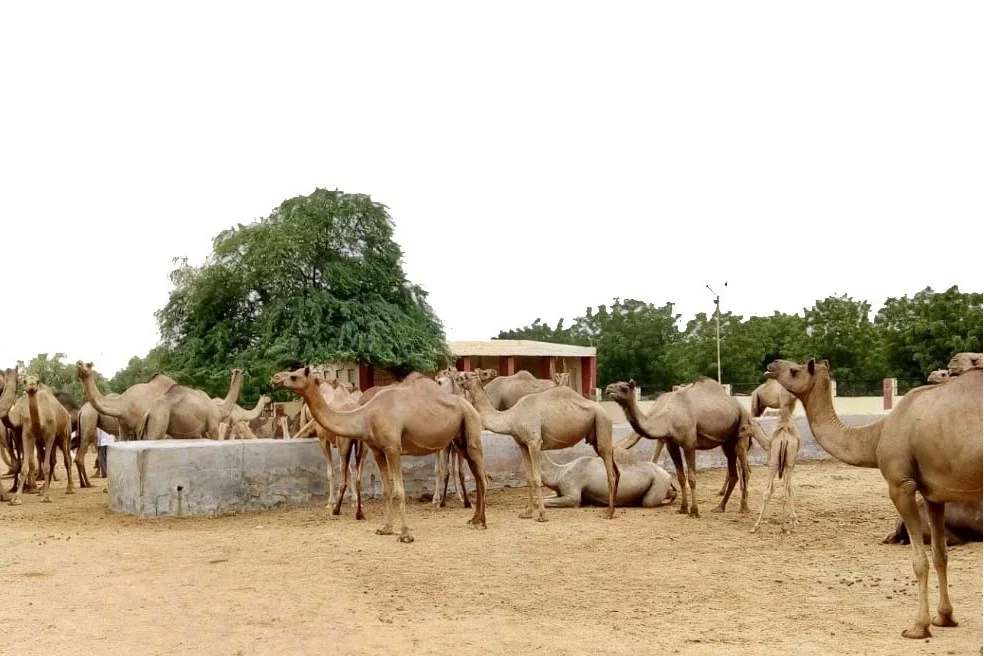
The National Camel Sustainability Initiative India aims to reverse this trend through targeted conservation and community engagement.
Objectives of the National Camel Sustainability Initiative India
The NCSI outlines a comprehensive plan with three core objectives conservation, livelihood security, and ecological restoration. The mission involves coordination among central ministries, state governments, and rural development agencies to ensure cohesive execution.
Key objectives include:
- Strengthening breeding and healthcare programs for camel herds through veterinary support and genetic improvement.
- Establishing camel sanctuaries and breeding centers in Rajasthan, Gujarat, and Haryana to ensure population stability.
- Supporting pastoral livelihoods by promoting camel-based industries such as dairy, tourism, and handicrafts.
- Encouraging sustainable utilization of camel resources like milk, wool, and dung without harming animal welfare.
- Promoting research and innovation in camel genetics, disease management, and climate adaptation.
Through these steps, the National Camel Sustainability Initiative India seeks to create a self-sustaining ecosystem where camel conservation aligns with rural economic growth.
Policy and Legal Reforms under National Camel Sustainability Initiative India
The draft policy under NCSI emphasizes strong legislative reforms to modernize outdated frameworks. One major recommendation is the review of the Rajasthan Camel (Prohibition of Slaughter and Regulation of Temporary Migration or Export) Act, 2015.
While the Act was initially aimed at protection, it inadvertently limited trade and mobility, making camel herding economically unsustainable. The new proposal suggests balancing conservation laws with the rights of pastoralists, ensuring that protection does not translate into economic hardship.
The initiative also advocates for:
- Regulated inter-state camel trade with traceable mechanisms to prevent illegal practices.
- Development of e-market platforms for camel products such as milk, wool, and leather to promote entrepreneurship.
- Improved transport and veterinary infrastructure to ensure animal welfare during trade and movement.
These reforms will help integrate camels into mainstream livestock development, aligning economic interests with conservation priorities.
Awareness and Cultural Promotion through National Camel Sustainability Initiative India
Beyond policy and infrastructure, the NCSI emphasizes the revival of camel culture within India’s collective consciousness. The initiative proposes a variety of awareness and educational measures to build empathy and recognition for camels’ ecological and historical roles.
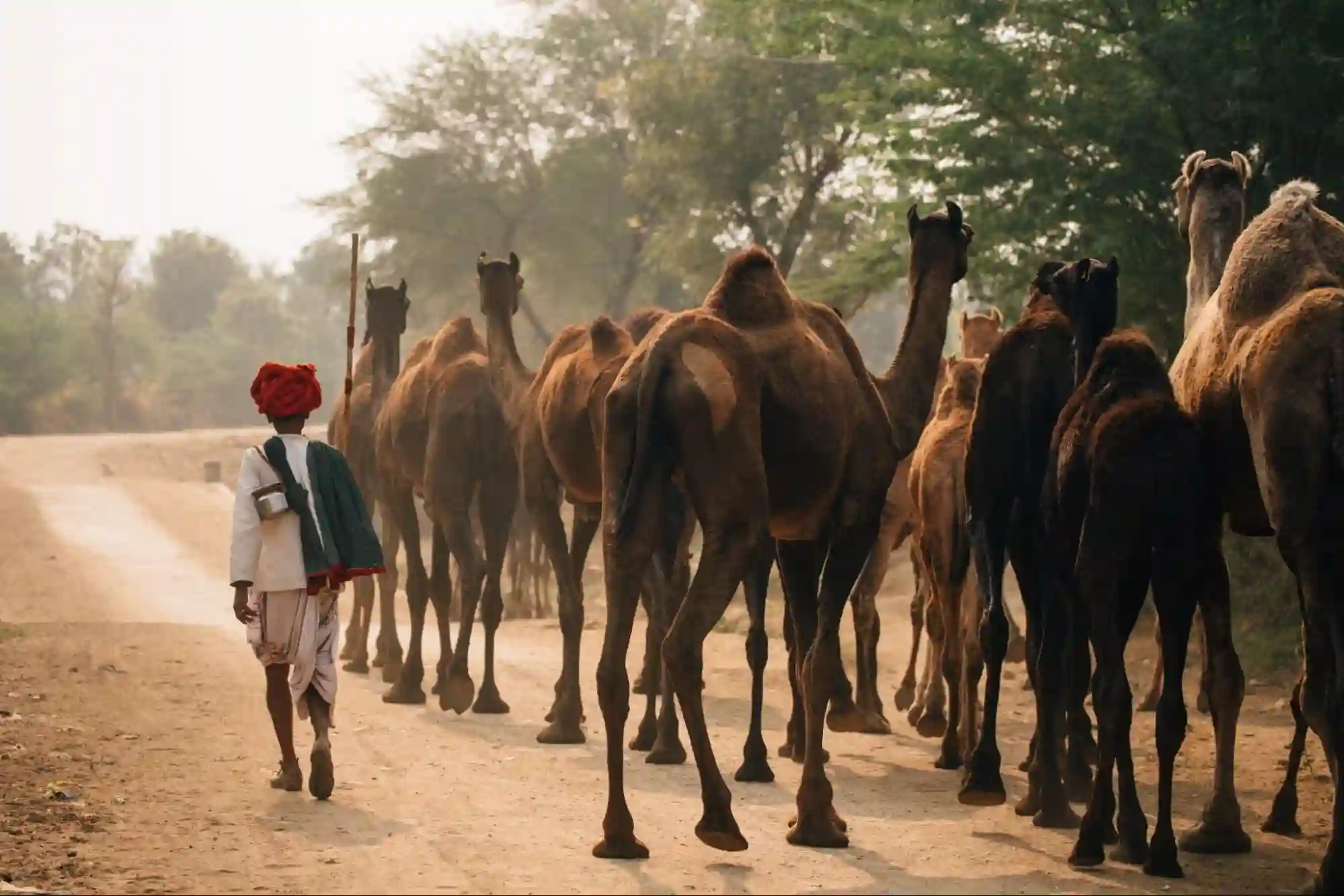
Key cultural promotion activities include:
- Integrating camel-related content into school curricula, especially in desert regions.
- Encouraging camel fairs and festivals, such as the Pushkar Fair, to celebrate camel heritage.
- Institutionalizing World Camel Day (June 22) as a national event to raise awareness about conservation and sustainable camel products.
- Launching public campaigns that highlight the nutritional benefits of camel milk and its potential as a sustainable food source.
Such initiatives will not only rekindle pride in India’s desert traditions but also promote eco-tourism and local enterprise around camels.
Challenges and Implementation Strategy of National Camel Sustainability Initiative India
Despite its ambitious goals, the National Camel Sustainability Initiative India faces several challenges. Camels have historically received limited attention in livestock policies, which have primarily focused on cattle, poultry, and dairy industries.
Past interventions were fragmented, underfunded, and lacked long-term planning. To succeed, the NCSI will require:
- Robust funding mechanisms to support breeding programs, infrastructure, and veterinary care.
- Inter-departmental coordination between environment, tourism, and animal husbandry ministries.
- Active participation of pastoral communities to ensure on-ground effectiveness.
- Scientific monitoring and evaluation systems to track progress in population recovery.
The mission’s success depends on its ability to blend traditional wisdom with modern science recognizing pastoralists as conservation partners rather than beneficiaries.
If implemented effectively, the National Camel Sustainability Initiative India could restore the dignity of camel herders, revive the economic potential of camel products, and ensure the survival of this iconic species that has shaped the history and ecology of India’s deserts for centuries.