



Project Hawk Eye Security

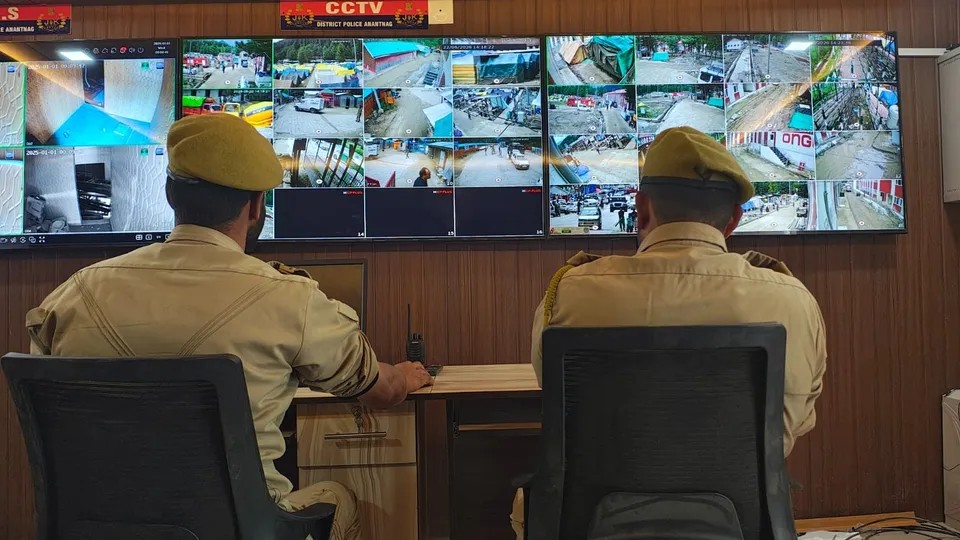
Project Hawk Eye is now a major focus in India’s security planning as authorities introduced this advanced surveillance system for the 2026 pilgrimage season. Launched in Anantnag, the project aims to ensure safety during the Shri Amarnath Ji Yatra, one of the most important religious journeys in the country.
Thank you for reading this post, don't forget to subscribe!This initiative uses modern technology along with traditional security methods to monitor large crowds and sensitive routes. It reflects how India is adopting smart surveillance systems to manage high-footfall events in a safer and more efficient way.
Importance of Amarnath Yatra Security
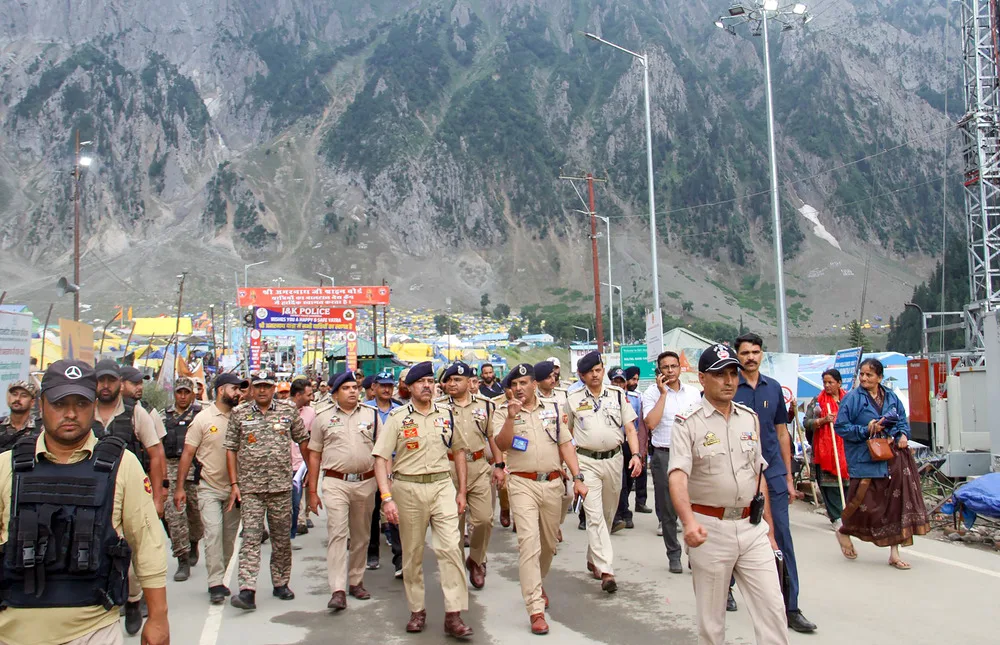
The Amarnath Yatra takes place in the Himalayan region of Jammu and Kashmir, where thousands of pilgrims travel through challenging terrain to reach the sacred cave shrine.
The routes, mainly through Pahalgam and Baltal, pass through remote and high-risk areas. Due to the large number of visitors and the geographical conditions, security becomes a top priority every year.
In 2026, authorities strengthened arrangements by declaring these routes as no-fly zones. This step prevents unauthorized drones or aircraft from entering sensitive areas, reducing potential risks.
Multi-Layered Surveillance System
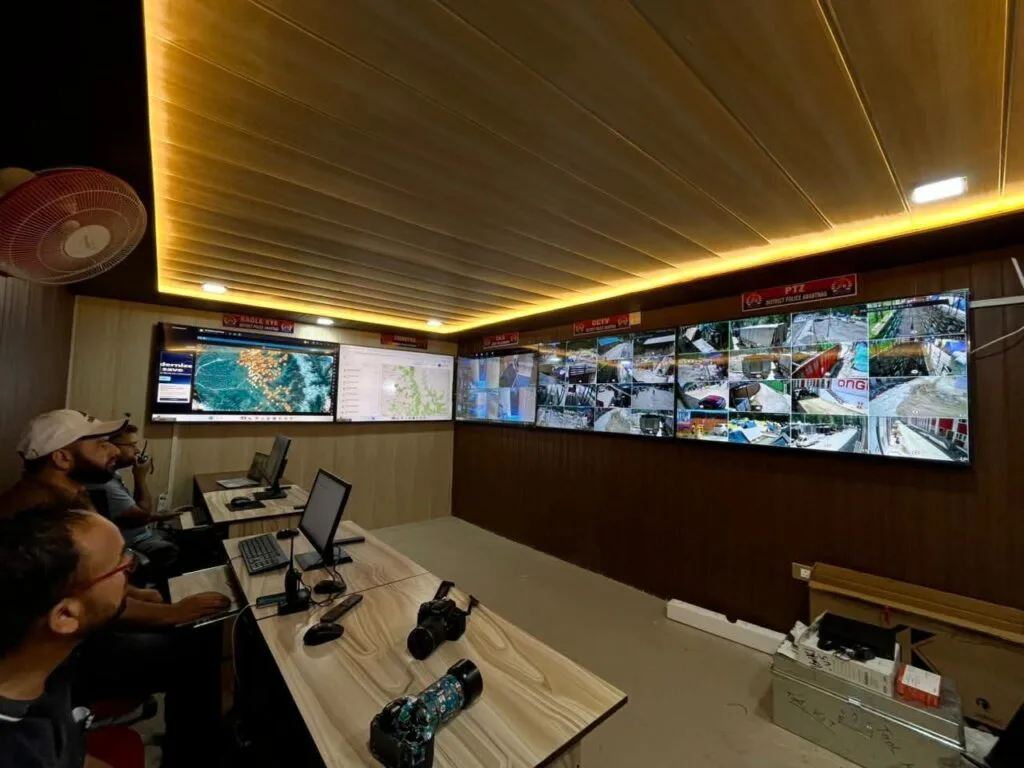
Project Hawk Eye is built on a multi-layered security system that combines aerial monitoring, ground surveillance, and digital tracking.
Drones are deployed at key points to provide real-time aerial views. These drones help security teams track movement, identify unusual activity, and respond quickly if needed.
On the ground, hundreds of CCTV cameras have been installed across important locations. These cameras offer continuous monitoring and help maintain order during peak travel periods.
Use of Advanced Technology
One of the key features of Project Hawk Eye is the use of Facial Recognition Systems. This technology helps identify individuals by analysing facial features through digital images.
It can assist security agencies in detecting suspicious persons or tracking missing individuals. Such systems are increasingly used worldwide in public safety operations.
The project also uses high-resolution cameras and communication tools to ensure that information flows quickly between different security teams.
Role of Observation Posts and Sniper Teams
Apart from digital tools, physical security measures play a strong role in Project Hawk Eye. Elevated observation posts, known as Machan Morchas, are set up at strategic points.
These posts allow security personnel to monitor large areas from a height, especially in difficult terrain. Trained sniper teams are also positioned along the route to respond to any potential threats.
This combination of technology and human presence creates a strong security network across the pilgrimage path.
Real-Time Monitoring and Coordination
One of the biggest advantages of Project Hawk Eye is real-time monitoring. All surveillance inputs, including drone footage and CCTV feeds, are connected to control centres.
This allows officials to track situations as they happen and take quick action when needed. It also improves coordination between different agencies involved in security.
In large events like the Amarnath Yatra, quick decision-making can make a significant difference in ensuring safety.
Link to Global Surveillance Trends
Project Hawk Eye also reflects a global trend where countries are investing in smart surveillance systems. Technologies like drones, AI-based recognition, and real-time data analysis are becoming common in public safety.
The mention of HawkEye 360 highlights how advanced surveillance tools are also being used in areas like maritime monitoring. India’s growing use of such technologies shows its focus on modernising security systems.
These developments are not limited to defence but are also used in disaster response, border monitoring, and urban security.
Managing Large Crowds with Technology
Handling large crowds is always a challenge, especially in religious events. Project Hawk Eye helps manage this by providing better visibility and control.
Security teams can monitor crowd movement, prevent overcrowding, and guide pilgrims more effectively. This reduces the chances of accidents and improves the overall experience for visitors.
The use of technology also helps reduce manual workload, allowing personnel to focus on critical tasks.
Growing Role of Smart Security in India
India is increasingly using smart solutions to manage public events and infrastructure. From smart cities to digital health systems, technology is becoming a key part of governance.
Project Hawk Eye fits into this larger trend by showing how surveillance and data can improve safety in real-world situations.
As more events and public spaces adopt such systems, security management is expected to become more efficient and responsive.