




Russia Stanford Undesirable Label Triggers Academic Freedom Concerns

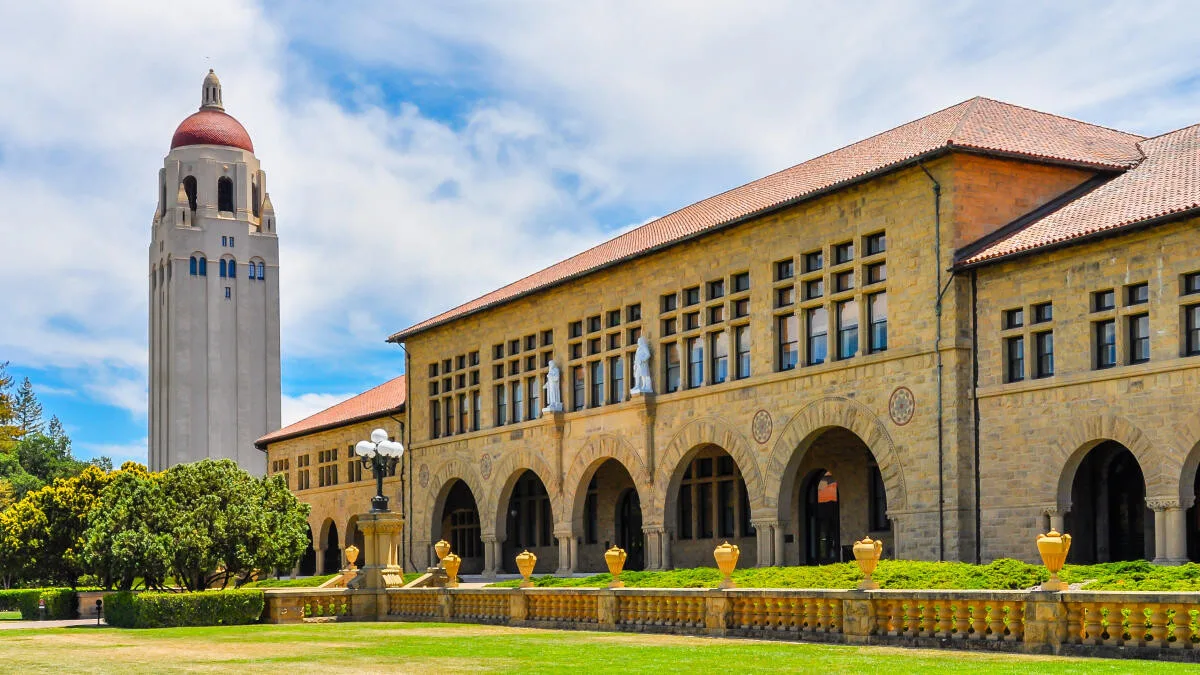
The Russia Stanford Undesirable Label has drawn global attention after Russia officially declared Stanford University an “undesirable organisation.” The decision makes any connection with the university illegal for Russian citizens and adds pressure on foreign academic ties.
Under Russian law, students linked with Stanford could face up to four years in prison. Organisers or people working with the university may face up to six years in jail. This move has created serious concerns among students and education experts.

Russia Stanford Undesirable Label Part of Wider Crackdown
The Russia Stanford Undesirable Label is part of a broader campaign against foreign institutions. Stanford has become one of at least 19 Western universities blacklisted by Russia in recent years.
More than 200 foreign organisations, including Yale University, Amnesty International, and the British Council, have also received the same designation. These actions are linked to Russia’s 2015 law on “undesirable organisations,” which has increasingly been used to limit foreign influence.
Academic Freedom Faces New Challenges
Critics say the Russia Stanford Undesirable Label could harm academic freedom and reduce intellectual exchange. The ban also covers Stanford’s Centre for Russian, East European, and Eurasian Studies, adding more restrictions.
Human rights groups argue that such steps limit free expression and reduce access to international education. Many experts believe these policies have become stricter since the Russia-Ukraine War.
Impact on Students and Research Collaboration
The Russia Stanford Undesirable Label may have long-term effects on higher education. Experts warn Russian students could become more isolated from global research networks.
Restrictions on academic cooperation may weaken research opportunities inside Russia. Some believe more students may look for education abroad due to growing limits at home.
Key Developments Around the Law
Russia introduced the “undesirable organisations” law in 2015. Since then, it has been used against many foreign groups, including universities, civil society bodies, and rights organisations.
The latest move against Stanford shows rising tensions between Russia and Western academic institutions, especially in education and research.