Russian Paralympics Ban Lifted for 2026

The Russian Paralympics Ban has officially been lifted for the upcoming Winter Games, opening the door for athletes from Russia and Belarus to compete with full national identity at the Milano-Cortina 2026 Winter Paralympics. The decision was confirmed by the International Paralympic Committee (IPC), signaling a major shift in international sports governance after years of restrictions.
Thank you for reading this post, don't forget to subscribe!For the first time since 2022, athletes from both countries will march under their own flags and hear their national anthems if they win medals. This move changes the tone of the Games and restores national recognition that had been removed during a tense geopolitical period.
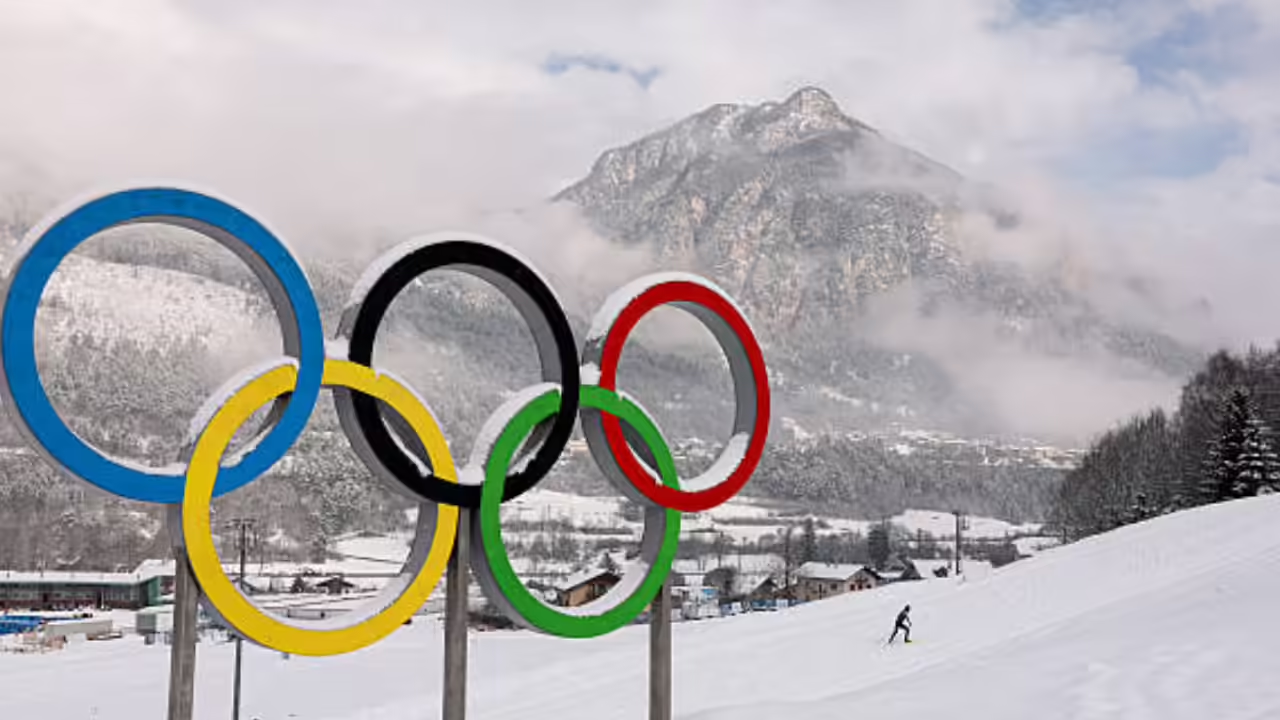
The Paralympics will take place in northern Italy, alongside the Winter Olympics, turning the region into the center of global winter sports in 2026.
Russian Paralympics Ban: Limited Quotas but Full Recognition
Although the ban has been lifted, participation will be limited through a strict quota system. Russia has received six slots across three winter disciplines:
- Para-alpine skiing – 2 athletes
- Para cross-country skiing – 2 athletes
- Para-snowboard -2 athletes
The IPC stated that the allocation ensures participation from both male and female athletes, maintaining gender balance while keeping overall numbers controlled.
Belarus has been granted four slots, all in Para cross-country skiing. Officials clarified that competitors from both nations will be treated like athletes from any other country during competition.
Importantly, if these athletes reach the podium, medal ceremonies will include their national flags and anthems – a symbolic change from recent Games where they competed under neutral banners.
The decision applies only to the Paralympics. It does not automatically guarantee similar participation in the Winter Olympics, which are governed separately by the International Olympic Committee.
Russian Paralympics Ban: Why the Ban Was Introduced
The restrictions originally followed major geopolitical developments in 2022. In response to international tensions, sports bodies imposed sanctions on Russian participation across many events.
However, Russia had already faced limits due to a state-sponsored doping scandal uncovered years earlier. Since 2014, athletes often competed under neutral status, without national symbols.
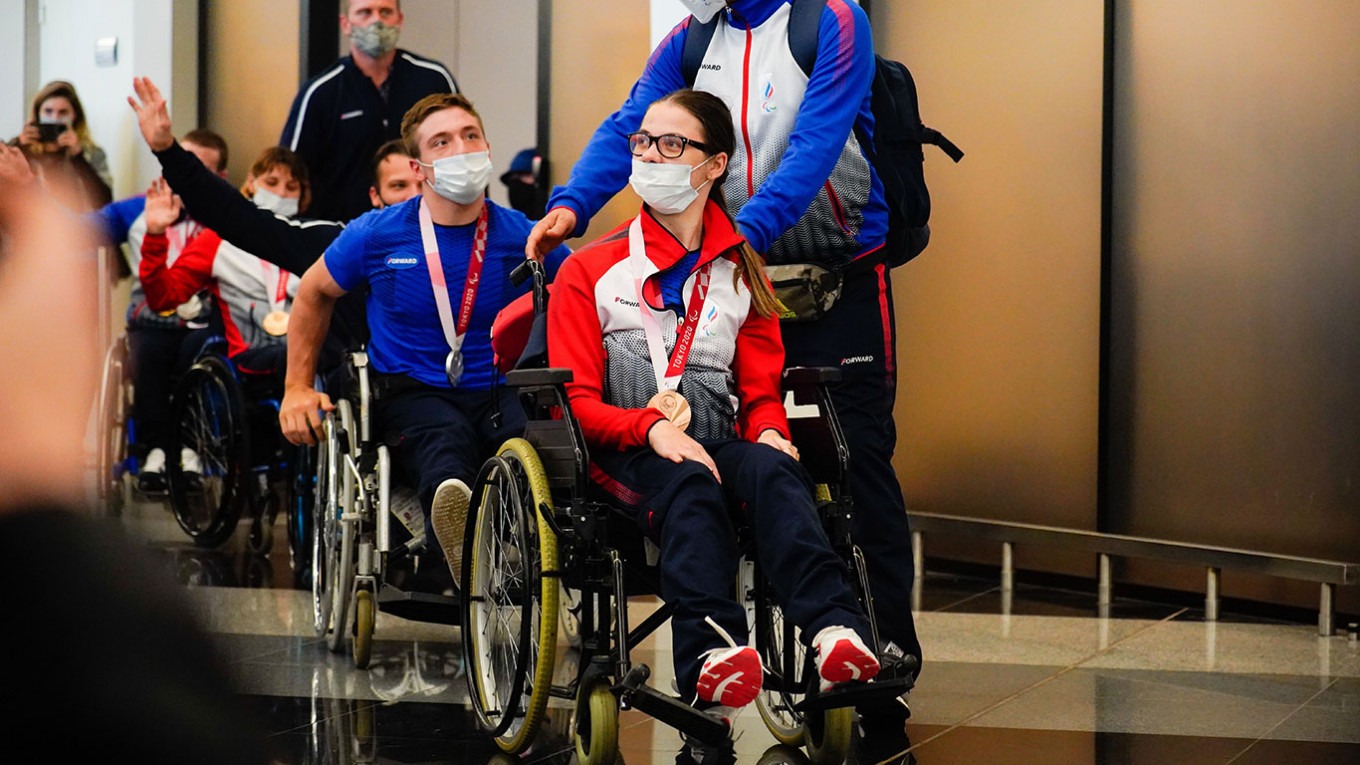
During the ban period, some competitors were allowed to participate individually if they met strict neutrality conditions. They wore neutral uniforms and did not represent their countries officially.
The latest IPC decision shows a policy shift, reflecting changing priorities within international sport. Officials emphasized inclusion while still maintaining safeguards for fair competition.
Russian Paralympics Ban: Star Athletes Preparing for Milan-Cortina
Several well-known Paralympians are expected to compete under the restored framework.
Among them is Aleksey Bugaev, a three-time Paralympic champion in alpine skiing. His return could significantly influence medal standings.
In cross-country skiing, competitors such as Ivan Golubkov and Anastasiia Bagiian are also expected to participate. Both athletes have strong international records and could challenge top contenders.
Their presence adds depth to the competition and increases global interest in the Nordic events.
Russian Paralympics Ban: Changing National Allegiances in Winter Sports
The winter sports scene has also been shaped by athlete migration and nationality changes.
One notable case is Vladimir Semirunniy, originally from Yekaterinburg. After relocating abroad, he chose to represent Poland. Following the required waiting period, he returned to international competition and recently earned a silver medal in the men’s 10,000-metre event in Milan.
Such moves reflect how political and sporting decisions can reshape athletes’ careers, sometimes leading them to compete under new flags.
Impact on Competitive Balance
Russia has traditionally been strong in winter Paralympic sports, particularly in alpine and Nordic events. Their return is expected to increase competition levels across multiple disciplines.
Countries that dominated recent Games in their absence may now face stronger challenges. At the same time, fans worldwide will see a fuller field of top athletes, which often leads to more exciting races and closer finishes.
Belarus, though smaller in delegation size, also has experienced cross-country skiers who could influence medal tables.
Focus on Sport Over Politics
IPC officials stressed that the decision aims to refocus attention on athletic performance rather than eligibility debates. By allowing full national participation, organizers hope to reduce controversies that overshadow competitions.
The Paralympic movement has long promoted inclusion and unity through sport. Restoring participation aligns with that philosophy while acknowledging the complex realities of international relations.
The Games also coincide with the Olympic Truce tradition, supported by the United Nations, which encourages peace during Olympic and Paralympic events.
Russian Paralympics Ban and Preparations for a Historic Winter Games
Milano-Cortina 2026 will be one of the largest winter sports events ever hosted in Italy. Multiple cities and mountain venues will share competitions, creating a festival atmosphere across the region.
Organizers are investing heavily in infrastructure, accessibility improvements, and sustainable transport systems. The Paralympics, in particular, will highlight inclusive design and technology that supports athletes with disabilities.
With the return of Russian and Belarusian competitors, ticket demand and global viewership are expected to rise further.
Russian Paralympics Ban: A New Chapter for International Sport
The lifting of the Russian Paralympics Ban marks a turning point after years of restrictions and uncertainty. It restores national representation while keeping participation controlled through quotas.
Athletes who trained for years under difficult conditions will now have the opportunity to compete on the world’s biggest stage with full recognition. Fans, meanwhile, will witness a broader and more competitive field.
As the countdown to 2026 continues, attention will shift toward performance, preparation, and the stories of athletes striving for excellence in the snow-covered arenas of northern Italy.