


India Rice Agreement with WFP Strengthens Food Aid

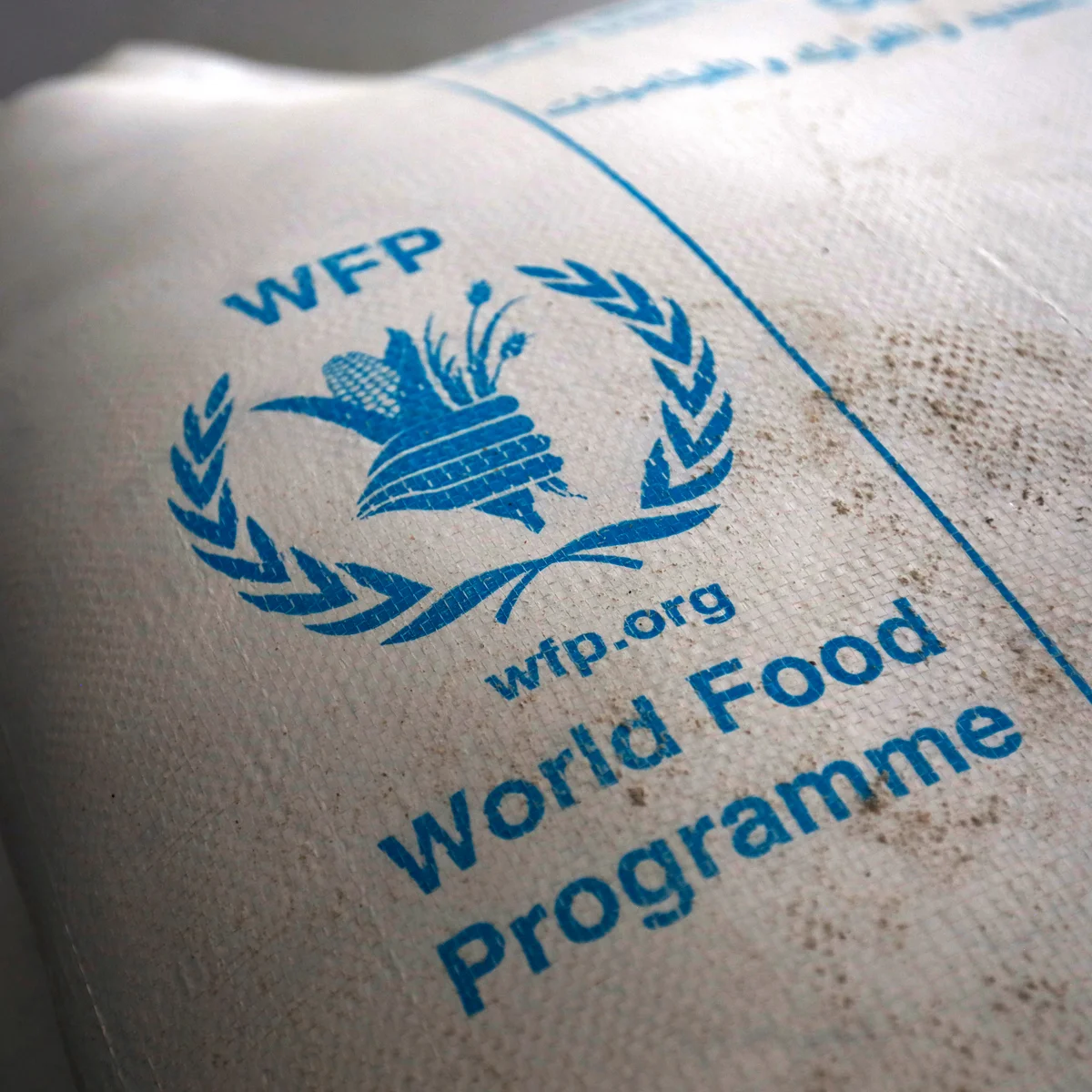
India Rice Agreement with WFP marks an important step in expanding India’s role in global hunger relief. Under this five-year partnership, India will supply rice to the World Food Programme (WFP) to support emergency food operations in different parts of the world. As food insecurity continues to rise due to conflicts, climate change, and economic challenges, this agreement highlights India’s commitment to supporting vulnerable populations.
Thank you for reading this post, don't forget to subscribe!In recent times, many regions across Africa and West Asia have faced severe food shortages. Ongoing wars have displaced millions of people, while extreme weather events such as droughts and floods have damaged crops. Rising global prices and supply chain disruptions have made basic food items less affordable. International aid agencies are under pressure as demand for food assistance grows. In such a situation, stable partnerships like this one are crucial.
Scope of the India Rice Agreement with WFP
The agreement has been signed between the Food Corporation of India (FCI) and the World Food Programme. According to the terms of the Memorandum of Understanding, India will supply up to 200,000 metric tonnes of rice over five years. The rice will be distributed in countries facing emergency situations and serious food shortages.
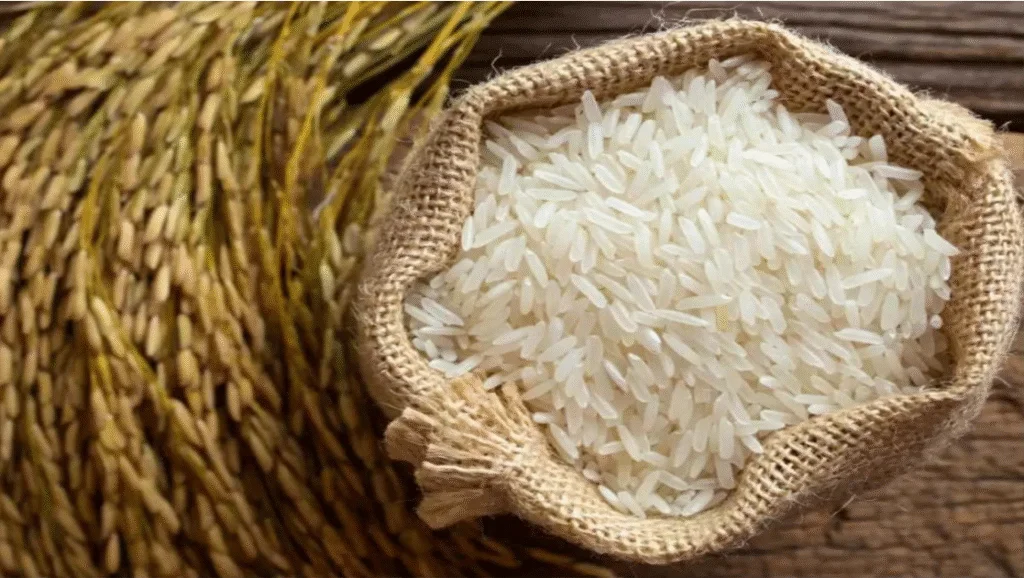
The rice supplied may include up to 25 percent broken grains. In humanitarian operations, the priority is to provide enough food quickly and efficiently. Broken rice is widely accepted in relief programmes because it remains nutritious and helps reduce overall costs. This allows aid agencies to serve more people with the available resources.
The agreement also allows for extension beyond five years if both parties agree. This flexibility ensures that the partnership can continue based on global needs. Long-term planning also improves coordination in transport, storage, and distribution.
Pricing and Supply Process
Under the India Rice Agreement with WFP, the price of rice will be decided each year through discussions between FCI and WFP. For the current supply cycle, the price has been fixed at Rs 2,800 per quintal until March 31, 2026. This system provides financial clarity and stability.
A structured pricing mechanism helps both sides plan better. WFP can manage its relief budgets without worrying about sudden price increases. At the same time, the arrangement supports India’s agricultural system by ensuring fair procurement practices.
Senior officials from both organisations formalised the pact, showing strong institutional support. Clear guidelines have been laid out for packaging, logistics, and shipment. In crisis situations, delays in food delivery can lead to serious consequences. Efficient coordination ensures that rice reaches affected communities on time.
India’s Role in Global Food Security
India is one of the world’s leading rice producers and exporters. Its agricultural sector supports not only domestic consumption but also global markets. During recent global disruptions such as the pandemic and geopolitical tensions, many countries experienced food shortages. India’s agricultural output helped stabilise supplies in several regions.
Through this agreement, India is strengthening its contribution to international humanitarian efforts. Instead of only focusing on commercial exports, India is also supporting emergency food assistance. This reflects a broader vision where agriculture becomes a tool for cooperation and support.
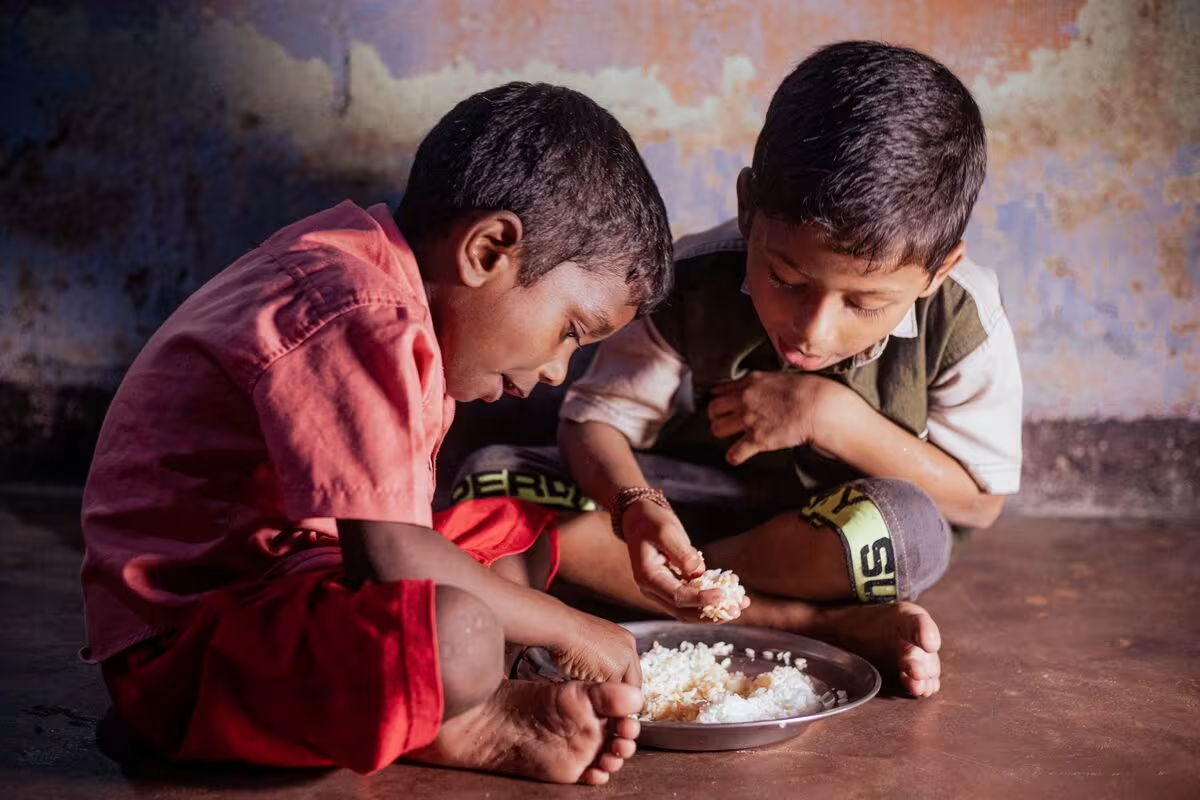
Food insecurity affects millions of people worldwide. Climate change has reduced crop yields in some regions, while conflicts have destroyed farmland and disrupted markets. Economic slowdowns have made food less affordable for poor families. Children and elderly people are often the most affected.
The World Food Programme operates in over 100 countries, delivering food assistance to communities in crisis. By ensuring a steady rice supply, India helps strengthen these missions and supports efforts to reduce hunger.
Strategic Importance for the Global South
The India Rice Agreement with WFP also supports India’s engagement with developing nations. Many countries in the Global South face similar challenges, including climate risks, inflation, and limited resources. India has been increasing cooperation in areas such as digital technology, healthcare, and agriculture.
By providing rice for humanitarian missions, India demonstrates solidarity with countries facing hardship. It shows that developing economies can play an active role in addressing global challenges. This approach strengthens diplomatic ties and promotes shared growth.
Food security has become a central issue in international discussions. Rising temperatures, water shortages, and soil degradation threaten agricultural productivity worldwide. Without strong cooperation, hunger levels may increase further. Long-term partnerships like this one provide stability during uncertain times.
Managing Domestic and International Responsibilities
While supporting global hunger relief, India continues to protect its domestic food security system. Government programmes distribute subsidised or free food grains to millions of families. The involvement of the Food Corporation of India ensures that international supply commitments are carefully balanced with national needs.
FCI manages procurement, storage, and distribution of food grains across the country. Its strong infrastructure makes it capable of handling large-scale operations. This allows India to meet global commitments without affecting domestic supplies.
The India Rice Agreement with WFP reflects a practical and long-term approach to humanitarian support. By committing to a five-year supply framework, India provides predictability and reliability to international relief operations. As global food challenges continue due to climate change and conflicts, such partnerships play a key role in supporting vulnerable communities and strengthening global food stability.