



Sarcoidosis: Understanding the Complex Inflammatory Disease Affecting Multiple Organs

Sarcoidosis remains a complex inflammatory disease affecting multiple organs. Recent research marks its variable course and the critical role of early diagnosis. As scientists continue to explore its underlying mechanisms, this comprehensive overview provides essential insights into symptoms, diagnosis, and treatment approaches for better understanding and management of sarcoidosis.
Thank you for reading this post, don't forget to subscribe!Its Nature as an Autoimmune Disorder
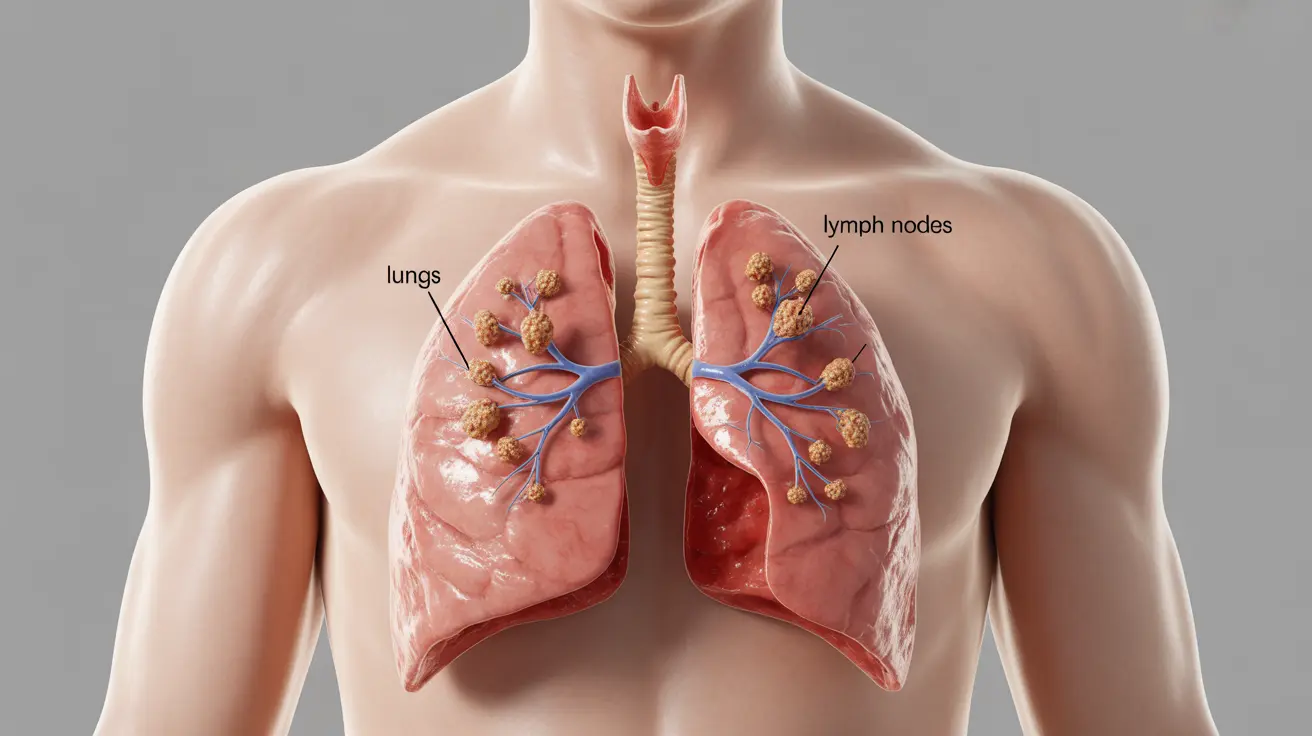
Sarcoidosis is an immune-mediated disorder characterized by the formation of granulomas tiny clusters of inflammatory cells within different organs of the body. The lungs are most frequently affected, followed by the skin, eyes, and lymph nodes. Despite decades of research, the exact cause of sarcoidosis remains uncertain. Experts suggest that a combination of genetic predisposition, environmental exposure, and abnormal immune responses contribute to its onset.
These granulomas interfere with normal organ function, leading to inflammation and, in some cases, scarring (fibrosis). When this occurs in vital organs such as the lungs or heart, it can significantly impact a person’s quality of life. The unpredictable nature of the disease often makes early recognition and monitoring crucial.
Understanding Its Diverse Manifestations
The symptoms of sarcoidosis vary greatly depending on which organs are affected. In most cases, the lungs are involved, resulting in a persistent cough, shortness of breath, and chest pain. For some, these symptoms may appear suddenly, while for others, they develop gradually over time.
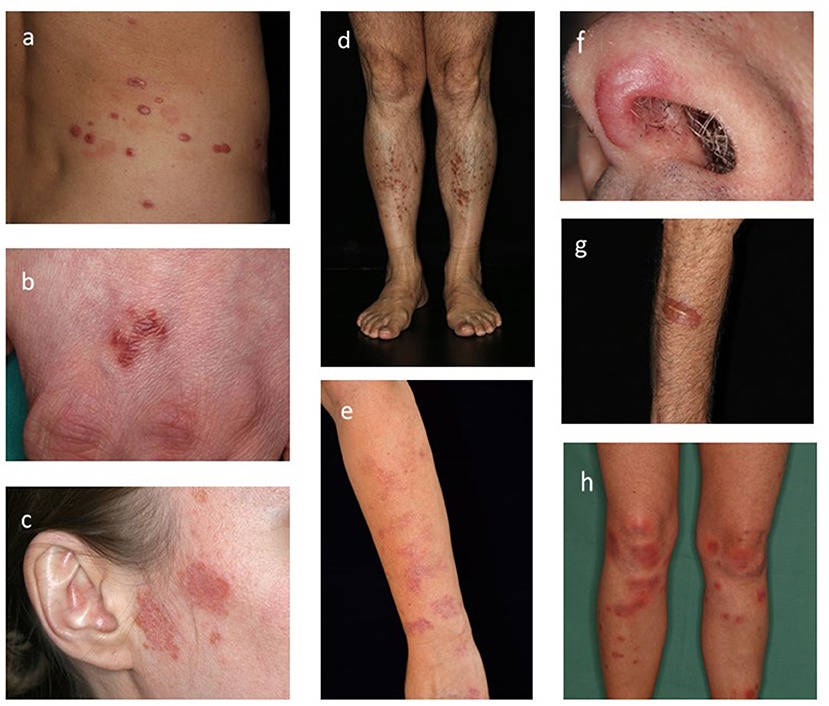
Other organs also show distinct signs of inflammation:
- Skin involvement: Red bumps, rashes, or raised nodules, particularly on the face or shins.
- Eye involvement: Redness, pain, or blurred vision due to uveitis.
- Lymph nodes: Swelling, especially around the neck, armpits, or groin.
- Fatigue and weight loss: Common systemic symptoms that accompany chronic inflammation.
Interestingly, some individuals with sarcoidosis experience no noticeable symptoms and are diagnosed incidentally during imaging tests for unrelated issues. This asymptomatic nature in some cases makes awareness even more important for timely detection.
Organ-Specific Impact of Sarcoidosis on the Human Body
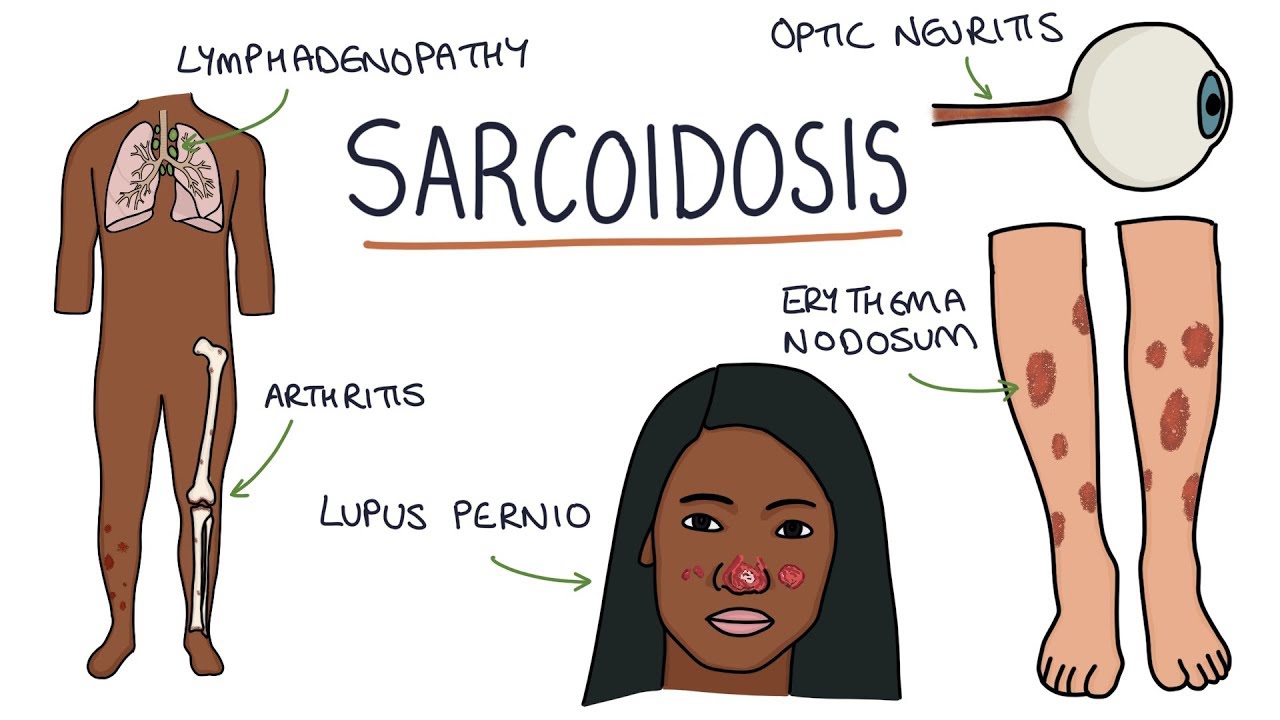
The multi-organ nature of sarcoidosis makes it particularly challenging to manage. Each organ can show unique complications depending on the severity and duration of inflammation:
- Lungs: The most frequently affected organ. In advanced cases, granulomas may evolve into pulmonary fibrosis, resulting in reduced lung capacity and breathing difficulties.
- Heart: Cardiac sarcoidosis can disrupt heart rhythms, leading to arrhythmias, heart block, or even heart failure.
- Nervous system: Neurological sarcoidosis may involve the brain, spinal cord, or peripheral nerves, causing symptoms like seizures, weakness, or facial paralysis.
- Skin: Lesions, discoloration, or nodules often indicate cutaneous sarcoidosis, which may cause psychological distress due to visible marks.
- Eyes: Persistent inflammation without treatment can result in vision impairment or blindness.
Because the disease can affect several organs simultaneously, multidisciplinary care involving pulmonologists, dermatologists, cardiologists, and neurologists is often required.
How Doctors Detect the Disease
Diagnosing sarcoidosis can be a complex process because its symptoms mimic those of other diseases such as tuberculosis or lymphoma. Physicians rely on a combination of clinical evaluation, imaging studies, and tissue biopsy to confirm the presence of granulomas.
Common diagnostic methods include:
- Chest X-ray and CT scan: These imaging tests help detect granulomas and scarring in the lungs.
- Biopsy: A tissue sample confirms the presence of non-caseating granulomas, the hallmark of sarcoidosis.
- Blood tests: Elevated levels of calcium or angiotensin-converting enzyme (ACE) can support diagnosis but are not definitive.
- Lung function tests: Measure how well air moves in and out of the lungs.
Accurate diagnosis is essential to distinguish sarcoidosis from infections and malignancies, ensuring appropriate treatment.
Sarcoidosis Treatment: Modern Approaches to Managing the Disease
Treatment for sarcoidosis depends on the severity, the organs affected, and the patient’s symptoms. Many individuals with mild disease experience spontaneous improvement without medication. However, others with progressive or severe involvement require long-term therapy.
Standard treatment options include:
- Corticosteroids: The first-line treatment to reduce inflammation. Prednisone is commonly prescribed but used carefully to avoid side effects.
- Immunosuppressants: Medications such as methotrexate or azathioprine are recommended when steroids are insufficient or cause adverse effects.
- Biologic therapies: Modern treatments like TNF inhibitors (infliximab or adalimumab) are showing promise for refractory sarcoidosis cases.
- Lifestyle management: Balanced nutrition, regular check-ups, and avoiding environmental triggers like dust or chemicals can support recovery.
The goal of treatment is to control inflammation, prevent organ damage, and enhance the patient’s quality of life.
Sarcoidosis Prognosis and Long-Term Outlook
The long-term outlook for sarcoidosis varies greatly among individuals. Some patients recover fully within a few years, while others develop chronic disease requiring lifelong monitoring.
Key factors influencing prognosis include the organs involved, severity of inflammation, and response to treatment. Early diagnosis plays a vital role in preventing complications such as lung fibrosis or heart failure. Regular follow-up appointments allow doctors to adjust treatment plans and detect relapses early.
Although sarcoidosis can be unpredictable, advances in research are providing hope. Modern diagnostic tools and targeted biologic therapies have improved survival rates and quality of life for many patients.