Southeast Asia Online Scam Hub: How Criminal Networks Thrive Across Borders

Southeast Asia Online Scam Hub has become a growing concern for global authorities as criminal networks exploit the region’s weak governance, trafficked labour, and sophisticated digital systems. Recent high-profile cases, such as the detention and extradition of tycoon Chen Zhi from Cambodia, have shed light on the massive scale of these operations, which continue to operate despite government crackdowns.
Thank you for reading this post, don't forget to subscribe!A Rare Arrest in a Resilient System
Authorities in the United States and the United Kingdom have accused Chen Zhi of running transnational fraud networks that involved romance scams, fake investments, and job scams targeting victims worldwide. These operations have cost billions globally. His extradition from Cambodia is unusual because most individuals behind these networks manage to operate with little interference. This case shows that while arrests make headlines, they rarely disrupt the underlying business model, which is designed to adapt and survive.
Why Southeast Asia Became a Scam Hub
The rise of Southeast Asia as a center for online fraud did not happen overnight. Over the last decade, border regions in countries like Myanmar, Laos, and Cambodia became attractive locations for casinos and online gambling facilities targeting foreign clients. According to the United Nations Office on Drugs and Crime, the region had more than 340 licensed and unlicensed casinos by 2021. When governments began cracking down on gambling, many operators shifted to online scams, using the same networks, money-laundering systems, and political connections to continue their activities.
The Machinery of Modern Scam Centres
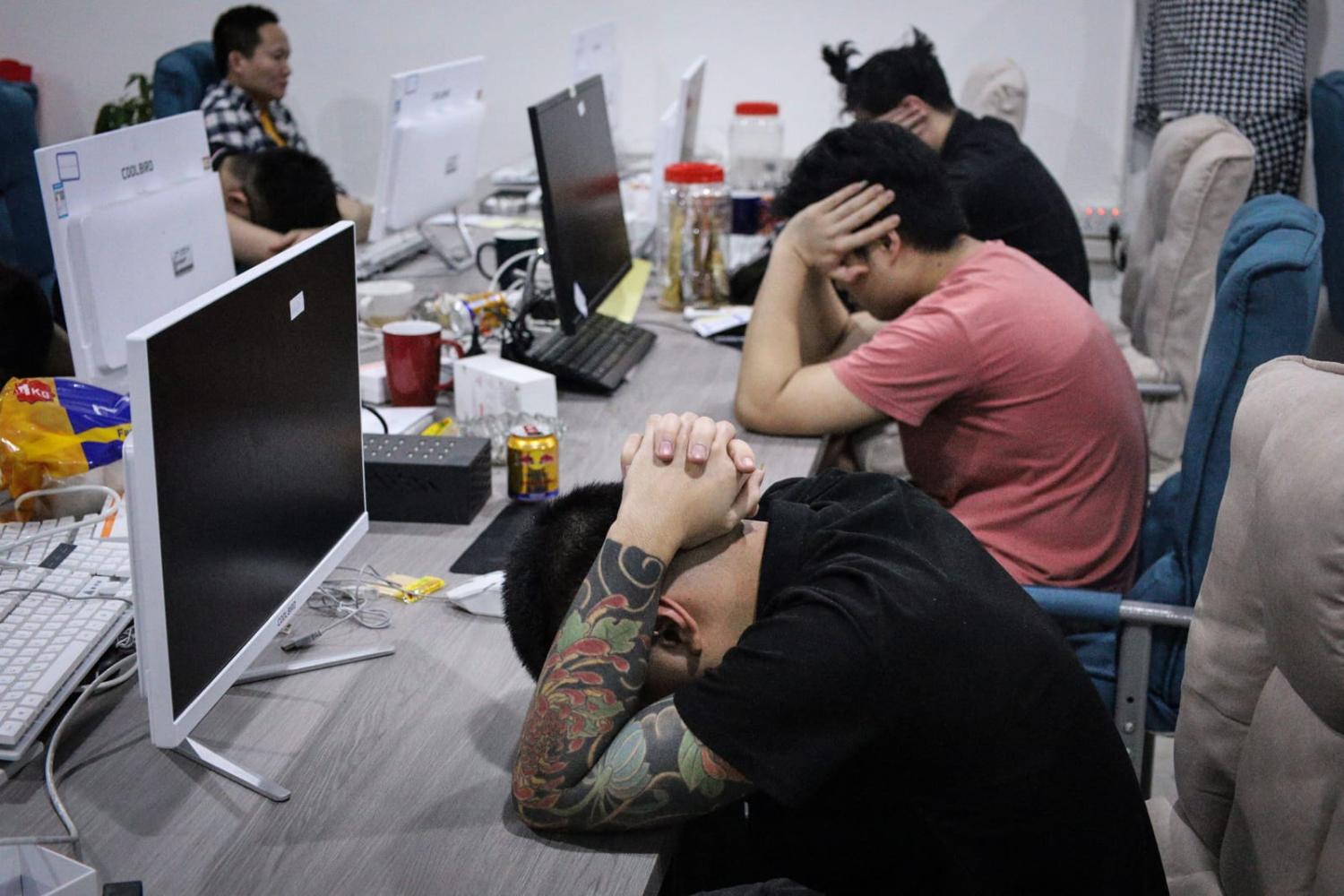
Modern scam centres operate almost like self-contained towns. They often have dormitories, office buildings, shops, and entertainment facilities enclosed within guarded compounds. Workers are lured with promises of legitimate jobs but are then trafficked from other countries in Asia and Africa. Once inside, they are forced to send thousands of scripted messages every day for romance scams, fake investment schemes, and other fraudulent activities. Refusal to comply can lead to beatings, torture, or even being sold to another scam operation. For criminal syndicates, forced labour ensures low costs and constant outreach, making these scams highly profitable on a large scale.
Border Zones That Limit Law Enforcement
Many scam hubs are located in contested or semi-autonomous regions, such as Myanmar’s eastern border near KK Park, close to Thailand. These areas are often controlled by local militias or powerful figures rather than central governments. Even when law enforcement conducts raids, operations quickly move across borders or split into smaller units, making sustained enforcement extremely difficult. This mobility and local protection allow criminal networks to continue functioning with minimal risk of arrest.
Money Flows That Are Hard to Track
Online scams thrive in Southeast Asia partly because of fragmented financial oversight. Criminals use cryptocurrencies, shell companies, and underground banking networks to move money across countries within minutes. Profits are often layered through casinos, real estate, and digital wallets before reaching the leaders of these syndicates. This financial flexibility means that even if authorities shut down one scam compound, the broader revenue stream remains largely unaffected.
Challenges in Sustaining Crackdowns on Southeast Asia Online Scam Hub
Although raids make headlines with rescued workers and destroyed buildings, they rarely have lasting impact. Syndicates adapt quickly, relocating operations, dividing them into smaller units, or operating from legitimate business addresses in urban areas. Corruption and local patronage networks often shield these operations from scrutiny, allowing them to resume business shortly after enforcement actions. Without coordinated regional strategies, interventions remain short-term and fragmented.
Breaking the Cycle Requires Structural Change in Southeast Asia Online Scam Hub
Experts argue that addressing Southeast Asia’s online scam problem requires more than just arrests. Successful strategies would include coordinated cross-border policing, stricter financial monitoring, and rehabilitation programs for trafficked workers. Holding local elites accountable for protecting these operations is also crucial. Until these systemic issues are addressed, the region is likely to remain the epicentre of a global scam industry that exploits both technology and human vulnerability.

Looking Ahead for Southeast Asia Online Scam Hub
Southeast Asia continues to be a major hub for online scams, with syndicates constantly evolving to avoid law enforcement. Cases like Chen Zhi’s extradition serve as rare examples of action but also highlight how resilient the overall system has become. For the international community, tackling this challenge requires collaboration, resources, and long-term commitment to dismantle networks, protect victims, and hold those benefiting from these operations accountable.