



Wearable Ammonia Sensor India

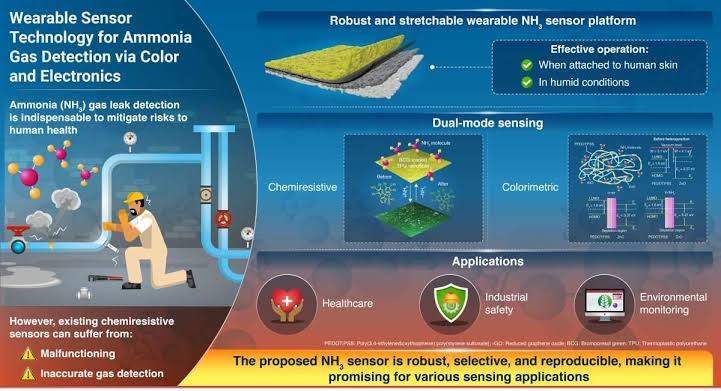
Wearable Ammonia Sensor India is a new step in smart safety technology as Indian scientists have created a portable and self-powered device to detect ammonia gas. This new sensor was developed on 14 July 2026 at the Centre for Nano and Soft Matter Sciences (CeNS) in Bengaluru. The device can detect very low levels of ammonia, making it useful for both industrial and daily safety use.
This innovation comes at a time when safety and health monitoring are becoming more important in workplaces and homes. With growing industrial activity and urban living, the need for quick and reliable gas detection systems is increasing. This wearable device offers a modern solution that is easy to use and efficient.

Understanding ammonia and its risks
Ammonia is a colourless gas with a strong smell. It is widely used in fertilisers, cooling systems, and chemical industries. While it is useful, high levels of ammonia can be harmful to humans. It can irritate the eyes, skin, and breathing system if people are exposed to it for a long time.
In many industries and storage areas, ammonia leaks can happen. Detecting such leaks early can prevent accidents and protect workers. This is why sensors that can quickly detect ammonia are very important.
How the new sensor works Wearable Ammonia Sensor India
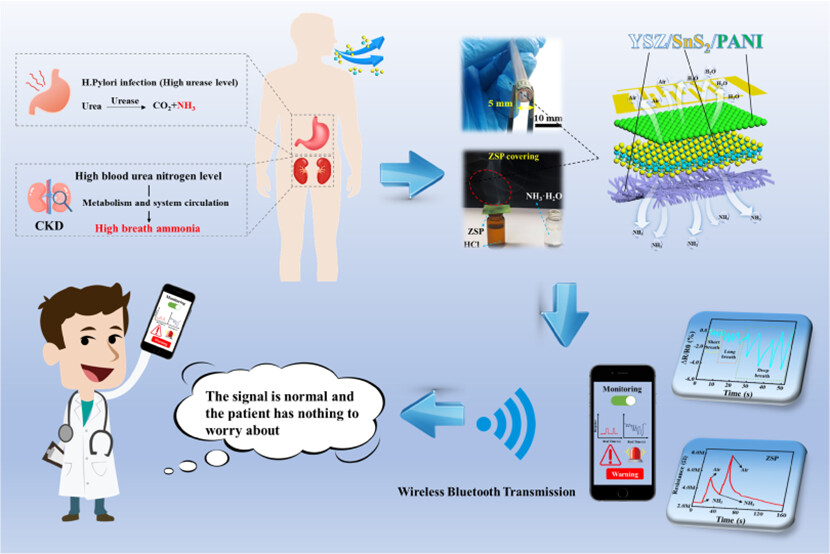
The device uses a special material made from vanadium oxide and vanadium sulfide. This combination forms what scientists call a heterostructure, which helps improve the sensor’s performance. It allows the device to detect ammonia even at very low levels, as low as 319 parts per billion.
One of the best features of this sensor is that it works at room temperature. Many traditional gas sensors need high temperatures to function, which increases energy use. This new device works in normal conditions, making it more energy-efficient and easy to use.
It is also self-powered, meaning it does not need an external power source all the time. This makes it suitable for wearable use and portable safety systems.
Flexible and wearable technology
The sensor is designed to be flexible and can be placed on different materials like paper, plastic, and textiles. This means it can be used in wearable items such as smart bands or even clothing. It can bend and twist without losing its function, which is important for wearable devices.
Scientists have already created prototypes like smart bands and electronic textiles. These can be worn by workers in factories or laboratories to monitor gas levels in real time. It can also be used in homes as part of smart safety systems.
This technology connects with current trends in wearable electronics, where devices are becoming smaller, smarter, and more user-friendly. From fitness bands to smart watches, wearable devices are now a part of daily life, and this sensor adds a new safety feature to that list.
Smart alert system for safety
The device includes a monitoring system that gives alerts based on ammonia levels. It divides the gas levels into three categories: safe, warning, and danger. This helps users understand the situation quickly and take action if needed.
For example, if ammonia levels rise suddenly, the device can send an alert, allowing people to move away or fix the problem. This is especially useful in industries, storage units, and laboratories where gas exposure can be risky.
With increasing focus on workplace safety and smart homes, such alert systems are becoming very important. They provide real-time information and help prevent accidents before they happen.
Research team and performance
The project was led by Prof. Angappane Subramanian, along with a team of researchers including Dr. Vishnu G. Nath, Ankur Verma, Abhijit Paul, and Dr. Subash Cherumannil Karumuthil. Their work shows how advanced materials and research can lead to useful real-world solutions.
The sensor has shown strong performance during testing. It can clearly detect ammonia without getting confused by other gases. It also works well over many cycles and remains stable for more than ten weeks. This makes it reliable for long-term use.
Importance in today’s world
Gas sensors are widely used in industries, agriculture, and environmental monitoring. With rising pollution levels and industrial growth, the need for better sensing technology is increasing. Wearable sensors are especially useful because they allow personal monitoring and quick response.
This new development also matches global efforts to improve safety using technology. Countries around the world are investing in smart devices that can detect harmful substances and protect people.
In India, such innovations show the growing strength of scientific research and development. With support from institutions and government bodies, more such technologies are expected in the future.
Future possibilities and use cases
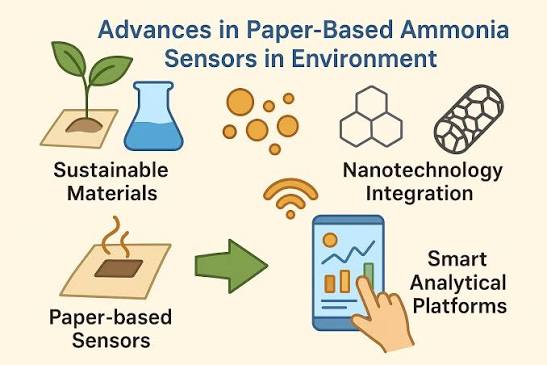
This wearable sensor can be used in many areas. In agriculture, it can help monitor ammonia levels in storage areas. In industries, it can protect workers from harmful exposure. In homes, it can act as a smart warning system.
As technology improves, these sensors may become part of everyday clothing or accessories. Combined with mobile apps and internet connectivity, they can provide real-time updates and alerts.
This development also connects with current topics like smart cities, digital health, and environmental safety. It shows how simple, portable devices can make a big difference in daily life.