



The Consumer Protection Bill, 2018

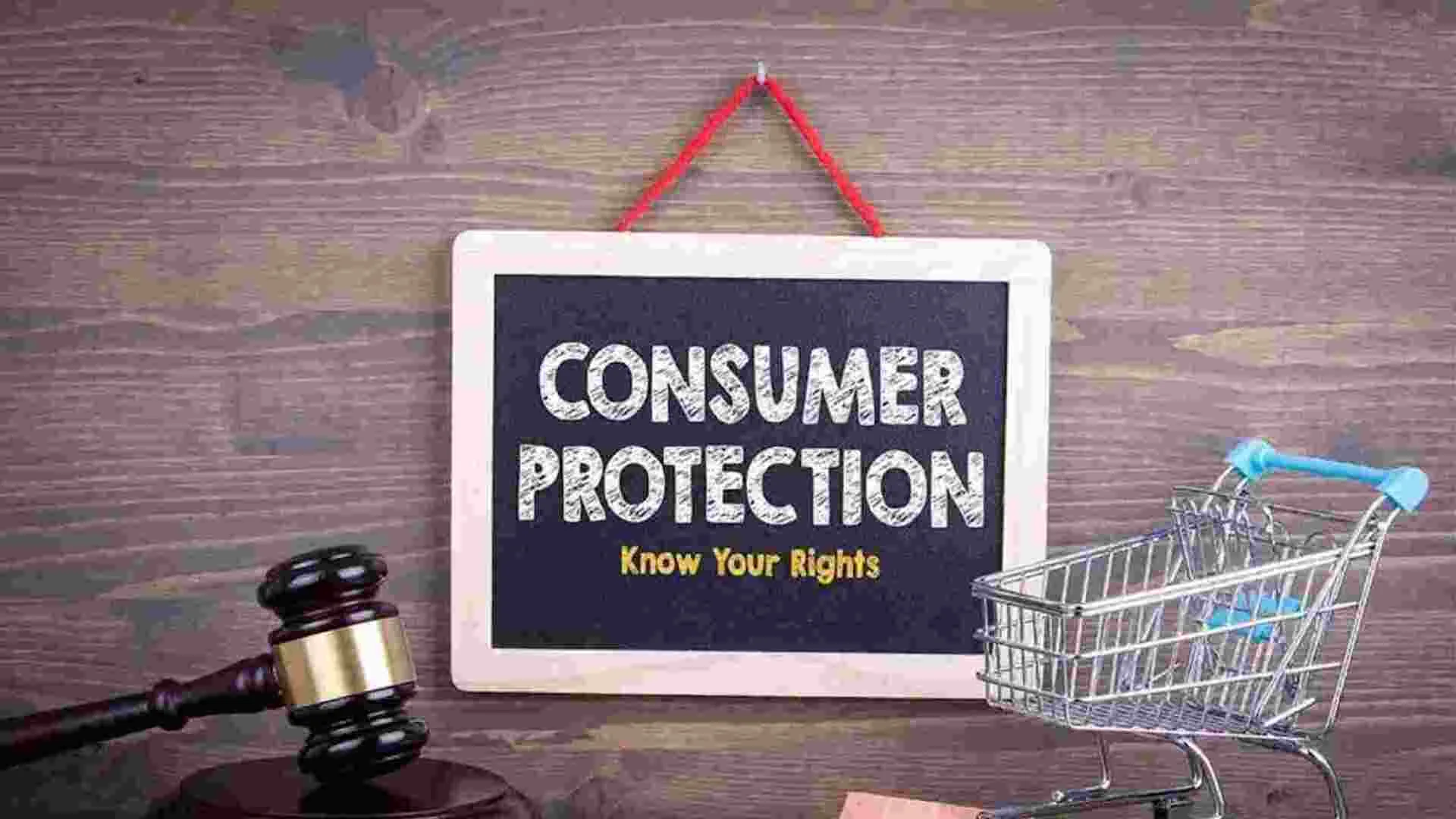
The Consumer Protection Bill, 2018 was introduced to strengthen the rights of consumers in India and improve the system for solving consumer complaints. With the growth of online shopping, digital payments, and modern business practices, the old Consumer Protection Act, 1986 was no longer enough to deal with new challenges. Therefore, the government introduced a new bill to provide better protection to consumers.
Thank you for reading this post, don't forget to subscribe!Consumers are the backbone of every economy. Every person becomes a consumer when they buy goods or use services. Sometimes consumers face problems like defective products, poor services, misleading advertisements, fake online products, unfair pricing, and fraud. To protect people from such unfair practices, strong consumer laws are necessary.
The Consumer Protection Bill, 2018 aimed to modernize India’s consumer laws and make them more suitable for the digital age. It introduced new concepts like product liability, mediation, e-commerce regulation, and the Central Consumer Protection Authority (CCPA).
The Bill also tried to make the complaint process simpler, faster, and more accessible for ordinary people. Consumers could file complaints electronically and from the place where they live or work.
What is Consumer Protection?
Consumer protection refers to the laws and measures that protect buyers of goods and services from unfair business practices.
It ensures that consumers get:
- Safe products
- Fair prices
- Correct information
- Quality services
- Compensation for losses
Consumer protection laws also help maintain trust between businesses and consumers.
Who is a Consumer?
A consumer is a person who buys goods or uses services for personal use and not for resale or business purposes.
For example:
- A person buying a mobile phone for personal use is a consumer.
- A person buying a washing machine for home use is a consumer.
- A student paying fees for educational services is also a consumer.
Why was the Consumer Protection Bill, 2018 Needed?
The Consumer Protection Act, 1986 was made when India’s economy was very different.
At that time:
- Online shopping was rare.
- E-commerce websites did not exist.
- Digital transactions were limited.
- Consumer fraud was less complex.
Over time, new challenges emerged:
- Fake online products
- Misleading advertisements
- Defective digital services
- Fraud in e-commerce
- Delayed refunds
- Unfair contracts
The old law could not fully address these issues. Therefore, a new law became necessary.
Objectives of the Consumer Protection Bill, 2018
The main objectives of the Bill were:
- Protect consumer rights
- Provide quick dispute resolution
- Regulate unfair trade practices
- Improve consumer awareness
- Control misleading advertisements
- Protect online consumers
- Create stronger legal mechanisms
Replacement of Consumer Protection Act, 1986
The Bill replaced the Consumer Protection Act, 1986.
The older Act was important during its time, but changing economic conditions required modern reforms.
The new Bill introduced updated provisions suitable for the digital economy.
Main Features of the Consumer Protection Bill, 2018
1. Consumer Rights Protection
The Bill aimed to enforce consumer rights and provide protection against unfair practices.
Consumers gained stronger legal support in cases involving:
- Defective goods
- Poor services
- Misleading advertisements
- Online fraud
- Unfair contracts
2. Consumer Disputes Redressal Commissions
The Bill established Consumer Disputes Redressal Commissions at three levels:
District Commission
Handles cases up to Rs 1 crore.
State Commission
Handles cases between Rs 1 crore and Rs 10 crore.
National Commission
Handles cases above Rs 10 crore.
3. Online Filing of Complaints
Consumers can file complaints electronically.
This is important because it saves:
- Time
- Travel expenses
- Paperwork
Consumers can also file complaints from the place where they live or work.
4. Time Limit for Disposal of Cases
The Bill attempted to reduce delays in consumer courts.
Without Product Testing
Cases should be solved within 3 months.
With Product Testing
Cases requiring laboratory testing should be solved within 5 months.
This provision aimed to provide quicker justice.
5. Appeals Process
Consumers unhappy with decisions can appeal:
- From District Commission to State Commission
- From State Commission to National Commission
- From National Commission to Supreme Court
This ensures fair legal review.
6. Unfair Contracts
The Bill defines unfair contracts as agreements that seriously harm consumer rights.
Examples include:
- Excessive security deposits
- Very high penalties
- One-sided cancellation rights
- Unfair charges
Consumer commissions can declare such contracts null and void.
7. Central Consumer Protection Authority (CCPA)
One of the most important features of the Bill was the creation of the Central Consumer Protection Authority.
Functions of CCPA
The CCPA can:
- Protect consumer rights
- Investigate complaints
- Order product recalls
- Issue safety notices
- Stop misleading advertisements
- Order refunds
- Penalize companies
This authority acts as a regulator for consumer protection.
8. Consumer Protection Councils
The Bill established Consumer Protection Councils at:
- District level
- State level
- National level
These councils provide advice on consumer-related matters.
9. Product Liability
The Bill introduced the concept of product liability.
This means manufacturers, sellers, and service providers can be held responsible if their products or services cause:
- Injury
- Death
- Property damage
Consumers can claim compensation for losses.
Importance of Product Liability
Product liability increases accountability.
Companies become more careful about:
- Product quality
- Safety standards
- Manufacturing processes
This improves overall consumer safety.
10. E-Commerce Protection
The Bill recognized modern forms of trade like:
- E-commerce
- Online shopping
- Electronic service providers
- Direct selling
The government gained power to make rules against unfair online trade practices.
This became extremely important in the digital era.

National Consumer Day
India celebrates National Consumer Day on 24 December every year.
On this day in 1986, the original Consumer Protection Act received presidential approval.
The day spreads awareness about consumer rights and responsibilities.
Important Consumer Rights
Consumers have several important rights.
1. Right to Safety
Consumers must be protected from dangerous goods and services.
2. Right to Information
Consumers have the right to receive correct details about products.
3. Right to Choose
Consumers can freely choose goods and services.
4. Right to be Heard
Consumer complaints must be properly considered.
5. Right to Seek Redressal
Consumers can demand compensation for unfair treatment.
6. Right to Consumer Education
Consumers should know their rights and responsibilities.
What are Unfair Trade Practices?
Unfair trade practices are dishonest business activities that harm consumers.
Examples include:
- False advertising
- Fake discounts
- Selling duplicate products
- Hiding product defects
- Overcharging
The Bill aimed to reduce such practices.
What is Misleading Advertisement?
Misleading advertisements provide false or incomplete information.
They may:
- Exaggerate product benefits
- Hide side effects
- Make false promises
Consumers may suffer losses because of such advertisements.
Celebrity Endorsements and Liability
The Bill discussed penalties for celebrities endorsing misleading products.
Celebrities promoting products without checking facts may face legal action.
This encourages responsible advertising.
Mediation Mechanism
The Bill introduced mediation as an alternative dispute resolution method.
What is Mediation?
Mediation is a process where a neutral third person helps parties settle disputes peacefully.
It is:
- Faster
- Less expensive
- Less stressful
Mediation cells were attached to consumer commissions.
Benefits of Mediation
Mediation offers several benefits:
- Reduces court burden
- Saves money
- Maintains relationships
- Provides faster solutions
Changes in Pecuniary Jurisdiction
The Bill increased the financial limits for consumer commissions.
| Commission | Old Limit | New Limit |
|---|---|---|
| District | Up to Rs 20 lakh | Up to Rs 1 crore |
| State | Rs 20 lakh – Rs 1 crore | Rs 1 crore – Rs 10 crore |
| National | Above Rs 1 crore | Above Rs 10 crore |
This change helped distribute cases more efficiently.
Concerns Regarding the Bill
Although the Bill introduced many reforms, several concerns were raised.
1. Separation of Powers
The Bill did not clearly require judicial members in consumer commissions.
Critics feared that executive control could weaken judicial independence.
2. Independence of Consumer Commissions
The central government gained powers to:
- Appoint members
- Remove members
- Decide service conditions
Some experts believed this could affect the independence of commissions.
3. Qualification Issues
The Bill left qualifications of commission members to government rules instead of clearly mentioning them in the law.
This created concerns about transparency.
4. Advisory Role of Councils
The Bill did not clearly explain whom the Consumer Protection Councils would advise.
This created confusion about their role.
5. Limited Access to Consumer Courts
Only consumers directly purchasing goods or services could file complaints.
Some experts demanded wider access.
6. Delay in Disposal of Cases
Although time limits were mentioned, delays in Indian courts remain a major challenge.
Reasons include:
- Lack of staff
- Large number of cases
- Limited infrastructure
Standing Committee Recommendations
The Parliamentary Standing Committee suggested improvements.
1. Right to Cancel Contracts
Consumers should get the right to cancel contracts if goods or services are poor.
2. Restrict Lawyer Involvement in Small Cases
The committee believed lawyers sometimes increase delays and expenses.
3. Legal Backing to Advertising Standards Council
The Advertising Standards Council of India (ASCI) should receive stronger legal support.
Online Shopping and Consumer Rights
Online shopping has become common in India.
Consumers buy:
- Clothes
- Electronics
- Medicines
- Food
- Services
through websites and mobile apps.
However, online shopping also creates risks like:
- Fake products
- Delayed delivery
- Payment fraud
- Difficult refund process
The Bill tried to protect online consumers from such problems.
Distance Contract Concept
European countries provide a “cooling-off period” where consumers can cancel online purchases within a few days.
Many experts suggested India should adopt similar rules.
This would:
- Improve trust
- Increase product quality
- Protect consumers
Importance of Consumer Awareness
Laws alone cannot fully protect consumers.
People must also:
- Read product labels
- Check expiry dates
- Compare prices
- Keep bills safely
- Understand warranties
Awareness reduces chances of fraud.
Role of Government
The government plays a major role in consumer protection by:
- Making laws
- Conducting inspections
- Punishing violators
- Creating awareness programs
Strong implementation is necessary for success.
Role of Businesses
Businesses should:
- Sell quality products
- Follow ethical practices
- Provide honest information
- Respect consumer rights
Good businesses build long-term trust.
Challenges in Consumer Protection
India still faces many challenges.
Lack of Awareness
Many people do not know their rights.
Delayed Justice
Consumer cases may take years.
Online Fraud
Digital scams are increasing rapidly.
Weak Enforcement
Some companies escape punishment due to poor implementation.
Rural Consumer Problems
Rural consumers often lack information and legal support.
Importance of Strong Consumer Laws
Strong consumer laws:
- Protect public interest
- Encourage fair competition
- Improve product quality
- Increase trust in markets
- Support economic growth
They also create responsible business behavior.
Way Forward
India must continue improving consumer protection mechanisms.
Increase Consumer Awareness
Schools, colleges, and media should spread awareness about consumer rights.
Strengthen Consumer Courts
More judges, staff, and digital infrastructure are needed.
Regulate E-Commerce Strictly
Online companies must follow fair practices.
Faster Disposal of Cases
Technology and mediation should be used more effectively.
Strong Punishment for Fraud
Companies engaging in fraud and misleading advertisements must face strict penalties.
Conclusion
The Consumer Protection Bill, 2018 was an important step toward modernizing India’s consumer laws. It aimed to protect consumers from unfair trade practices, defective products, and misleading advertisements.
The Bill introduced major reforms such as product liability, e-commerce regulation, mediation, and the Central Consumer Protection Authority. These measures strengthened consumer rights and made the complaint process easier.
At the same time, concerns regarding independence of commissions, delays, and implementation challenges also needed attention.
In today’s digital economy, consumer protection has become more important than ever. Strong laws, effective implementation, responsible businesses, and aware consumers together can create a fair and trustworthy marketplace in India.
FAQs on Consumer Protection Bill
- What is the Consumer Protection Bill, 2018?
The Consumer Protection Bill, 2018 is a law designed to protect consumer rights and provide quick solutions to consumer complaints. - Which Act does the Consumer Protection Bill, 2018 replace?
It replaces the Consumer Protection Act, 1986. - What is the purpose of the Consumer Protection Bill?
Its purpose is to protect consumers from unfair trade practices, defective products, and poor services. - What is the Central Consumer Protection Authority (CCPA)?
CCPA is a regulatory body created to protect and enforce consumer rights. - Can consumers file complaints online under the Bill?
Yes, consumers can file complaints electronically from their place of residence or work. - What are Consumer Disputes Redressal Commissions?
These are consumer courts set up at district, state, and national levels to resolve disputes. - What is product liability under the Bill?
Product liability allows consumers to seek compensation for harm caused by defective products or services. - How does the Bill help online shoppers?
The Bill includes rules for e-commerce and protects consumers from unfair online trade practices. - What is an unfair contract under the Bill?
An unfair contract is one that heavily favors the seller or service provider and harms consumer rights. - What is mediation in consumer disputes?
Mediation is a peaceful method of settling disputes without lengthy court proceedings.