



Indian Forest Act 1927: History, Objectives, Types of Forests and Drawbacks

The Indian Forest Act 1927 is one of the most important forest laws in India. It was created to control forests, regulate forest produce, and manage how forests are used. This law also explains how an area can be declared a Reserved Forest, Protected Forest, or Village Forest.
Thank you for reading this post, don't forget to subscribe!The Act mainly focused on controlling the movement of timber and other forest products and collecting taxes on them. It also defined forest-related offences and penalties for breaking forest laws. Though the law aimed to manage forests properly, it also increased government control over forests and reduced the rights of forest-dependent communities.
History of Indian Forest Laws
Before the Indian Forest Act 1927, the British government introduced other forest laws to gain control over forest resources.

Indian Forest Act 1865
The first forest law was the Indian Forest Act of 1865. During British rule, the Imperial Forest Department was established in 1864 to manage forests.
This law gave the British government power to declare any land with trees as government forest land. After that, the government could make rules for using and managing these forests.
The main purpose was not conservation alone. The British wanted timber for railway tracks, shipbuilding, and other industrial needs.
Indian Forest Act 1878
The Indian Forest Act of 1878 gave even more power to the British administration. Under this law, forests and wastelands came under government control.
This Act divided forests into three categories:
- Reserved Forests
- Protected Forests
- Village Forests
The law also restricted local people from freely using forest resources. Many traditional rights of tribal and forest communities were reduced. Activities such as cutting trees or collecting forest products without permission became punishable offences.
This law strengthened state control over forests.
Indian Forest Act 1927
The Indian Forest Act 1927 was introduced to make earlier forest laws stronger and more organized. It combined previous forest laws into one legal framework.
This Act greatly affected people who depended on forests for daily life. Tribal communities, forest dwellers, and village people lost many traditional rights over forest land and forest produce.
The Act increased state control and limited the rights of local communities to use forests for fuel, grazing, and collecting forest products.
Objectives of Indian Forest Act 1927
The main objectives of the Indian Forest Act 1927 were:
- To combine all previous forest laws into one law
- To give the government power to classify forests
- To regulate the movement of timber and forest produce
- To collect duties and taxes on forest products
- To define procedures for declaring forest categories
- To identify forest offences and penalties
- To improve management of forests and wildlife
Although conservation was mentioned, revenue collection and state control were major goals during British rule.
Types of Forests Under Indian Forest Act 1927
The Act divided forests into three main categories.
1. Reserved Forests
Reserved Forests are the most protected forests under the Act.
The State Government can declare government-owned forest land or wasteland as a reserved forest. Once declared, local people cannot enter or use forest resources unless special permission is given.
Activities usually restricted include:
- Cutting trees
- Hunting animals
- Grazing cattle
- Collecting firewood
- Clearing land for farming
Reserved forests have the highest level of protection.
Features of Reserved Forests
- Strong government control
- Public access is highly restricted
- Forest use requires permission
- Strict punishment for violations
2. Protected Forests
Protected Forests have less restriction compared to reserved forests.
The State Government can declare land as protected forest if it has ownership rights over that land. The government can make rules regarding how the forest will be used.
Local people may have limited rights, but these rights can be restricted or removed by government orders.
Features of Protected Forests
- Government has control over forest resources
- Limited public rights may exist
- Rules can change depending on government policy
Protected forests often contain valuable trees and forest products with economic value.
3. Village Forests
Village Forests are forests assigned to village communities.
Under this category, the State Government can give certain rights over forest land to village communities. These forests are usually managed with community participation.
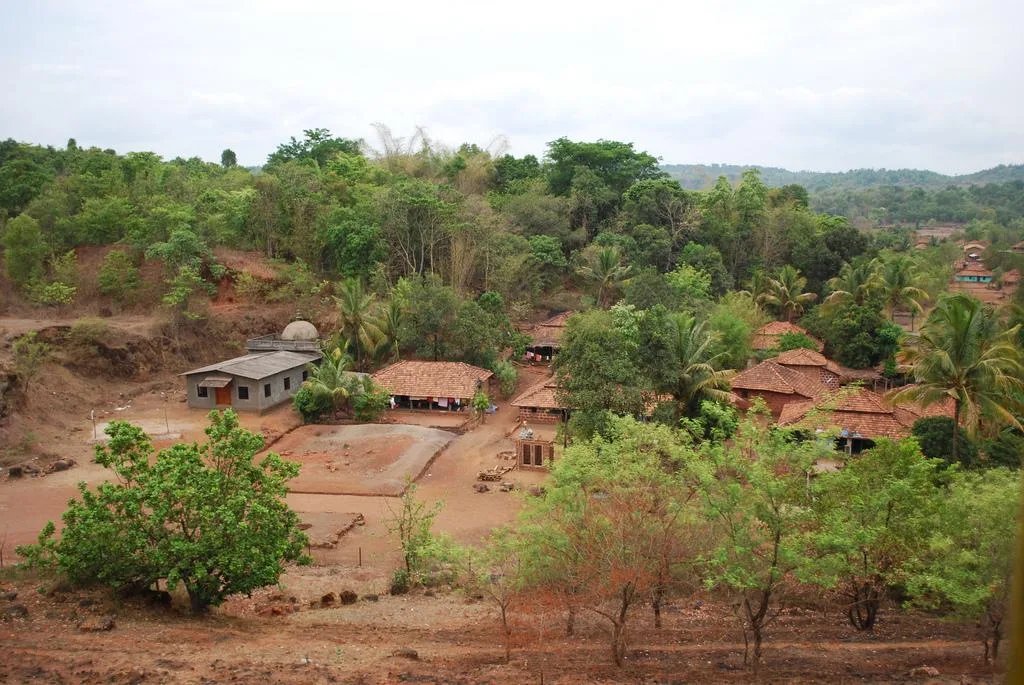
Village forests allow local people to use forest resources for daily needs while protecting the forest.
Features of Village Forests
- Managed with village participation
- Local communities receive usage rights
- Useful for community needs
Degree of Protection
The protection level among the three forest categories is:
Reserved Forests > Protected Forests > Village Forests
This means reserved forests have the strictest rules, while village forests have the least restrictions.
Forest Settlement Officer
The State Government appoints a Forest Settlement Officer.
This officer investigates claims of rights over land proposed to become a reserved forest.
The officer checks:
- Who has rights over the land
- Nature of those rights
- Extent of land use rights
The officer also has the authority to acquire land if necessary.
This role became important because many disputes arose between government authorities and local communities.
Forest Offences Under the Act
The Act clearly defines forest offences.
Common offences include:
- Illegal tree cutting
- Illegal transport of timber
- Hunting inside restricted forests
- Setting fire to forests
- Encroachment of forest land
- Grazing animals without permission
People violating these rules may face:
- Fines
- Seizure of goods
- Imprisonment
These punishments were designed to ensure strict forest control.
Drawbacks of Indian Forest Act 1927
Although the law was presented as a conservation measure, it had many problems.
1. Focus on Revenue
The British government claimed the Act protected forests, but revenue generation was a major motive.
Timber and forest produce were treated as economic resources for profit.
2. Reduced Community Rights
Forest-dependent communities lost traditional rights.
For generations, tribal people used forests for:
- Food
- Fuel
- Shelter
- Medicine
- Livelihood
The Act restricted these rights.
3. Harassment by Forest Bureaucracy
The law gave large powers to forest officials.
This often led to misuse of authority and harassment of forest dwellers.
4. Ignored Ecological Importance
The Act mostly valued forests for timber.
Important ecological benefits were often ignored, such as:
- Biodiversity protection
- Soil conservation
- Water conservation
- Climate balance
This was a major weakness.
Later Forest Conservation Initiatives
After independence, India introduced several new policies and laws to improve forest management.
Indian Forest Policy 1952
The Indian Forest Policy 1952 continued many colonial ideas but added the goal of increasing forest cover.
It recommended that one-third of India’s land area should remain under forests.
However, forests were still heavily used for:
- Industrial development
- River valley projects
- Defence needs
- Paper and plywood industries
Large forest areas were cleared during this period.
Forest Conservation Act 1980
The Forest Conservation Act 1980 was introduced to reduce deforestation.
This Act made central government approval necessary before using forest land for non-forest purposes.
Main goals included:
- Limiting deforestation
- Conserving biodiversity
- Protecting wildlife
This law strengthened forest conservation.
National Forest Policy 1988
The National Forest Policy 1988 brought a major change in forest management.
Instead of focusing mainly on commercial use, it emphasized:
- Environmental stability
- Ecological balance
- Conservation of natural heritage
- Public participation
This policy encouraged community involvement in forest protection.
Other Important Forest Laws
Several other laws also support forest conservation in India.
These include:
- Wildlife Protection Act 1972
- Environment Protection Act 1986
- Biological Diversity Act 2002
These laws help protect wildlife, ecosystems, and biodiversity.
Forest Rights Act 2006
The Scheduled Tribes and Other Traditional Forest Dwellers (Recognition of Forest Rights) Act 2006, commonly called the Forest Rights Act, was introduced to correct historical injustice.
This law recognizes the rights of:
- Scheduled Tribes
- Traditional forest dwellers
It gives legal rights over forest land and forest resources to communities living there for generations.
This Act restored many rights that were weakened by earlier forest laws.
Importance of Indian Forest Act 1927 Today
Even today, the Indian Forest Act 1927 remains important because many forest administration systems are based on it.
However, modern India now tries to balance three major goals:
- Forest conservation
- Protection of biodiversity
- Rights of forest communities
The debate continues on how forests should be managed while ensuring both environmental protection and social justice.
FAQs on Indian Forest Act 1927
1. What is the Indian Forest Act 1927?
The Indian Forest Act 1927 is a law made to regulate forests, control forest produce, and manage forest resources in India.
2. What is the main purpose of the Indian Forest Act 1927?
Its main purpose is to protect forests, regulate timber movement, prevent illegal activities, and classify forests into different categories.
3. How many types of forests are defined under the Indian Forest Act 1927?
The Act defines three types of forests:
- Reserved Forest
- Protected Forest
- Village Forest
4. Which forest has the highest level of protection?
Reserved Forest has the highest level of protection under the Indian Forest Act 1927.
5. What is a Reserved Forest?
A Reserved Forest is a highly protected forest where public access and resource use are restricted unless permission is given.
6. What is a Protected Forest?
A Protected Forest is a forest where the government controls forest use, but some limited public rights may exist.
7. What is a Village Forest?
A Village Forest is a forest area managed by village communities with rights given by the government.
8. What are forest offences under the Act?
Forest offences include illegal tree cutting, illegal timber transport, hunting, forest fires, and encroachment.