Coastal Security in India: Challenges and Solutions

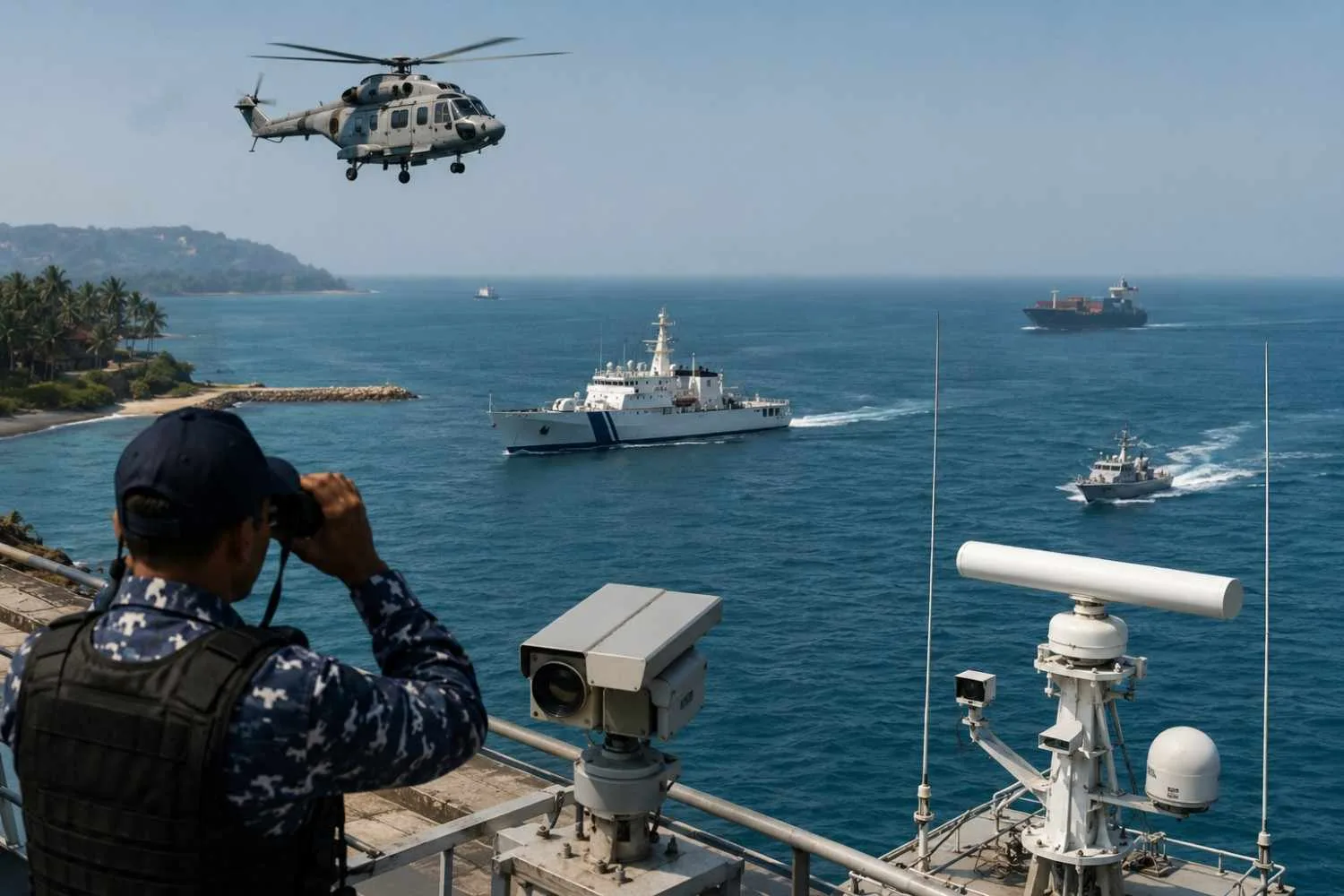
Coastal Security in India is a vital part of the country’s national security system. India has a coastline of about 7,516 kilometers, including 5,422 kilometers along the mainland and 2,094 kilometers around islands. This vast coastline stretches across nine states and four Union Territories. More than 90% of India’s trade by volume moves through the sea, making coastal regions extremely important for economic growth and national development.
India’s coastal areas include around 3,331 coastal villages, 1,382 islands, 12 major ports, over 200 minor ports, and many fishing and landing centers. Because of their strategic importance, these coastal regions face several security challenges such as terrorism, smuggling, illegal migration, piracy, and infiltration. Therefore, strengthening coastal security has become a major priority for India.

Importance of Coastal Security in India
Coastal security refers to measures taken to protect India’s coastline, ports, offshore installations, fishing communities, and maritime trade routes from threats.
India’s long coastline provides opportunities for trade and development, but it also creates security risks. Criminal groups, terrorists, smugglers, and hostile elements often try to exploit weaknesses in coastal areas.
A strong coastal security system helps in:
- Protecting national sovereignty
- Preventing terrorist attacks
- Stopping illegal migration
- Preventing smuggling activities
- Protecting ports and maritime infrastructure
- Ensuring safe sea trade
- Safeguarding fishermen and coastal communities
Why India Needs Strong Coastal Security
India’s coastal areas have remained vulnerable for many decades. Various illegal activities have been reported through sea routes.
1. Maritime Terrorism
Maritime terrorism refers to terrorist activities carried out through the sea.
Examples include:
- Hijacking ships
- Attacking ports
- Taking hostages
- Damaging oil pipelines
- Destroying offshore installations
- Launching attacks on coastal cities
Terrorist groups may use ships and boats to enter a country unnoticed and carry out attacks.
2. Mumbai 26/11 Terror Attack
One of the biggest examples of coastal security failure was the 2008 Mumbai terrorist attack.
The terrorists entered India through the Arabian Sea and reached Mumbai by boat. They targeted important locations such as:
- Taj Mahal Palace Hotel
- Oberoi Trident Hotel
- Chabad House
The attack exposed major weaknesses in India’s coastal surveillance and security system. After this incident, the government introduced several reforms to strengthen coastal security.
3. Threats to Ports and Strategic Installations
Ports are critical for trade and economic activities. Terrorist organizations may target ports because:
- Large amounts of cargo pass through them.
- Oil terminals and petrochemical facilities are located nearby.
- Many people work around port areas.
An attack on a major port can affect trade, transportation, and national security.
4. Threats to Ships
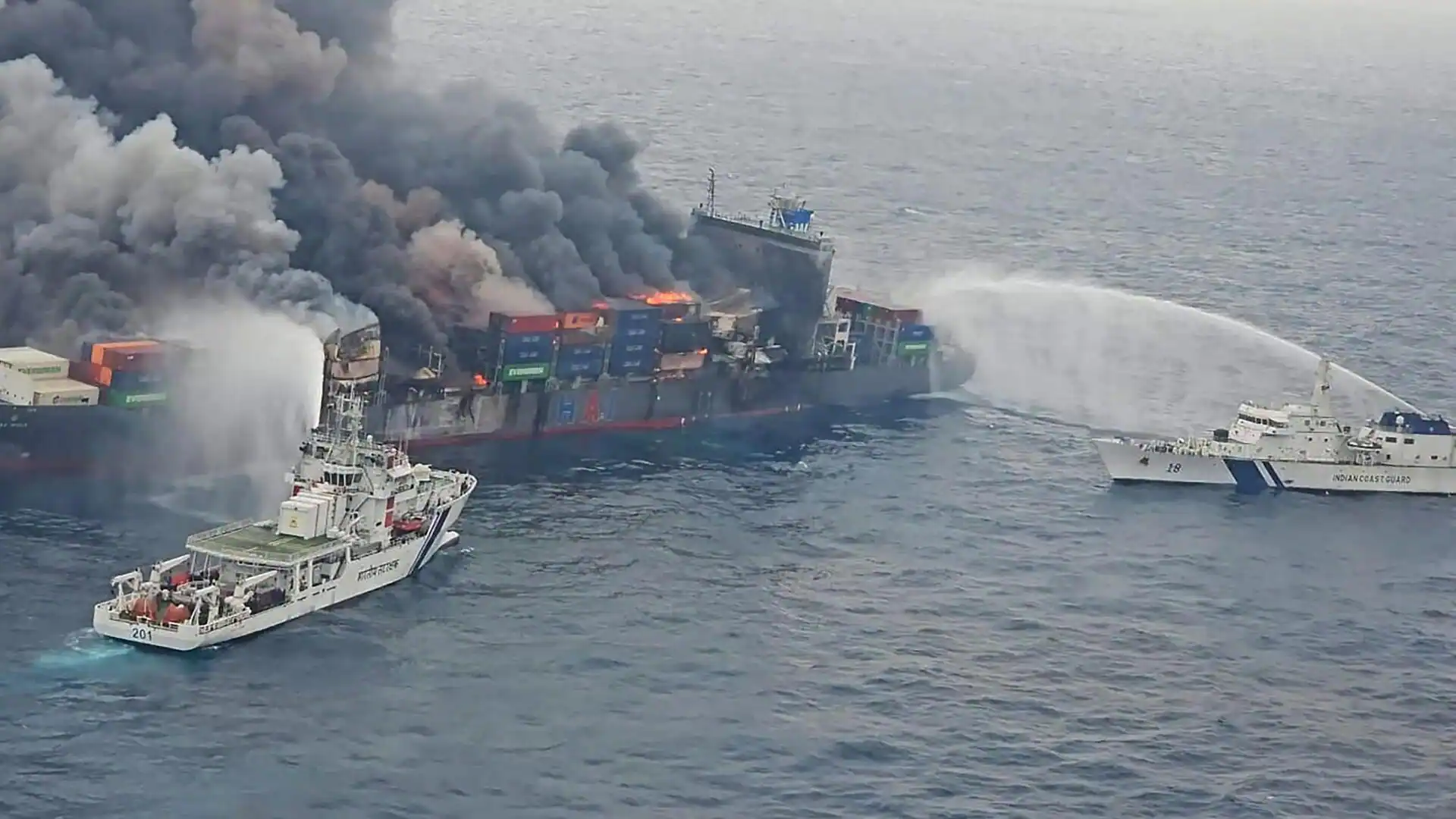
Ships are often vulnerable because they have limited protection against attacks.
Possible threats include:
- Hijacking
- Armed attacks
- Explosive attacks
- Piracy
- Hostage situations
Terrorists and criminal groups may use ships for illegal activities or target them for economic damage.
5. Piracy and Armed Robbery
Piracy remains a concern in several maritime regions.
Pirates may:
- Rob ships
- Kidnap crew members
- Seize valuable cargo
- Demand ransom
Certain shallow-water regions such as the Sundarbans have witnessed incidents of armed robbery and violence.
6. Smuggling and Trafficking
India’s coastline has often been used for smuggling activities.
Items commonly smuggled include:
- Gold
- Narcotics and drugs
- Electronic goods
- Arms and ammunition
- Explosives
Smuggling not only causes economic losses but also creates security threats.
7. Illegal Migration and Infiltration
Sea routes are sometimes used for illegal migration and infiltration.
Factors contributing to illegal migration include:
- Poverty
- Political instability
- Religious persecution
- Lack of employment opportunities
The coastal regions of Gujarat, due to their proximity to Pakistan and difficult terrain, remain vulnerable to infiltration.
Similarly, migration from neighboring countries has created social and security concerns in some regions.
8. Fishermen Crossing International Waters
Indian fishermen often accidentally cross maritime boundaries while fishing.
This creates several challenges:
- Arrest of fishermen by neighboring countries
- Diplomatic concerns
- Security issues
- Risk to fishermen’s lives
Monitoring fishing activities is therefore an important part of coastal security.
Government Initiatives for Coastal Security
India has launched several measures to improve maritime and coastal security.
National Committee for Strengthening Maritime and Coastal Security
This committee is headed by the Cabinet Secretary.
Its main functions include:
| Function | Purpose |
|---|---|
| Coordination | Connect various agencies involved in coastal security |
| Policy Implementation | Monitor security measures |
| Strategic Planning | Improve maritime security framework |
Indian Coast Guard
The Indian Coast Guard plays a leading role in coastal security.
Its responsibilities include:
- Law enforcement in maritime zones
- Protection of offshore installations
- Assistance to fishermen
- Search and rescue operations
- Anti-smuggling activities
- Maritime surveillance
The Coast Guard acts as the first line of defense in many coastal areas.
Early Coastal Security Operations
Operation Tasha
Operation Tasha was launched by the Indian Navy.
Objectives:
- Prevent illegal migration
- Stop movement of LTTE militants between India and Sri Lanka
Operation Swan
Operation Swan was introduced after the Mumbai bomb blasts.
Objectives:
- Prevent smuggling
- Stop illegal landings
- Monitor Maharashtra and Gujarat coastlines
Kargil Review Committee Recommendations
After the Kargil War, the government reviewed security arrangements.
The committee recommended:
- Specialized marine police
- Strengthening the Coast Guard
- Fishermen watch groups
- Vessel traffic management systems
- Joint Operation Centers
- Better coordination among agencies
These recommendations significantly improved maritime security planning.
Marine Police Force
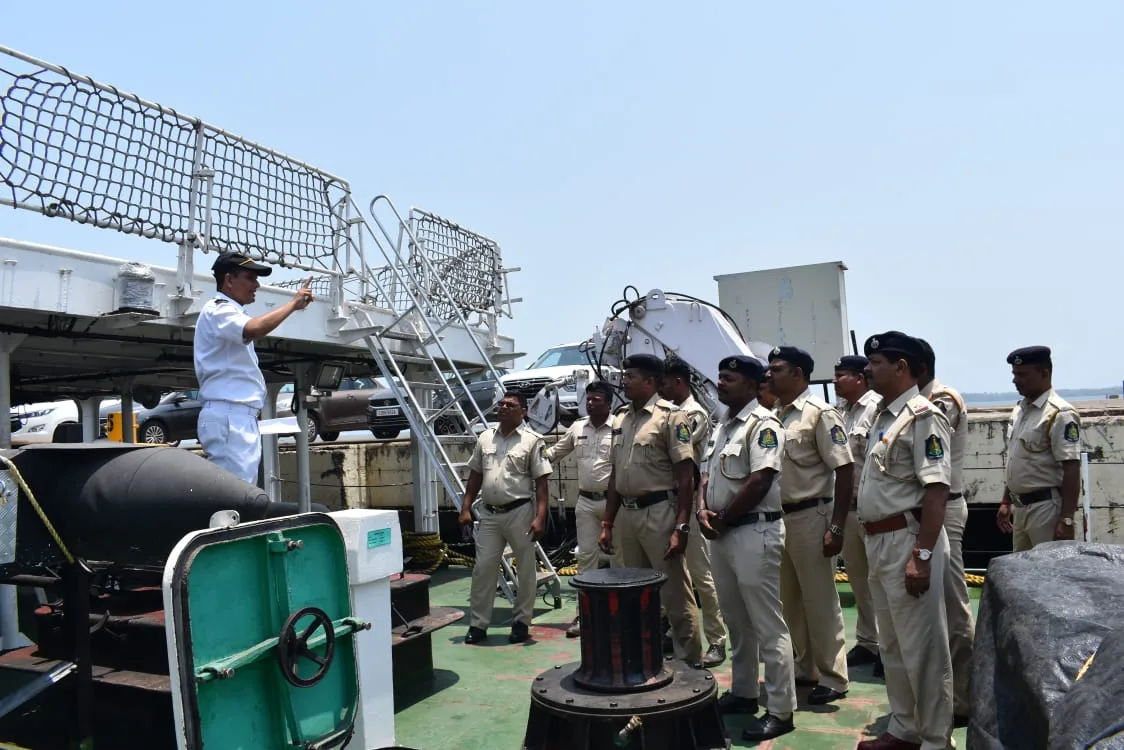
Under the Coastal Security Scheme launched in 2005, a Marine Police Force was established.
Main Functions
- Coastal patrolling
- Monitoring shallow waters
- Gathering local intelligence
- Supporting the Coast Guard
The system follows a “Hub and Spoke” model.
| Hub | Spokes |
|---|---|
| Coast Guard Stations | Coastal Police Stations |
This structure improves communication and coordination.
Coastal Security Reforms After 26/11
Following the Mumbai attacks, several important reforms were introduced.
National Investigation Agency (NIA)
The NIA was established in 2009 to investigate terrorism-related crimes across India.
National Security Guard (NSG)
The NSG provides rapid response during terrorist attacks and emergency situations.
National Intelligence Grid (NATGRID)
NATGRID connects security-related databases to improve intelligence sharing among agencies.
Three-Tier Coastal Security System
India adopted a three-layer security arrangement:
| Security Layer | Agency |
|---|---|
| Outer Layer | Indian Navy |
| Middle Layer | Indian Coast Guard |
| Inner Layer | Marine Police |
This structure provides comprehensive coastal protection.
Electronic Surveillance Systems
Technology plays an important role in modern coastal security.
National Command, Control, Communication and Intelligence Network (NC3I)
NC3I provides real-time monitoring of India’s coastline.
Its objectives include:
- Detecting suspicious vessels
- Tracking maritime movement
- Improving communication among agencies
Major Components
Coastal Radar Chain
Radar stations continuously monitor vessel movements near the coast.
Automatic Identification System (AIS)
AIS helps identify and track ships.
Vessel Traffic Management System (VTMS)
VTMS regulates ship movement and improves navigation safety.
These systems help create near-continuous surveillance of coastal waters.
Challenges in Coastal Security
Despite significant improvements, several challenges remain.
Lack of Coordination
Many organizations are involved in coastal security.
These include:
- Navy
- Coast Guard
- Marine Police
- Intelligence Agencies
- State Governments
Coordination among these agencies is sometimes difficult.
Manpower Shortage
Many coastal police stations face staff shortages.
This affects:
- Patrolling
- Surveillance
- Emergency response
Training Issues
There is a need for advanced and specialized training for maritime security personnel.
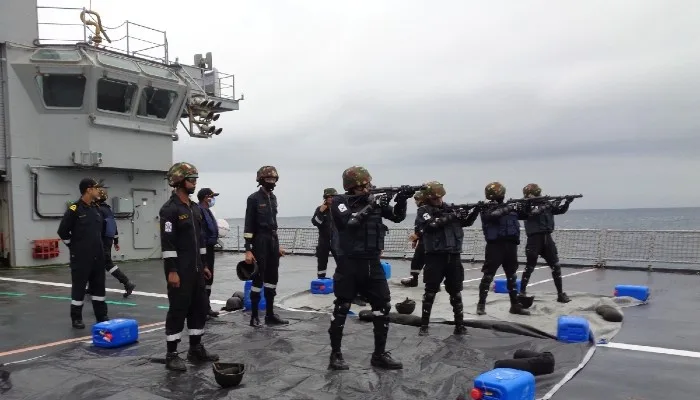
Regular training improves readiness and operational efficiency.
Difficult Coastal Terrain
Certain coastal areas have:
- Dense mangroves
- Creeks
- Islands
- Shallow waters
These geographical conditions make monitoring difficult.
Weather Conditions
Cyclones, storms, and monsoon conditions often disrupt surveillance activities and patrolling operations.
Infrastructure Delays
Several projects face delays due to:
- Land acquisition issues
- Construction delays
- Lack of support facilities
Limited Coastal Infrastructure
Some coastal police stations still lack:
- Jetties
- Patrol boats
- Communication facilities
- Staff accommodation
Fishermen-Related Concerns
Fishermen are often called the “eyes and ears” of coastal security.
However, dissatisfaction among fishing communities may reduce their participation in security efforts.
Way Forward for Coastal Security in India
Improve Surveillance Systems
The government should continue expanding:
- Coastal radar networks
- AIS coverage
- Satellite monitoring
- Drone surveillance
This will help detect threats quickly.
Strengthen Inter-Agency Coordination
Better information sharing and joint operations can improve response time during emergencies.
Empower Coastal Police
Coastal police should receive:
- Better training
- Modern equipment
- Additional manpower
Their integration with the Coast Guard should be strengthened.
Create a Strong Legal Framework
India needs comprehensive laws covering:
- Port security
- Maritime infrastructure protection
- Coastal surveillance
- Private terminal operations
Clear legal responsibilities will improve accountability.
Strengthen the Coast Guard
The Indian Coast Guard should receive:
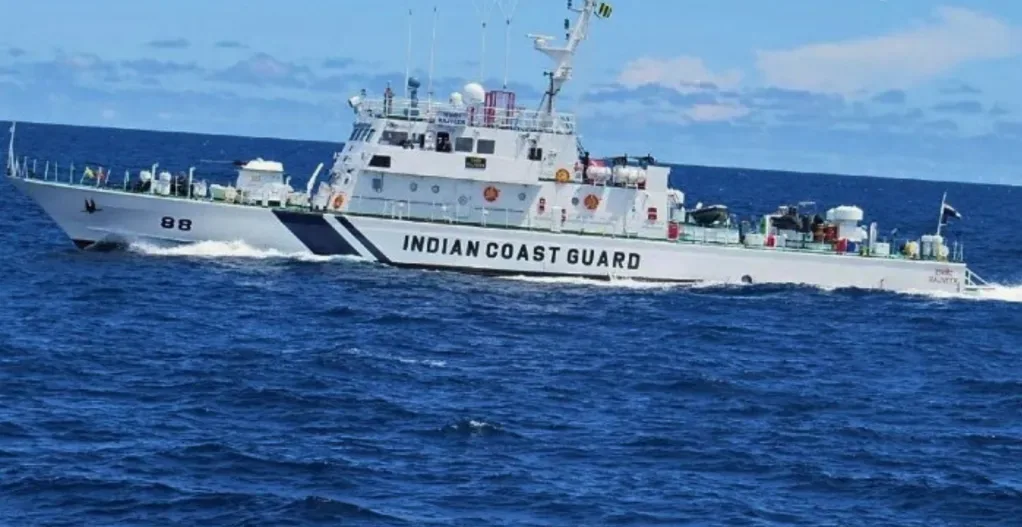
- Additional ships
- Aircraft
- Surveillance equipment
- Human resources
This will help it play a stronger leadership role.
National Maritime Security Policy
A comprehensive maritime security policy can provide clear direction for:
- Port security
- Shipping protection
- Trade route safety
- Maritime infrastructure development
Protect Coastal Ecosystems
Coastal development should be balanced with environmental protection.
Proper implementation of Coastal Regulation Zone (CRZ) rules can help maintain ecological security while supporting economic growth.
Regular Security Exercises
Exercises such as:
- Sagar Kavach
- Sea Vigil
should be conducted regularly to test preparedness and improve coordination among agencies.
Final Thoughts
Coastal Security in India has become increasingly important due to growing maritime trade, security threats, and strategic challenges. India’s long coastline offers tremendous opportunities for economic growth, but it also requires constant vigilance against terrorism, smuggling, piracy, and illegal migration. Through stronger surveillance systems, better coordination among agencies, modern technology, and active participation from coastal communities, India can build a safer and more secure maritime environment for the future.
FAQs on Coastal Security in India
1. What is coastal security?
Coastal security refers to measures taken to protect a country’s coastline, ports, maritime infrastructure, and coastal communities from security threats.
2. Why is coastal security important for India?
India has a long coastline and depends heavily on sea trade. Coastal security helps prevent terrorism, smuggling, piracy, and illegal migration.
3. Which organization is mainly responsible for coastal security?
The Indian Coast Guard plays a major role in coastal security along with the Indian Navy and Marine Police.
4. What is the NC3I network?
NC3I stands for National Command, Control, Communication and Intelligence Network, which helps monitor India’s coastline through advanced surveillance systems.
5. What is the role of fishermen in coastal security?
Fishermen often report suspicious activities and help security agencies monitor coastal areas.
6. What was Operation Tasha?
Operation Tasha was launched to prevent illegal migration and militant movement between India and Sri Lanka.
7. What is the three-tier coastal security system?
The system consists of the Indian Navy, Indian Coast Guard, and Marine Police working together to secure India’s coastal waters.
8. What are the major threats to India’s coastline?
Major threats include terrorism, piracy, smuggling, illegal migration, infiltration, and attacks on ports and ships.