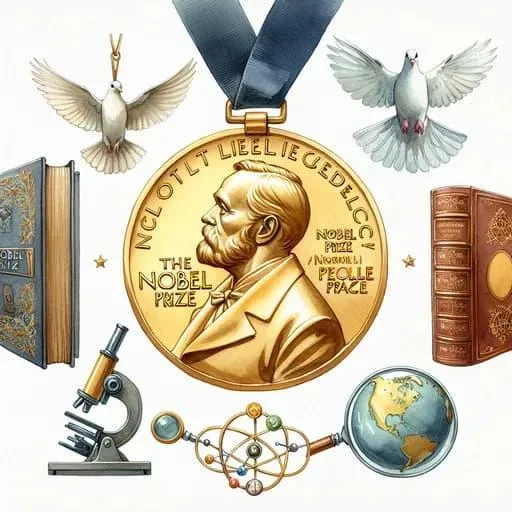
Nobel Prize 2020 Winners and Achievements

Nobel Prize 2020 was one of the most important global award events, honoring people and organizations for outstanding work in science, literature, medicine, economics, and peace. These awards are considered among the highest honors in the world.
Thank you for reading this post, don't forget to subscribe!The Nobel Prize was started based on the will of Alfred Nobel, a Swedish inventor and scientist. Every year, Nobel Prizes are awarded to individuals or organizations that make remarkable contributions to humanity.
The Nobel Prize is awarded in six major categories:
- Physics
- Chemistry
- Physiology or Medicine
- Literature
- Peace
- Economic Sciences
Nobel Prize 2020 in Physiology or Medicine
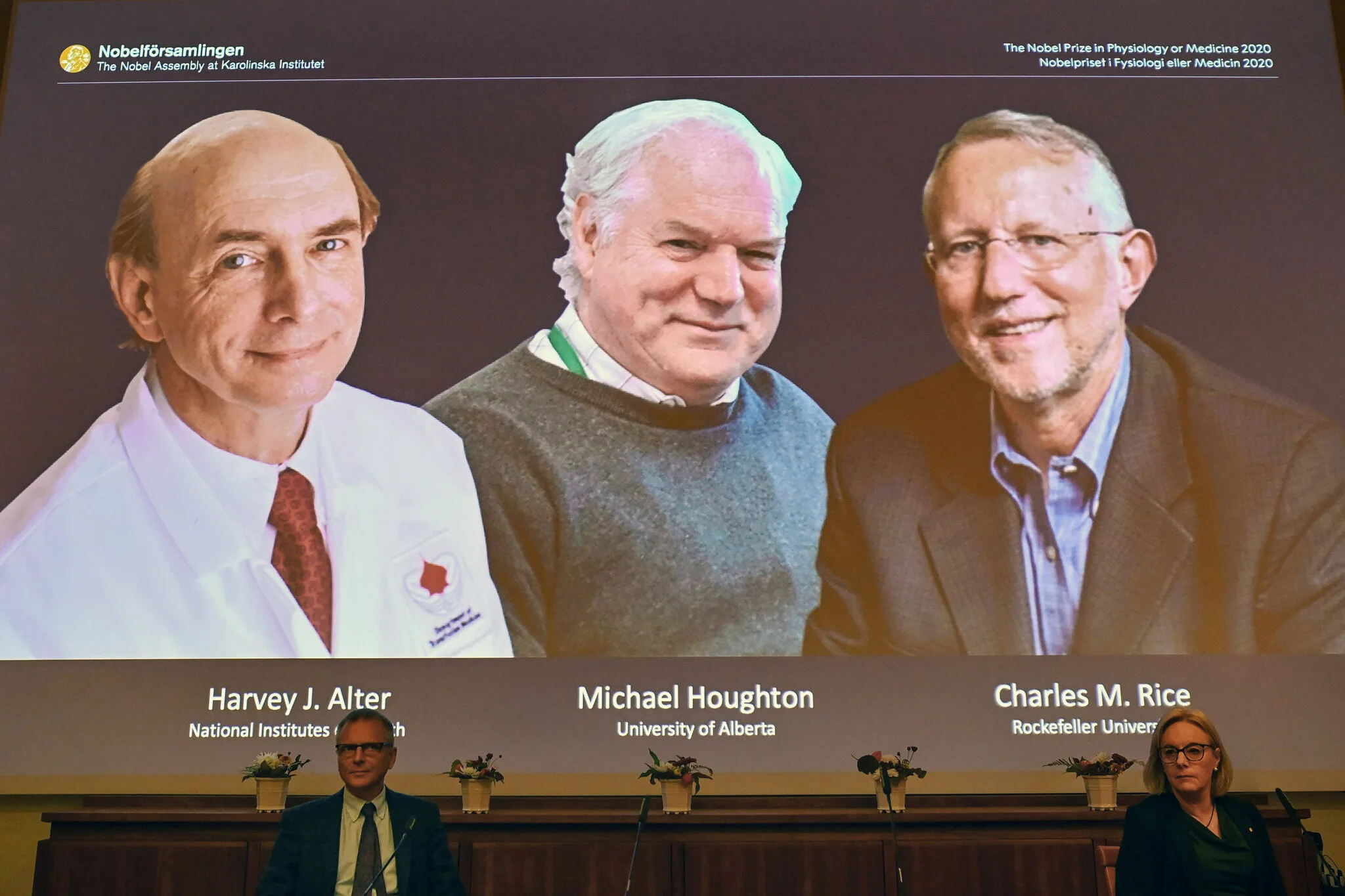
The Nobel Prize 2020 in Medicine was awarded to three scientists:
- Harvey J. Alter
- Michael Houghton
- Charles M. Rice
They received the award for the discovery of the Hepatitis C virus.
Their research helped doctors understand why many patients suffered from chronic liver disease even after testing negative for known hepatitis viruses. Their discovery led to better blood testing and modern treatments that have saved millions of lives worldwide.
What is Hepatitis?
Hepatitis is a disease that causes inflammation in the liver. It is commonly caused by viruses, but it can also happen because of alcohol, harmful medicines, toxins, or autoimmune disorders.
There are five major types of hepatitis:
- Hepatitis A
- Hepatitis B
- Hepatitis C
- Hepatitis D
- Hepatitis E
Among these, Hepatitis C is especially dangerous because people may remain infected for years without symptoms.
World Hepatitis Day is observed on 28 July every year to spread awareness about hepatitis.
Nobel Prize 2020 in Physics
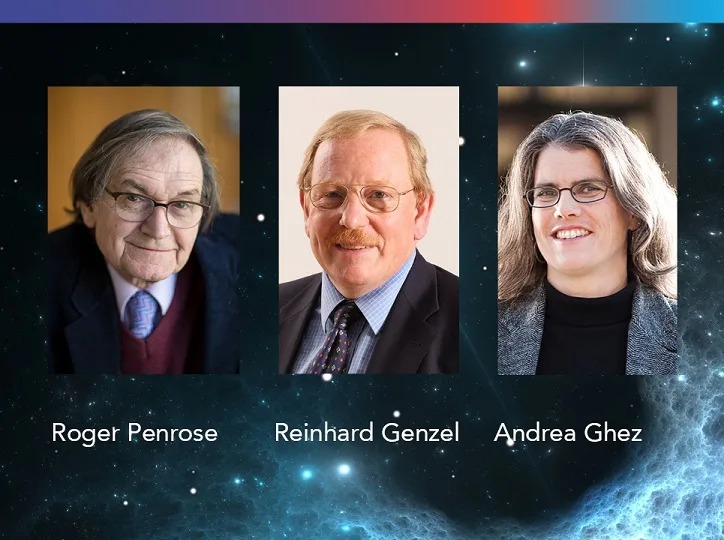
The Nobel Prize 2020 in Physics was awarded to:
- Roger Penrose
- Reinhard Genzel
- Andrea Ghez
Roger Penrose received half of the award for proving that black holes are a direct result of General Theory of Relativity.
Reinhard Genzel and Andrea Ghez shared the other half for discovering a supermassive black hole at the center of the Milky Way.
This black hole is called Sagittarius A* and has a mass around four million times greater than the Sun.
What is a Black Hole?
A black hole is a region in space where gravity is so strong that even light cannot escape.
The term “black hole” was introduced by John Archibald Wheeler.
Black holes were first predicted by Albert Einstein in 1915.
There are mainly two types of black holes:
- Stellar black holes – formed when massive stars die
- Supermassive black holes – found at the center of galaxies
In 2019, the Event Horizon Telescope released the first image of a black hole.
Nobel Prize 2020 in Chemistry
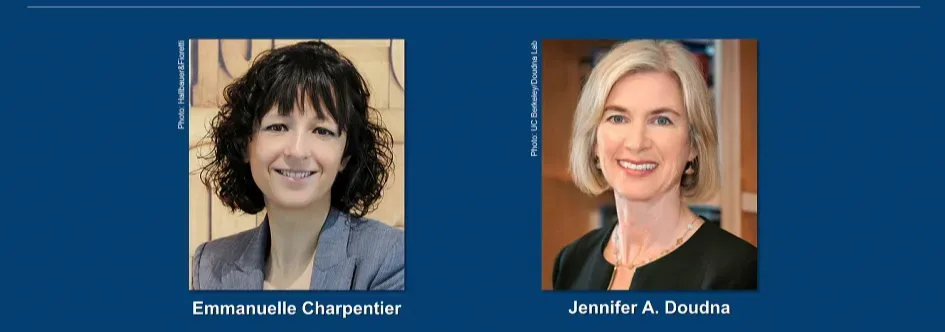
The Nobel Prize 2020 in Chemistry was awarded to:
- Emmanuelle Charpentier
- Jennifer Doudna
They were honored for developing CRISPR-Cas9 gene-editing technology.
This was historic because it was the first time a Nobel science prize was awarded to a women-only team.
What is CRISPR?
CRISPR is a gene-editing tool that works like molecular scissors. It can cut DNA at specific points and allow scientists to modify genes with high accuracy.
This technology helps in:
- Improving crop quality
- Developing cancer treatments
- Studying genetic diseases
- Making plants resistant to drought and pests
CRISPR has changed modern biology and medicine because it makes gene editing easier, faster, and more accurate.
Nobel Peace Prize 2020
The Nobel Peace Prize 2020 was awarded to the World Food Programme (WFP).
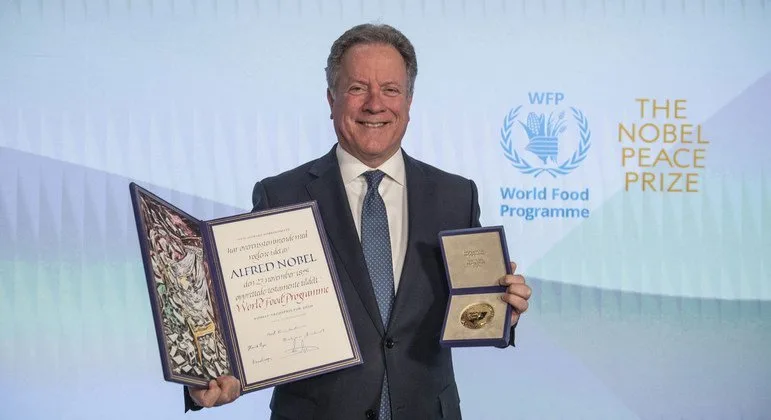
WFP received the award for:
- Fighting hunger
- Helping people in war-affected areas
- Preventing hunger from being used as a weapon
WFP is the food assistance branch of the United Nations.
It helps millions of people suffering from hunger and food shortages.
World Food Programme
Important facts about WFP:
- Established: 1961
- Headquarters: Rome, Italy
- Main Goal: End global hunger
WFP in India
WFP has been working in India since 1963.
Its work in India includes:
- Improving food distribution systems
- Supporting the Public Distribution System
- Promoting food security policies
It has also introduced useful initiatives such as:
- Automatic Grain Dispensing Machine (Annapurti)
- Mobile Storage Units
These help improve food delivery to needy people.
Nobel Prize 2020 in Economic Sciences
The Economic Sciences Prize 2020 was awarded to:
- Paul Milgrom
- Robert B. Wilson
They won for improving auction theory and creating better auction methods.
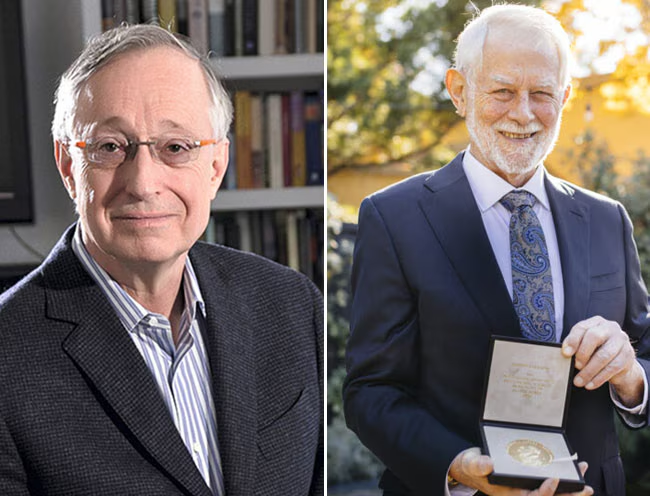
Their research helps governments and companies sell important resources more efficiently.
Examples include:
- Radio spectrum
- Minerals
- Electricity
- Carbon emission permits
What is Auction Theory?
Auction theory studies:
- How auctions are designed
- How people bid
- What rules produce the best results
Auctions help allocate limited resources fairly and efficiently.
Common auction examples include:
- Property sales
- Online bidding
- Government spectrum auctions
- Commodity trading
Good auction design is important because poor auction systems can reduce public benefit.
Nobel Prize 2020 in Literature
The Nobel Prize 2020 in Literature was awarded to Louise Glück.
She was recognized for her powerful poetry and unique voice.

Her poems often discuss:
- Human suffering
- Death
- Childhood
- Family relationships
- Emotional struggles
Her writing is simple yet deeply meaningful.
Nobel Prize Money
Each Nobel Prize winner receives:
- A Nobel medal
- A certificate
- Prize money of around 10 million Swedish kronor
This is one of the highest award amounts in the world.
Indian Nobel Prize Winners
India has produced several Nobel Prize winners who made remarkable contributions.
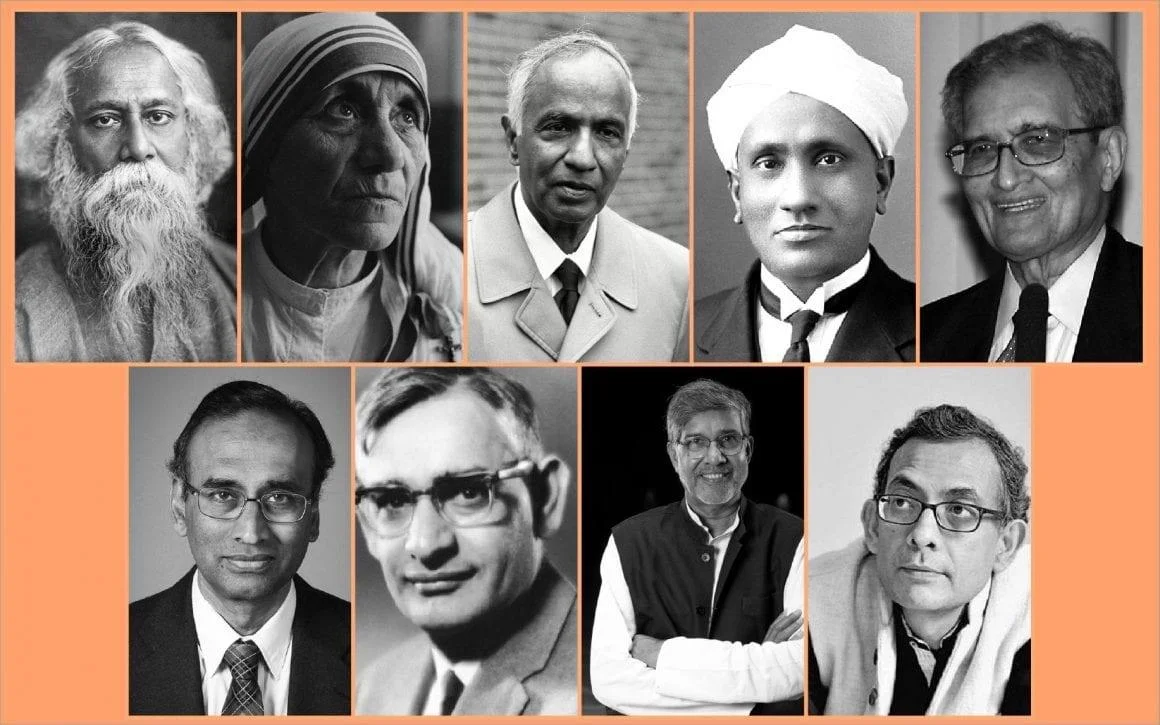
Rabindranath Tagore
Rabindranath Tagore became the first Indian and first non-European Nobel winner in 1913.
He won the Nobel Prize in Literature for Gitanjali.
C. V. Raman
C. V. Raman won the Nobel Prize in Physics in 1930 for the Raman Effect.
Har Gobind Khorana
Har Gobind Khorana won the 1968 Nobel Prize in Medicine for genetic code research.
Mother Teresa
Mother Teresa received the Nobel Peace Prize in 1979 for helping the poor and sick.
Subrahmanyan Chandrasekhar
Subrahmanyan Chandrasekhar won the Nobel Prize in Physics in 1983 for stellar evolution studies.
Amartya Sen
Amartya Sen won the Economic Sciences Prize in 1998 for welfare economics.
Venkatraman Ramakrishnan
Venkatraman Ramakrishnan won the Nobel Prize in Chemistry in 2009 for ribosome studies.
Kailash Satyarthi
Kailash Satyarthi won the Nobel Peace Prize in 2014 for protecting children’s rights.
Abhijit Banerjee
Abhijit Banerjee won the Economic Sciences Prize in 2019 for research on reducing global poverty.
Nobel Prize 2020 highlighted groundbreaking discoveries in medicine, space science, genetics, economics, literature, and humanitarian work. These awards remind us how knowledge, research, and compassion can improve human life and create a better future.
FAQs
1. What is Nobel Prize 2020?
Nobel Prize 2020 is the annual international award given to individuals and organizations for outstanding contributions to humanity in different fields.
2. Who won the Nobel Prize in Medicine 2020?
Harvey J. Alter, Michael Houghton, and Charles M. Rice won for discovering the Hepatitis C virus.
3. Who won the Nobel Peace Prize 2020?
The World Food Programme won the Nobel Peace Prize 2020 for fighting global hunger.
4. Who won the Nobel Prize in Physics 2020?
Roger Penrose, Reinhard Genzel, and Andrea Ghez won the award.
5. Who won the Nobel Prize in Literature 2020?
Louise Glück won the Nobel Prize in Literature 2020.
6. Why is the Nobel Prize important?
The Nobel Prize honors people and organizations whose work creates major benefits for science, society, and humanity.