Heat Waves and Heat Dome Causes and Effects

Heat Waves and Heat Dome are becoming very common topics in today’s world because extreme heat events are increasing every year. Many countries, including the United States, Canada, and even parts of India, are facing unusually high temperatures that are dangerous for human life, animals, and the environment.
Thank you for reading this post, don't forget to subscribe!In recent years, regions that usually have mild weather have experienced record-breaking heat. For example, the Pacific North-West faced a historic heat wave that caused many sudden deaths and put pressure on emergency services. This unusual situation was linked to a phenomenon called a “heat dome.”
What is a Heat Wave?
A heat wave is a period of very high temperature compared to the normal temperature of a region. It usually lasts for more than two days.
During a heat wave:
- The temperature rises above normal levels.
- It may or may not include high humidity.
- It can affect a large area and many people.
Heat waves are dangerous because they expose people to extreme heat for a long time, which can lead to serious health problems.
Increasing Trend of Heat Waves
Over the past few decades, heat waves have increased significantly.
- Heat waves now affect about 25% more land area than they did in 1980.
- When ocean areas are included, the increase is around 50%.
- Heat waves are becoming more frequent, longer, and hotter.
This shows that extreme heat is not a rare event anymore. It is becoming a regular part of climate patterns.
What is a Heat Dome?
A heat dome is a weather condition where hot air gets trapped in a region like a lid covering a pot.
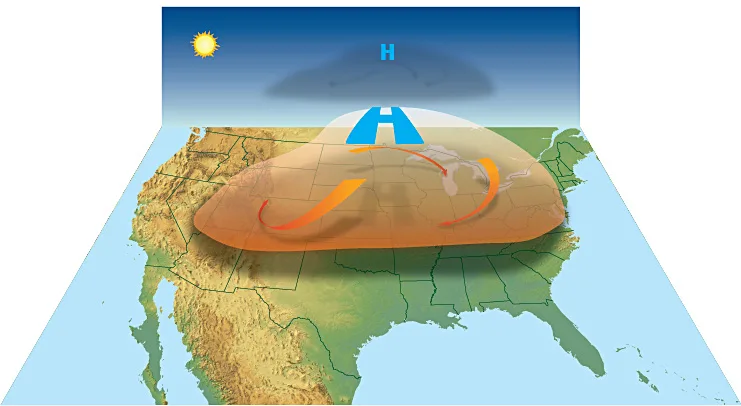
- A strong high-pressure system forms in the atmosphere.
- This system traps hot air beneath it.
- The trapped heat cannot escape, causing temperatures to rise continuously.
This is why it is called a “dome” because it acts like a cover that holds heat inside.
How Long Does a Heat Dome Last?
A heat dome usually lasts for about one week.
- During this time, temperatures keep rising.
- After some time, the system becomes unstable.
- The dome breaks, releasing the trapped heat.
- Weather conditions return to normal slowly.
Causes of Heat Dome Formation
1. Changes in Ocean Temperature
One of the main causes of heat domes is changes in ocean temperature.
- When ocean temperatures vary greatly, warm air rises from the surface.
- This process is called convection.
- Winds move this warm air toward land.
- The air gets trapped due to atmospheric conditions, leading to heat waves.
2. Change in Atmospheric Pressure
High pressure in the atmosphere plays a major role.
- High-pressure systems push warm air downward.
- This prevents the air from rising and cooling.
- The pressure also blocks clouds and winds.
As a result:
- The sky remains clear.
- Sunlight directly heats the ground.
- Temperatures rise quickly.
3. Jet Stream Movement
The jet stream is a fast-moving air current in the atmosphere.
- When it shifts northward, it traps warm air in one place.
- This prevents the movement of cooler air into the region.
- The trapped air becomes hotter over time.
4. Climate Change
Climate change is one of the biggest reasons behind increasing heat waves and heat domes.
- Global temperatures are rising due to human activities.
- Greenhouse gases trap heat in the Earth’s atmosphere.
- This leads to more frequent and intense heat events.
Scientists agree that modern heat waves are strongly linked to climate change.
Impact of Heat Waves and Heat Dome
1. Risk of Wildfires
Heat domes create perfect conditions for wildfires.
- Dry vegetation catches fire easily.
- Fires spread quickly due to heat and lack of moisture.
Countries like the United States experience large-scale forest fires every year due to extreme heat.
2. Prevention of Cloud Formation
High-pressure systems stop clouds from forming.
- No clouds mean no shade.
- More sunlight reaches the ground.
- This increases temperature further.
3. Health Risks and Deaths
Extreme heat can cause serious health problems.
- Heatstroke
- Dehydration
- Heat exhaustion
Elderly people and those with diseases like:
- Heart problems
- Diabetes
- Breathing issues
are more at risk.
Homes without air conditioning become very hot, sometimes leading to sudden deaths.
4. Effect on Agriculture
Heat waves damage crops and vegetation.
- Plants dry out quickly.
- Soil loses moisture.
- Crop production decreases.
This can lead to food shortages and economic loss for farmers.
5. Increased Energy Demand
During heat waves, people use more electricity.
- Air conditioners
- Fans
- Cooling systems
This increases power demand and electricity bills.
6. Power Failure Risk
Too much electricity demand can overload systems.
- Power grids may fail.
- Blackouts can occur.
This creates a dangerous situation where people cannot cool their homes.
7. Urban Heat Effect
Cities become hotter than rural areas.
- Concrete and roads absorb heat.
- Buildings trap heat.
This makes heat waves even more severe in cities.
How to Stay Safe During Heat Waves
Individual Level Measures
1. Stay Hydrated
- Drink water regularly.
- Avoid dehydration.
- Even if you are not thirsty, keep drinking water.
2. Stay Indoors
- Stay in cool places.
- Use fans or air conditioners.
- Avoid direct sunlight.
3. Limit Physical Activity
- Avoid exercise during the day.
- Exercise early morning or evening.
- Take rest when needed.
4. Wear Light Clothes
- Wear loose and light-colored clothes.
- This helps your body stay cool.
Public Level Measures
1. Cooling Centers
Governments can create cooling shelters.
- Air-conditioned public spaces
- Community halls
- Emergency shelters
These help people without cooling systems at home.
2. Use of Cooling Devices
- Portable AC units
- Fans
- Ice packs
These can reduce indoor temperature.
Long-Term Solutions
1. Planting More Trees
Trees help reduce heat in many ways.

- Provide shade
- Release moisture into the air
- Cool the surrounding area
Tree planting is one of the best natural solutions.
2. Use of Reflective Materials
Dark surfaces absorb more heat.
- Roads, roofs, and buildings should use light-colored materials.
- Reflective surfaces reduce heat absorption.
3. Better Urban Planning
Cities should be designed to reduce heat.
- More green spaces
- Parks and gardens
- Proper ventilation
4. Strong Power Systems
Electric systems should be improved.
- Smart grids
- Backup systems
- Better planning
This helps prevent blackouts during extreme heat.
5. Early Warning Systems
Weather forecasting should be improved.
- Early warnings help people prepare.
- Governments can take preventive steps.
Role of Climate Change
Climate change is increasing the intensity of heat waves.
- Human activities like burning fossil fuels are major causes.
- Reducing carbon emissions is necessary.
Steps to reduce climate change:
- Use renewable energy
- Reduce pollution
- Save electricity
Conclusion
Heat Waves and Heat Dome are serious environmental problems that are affecting millions of people worldwide. These extreme weather events are becoming more common due to rising global temperatures and changing climate patterns.
Understanding their causes and effects helps us prepare better and reduce risks. While individuals can take small steps to stay safe, governments and global communities must work together to address climate change and protect the environment.
FAQs
1. What is a heat dome in simple words?
A heat dome is a condition where hot air gets trapped in one place, causing very high temperatures.
2. How is a heat wave different from a heat dome?
A heat wave is a period of high temperature, while a heat dome is a specific weather system that causes extreme heat.
3. Why are heat waves increasing?
Heat waves are increasing mainly due to climate change and rising global temperatures.
4. Who is most affected by heat waves?
Elderly people, children, and those with health problems are most affected.
5. How can we stay safe during a heat wave?
Drink water, stay indoors, avoid sun exposure, and use cooling methods like fans or AC.