


Violence Against Women: A Barrier to Social Progress

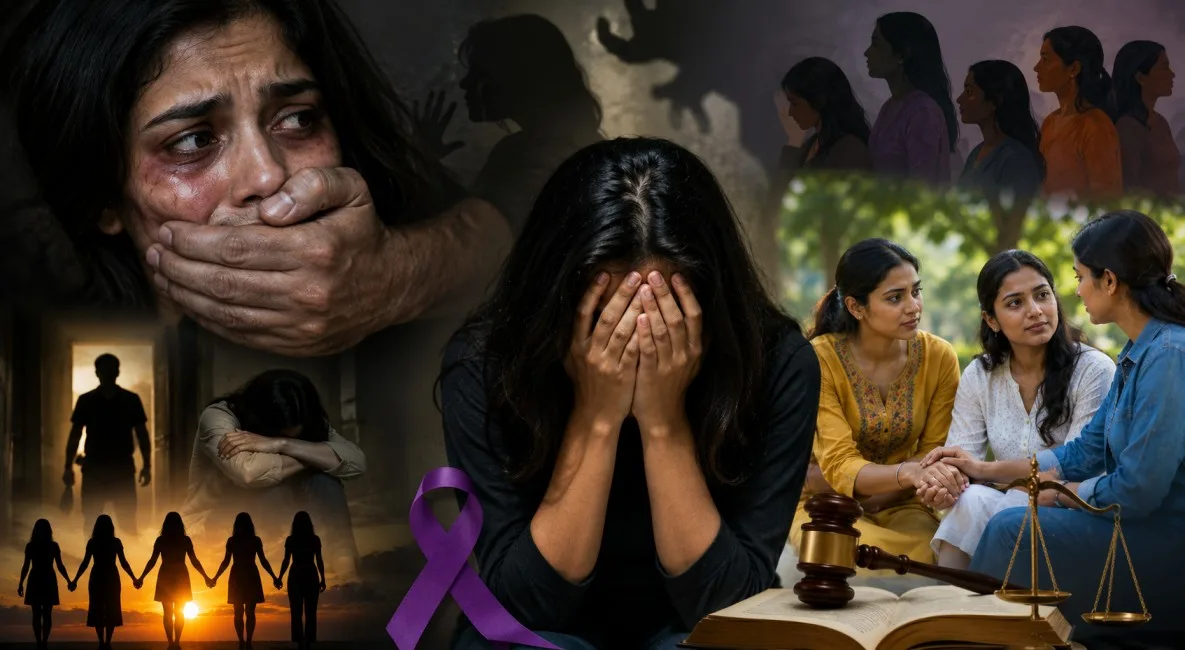
Violence Against Women is one of the most serious social issues in India and across the world. It affects millions of women regardless of their age, education, income, religion, or social status. Violence against women is not only a crime but also a violation of basic human rights. It affects women’s physical health, mental well-being, dignity, freedom, and opportunities in life.
Thank you for reading this post, don't forget to subscribe!According to reports from the National Crime Records Bureau (NCRB), crimes against women such as domestic violence, sexual harassment, rape, dowry deaths, acid attacks, and trafficking continue to be major concerns in India. Despite various laws and government initiatives, many women still face violence in their homes, workplaces, educational institutions, and public spaces.
Violence against women is not merely a women’s issue. It is a social, economic, developmental, legal, educational, and public health issue that affects families, communities, and the nation as a whole. Eliminating violence against women is essential for achieving gender equality, social justice, and sustainable development.
What is Violence Against Women?
The United Nations defines violence against women as any act of gender-based violence that causes or is likely to cause physical, sexual, psychological, or emotional harm to women. It includes threats, coercion, or deprivation of freedom, whether occurring in public or private life.
Violence against women can occur at any stage of life, from before birth to old age. It may be physical, emotional, sexual, economic, or psychological in nature.
Women may experience violence from family members, intimate partners, acquaintances, employers, strangers, or even institutions that fail to protect their rights.
Forms of Violence Against Women
1. Domestic Violence
Domestic violence occurs within the family or household. It includes physical assault, emotional abuse, verbal harassment, economic control, and sexual violence by a spouse or family member.
Many women suffer silently due to social pressure, fear of stigma, financial dependence, or concern for their children.
2. Sexual Harassment
Sexual harassment includes unwanted physical contact, inappropriate comments, stalking, harassment through digital platforms, and other forms of sexual misconduct.
Women often face such harassment at workplaces, schools, colleges, and public places.
3. Rape and Sexual Assault
Rape is one of the most severe forms of violence against women. It causes long-lasting physical and psychological trauma and often affects a survivor’s confidence, relationships, and social life.
4. Dowry-Related Violence
Despite legal restrictions, dowry practices still exist in many parts of India. Women are often subjected to harassment, torture, and even murder due to dowry demands.
5. Acid Attacks
Acid attacks are brutal crimes where acid is thrown on women, usually due to rejection of marriage proposals, personal disputes, or revenge.
Victims suffer severe physical injuries and emotional trauma that can last a lifetime.
6. Human Trafficking
Women and girls are trafficked for forced labour, sexual exploitation, forced marriage, and other illegal activities.
7. Child Marriage
Marriage at an early age deprives girls of education, health, and personal freedom. It increases the risk of domestic violence, maternal health problems, and poverty.
8. Honour Crimes
In some cases, women face violence or even death because they choose their own partner, marry outside their community, or challenge traditional social norms.
9. Cyber Violence
With increasing use of technology, women also face online harassment, cyberstalking, threats, blackmail, and sharing of private information without consent.
Global Situation of Violence Against Women
Violence against women is a worldwide problem.
According to the World Health Organization (WHO):
- Around one in three women globally experiences physical or sexual violence during her lifetime.
- A large percentage of violence is committed by intimate partners.
- Violence against women remains one of the most widespread human rights violations.
The problem exists in both developed and developing countries, showing that it is deeply connected to social attitudes and gender inequality.
Causes of Violence Against Women
Gender Inequality
Gender inequality is one of the main causes of violence against women.
In many societies, women are considered inferior to men. Such beliefs create unequal power relationships that often lead to discrimination and abuse.
Patriarchal Social Structure
Patriarchy refers to a social system where men hold most of the power and authority.
Traditional beliefs often expect women to remain dependent, obedient, and submissive, increasing their vulnerability to violence.
Lack of Education
Low levels of education among both men and women contribute to violence.
Education promotes awareness about rights, equality, and respect for others.
Alcohol and Substance Abuse
Studies have shown a strong connection between alcohol consumption and domestic violence.
Alcohol can reduce self-control and increase aggressive behaviour.
Economic Dependence
Women who are financially dependent on others may find it difficult to leave abusive relationships or seek legal support.
Cultural and Traditional Practices
Certain harmful customs continue to promote violence against women.
These include:
- Dowry system
- Child marriage
- Honour-based violence
- Gender discrimination
Exposure to Violence During Childhood
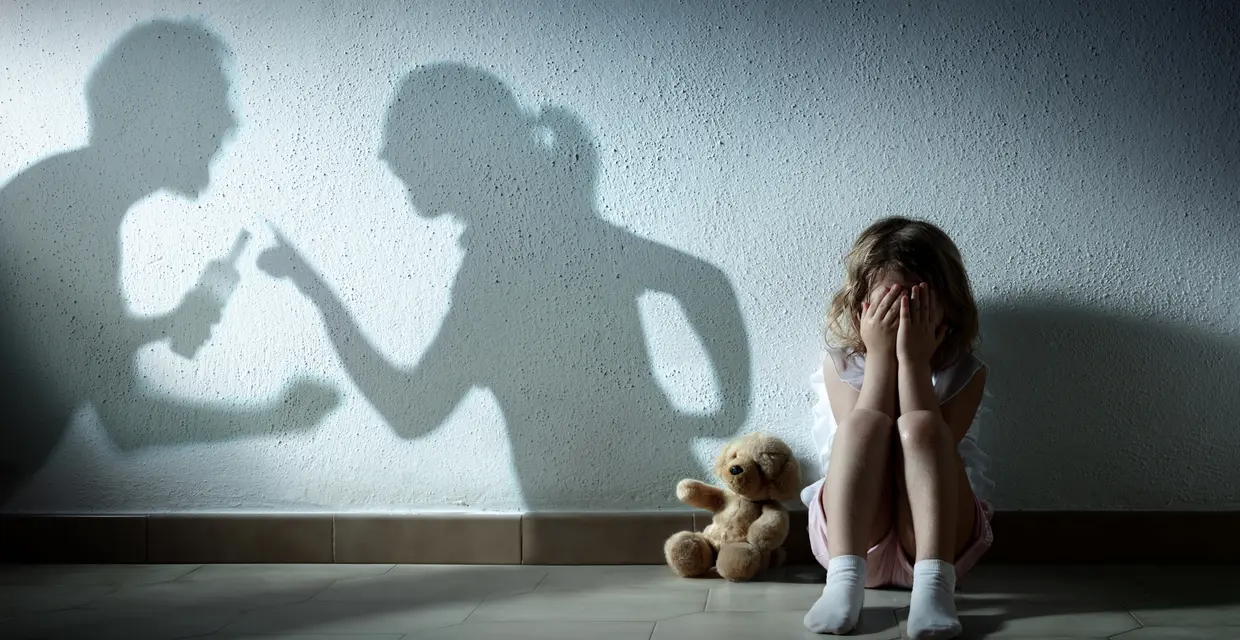
Children who witness violence in their homes are more likely to accept violence as normal behaviour in adulthood.
This creates a cycle of violence that continues across generations.
Weak Law Enforcement
Poor implementation of laws, delays in justice, corruption, and insensitive treatment of victims often discourage women from reporting crimes.
Impact of Violence Against Women
Physical Health Effects
Violence can cause:
- Injuries
- Disabilities
- Chronic pain
- Reproductive health problems
- Increased risk of infections
In severe cases, violence can lead to death.
Mental Health Effects
Victims often suffer from:
- Depression
- Anxiety
- Fear
- Stress
- Post-traumatic stress disorder (PTSD)
- Low self-esteem
Many survivors struggle emotionally for years after the incident.
Social Impact
Women facing violence may become isolated from society and lose confidence in social interactions.
Violence can also damage family relationships and community harmony.
Economic Impact
Violence reduces productivity and affects a woman’s ability to work and earn income.
Families may also face healthcare expenses and loss of earnings.
At the national level, violence against women reduces economic growth and development.
Impact on Children
Children who witness violence often experience emotional trauma, poor academic performance, and behavioural problems.
They may also become future victims or perpetrators of violence.
Challenges in Addressing Violence Against Women
Underreporting of Cases
Many incidents of violence remain unreported.
Women often fear:
- Social stigma
- Family pressure
- Retaliation from offenders
- Lack of trust in authorities
Lack of Awareness
Many women are unaware of their legal rights and available support services.
Slow Judicial Process
Lengthy court procedures often discourage victims from pursuing justice.
Inadequate Support Systems
Shelters, counselling centres, and rehabilitation services are not available in sufficient numbers in many regions.
Social Acceptance of Violence
In some communities, certain forms of violence are still considered acceptable or normal.
Changing such attitudes requires long-term social reform.
Laws Protecting Women in India
India has enacted several laws to protect women from violence.
Protection of Women from Domestic Violence Act, 2005
Provides legal protection against domestic abuse and ensures support for victims.
Dowry Prohibition Act, 1961
Prohibits giving and taking of dowry.
Sexual Harassment of Women at Workplace Act, 2013
Protects women from harassment in workplaces.
Protection of Children from Sexual Offences (POCSO) Act, 2012
Protects children, especially girls, from sexual abuse.
Criminal Law Amendments
Several amendments have strengthened punishments for rape, stalking, acid attacks, and other crimes against women.
Government Initiatives
The Government of India has launched various programs to improve women’s safety.
Beti Bachao Beti Padhao
Promotes the education and empowerment of girls.
One Stop Centres
Provide legal, medical, and psychological support to women facing violence.
Women Helpline (181)
Offers immediate assistance and support.
Nirbhaya Fund
Supports projects related to women’s safety and security.
Fast Track Courts
Aim to speed up the trial of crimes against women.
Role of Society in Preventing Violence
Promote Gender Equality
Boys and girls should be treated equally from childhood.
Encourage Education
Education helps change attitudes and empowers women.
Raise Awareness
Public awareness campaigns can challenge harmful social norms and stereotypes.
Support Victims
Victims should receive emotional, legal, and financial support without judgment.
Community Participation
Local communities, NGOs, schools, and religious organizations can play an important role in preventing violence.
Male Participation
Men and boys must become active partners in promoting respect, equality, and non-violence.

Way Forward
Violence against women cannot be eliminated through laws alone. A comprehensive approach involving government, society, educational institutions, families, and individuals is required.
Some important steps include:
- Strict implementation of laws.
- Faster delivery of justice.
- Better police training and accountability.
- Increased awareness about women’s rights.
- Economic empowerment of women.
- Improved access to education.
- Strengthening support services for victims.
- Promoting gender-sensitive education.
- Encouraging responsible media representation.
- Involving men and boys in gender equality initiatives.
Creating a safe environment for women should be a national priority.
Conclusion
Violence Against Women remains one of the biggest challenges facing modern society. It affects women’s health, dignity, rights, and opportunities while also slowing social and economic progress. Despite legal protections and government efforts, violence continues due to deep-rooted social attitudes, gender inequality, and inadequate implementation of laws.
A society can truly progress only when women can live with safety, freedom, dignity, and equal opportunities. Through education, awareness, stronger institutions, gender equality, and collective social responsibility, violence against women can be significantly reduced. Ensuring women’s safety is not only a legal obligation but also a moral and social responsibility for every citizen.
FAQs on Violence Against Women
1. What is violence against women?
Violence against women refers to physical, sexual, emotional, psychological, or economic harm inflicted on women because of their gender.
2. What are the common forms of violence against women?
Common forms include domestic violence, sexual harassment, rape, dowry-related abuse, acid attacks, trafficking, and cyber harassment.
3. What causes violence against women?
Major causes include gender inequality, patriarchy, lack of education, harmful social norms, alcohol abuse, and economic dependence.
4. How does violence affect women’s health?
It can cause physical injuries, mental stress, depression, anxiety, reproductive health issues, and even death.
5. What is domestic violence?
Domestic violence is abuse or violence committed by a family member or intimate partner within the home.
6. Why do many women not report violence?
Fear of social stigma, family pressure, lack of support, and distrust in the justice system often prevent reporting.
7. What laws protect women from violence in India?
Important laws include the Protection of Women from Domestic Violence Act, Dowry Prohibition Act, and Sexual Harassment of Women at Workplace Act.
8. How does violence against women impact society?
It affects economic growth, family well-being, children’s development, and overall social progress.
9. What role does education play in preventing violence?
Education promotes gender equality, awareness of rights, and respectful behavior, helping reduce violence.
10. How can violence against women be prevented?
Through strict law enforcement, awareness campaigns, gender equality, women’s empowerment, and community participation.