

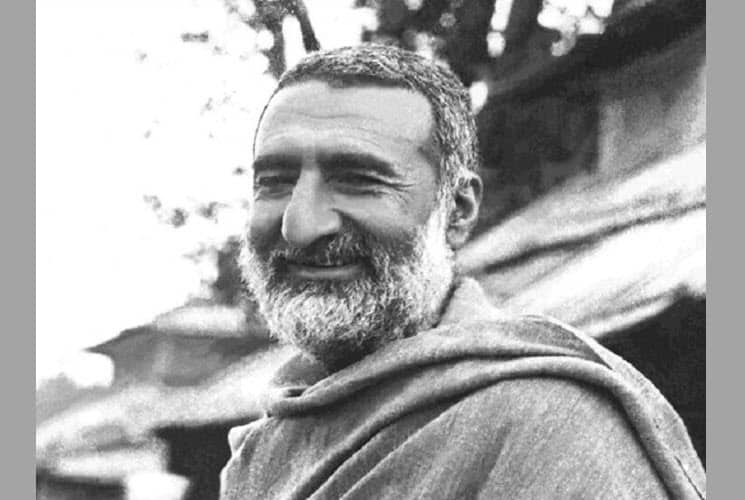
Abdul Ghaffar Khan: The Voice of Non-Violence

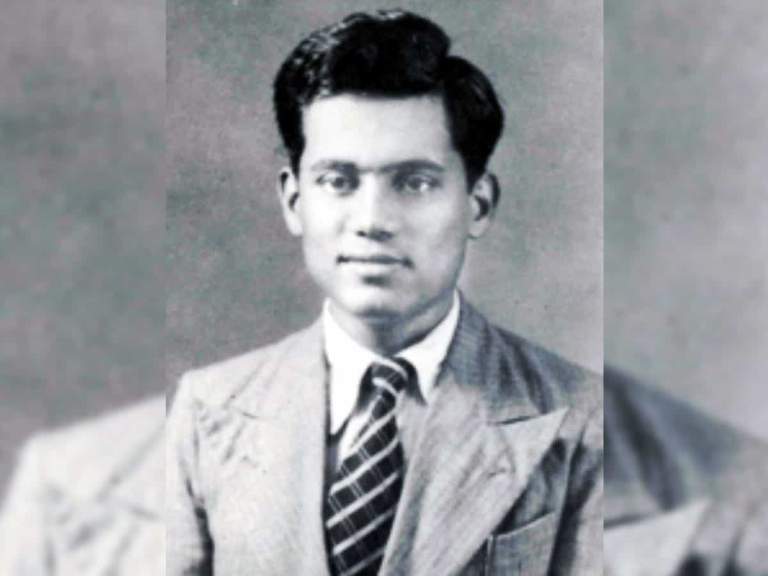
Abdul Ghaffar Khan was one of the greatest leaders of India’s freedom struggle and a powerful symbol of non-violence. He is widely known as Frontier Gandhi or Badshah Khan because of his close friendship with Mahatma Gandhi and his deep belief in peaceful resistance. At a time when his region was known for armed conflict and tribal wars, Abdul Ghaffar Khan showed the world that even the most difficult situations could be faced with patience, courage, and non-violence.
He devoted his entire life to the service of society, especially the Pashtun community, by spreading education, social reform, and moral values. His struggle was not only against British rule but also against ignorance, injustice, and hatred within society.

Early Life of Abdul Ghaffar Khan
Abdul Ghaffar Khan was born on 6 February 1890 in Utmanzai village of the North-West Frontier Province, an area that is now part of Pakistan. He belonged to a respected and financially stable Pashtun family. His father, Khan Bahadur Behram Khan, was a well-known tribal leader who believed in discipline, honesty, and social responsibility.
From childhood, Abdul Ghaffar Khan was different from many others around him. He observed the poor condition of his people and felt deeply troubled by their suffering. The Pashtun society at that time faced many serious problems such as illiteracy, poverty, lack of unity, and blind customs. These issues made him think deeply about how real change could be brought.
Education and Early Influences
Abdul Ghaffar Khan received both traditional and modern education. He studied in local schools and later attended missionary schools, where he was introduced to new ideas, scientific thinking, and social reform movements. His education helped him develop a broad and open-minded outlook.
Some important influences during his early life were:
- His father’s emphasis on honesty, service, and leadership
- Exposure to modern education and reformist ideas
- Deep concern for the backward condition of Pashtun society
- Desire to remove internal divisions and violence among tribes
The British government once offered him a position in the British Indian Army. Such an offer was considered prestigious at that time, but Abdul Ghaffar Khan rejected it. He did not want to serve a foreign power that ruled India through discrimination and injustice. This decision clearly showed his courage and strong moral values.
From a young age, he believed that education and moral reform were the true tools for social progress. These early experiences shaped his future path and prepared him for a life of service and struggle.
Social Reform and Awakening of the Pashtuns
Before fully joining the national freedom movement, Abdul Ghaffar Khan focused on social reform among the Pashtuns. He realized that political freedom would have no meaning unless society itself was reformed.
He began by opening schools in villages to promote education. He traveled from place to place, speaking to people about the importance of learning, unity, and peaceful behavior. He encouraged people to give up old practices that harmed society, such as revenge-based violence and blind obedience to customs.
His simple lifestyle and honest words made people trust him. Slowly, he became a respected leader and guide for the Pashtun community.
Entry into India’s Freedom Struggle
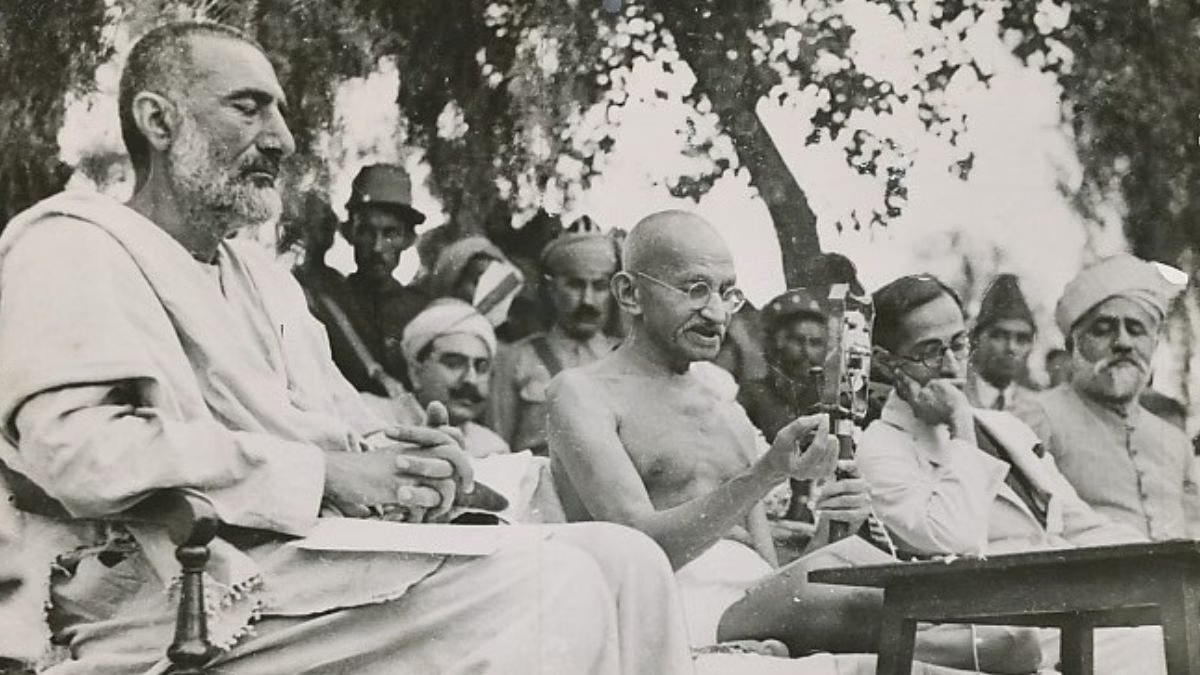
Abdul Ghaffar Khan’s role in India’s freedom struggle became stronger after he came into contact with Mahatma Gandhi. He was deeply inspired by Gandhi’s ideas of truth, non-violence, and civil disobedience. He found that these principles matched his own beliefs and the teachings of Islam, which emphasize patience, tolerance, and peace.
He joined the Indian National Congress and became one of its most important leaders in the North-West Frontier Province. At a time when violent resistance was common in his region, his commitment to non-violence was truly remarkable.
Participation in National Movements
Abdul Ghaffar Khan actively took part in many major movements of the freedom struggle:
- Non-Cooperation Movement: He spread nationalist ideas among the Pashtuns and encouraged people to boycott British institutions.
- Civil Disobedience Movement: He supported protests against unjust laws and policies of the British government.
- Salt Satyagraha: He stood firmly with the people who protested against the salt tax and colonial exploitation.
- Quit India Movement: He openly demanded an end to British rule and accepted imprisonment without fear.
During these movements, he faced repeated arrests, jail terms, and harsh treatment by the British authorities. Yet, he never gave up his belief in peaceful struggle.
Khudai Khidmatgar Movement (Red Shirts)
One of the most important contributions of Abdul Ghaffar Khan was the formation of the Khudai Khidmatgar Movement in 1929. The name means “Servants of God.” This movement aimed to unite the Pashtuns and prepare them for a disciplined, non-violent struggle against British rule.
Key Features of the Movement
- Members wore red uniforms and were called Red Shirts
- They took an oath to serve humanity without violence
- The movement focused on education, social reform, and unity
- Strict discipline and moral conduct were emphasized
The Khudai Khidmatgar Movement played a major role during the Civil Disobedience Movement. Even when British forces used violence, including firing on peaceful protesters at Qissa Khwani Bazaar, the members of the movement remained calm and non-violent.
This shocked the British rulers, as they were not used to seeing non-violent resistance in such a region. The movement proved that non-violence was possible everywhere, not just in peaceful areas.
Philosophy of Non-Violence
Abdul Ghaffar Khan believed that non-violence was not a sign of weakness, but a sign of great inner strength. He saw it as a powerful weapon against injustice and oppression.
Influence of Gandhian Thought
His philosophy was strongly influenced by Mahatma Gandhi. Some core beliefs he followed were:
- Truth and honesty are the foundation of real change
- Self-discipline is necessary for social and political struggle
- Moral strength is greater than physical force
- Non-violence can transform both the oppressor and the oppressed
He often explained that Islam also teaches peace, patience, and forgiveness. Therefore, he believed that non-violence was fully compatible with religious faith.
Because of his deep commitment to Gandhian principles, he earned the title “Frontier Gandhi.”
Efforts for Hindu-Muslim Unity
Abdul Ghaffar Khan strongly believed in unity among all communities. He worked closely with leaders from different religions and cultures and spoke against hatred and division.
He supported a secular and united India, where people of all faiths could live together with respect and equality. During times of tension, he urged people to remain calm and remember their shared humanity.
Opposition to the Partition of India
One of the most difficult moments in Abdul Ghaffar Khan’s life came with the Partition of India. He strongly opposed the division of the country, as he believed it would lead to violence, suffering, and long-term conflict.
He felt that the wishes of the Pashtun people were ignored during the partition process. He criticized the decision to create Pakistan without proper consultation and expressed disappointment with leaders who accepted division.
Despite his opposition, he remained peaceful and continued to work for harmony and justice.
Life After Independence
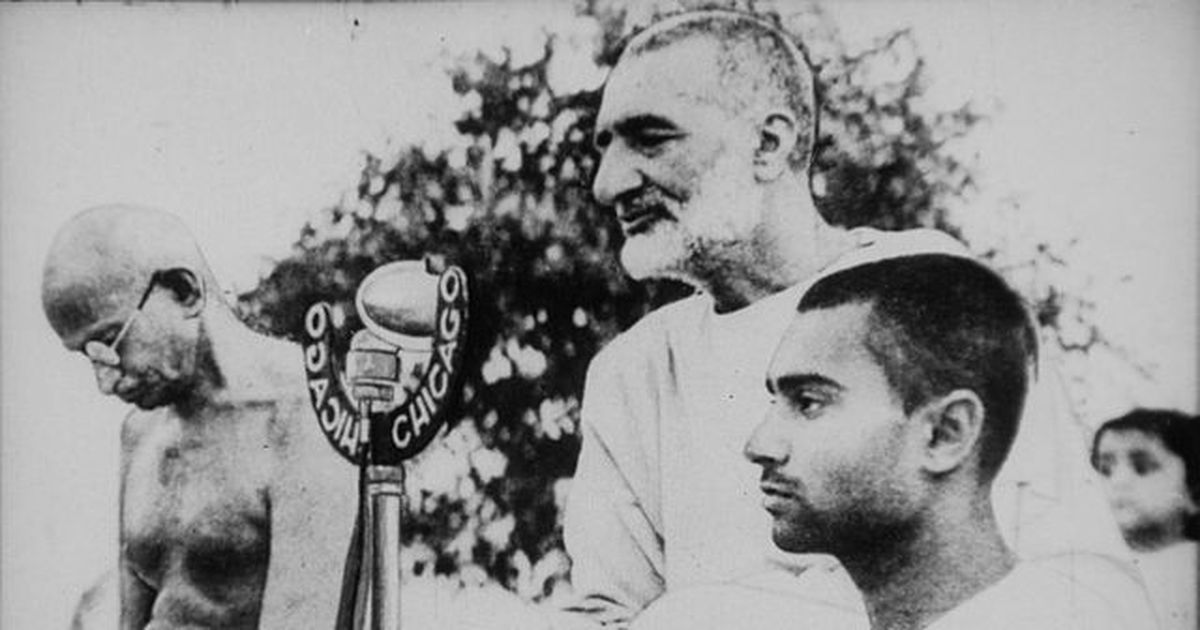
After independence, Abdul Ghaffar Khan faced many hardships. His political views made him a target of repression in Pakistan. He spent many years in prison or under house arrest, but he never gave up his principles.
Continued Struggle for Democracy
Even in difficult conditions, he continued to:
- Demand democratic rights and freedom
- Speak against authoritarian rule
- Support education and social reform
- Promote peace between India and Pakistan
His patience, courage, and moral strength earned him respect across the world.
International Recognition and Honors
Abdul Ghaffar Khan’s dedication to non-violence was recognized globally. Leaders, scholars, and peace activists admired him as a symbol of moral courage.
He was awarded India’s highest civilian honor, the Bharat Ratna, in recognition of his lifelong service to humanity and his role in the freedom struggle. He became the first non-Indian to receive this honor, showing the deep respect India had for him.
Legacy of Abdul Ghaffar Khan
The legacy of Abdul Ghaffar Khan continues to inspire people today. He proved that non-violence is not limited by region, religion, or culture. His life teaches us that true leadership comes from service, sacrifice, and strong values.
Why He Is Remembered
- A fearless leader who chose peace over violence
- A reformer who worked to uplift society through education
- A freedom fighter who stood firmly against colonial rule
- A symbol of unity, tolerance, and moral strength
Conclusion
Abdul Ghaffar Khan was not just a political leader but a teacher, reformer, and guide for millions. His life shows that lasting change comes from within and that non-violence can overcome even the strongest forms of oppression. For students and readers today, his story is a powerful lesson in courage, patience, and humanity.
By following the path of truth and peace, Abdul Ghaffar Khan left behind a legacy that continues to shine as a guiding light for future generations.
Frequently Asked Questions (FAQs)
1. Who was Abdul Ghaffar Khan?
Abdul Ghaffar Khan was a freedom fighter and social reformer who followed the path of non-violence and worked closely with Mahatma Gandhi during India’s freedom struggle.
2. Why was Abdul Ghaffar Khan called Frontier Gandhi?
He was called Frontier Gandhi because he applied Gandhian principles of non-violence in the North-West Frontier region, which was known for violence and tribal conflicts.
3. What was the Khudai Khidmatgar Movement?
The Khudai Khidmatgar Movement was a non-violent movement started by Abdul Ghaffar Khan to unite the Pashtuns against British rule and promote social reform.
4. Did Abdul Ghaffar Khan support non-violence?
Yes, he strongly believed in non-violence and considered it the most powerful way to fight injustice and oppression.
5. What role did Abdul Ghaffar Khan play in India’s freedom struggle?
He led non-violent movements in the North-West Frontier Province, participated in major national movements, and worked for unity and independence from British rule.
6. Why did Abdul Ghaffar Khan oppose the Partition of India?
He believed Partition would divide communities, cause violence, and ignore the wishes of the Pashtun people.
7. What happened to Abdul Ghaffar Khan after independence?
After independence, he faced political repression and imprisonment but continued to work for peace, democracy, and social justice.
8. Which national award was given to Abdul Ghaffar Khan?
He was awarded the Bharat Ratna for his contribution to India’s freedom struggle and his commitment to non-violence.