


Special Courts in India: Meaning, Types, Powers and Challenges

What are Special Courts in India?
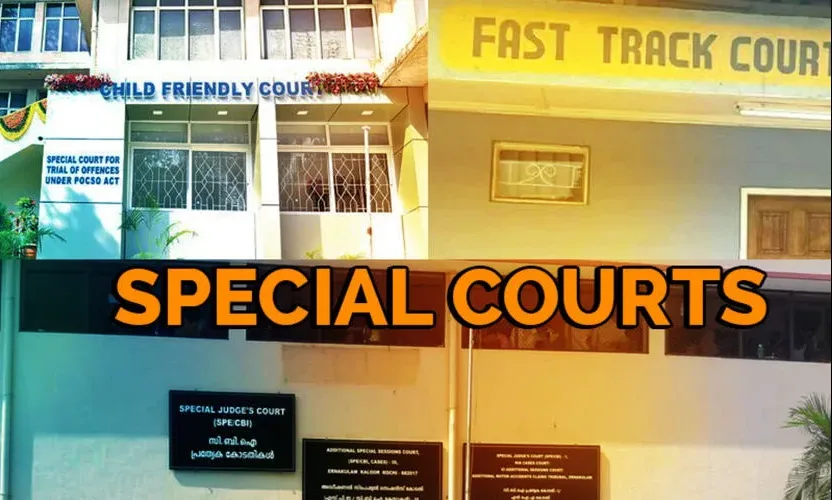
Special Courts in India are courts created to hear and decide only certain types of cases. Unlike regular courts, these courts do not deal with every legal matter. They focus on specific crimes or legal issues so that cases can be decided more quickly.
Thank you for reading this post, don't forget to subscribe!The main purpose of Special Courts is to provide speedy justice, reduce the number of pending cases, and ensure that important matters are handled by judges with the required knowledge and experience.
India has millions of pending court cases. To solve this problem, the government and the judiciary have introduced Special Courts and Fast Track Courts for quicker disposal of cases.
Background of Special Courts
The need for Special Courts increased because many important criminal cases remained pending for years.
In 2017, the Supreme Court directed that Special Courts should be established across the country to hear criminal cases involving Members of Parliament (MPs) and Members of Legislative Assemblies (MLAs). As a result, 12 Special Courts were set up in 11 states.
Later, reports submitted to the Supreme Court showed that thousands of criminal cases against MPs and MLAs were still pending. Over time, the number of pending cases crossed 5,000, including several cases involving serious crimes. This highlighted the need for stronger and more efficient Special Courts.
What is a Special Court?
A Special Court is a court with limited jurisdiction. This means it can hear only specific types of cases assigned to it by law.
These courts are established under different laws, including the Special Courts Act, 1979, and other special Acts passed by Parliament.
The responsibility for creating and managing these courts mainly lies with the State Governments and Union Territory Governments.
Why are Special Courts Needed?
Special Courts are established for several important reasons.
- They help reduce the burden on regular courts.
- They provide faster decisions in important cases.
- They improve access to justice for vulnerable groups.
- They ensure that complex cases are handled by trained judges.
- They reduce delays in criminal and civil justice.
Without Special Courts, many serious cases could remain pending for several years.
Cases Handled by Special Courts
Special Courts deal with different categories of cases depending on the law under which they are created.
Some common examples include:
| Type of Case | Purpose |
|---|---|
| Cases under the SC/ST Prevention of Atrocities Act | Protect Scheduled Castes and Scheduled Tribes from atrocities |
| Corruption cases | Trial of public servants and corruption-related offences |
| Narcotics cases | Crimes involving illegal drugs and narcotic substances |
| NIA cases | Terrorism and national security offences investigated by the National Investigation Agency |
| Securities-related offences | Financial fraud and securities law violations |
| Criminal cases against MPs and MLAs | Speedy trial of elected representatives |
Composition of Special Courts
A Special Court generally consists of a judge nominated by the Chief Justice of the High Court.
The appointment is made with the approval of the Chief Justice of India (CJI) wherever required by law.
These judges are expected to have the experience needed to deal with specialised legal matters.
Jurisdiction of Special Courts
Jurisdiction means the legal authority of a court to hear certain cases.
Special Courts have limited jurisdiction, which means they cannot hear every kind of dispute.
They only deal with cases that are specifically assigned to them by law.
For example, a Special Court created under the Scheduled Castes and Scheduled Tribes (Prevention of Atrocities) Act will hear only offences related to that Act.
This limited jurisdiction helps judges focus on a smaller number of specialised cases.
Special Courts under the SC/ST Act
The Scheduled Castes and Scheduled Tribes (Prevention of Atrocities) Amendment Act, 2015 requires State Governments to establish Special Courts wherever necessary.
These courts ensure that offences committed against Scheduled Castes and Scheduled Tribes are heard quickly.
Each state identifies Special Courts in consultation with the High Court to ensure timely justice for victims.
What are Fast Track Courts?
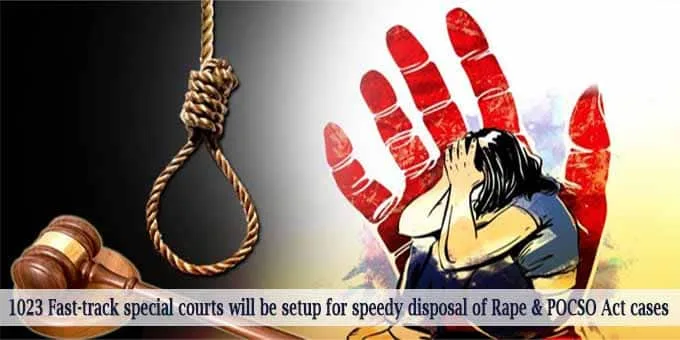
Fast Track Courts (FTCs) are another type of Special Court designed to dispose of cases rapidly.
Their main objective is to reduce the backlog of pending cases in regular courts.
Fast Track Courts deal with many kinds of cases, including:
- Criminal cases
- Civil disputes
- Human rights cases
- Cases involving women and children
- Long-pending trials
The 14th Finance Commission supported the establishment of around 1,800 Fast Track Courts across India to strengthen the justice system.
Difference Between Special Courts and General Courts
| Special Courts | General Courts |
| Hear only specific types of cases | Hear all kinds of legal cases |
| Limited jurisdiction | Wide jurisdiction |
| Aim for faster disposal | Follow normal court schedules |
| Created under special laws | Established under the regular judicial system |
| Focus on specialised matters | Handle civil, criminal, and constitutional matters |
Difference Between Tribunals and Special Courts
Many people think tribunals and Special Courts are the same, but they are different.
| Special Courts | Tribunals |
| Part of the judicial system | Quasi-judicial bodies |
| Follow court procedures | Follow simplified procedures |
| Controlled by High Courts | Created by specific statutes |
| Judges are appointed as per law | Members may include technical experts |
Tribunals mainly deal with specialised administrative matters, while Special Courts remain proper courts established under law.
Challenges Faced by Special Courts in India
Although Special Courts are helpful, they still face several problems.
Lack of Infrastructure
Many Special Courts function inside existing court buildings instead of separate facilities.
As a result:
- Courtrooms become overcrowded.
- Judges have limited staff.
- Administrative support remains weak.
Heavy Workload
Judges in many Special Courts also hear regular court cases.
This increases their workload and slows down the disposal of cases.
Delay in Court Procedures
Even though these courts are meant to deliver speedy justice, lengthy legal procedures often continue.
Frequent adjournments, shortage of witnesses, and delays in investigations reduce their effectiveness.
Limited Jurisdiction
Since these courts hear only selected categories of cases, related disputes may continue in regular courts.
This sometimes creates confusion and delays.
Political and External Pressure
Some Special Courts deal with sensitive cases involving influential individuals.
External pressure or political interference may affect the independence of judicial proceedings.
Shortage of Staff
Many courts lack:
- Clerks
- Court assistants
- Technical staff
- Prosecutors
Without enough supporting staff, judges cannot work efficiently.
Importance of Special Courts in India
Special Courts play a major role in improving India’s justice system.
Their importance includes:
- Providing faster justice.
- Protecting weaker sections of society.
- Reducing pending court cases.
- Improving public confidence in the judiciary.
- Ensuring specialised handling of sensitive cases.
- Supporting transparency and accountability.
They are especially important for cases involving corruption, terrorism, atrocities, and public representatives.
Measures to Improve Special Courts
Several reforms can make Special Courts more effective.
Increase Financial Support
The government should allocate more funds for new buildings, technology, and court staff.
Appoint More Judges
More judges should be appointed so that existing judges are not overloaded with multiple responsibilities.
Better Training
Regular training programmes should be organised for judges, prosecutors, and court employees to improve their knowledge and efficiency.
Improve Digital Technology
Digital filing, online hearings, electronic records, and case management software can speed up court proceedings.
Simplify Legal Procedures
Unnecessary delays should be removed by simplifying procedural rules wherever possible.
Alternative dispute resolution methods can also reduce the burden on courts.
Protect Judicial Independence
Appointments should be based on merit and experience.
Special Courts must remain free from political or external influence so that justice is delivered fairly.
FAQs
What are Special Courts in India?
Special Courts in India are courts created to hear only specific categories of cases such as corruption, terrorism, SC/ST atrocities, and criminal cases involving public representatives.
Why are Special Courts established?
They are established to provide speedy justice, reduce pending cases, and handle specialised legal matters efficiently.
Who establishes Special Courts?
Special Courts are generally established by State Governments or Union Territory Governments under various Acts passed by Parliament.
What is the difference between Special Courts and Fast Track Courts?
Special Courts hear specific categories of cases, while Fast Track Courts mainly focus on disposing of pending cases quickly.
What is the main challenge faced by Special Courts?
The biggest challenges include lack of infrastructure, shortage of judges and staff, procedural delays, and limited jurisdiction.