


Tourism in India: Growth, Importance, Challenges and Government Initiatives

Tourism in India is one of the fastest-growing sectors of the country’s economy. India is known around the world for its rich culture, ancient heritage, beautiful landscapes, historical monuments, religious places, wildlife, and diverse traditions. Every year, millions of domestic and international tourists visit different parts of the country to explore its natural beauty and cultural heritage.
The tourism sector not only helps people discover new places but also creates employment opportunities, supports local businesses, and contributes significantly to the national economy. With continuous improvements in infrastructure, transportation, and tourism services, India is becoming a major destination for travelers from across the world.

Historical Background of Tourism in India
Tourism has existed in India for thousands of years. In ancient times, travelers from different countries visited India because of its wealth, knowledge, culture, and spiritual traditions. One of the most famous visitors was the Chinese Buddhist monk Hieun Tsang, who traveled extensively across India to study Buddhism and Indian society.
During the reign of emperors such as Ashoka and Harsha, special facilities including rest houses were built for pilgrims and travelers. These efforts encouraged religious tourism and made travel easier.
Ancient texts like the Arthashastra also highlighted the importance of roads, transportation, and travel infrastructure. This shows that travel and tourism were considered important even in ancient India.
After independence, tourism became an important part of India’s development plans. The government included tourism in various Five-Year Plans and introduced new forms of tourism such as business tourism, health tourism, adventure tourism, and wildlife tourism.
Tourism Statistics in India
India has achieved significant progress in the tourism sector over the years.
Some important tourism statistics include:
| Tourism Indicator | Details |
|---|---|
| Foreign Tourist Arrivals Growth | 5.6% increase during January-November 2018 |
| Domestic Tourist Visits Growth | 2.3% increase in 2017 compared to 2016 |
| Foreign Exchange Earnings Growth | 11.9% increase during January-October 2018 |
| World Heritage Sites | 37 UNESCO World Heritage Sites |
| Global Tourism Contribution Ranking | 7th position in contribution to World GDP |
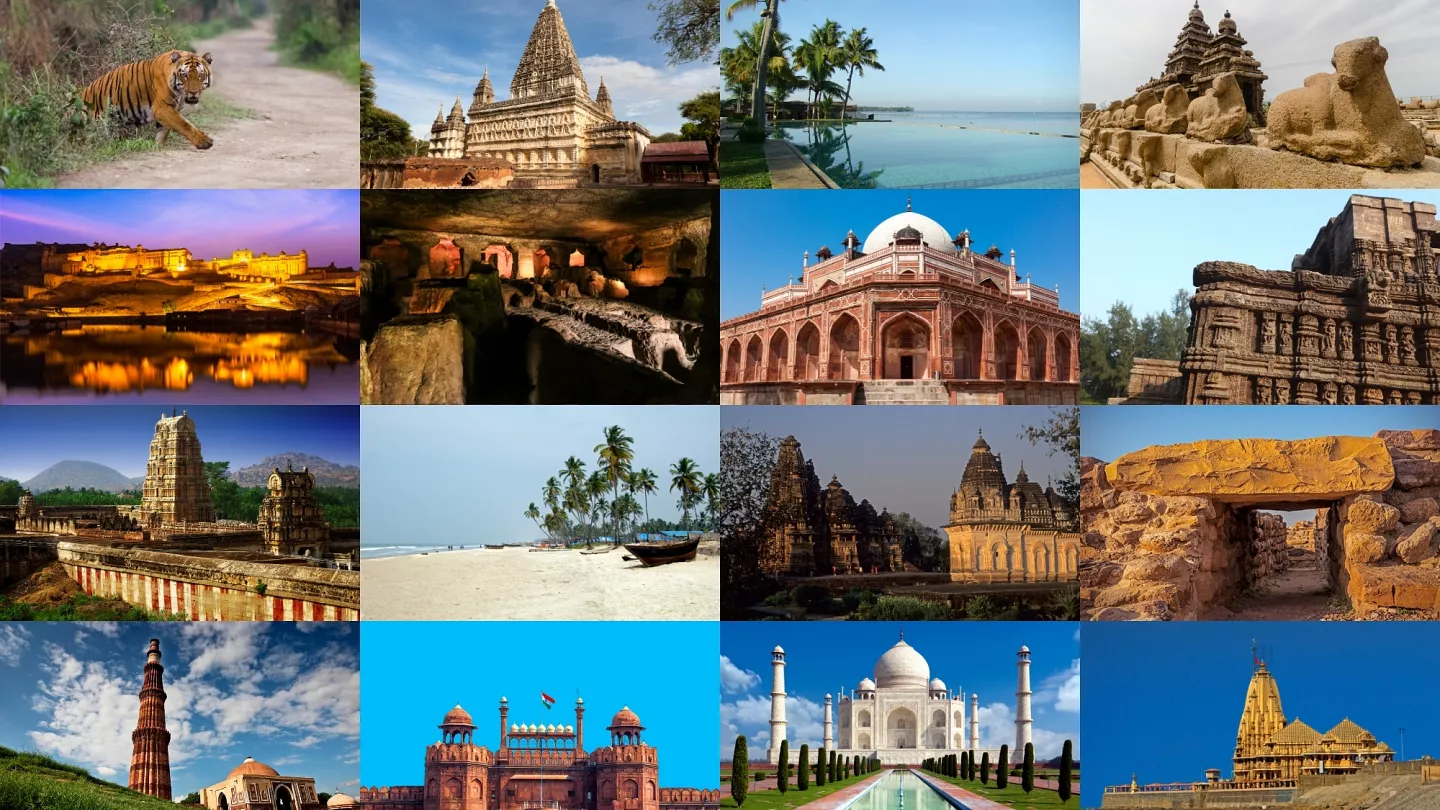
India’s World Heritage Sites include historical monuments, natural wonders, and cultural landmarks. These sites attract tourists from around the globe and showcase India’s rich heritage.
Importance of Tourism in India
1. Generates Employment Opportunities
Tourism is a major source of employment in India. The sector provides jobs directly and indirectly to millions of people. Employment opportunities are created in hotels, restaurants, travel agencies, transportation services, tour guiding, handicrafts, and local businesses.
The growth of tourism also benefits artisans and craftsmen by increasing the demand for traditional handlooms, handicrafts, and local products.
2. Supports Economic Growth
Tourism contributes significantly to India’s Gross Domestic Product (GDP). Money spent by tourists on accommodation, food, transportation, shopping, and entertainment helps boost economic activity.
Foreign tourists also bring valuable foreign exchange, which strengthens the country’s economy.
3. Promotes Service Industries
The tourism industry supports several service sectors, including:
- Airlines
- Railways
- Hotels
- Restaurants
- Taxi services
- Travel agencies
- Tour operators
As tourism grows, these industries also expand and create more jobs and business opportunities.
4. Preserves Cultural Heritage
Tourism encourages the protection and preservation of historical monuments, cultural sites, and traditional practices. Famous monuments and heritage sites receive greater attention and funding for conservation.
This helps future generations learn about India’s history and cultural achievements.
5. Encourages National Pride
When tourists appreciate India’s culture, heritage, and traditions, it creates a sense of pride among local communities. People become more aware of the importance of preserving their cultural identity and historical sites.
6. Improves Infrastructure
Tourism development often leads to improvements in infrastructure such as:
- Roads
- Airports
- Railway stations
- Communication networks
- Public transport
- Sanitation facilities
These improvements benefit both tourists and local residents.
7. Strengthens International Relations
Tourism helps build cultural connections between countries. Visitors learn about Indian traditions, while Indians gain opportunities to interact with people from different cultures.
This promotes mutual understanding, friendship, and international cooperation.
8. Promotes India’s Soft Power
Tourism serves as an important tool of cultural diplomacy. Through tourism, India shares its traditions, art, spirituality, cuisine, and heritage with the world. This enhances India’s global image and influence.
Major Types of Tourism in India
India offers a wide variety of tourism experiences.
Cultural Tourism
Visitors explore historical monuments, museums, forts, palaces, and cultural festivals.
Religious Tourism
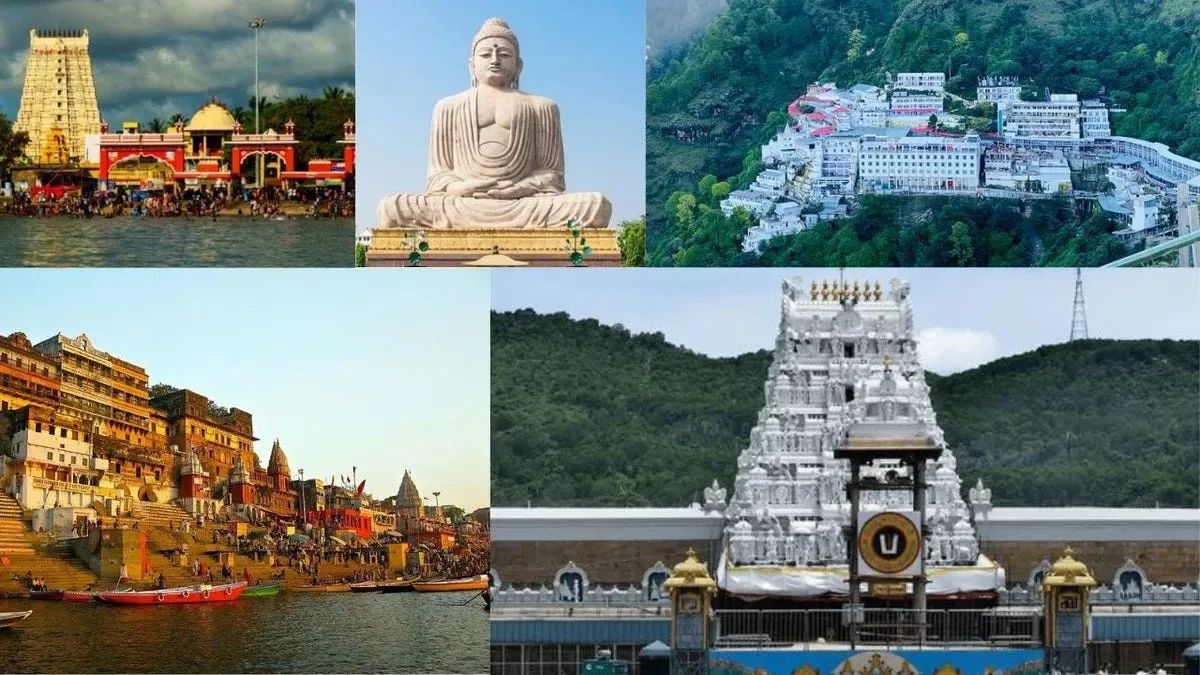
India is home to many important pilgrimage sites for Hindus, Buddhists, Sikhs, Jains, Christians, and Muslims.
Medical Tourism
Many international patients visit India for affordable and high-quality medical treatments.
Wildlife Tourism
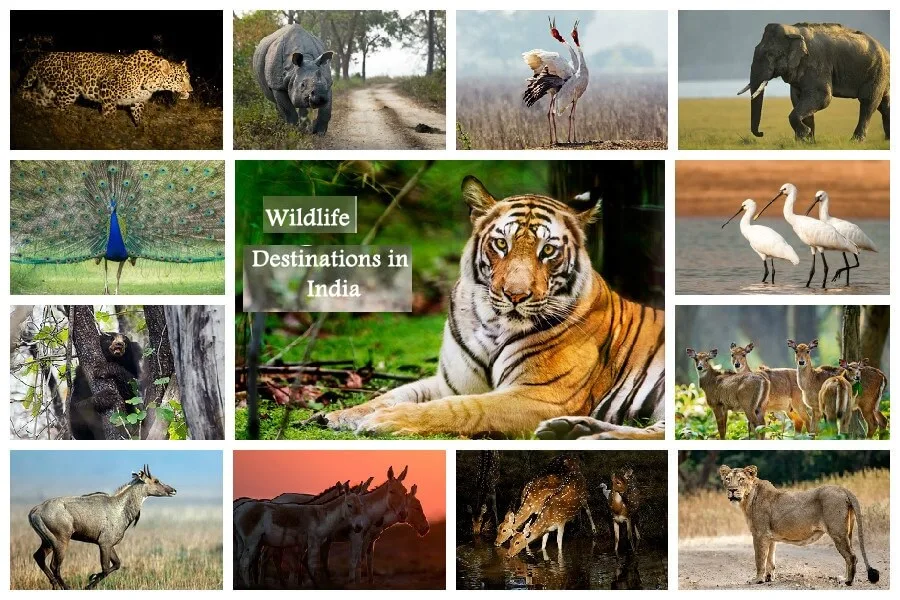
National parks, tiger reserves, and wildlife sanctuaries attract nature lovers and wildlife enthusiasts.
Adventure Tourism
Activities such as trekking, river rafting, mountain climbing, and paragliding are becoming increasingly popular.
Eco-Tourism
Eco-tourism focuses on sustainable travel and environmental conservation.
Rural Tourism
Tourists experience traditional village life, local culture, and agricultural activities.
Challenges Facing Tourism in India
Despite its enormous potential, the tourism sector faces several challenges.
1. Inadequate Infrastructure
Many tourist destinations still lack quality roads, transportation facilities, accommodation, and communication services.
Poor infrastructure can negatively affect the travel experience.
2. Safety and Security Concerns
Safety remains an important issue, especially for foreign tourists. Incidents involving tourists can harm India’s reputation as a safe destination.
Improved security measures are necessary to build confidence among visitors.
3. Lack of Skilled Workforce
The tourism industry requires trained professionals such as guides, hospitality workers, language experts, and travel managers.
A shortage of skilled manpower affects service quality.
4. Poor Basic Facilities
Several tourist destinations still face shortages of:
- Clean drinking water
- Public toilets
- First-aid services
- Cafeterias
- Information centers
Providing these facilities can greatly improve visitor satisfaction.
5. Seasonal Nature of Tourism
Tourism activity in many regions remains concentrated between October and March. During peak seasons, destinations become overcrowded, while tourist numbers decline during the off-season.
6. Limited Digital Payment Acceptance
Although digital payments are growing rapidly, some small businesses and tourist shops still do not accept international cards and payment systems.
This can create difficulties for foreign visitors.
Government Initiatives for Tourism Development
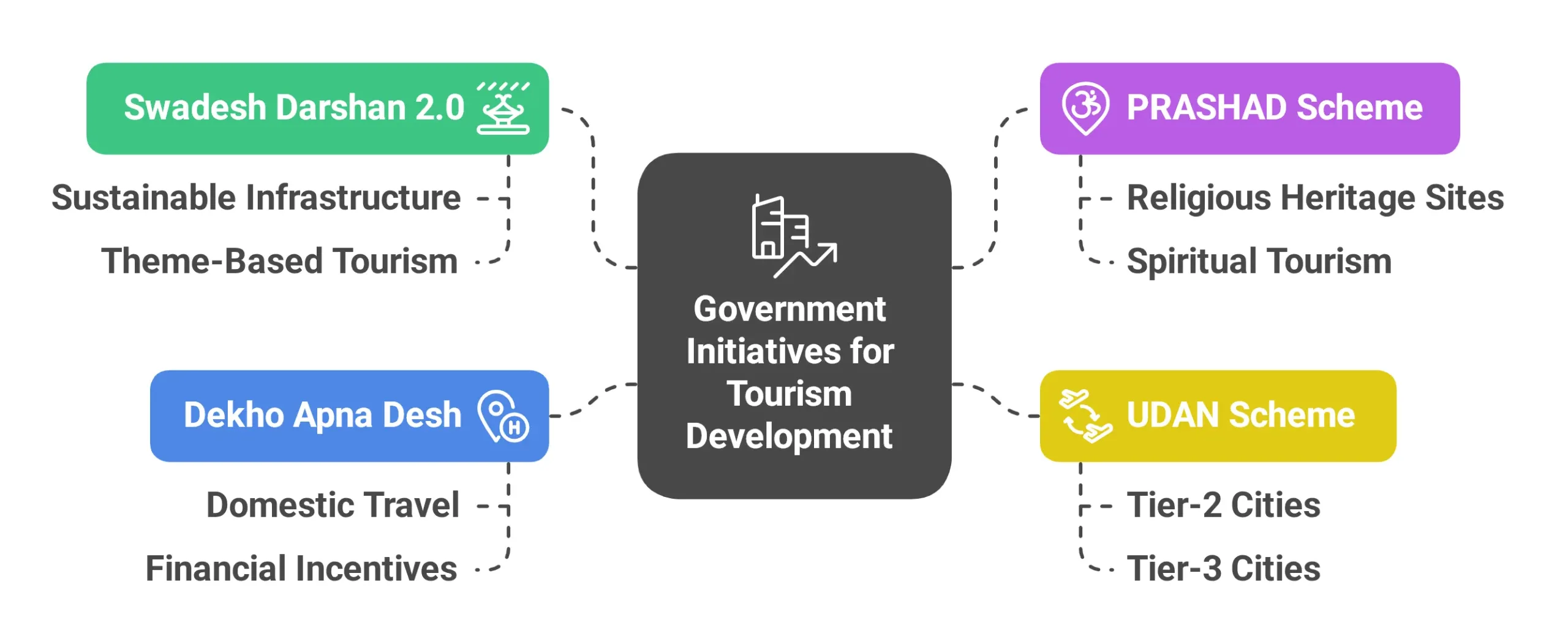
The Government of India has launched several programs to promote tourism and improve tourist facilities.
Swadesh Darshan Scheme
The Swadesh Darshan Scheme focuses on developing tourism infrastructure through theme-based tourist circuits.
Major circuits include:
| Tourism Circuit | Focus Area |
| North-East Circuit | Northeastern states |
| Buddhist Circuit | Buddhist heritage sites |
| Himalayan Circuit | Mountain tourism |
| Coastal Circuit | Beach destinations |
| Desert Circuit | Desert regions |
| Tribal Circuit | Tribal culture |
| Eco Circuit | Eco-tourism |
| Wildlife Circuit | Wildlife tourism |
| Rural Circuit | Village tourism |
| Spiritual Circuit | Religious destinations |
| Ramayana Circuit | Places linked to Ramayana |
| Heritage Circuit | Historical sites |
| Krishna Circuit | Sites related to Lord Krishna |
PRASHAD Scheme
The National Mission on Pilgrimage Rejuvenation and Spiritual Heritage Augmentation Drive (PRASHAD) aims to improve infrastructure and facilities at important pilgrimage destinations across India.
This scheme supports spiritual tourism while creating local employment opportunities.
Adopt a Heritage Project
Under this initiative, private companies, public sector organizations, and individuals can participate in the development and maintenance of heritage sites.
The project focuses on improving tourist amenities and visitor experiences.
Paryatan Parv
The government organized Paryatan Parv to encourage citizens to explore tourist destinations within India.
The campaign promotes domestic tourism and raises awareness about India’s cultural and natural heritage.
Incredible India Campaign
The Incredible India campaign showcases India’s tourism potential through digital platforms, advertisements, and promotional activities.
It helps attract international tourists and strengthen India’s tourism brand globally.
Skill Development Programs
Online learning platforms and training programs are being used to develop skilled tourism professionals, including guides, hospitality workers, and tourist facilitators.
Future of Tourism in India
The future of tourism in India looks promising. The country has vast natural beauty, diverse cultures, historical monuments, religious destinations, mountains, beaches, forests, and wildlife.
To fully utilize this potential, India must focus on:
- Better infrastructure development
- Improved tourist safety
- Digital tourism services
- Skilled workforce training
- Sustainable tourism practices
- Promotion of medical and adventure tourism
- Better sanitation and public facilities
- Increased international marketing
With proper planning and investment, tourism can become one of the strongest pillars of India’s economy and create opportunities for millions of people.
India’s diversity is its greatest strength. From the Himalayas in the north to the beaches of the south, from ancient temples to modern cities, the country offers experiences that attract travelers from every corner of the world. Strengthening tourism infrastructure and promoting responsible tourism can help India emerge as one of the leading global tourism destinations in the coming years.
FAQs
Q1. What is tourism in India?
Tourism in India refers to travel for leisure, business, religious, medical, cultural, and adventure purposes within the country.
Q2. Why is tourism important for India?
Tourism generates employment, earns foreign exchange, promotes cultural heritage, and supports economic growth.
Q3. What are the major types of tourism in India?
Cultural tourism, religious tourism, medical tourism, wildlife tourism, eco-tourism, rural tourism, and adventure tourism.
Q4. What is the Swadesh Darshan Scheme?
It is a government initiative to develop theme-based tourism circuits and improve tourism infrastructure.
Q5. What is the PRASHAD Scheme?
PRASHAD focuses on the development and modernization of pilgrimage and spiritual tourism destinations.
Q6. What are the main challenges of tourism in India?
Poor infrastructure, safety concerns, lack of skilled manpower, inadequate facilities, and seasonal tourism patterns.
Q7. How does tourism help local communities?
Tourism creates jobs, supports local businesses, increases handicraft sales, and improves infrastructure.
Q8. What is the future of tourism in India?
With better infrastructure, digital services, safety measures, and sustainable practices, tourism in India has strong growth potential.