


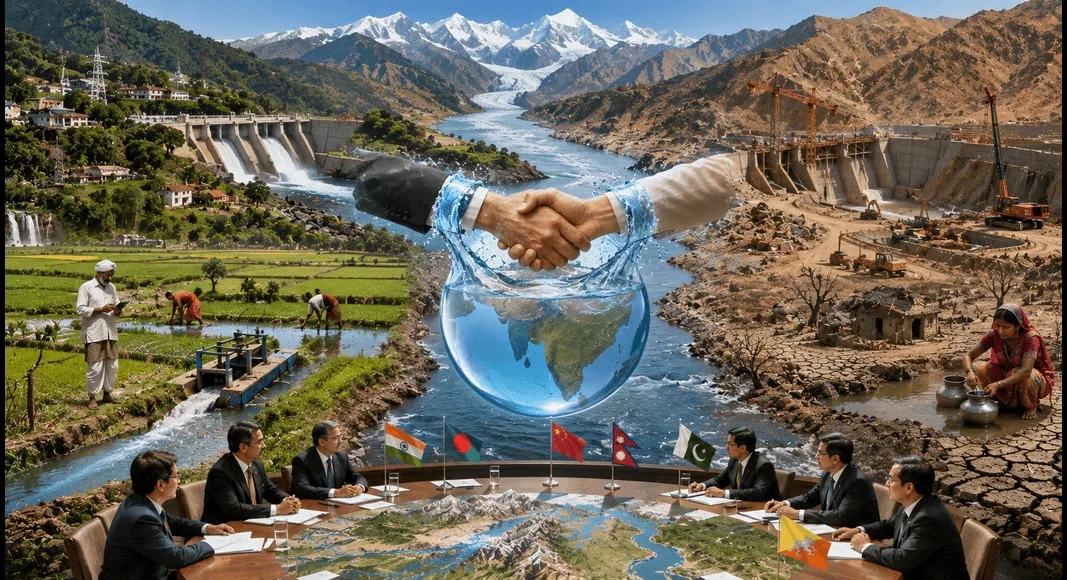

Trans-Boundary Water Conflicts have become one of the most important challenges in the modern world. Water is essential for drinking, agriculture, industries, electricity generation, and environmental sustainability. Countries that share rivers, lakes, and water resources often face disputes regarding the use and distribution of water.
Thank you for reading this post, don't forget to subscribe!India is a country blessed with many rivers and water resources. Despite having nearly 4% of the world’s freshwater resources, India has become a water-stressed nation due to rising population, increasing demand, pollution, climate change, and overuse of groundwater. According to various reports, India’s water demand is increasing rapidly and may reach very high levels in the coming decades.
Many rivers in South Asia flow across national boundaries. As a result, India shares water resources with neighboring countries such as China, Bangladesh, Nepal, Pakistan, and Bhutan. These shared rivers are important for agriculture, hydropower, transportation, and daily life. However, disagreements over water sharing often lead to tensions between countries.
What are Trans-Boundary Water Conflicts?
Trans-boundary water conflicts refer to disputes that arise when two or more countries share rivers, lakes, groundwater systems, or other water resources and disagree over their use, management, or distribution.
These conflicts usually occur because:
- Water resources are limited.
- Demand for water is increasing.
- Countries have different development priorities.
- Upstream countries control water flow.
- Climate change affects river systems.
- Trust between countries is often low.
Such disputes can affect agriculture, energy production, trade, environmental protection, and diplomatic relations.
India’s Growing Water Challenges
India faces serious water-related challenges.
Limited Water Availability
Although India has many rivers, the country’s large population puts enormous pressure on available water resources.
Groundwater Overuse
India uses more groundwater than any other country in the world. Farmers, industries, and households depend heavily on groundwater.
Water Pollution
Industrial waste, agricultural chemicals, and untreated sewage have polluted many rivers and groundwater sources.
Climate Change
Changing rainfall patterns, melting glaciers, droughts, and floods are affecting water availability.
Increasing Demand
Rapid urbanization, industrial growth, and agricultural expansion are increasing water demand every year.
These challenges make international water sharing even more sensitive.
Why Water Conflicts are Common in South Asia
South Asia is home to several major river systems, including:
- Ganga
- Brahmaputra
- Indus
- Teesta
- Kosi
- Mahakali
Many of these rivers cross international borders.
The region faces several common problems:
Population Growth
South Asia has a huge population that depends on river water for survival.
Agricultural Dependence
Agriculture consumes a large share of water resources.
Hydropower Projects
Countries build dams to generate electricity, which can affect downstream water flow.
Environmental Problems
Groundwater depletion, pollution, and climate change increase pressure on shared rivers.
Political Tensions
Historical and political disputes often influence water negotiations.
India-China Water Dispute
India and China share important river systems, particularly the Brahmaputra River.
Importance of the Brahmaputra
The Brahmaputra originates in Tibet, which is under Chinese control. It then flows into India and Bangladesh.
In China, the river is known as the Yarlung Zangbo.
Main Issues
China has been constructing dams on the upper reaches of the river.
India and Bangladesh are concerned because:
- Dams can reduce downstream water flow.
- Water diversion projects may affect agriculture.
- Lack of transparency creates mistrust.
Strategic Concerns
Since China is the upstream country, it has greater control over river flow. This gives China a strategic advantage during periods of political tension.
Need for Cooperation
Regular sharing of hydrological data and transparent communication can help reduce concerns and improve trust.
India-Bangladesh Water Dispute
India and Bangladesh share several rivers. Among them, the Teesta River issue remains one of the most discussed disputes.
The Teesta River
The Teesta originates in the Himalayas and flows through:
- Sikkim
- West Bengal
- Bangladesh
The river supports agriculture and livelihoods in both countries.
Why is Teesta Important?
For Bangladesh:
- It provides irrigation water.
- Millions of people depend on it.
For India:
- It supports farming in North Bengal.
- It is crucial for regional development.
The Dispute
Bangladesh seeks a fair share of Teesta waters.
Although several discussions have taken place, a final agreement has not yet been achieved.
One major challenge is that water-sharing agreements often require cooperation between the central government and state governments.
Future Prospects
A balanced agreement can strengthen India-Bangladesh relations and promote regional cooperation.
India-Nepal Water Dispute
India and Nepal share several important rivers.
Major river projects include:
- Kosi
- Gandak
- Karnali
- Mahakali
Kosi River Issue
The Kosi River is known for frequent flooding and heavy sedimentation.
Challenges
- Flood control remains difficult.
- Embankments often fail to provide long-term solutions.
- Disputes arise regarding compensation and management.
Sovereignty Concerns
Nepal has occasionally expressed concerns that some projects affect its sovereignty and national interests.
Mahakali River Dispute
India and Nepal have different interpretations regarding the river’s source and boundary locations.
Though the disputed area is small, it has strategic importance because it lies near the India-China border.
Importance of Cooperation
Joint river management can help:
- Control floods
- Generate electricity
- Improve irrigation
- Strengthen bilateral relations
India-Pakistan Water Dispute
The India-Pakistan water issue is primarily governed by the Indus Waters Treaty.
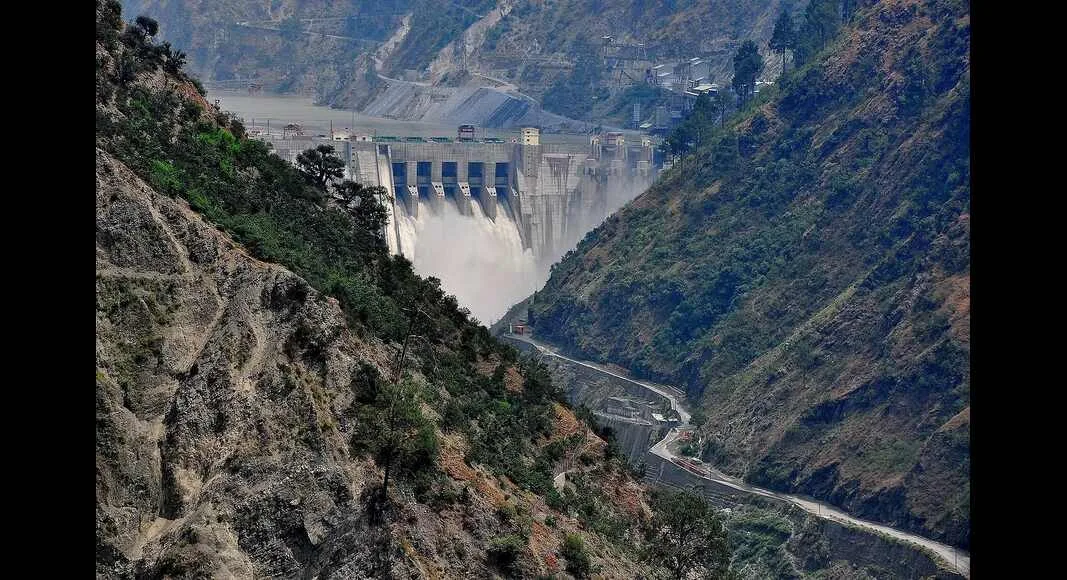
Indus Waters Treaty (1960)
The treaty was signed with the support of the World Bank.
River Allocation
India received control over:
- Ravi
- Beas
- Sutlej
Pakistan received control over:
- Indus
- Jhelum
- Chenab
Significance
The treaty is considered one of the world’s most successful water-sharing agreements because it survived multiple wars and political crises.
Major Disputes
Baglihar Dam
Pakistan raised objections regarding India’s Baglihar Hydroelectric Project on the Chenab River.
Kishanganga Project
Pakistan also objected to India’s Kishanganga Hydroelectric Project.
Recent Concerns
Pakistan believes some Indian projects may affect water flow.
India maintains that its projects comply with treaty provisions.
Importance of Dialogue
Continuous negotiations and technical discussions remain essential for preventing misunderstandings.
India-Bhutan Water Cooperation
Unlike some other neighbors, India and Bhutan largely enjoy positive cooperation regarding water resources.
Hydropower Partnership
India and Bhutan have worked together for decades on hydropower development.
Important projects include:
- Chukha
- Tala
- Kurichhu
Benefits
For Bhutan:
- Revenue generation
- Economic development
For India:
- Clean electricity supply
- Energy security
Emerging Concerns
Some Bhutanese groups have raised environmental concerns regarding large hydropower projects.
Future cooperation must balance economic growth and environmental protection.
Major Causes of Trans-Boundary Water Conflicts
Several factors contribute to water disputes.
Upstream and Downstream Control
Countries located upstream can influence river flow, creating concerns for downstream nations.
Increasing Water Demand
Population growth increases pressure on shared water resources.
Climate Change
Climate change affects rainfall, glacier melting, and river flows.
Hydropower Development
Dam construction often creates disagreements over water availability.
Political Mistrust
Lack of transparency and historical tensions make cooperation difficult.
Environmental Degradation
Pollution and excessive groundwater extraction worsen water scarcity.
Impact of Water Conflicts
Agricultural Losses
Farmers suffer when irrigation water becomes scarce.
Economic Problems
Industries and businesses depend on reliable water supplies.
Diplomatic Tensions
Water disputes can strain international relations.
Environmental Damage
Poor water management can harm ecosystems and biodiversity.
Human Security Issues
Water shortages can affect health, food security, and livelihoods.
Hydro Diplomacy: A Solution
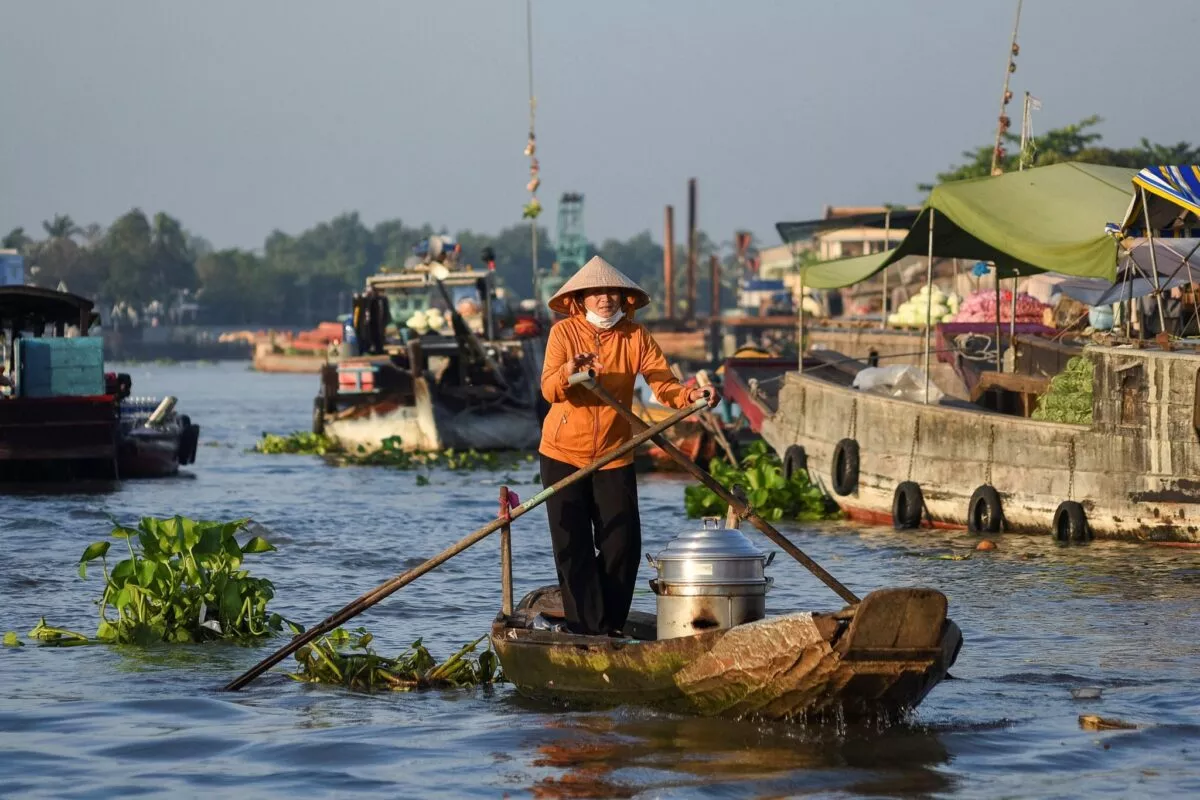
Hydro diplomacy refers to the use of dialogue, negotiations, and cooperation to manage shared water resources.
Benefits of Hydro Diplomacy
- Reduces tensions
- Builds trust
- Promotes regional stability
- Encourages sustainable water management
Important Measures
Data Sharing
Countries should exchange information on rainfall, floods, and river flows.
Joint River Management
Shared institutions can improve decision-making.
Early Warning Systems
Flood forecasting systems can save lives and property.
Environmental Protection
Joint efforts can improve water quality and river health.
Hydropower Cooperation
Countries can share the benefits of electricity generation.
Way Forward
To reduce trans-boundary water conflicts, countries should adopt a cooperative approach.
Strengthen Water Agreements
Existing treaties should be regularly reviewed and updated.
Increase Transparency
Sharing accurate information can reduce suspicion.
Promote Regional Cooperation
Neighboring countries should work together through regional platforms.
Address Climate Change
Joint climate adaptation strategies are necessary.
Focus on Sustainable Water Use
Efficient irrigation, rainwater harvesting, and groundwater conservation should be encouraged.
Build Trust
Regular dialogue between governments, experts, and local communities can create long-term solutions.
Conclusion
Trans-Boundary Water Conflicts are becoming increasingly important in South Asia because rivers cross national borders and millions of people depend on them. India’s water relations with China, Bangladesh, Nepal, Pakistan, and Bhutan demonstrate both the challenges and opportunities of shared water resources.
While disputes over dams, river flows, and water allocation continue, cooperation remains the best solution. Effective hydro diplomacy, transparent communication, joint river management, and sustainable water use can help countries transform water from a source of conflict into a source of peace and development. As water demand continues to rise, regional cooperation will be essential for ensuring water security and long-term prosperity for future generations.
FAQs on Transboundary Water Conflicts
1. What are transboundary water conflicts?
Transboundary water conflicts are disputes between countries or states over the use, sharing, and management of rivers, lakes, or water resources that cross borders.
2. Why are transboundary water conflicts important for India?
India shares several major rivers with neighboring countries, making water sharing crucial for agriculture, drinking water, energy, and economic development.
3. Which countries have major water disputes with India?
India has water-related issues with China, Bangladesh, Nepal, Pakistan, and Bhutan.
4. What is the India-Pakistan Indus Waters Treaty?
It is a water-sharing agreement signed in 1960 that allocates the eastern rivers to India and the western rivers to Pakistan.
5. Why is the Teesta River dispute important?
The Teesta River is vital for irrigation and livelihoods in both India and Bangladesh, making water sharing a sensitive issue.
6. How does China affect India’s water security?
China controls the upper reaches of rivers like the Brahmaputra and can influence downstream water flow through dam construction.
7. What role does climate change play in water conflicts?
Climate change affects rainfall, glacier melting, and river flow patterns, increasing pressure on shared water resources.
8. Why is groundwater depletion a concern in South Asia?
Excessive groundwater extraction reduces water availability and worsens regional water stress.
9. How can countries reduce transboundary water disputes?
Through dialogue, data sharing, joint river management, hydro diplomacy, and fair water-sharing agreements.
10. What is hydro diplomacy?
Hydro diplomacy refers to cooperation and negotiations between countries for the peaceful management of shared water resources.