


GST in India: Meaning, Features, Benefits and Challenges

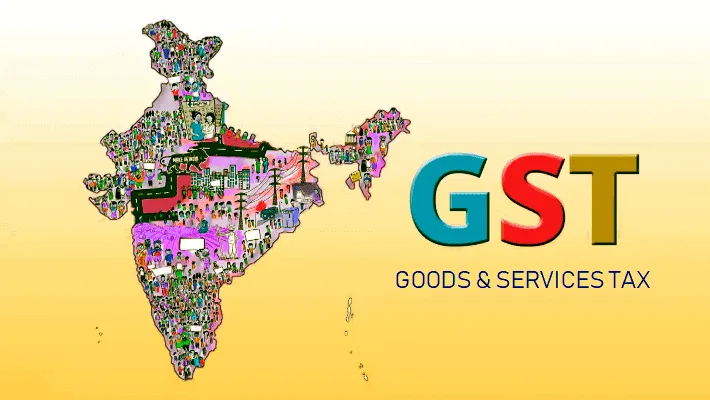
GST in India is one of the biggest tax reforms in the country. GST stands for Goods and Services Tax. It is an indirect tax that is charged on the sale of goods and services used in daily life. Before GST, India had many different taxes like VAT, service tax, excise duty, luxury tax, and others. These multiple taxes made the taxation system complex.
Thank you for reading this post, don't forget to subscribe!GST was introduced to simplify the tax system and create one common market across India. It helps both the government and businesses by making taxation more transparent and easier to manage. Today, GST plays an important role in India’s economic growth.
What is GST?
Goods and Services Tax (GST) is a value-added tax that is applied to most goods and services sold for domestic consumption. This tax is paid by consumers when they buy products or use services. Businesses collect this tax from customers and submit it to the government.
For example, when you buy clothes, mobile phones, or restaurant services, GST is included in the final price. So, the consumer pays the tax, but the seller deposits it with the government.
Main Features of GST
1. Tax on Supply
GST is charged on the supply of goods and services. Earlier, taxes were charged at different stages such as manufacturing, selling, or providing services. GST replaced this system with a single tax on supply.
2. Destination-Based Tax
GST follows the destination-based taxation system. This means tax goes to the state where goods or services are consumed, not where they are produced.
For example, if a product is manufactured in Maharashtra but sold in Assam, the tax benefit goes to Assam because the product is consumed there.
3. Dual GST System
India follows a dual GST model, where both the Central Government and State Governments collect tax.
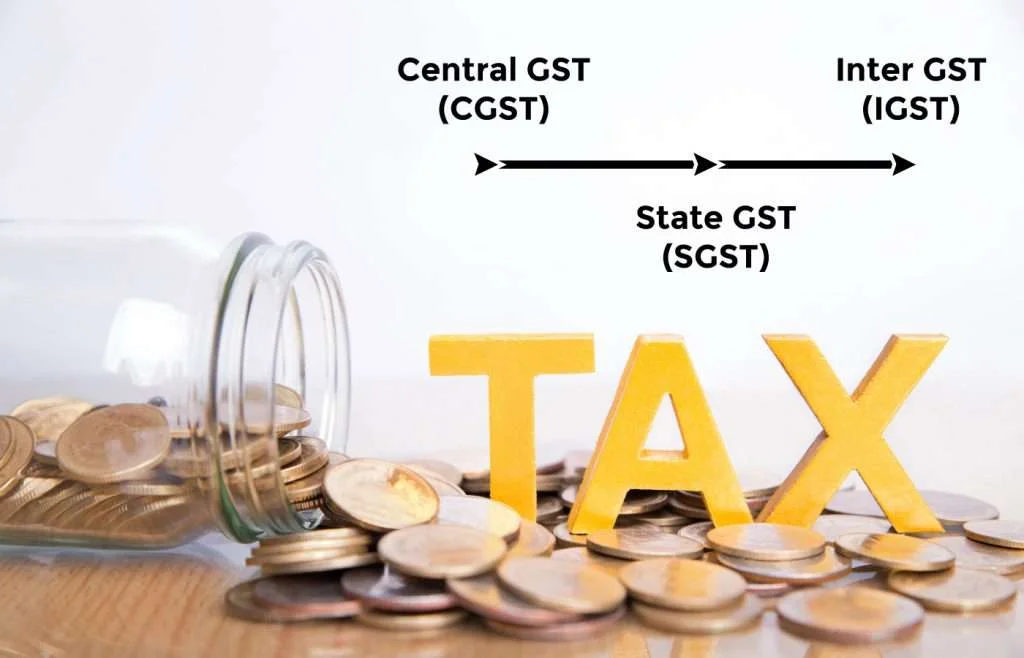
There are mainly three types of GST:
| GST Type | Full Form | Collected By |
|---|---|---|
| CGST | Central Goods and Services Tax | Central Government |
| SGST | State Goods and Services Tax | State Government |
| IGST | Integrated Goods and Services Tax | Central Government (for inter-state trade) |
4. GST on Imports
Imported goods and services are treated as inter-state supplies. Therefore, they attract IGST along with customs duty.
5. Multiple Tax Slabs
GST is not charged at one fixed rate for all products. Different items fall under different tax slabs.
The major GST tax rates are:
| Tax Rate | Applied On |
| 5% | Essential goods |
| 12% | Daily-use products |
| 18% | Most goods and services |
| 28% | Luxury and premium products |
These rates are decided by the GST Council.
Legislative Basis of GST
The GST Bill was first introduced in India in 2014 as the Constitution (122nd Amendment) Bill.
In 2016, it was passed and became the Constitution (101st Amendment) Act, 2016.
This amendment gave legal support for GST implementation in India.
Important points of this law:
- Central GST replaced taxes like excise duty and service tax.
- State GST replaced taxes like VAT and luxury tax.
- IGST manages tax on inter-state trade.
- Article 246A gives both Centre and States power to levy GST.
This law changed India’s taxation structure in a major way.
GST Council
The GST Council is the main body that manages GST rules and rates.
It was formed under Article 279A of the Indian Constitution.
The President of India creates the GST Council.
Members of GST Council
- Union Finance Minister (Chairman)
- State Finance Ministers or Tax Ministers
Voting Structure
- Centre has 1/3 voting power
- States together have 2/3 voting power
- Decisions need 75% majority
This system ensures both Centre and States have a role in GST decisions.
Major Reforms Brought by GST
Creation of One National Market
Before GST, each state had different tax rules. This created barriers in trade. GST removed these barriers and created one common national market.
Reduction of Cascading Tax
Earlier, tax was charged on tax, which increased product prices. This is called the cascading effect or double taxation.
GST reduced this problem by allowing input tax credit, which lowers the overall tax burden.
Lower Tax Burden
GST aims to reduce the total hidden taxes included in products. This helps consumers get better price transparency.
Better Competitiveness
With a simpler tax structure, Indian goods become more competitive in both domestic and international markets.
Easier Administration
GST uses digital systems for filing returns and tax payments, making administration smoother and more transparent.
Advantages of GST
Benefits for Government
1. Unified Market
GST helps create a single market across India. This improves trade and supports initiatives like Make in India.
2. Better Tax Collection
Online systems improve tax monitoring and help governments collect revenue efficiently.
3. Reduced Tax Evasion
Uniform tax rates reduce loopholes and discourage businesses from avoiding taxes.
4. Transparent Tax System
Digital filing reduces paperwork and improves transparency.
Benefits for the Economy
Economic Stability
Common tax procedures bring certainty and reduce confusion in business operations.
Reduced Corruption
Since most GST work is online, direct contact with tax officers reduces. This helps reduce corruption.
Growth in Manufacturing
GST supports industries by reducing tax complexity. This increases production and boosts industrial growth.
Employment Generation
As industries grow, more jobs are created. This supports income growth and poverty reduction.
Benefits for Trade and Industry
Businesses receive many advantages under GST:
- Simpler tax structure
- Fewer exemptions
- Easier registration
- Less paperwork
- Faster tax refunds
- Reduced tax burden
- Better business environment
GST improves the ease of doing business in India.
Exports also become more competitive because tax paid on inputs can be claimed back.
Benefits for Consumers
Consumers also gain from GST.
Transparent Pricing
GST makes pricing more transparent because taxes are shown clearly in bills.
Lower Prices in Long Term
Because double taxation reduces, prices of many goods may decrease over time.
Better Economy
When businesses grow and jobs increase, consumers benefit from improved economic conditions.
Benefits for States
State governments also gain from GST.
Larger Tax Base
States can collect tax from a wider supply chain—from manufacturing to final sale.
More Revenue Opportunities
States now also benefit from taxation on services, which is one of the fastest-growing sectors.
Improved Investment Climate
GST encourages investment by creating a smoother taxation system.
Better Compliance
Uniform tax rates reduce tax evasion and improve compliance.
Exemptions Under GST
Some items are still outside GST.
Major exemptions include:
- Petroleum products
- Tobacco (special tax structure)
- Alcohol for human consumption
- Stamp duty
- Electricity taxes
Also, imported goods still attract customs duty along with IGST.
Challenges of GST
Even though GST has many advantages, there are still challenges.
1. Credit Utilization Issues
In some cases, input tax credit between CGST and SGST cannot be freely adjusted, which creates complications.
2. Revenue Loss for Manufacturing States
States with strong manufacturing sectors may lose some tax revenue under destination-based taxation.
3. High Tax Rates on Some Goods
Some products fall under high tax slabs like 28%, making them expensive.
4. Reduced Fiscal Freedom of States
States have less freedom to independently change tax policies.
5. Multiple Registrations
Banks, insurance companies, and large businesses operating in multiple states may need several GST registrations.
6. Additional Cess
Some goods attract extra cess, increasing tax burden.
7. Training of Tax Officials
Earlier, many state officers mainly handled goods taxation. GST requires understanding of both goods and services.
8. Technology Dependence
GST heavily depends on online systems. Technical issues can create problems in filing and compliance.
9. Need for Political Cooperation
GST works smoothly only when Centre and States cooperate in decision-making.
Why GST Matters for India
GST is more than just a tax reform. It changed how business operates in India. It encouraged many businesses to move from the informal economy to the formal economy.
A formal economy means:
- Better tax records
- Legal business operations
- More government revenue
- Improved economic planning
This strengthens India’s financial system and supports long-term development.
GST is an important step toward building a modern and transparent economy. Though challenges remain, continuous improvements in policy and technology can make GST more efficient and beneficial for everyone.
FAQs on GST in India
Q1. What is GST in India?
GST (Goods and Services Tax) is an indirect tax charged on the supply of goods and services in India. It replaced many older taxes like VAT, service tax, and excise duty.
Q2. When was GST introduced in India?
GST was officially launched in India on 1 July 2017.
Q3. What are the main types of GST?
There are three main types of GST:
- CGST – Central Goods and Services Tax
- SGST – State Goods and Services Tax
- IGST – Integrated Goods and Services Tax
Q4. Who pays GST?
Consumers pay GST while buying goods or services, and businesses collect and deposit the tax with the government.
Q5. What are the GST tax rates in India?
The major GST slabs are 5%, 12%, 18%, and 28%, depending on the product or service.
Q6. What is the GST Council?
The GST Council is the body that decides GST rules, tax rates, and policies in India.
Q7. What are the benefits of GST?
GST simplifies taxation, reduces tax evasion, improves transparency, and creates one common market in India.
Q8. Which products are exempt from GST?
Products like petroleum, alcohol for human consumption, electricity, and stamp duty-related items are currently outside GST.