Comprehensive List of World Largest Libraries: A Detailed Guide

Libraries are vital repositories of human knowledge, preserving books, manuscripts, digital archives, and cultural artifacts for generations. The list of world largest libraries highlights institutions that house millions of items, serving as global centers for research, education, and cultural exchange.
Thank you for reading this post, don't forget to subscribe!Overview of the List of World Largest Libraries
The list of world largest libraries includes institutions with collections exceeding 15 million items, as measured by catalog size. These libraries, often national or academic, hold diverse materials, including books, manuscripts, maps, recordings, and digital resources. Due to varying standards for counting holdings, figures may differ slightly across sources, but the data presented here is based on the most recent and reliable statistics available. These libraries are architectural marvels, research hubs, and cultural landmarks, contributing significantly to global scholarship.
Top 10 Libraries in the List of World Largest Libraries
Below, we explore the top 10 libraries in the list of world largest libraries, ranked by catalog size, with detailed insights into their history, collections, and contributions.
Library of Congress, United States
The Library of Congress in Washington, D.C., tops the list of world largest libraries with over 173 million items as of 2025. Established in 1800, it is the de facto national library of the United States and the oldest federal cultural institution. Its collection includes 39 million books, 72 million manuscripts, 14.8 million photographs, 5.5 million maps, and 8.1 million pieces of sheet music across 470 languages. Notable treasures include a Gutenberg Bible, Thomas Jefferson’s personal library, and the largest comic book collection globally. The library serves Congress primarily but is open to the public for research, receiving 15,000 items daily through copyright deposits and exchanges.
British Library, United Kingdom
The British Library in London, with 170–200 million items, is a strong contender for the top spot in the list of world largest libraries. Founded in 1973 as an independent entity from the British Museum, it houses 14 million books, 60 million newspapers, and digital archives, including UK web domains. Its treasures include the Magna Carta, Leonardo da Vinci’s notebooks, and Beatles manuscripts. The library’s eight-story climate-controlled basement and robotic retrieval systems ensure preservation. It receives 8,000 new items daily via the UK’s legal deposit system and attracts 1.48 million visitors annually.
Library and Archives Canada, Canada
Library and Archives Canada, located in Ottawa, ranks third in the list of world largest libraries with over 54 million items. Established in 2004 by merging the National Library and National Archives, it preserves Canada’s documentary heritage, including 20 million books, 24 million photographs, and a petabyte of digital data. Notable items include the Canadian Constitution Act proclamation and a 1796 playbill, the oldest printed document in Australia. The library supports public access and interlibrary loans, making it a vital resource for Canadian research.

Shanghai Library, China
The Shanghai Library, with over 56 million items, is the largest public library in China and fourth in the list of world largest libraries. Founded in 1952, it incorporates the Bibliotheca Zi-Ka-Wei, established in 1847 by Jesuit missionaries. This 24-story tower, the second tallest library globally, houses extensive Chinese and Western collections. It also serves as the Shanghai Institute of Scientific and Technological Information, supporting research with over 1,500 staff members.
New York Public Library, United States
The New York Public Library (NYPL) in New York City holds over 55 million items, ranking fifth in the list of world largest libraries. Founded in 1895, it spans 92 branches across Manhattan, the Bronx, and Staten Island. Its main branch, a National Historic Landmark, houses rare manuscripts, including a Gutenberg Bible and Shakespeare’s First Folio. With 18 million annual visitors, NYPL is a public-private partnership, relying on philanthropy and government funding.
Russian State Library, Russia
Located in Moscow, the Russian State Library has over 50 million items, placing it sixth in the list of world largest libraries. Founded in 1862, it stores one copy of every Russian publication, including 17 million books, 13 million journals, and 150,000 maps. Over 90% of its dissertation abstracts and early printed books are digitized and publicly accessible. The library’s 275 kilometers of shelves make it a cornerstone of Russian scholarship.
National Library of Russia, Russia
The National Library of Russia in St. Petersburg, with 37.89 million items, ranks seventh in the list of world largest libraries. Established in 1795 by Empress Catherine the Great, it holds treasures like a 1707 world map and the 1010 St. Petersburg Codex. With 820,000 annual visitors, it has digitized 80,000 electronic titles, enhancing global access.
National Library of China, China
Beijing’s National Library of China, with 37.7 million items, is eighth in the list of world largest libraries. Founded in 1909, it is Asia’s largest library, holding the world’s biggest collection of Chinese literature and historical documents, including rare texts from the Southern Song Dynasty. It serves over 5 million visitors annually and has been a legal deposit library since 1916.
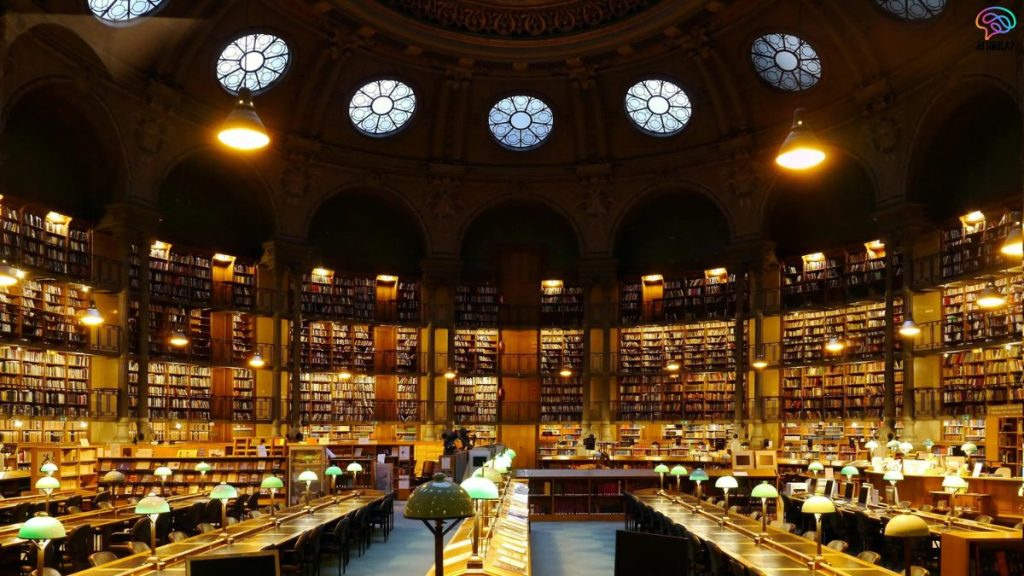
Bibliothèque Nationale de France, France
The Bibliothèque Nationale de France in Paris, with 40 million items, is ninth in the list of world largest libraries. Tracing its origins to 1368, it houses collections from French monarchs, now spread across five sites, with the François-Mitterrand Library as the main hub. It acquires 1.5 million visitors yearly and preserves all French publications, surviving threats during the French Revolution.
National Diet Library, Japan
Japan’s National Diet Library, with 35.6 million items, completes the list of world largest libraries. Established in 1948 to support parliamentary research, it has facilities in Tokyo and Kyoto, housing Japanese political history documents, Edo and Ch’ing Dynasty books, and science materials. Its Online Public Access Catalogue enables global borrowing through interlibrary loans.

Table: Summary of the List of World Largest Libraries
| Rank | Library Name | Location | Catalog Size (Items) | Year Founded | Notable Features |
|---|---|---|---|---|---|
| 1 | Library of Congress | Washington, D.C., USA | 173 million+ | 1800 | Gutenberg Bible, largest comic book collection |
| 2 | British Library | London, UK | 170–200 million | 1973 | Magna Carta, robotic retrieval, UK web archives |
| 3 | Library and Archives Canada | Ottawa, Canada | 54 million+ | 2004 | Canadian Constitution Act, petabyte of digital data |
| 4 | Shanghai Library | Shanghai, China | 56 million+ | 1952 | Second tallest library, Jesuit origins |
| 5 | New York Public Library | New York City, USA | 55 million+ | 1895 | 92 branches, Shakespeare’s First Folio |
| 6 | Russian State Library | Moscow, Russia | 50 million+ | 1862 | 90% digitized dissertations, 275 km of shelves |
| 7 | National Library of Russia | St. Petersburg, Russia | 37.89 million | 1795 | St. Petersburg Codex, extensive digitization |
| 8 | National Library of China | Beijing, China | 37.7 million | 1909 | Largest Chinese literature collection |
| 9 | Bibliothèque Nationale de France | Paris, France | 40 million | 1368 | Survived French Revolution, royal collections |
| 10 | National Diet Library | Tokyo/Kyoto, Japan | 35.6 million | 1948 | Japanese political history, global interlibrary loans |
Infrastructure and Accessibility in the List of World Largest Libraries
Libraries in the list of world largest libraries boast advanced infrastructure to manage vast collections. The British Library’s robotic retrieval system and climate-controlled storage ensure preservation, while the Library of Congress’s three-building complex includes the National Audio-Visual Conservation Center in Virginia. Public access varies: the Library of Congress restricts borrowing to government officials, but its reading rooms are open for research. The New York Public Library and Shanghai Library prioritize public access, offering free membership to locals. Digital initiatives, like the Russian State Library’s General Digital Catalogue, enhance global accessibility.
Historical and Cultural Significance
These libraries are more than book repositories; they are cultural landmarks. The Library of Congress holds a draft of the Declaration of Independence, reflecting U.S. history. The British Library’s Magna Carta and the National Library of China’s Southern Song Dynasty texts preserve global heritage. The Bibliothèque Nationale de France, rooted in royal collections, survived historical upheavals, symbolizing resilience. These institutions host exhibitions, workshops, and community programs, fostering intellectual exchange.
Challenges and Future Trends
Managing collections in the list of world largest libraries involves challenges like space constraints and preservation costs. The Library of Congress’s $700 million annual budget and the British Library’s $100 million highlight the financial demands. Digitization is a growing trend, with libraries like the National Library of Russia and Shanghai Library investing in electronic archives. However, digital transitions raise concerns about cybersecurity and long-term data preservation. Future expansions, such as the British Library’s Boston Spa facility, aim to address space issues.
Tips for Researchers and Visitors
- Plan Your Visit: Check access policies, as some libraries (e.g., Library of Congress) restrict borrowing.
- Leverage Digital Resources: Use online catalogs like the National Diet Library’s OPAC for remote access.
- Explore Special Collections: Request access to rare items, such as the British Library’s Magna Carta, in advance.
- Attend Events: Many libraries host exhibitions, like the British Library’s Terracotta Army display, open to the public.
The list of world largest libraries represents the pinnacle of human knowledge preservation, offering unparalleled resources for scholars, students, and the public. From the Library of Congress’s vast multilingual collection to the Shanghai Library’s towering presence, these institutions embody cultural and intellectual excellence. As they embrace digitization and expand their facilities, they continue to shape global learning. Whether you’re a researcher or a curious visitor, exploring the list of world largest libraries provides a window into humanity’s intellectual legacy.
Also Read:
Ultimate List of Australian Open Winners | Champions & Records 2025
Highest Waterfalls in the World: Exploring Their Heights, Locations, Unique Features
FAQs on “World Largest Libraries”
1. What are the World Largest Libraries?
The World Largest Libraries are institutions that store millions of books, manuscripts, and digital records, serving as centers of knowledge.
2. Which is the largest library in the world?
The Library of Congress in Washington, D.C., is considered the largest library in the world by collection size and shelf space.
3. Why are the World Largest Libraries important?
The World Largest Libraries preserve history, culture, and scientific knowledge while making them accessible for education and research.
4. How many books are stored in the World Largest Libraries?
Some of the World Largest Libraries hold more than 150 million items, including books, maps, photographs, and manuscripts.
5. What is special about the World Largest Libraries?
The World Largest Libraries not only have massive collections but also unique rare books, archives, and ancient manuscripts.
6. Are the World Largest Libraries open to the public?
Yes, most of the World Largest Libraries allow public access, but some sections, like rare collections, may need special permission.
7. Which countries have the World Largest Libraries?
The World Largest Libraries are mainly found in the USA, UK, Russia, China, and France, each holding millions of items.
8. How do the World Largest Libraries preserve old books?
The World Largest Libraries use climate-controlled storage, digitization, and restoration methods to protect ancient and fragile texts.
9. Can students use the World Largest Libraries for research?
Yes, students, researchers, and scholars often access the World Largest Libraries for academic and professional studies.
10. What is the future of the World Largest Libraries in the digital age?
The World Largest Libraries are shifting towards digitization, making rare collections available online for global access.