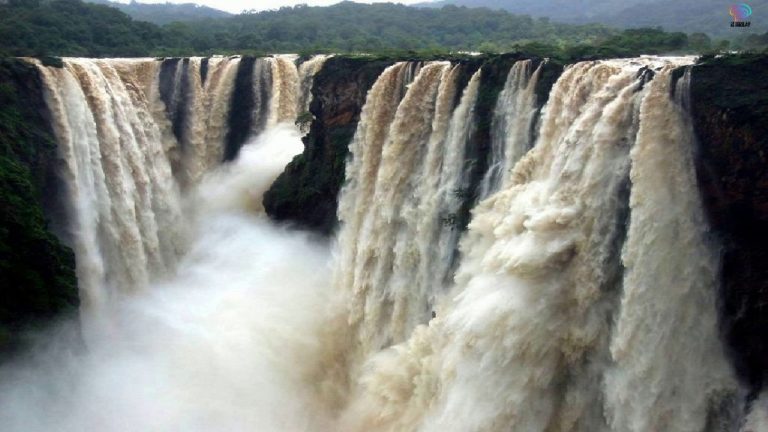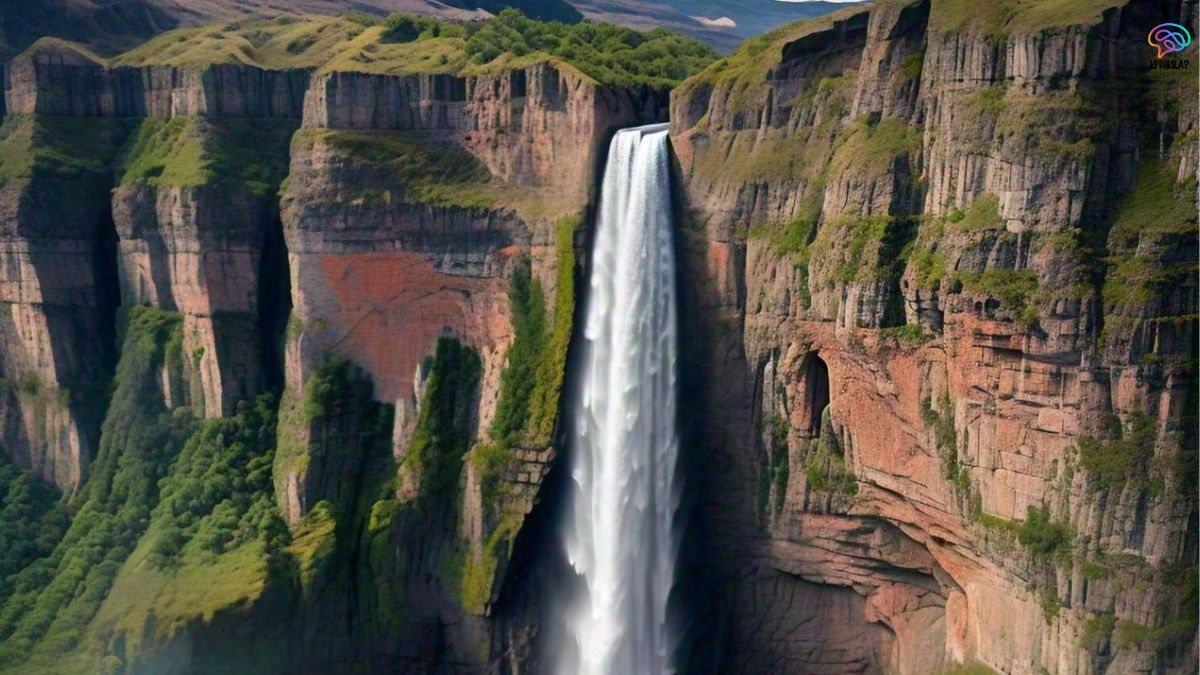
Highest Waterfalls in the World: Exploring Their Heights, Locations, Unique Features

Waterfalls are among nature’s most awe-inspiring creations, captivating travelers, adventurers, and nature enthusiasts with their sheer power and beauty. From towering cascades plunging into misty valleys to serene falls tucked away in remote corners, the highest waterfalls in the world offer breathtaking spectacles that showcase the planet’s diverse landscapes. we’ll dive into the tallest waterfalls globally, exploring their heights, locations, unique features, and the experiences they offer visitors. Whether you’re planning a trip or simply curious about these natural wonders, this guide provides a comprehensive look at the highest waterfalls in the world.
Thank you for reading this post, don't forget to subscribe!What Defines the Highest Waterfalls in the World?
The height of a waterfall is measured by the total vertical drop from its crest to its base, including all uninterrupted and interrupted drops in a single cascade. The highest waterfalls in the world are often located in rugged, mountainous regions or deep valleys, where geological forces have carved dramatic landscapes. These falls vary in water volume, accessibility, and surrounding ecosystems, making each one unique. Below, we explore the top contenders for the title of the world’s tallest waterfalls, ranked by their total height.
Top 10 Highest Waterfalls in the World
To provide a clear overview, here’s a detailed table summarizing the top 10 highest waterfalls in the world, including their heights, locations, and key characteristics.
| Rank | Waterfall Name | Height (meters/feet) | Location | Key Features |
|---|---|---|---|---|
| 1 | Angel Falls | 979 / 3,212 | Venezuela | World’s tallest, plunges from Auyán-tepui, UNESCO World Heritage Site |
| 2 | Tugela Falls | 948 / 3,110 | South Africa | Five-tiered cascade in Drakensberg Mountains, seasonal flow |
| 3 | Tres Hermanas Falls | 914 / 3,000 | Peru | Remote, three-tiered, surrounded by dense Amazon rainforest |
| 4 | Olo’upena Falls | 900 / 2,953 | Hawaii, USA | Coastal cliff plunge, accessible only by air or sea |
| 5 | Yumbilla Falls | 896 / 2,938 | Peru | Four-tiered, lush Amazon jungle setting, less touristy |
| 6 | Vinnufossen | 860 / 2,822 | Norway | Europe’s tallest, glacier-fed, scenic fjord backdrop |
| 7 | Balåifossen | 850 / 2,789 | Norway | Seasonal flow, dramatic cliff drop in Hordaland region |
| 8 | Pu’uka’oku Falls | 840 / 2,756 | Hawaii, USA | Remote coastal fall, visible from ocean or air, minimal human access |
| 9 | James Bruce Falls | 840 / 2,756 | Canada | Remote, flows from Princess Louisa Inlet, difficult to access |
| 10 | Browne Falls | 836 / 2,743 | New Zealand | Steepest in New Zealand, located in Fiordland National Park |
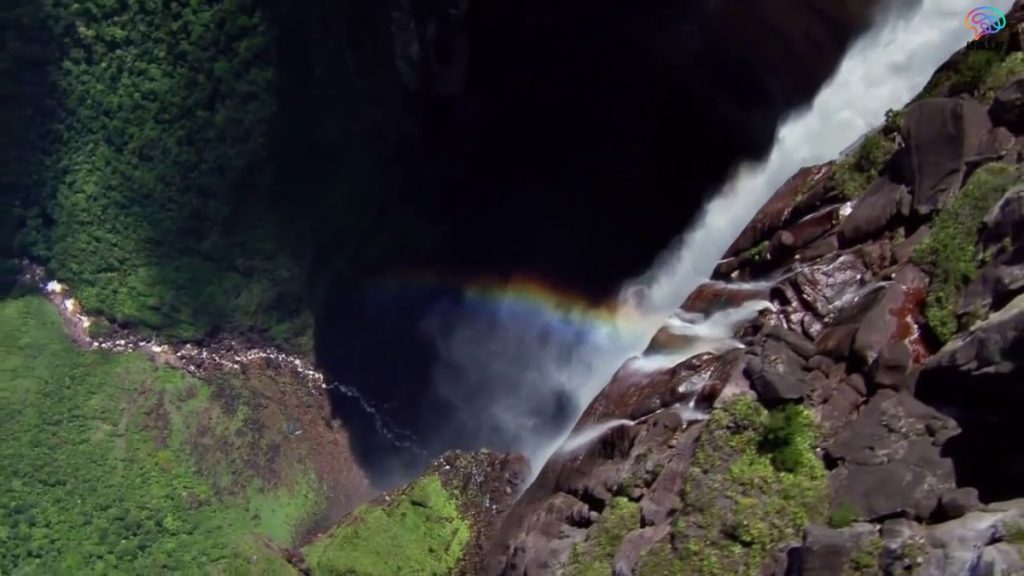
1. Angel Falls: The Highest Waterfall in the World
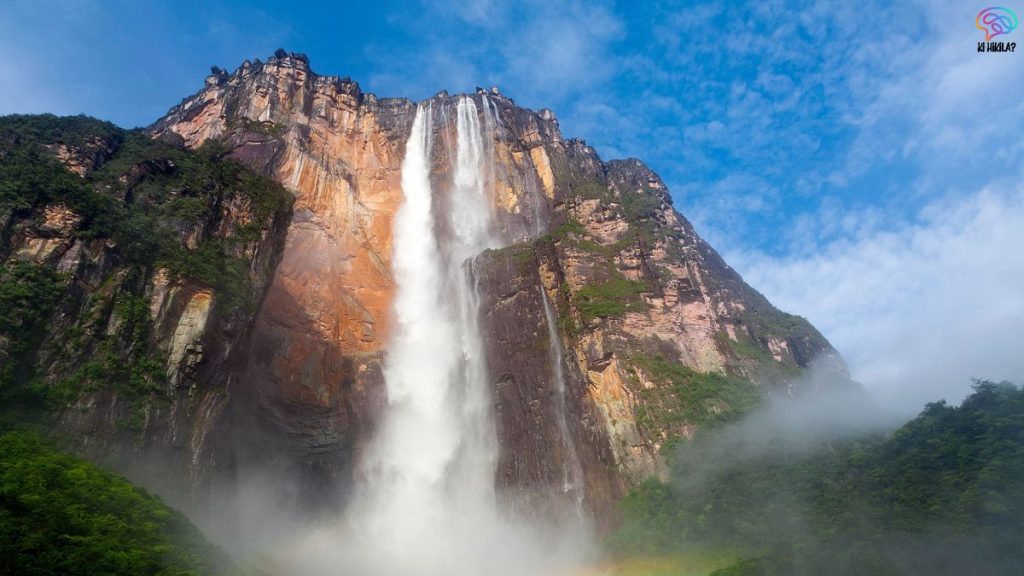
Located in Venezuela’s Canaima National Park, Angel Falls holds the title of the world’s tallest waterfall, with a staggering height of 979 meters (3,212 feet). Named after American aviator Jimmie Angel, who discovered it in 1933, this waterfall plunges from the flat-topped Auyán-tepui, a tepui (table-top mountain) in the Gran Sabana region. The fall’s uninterrupted drop is 807 meters, with mist and spray creating a mesmerizing effect at its base.
Why Visit Angel Falls?
- Scenic Beauty: Surrounded by lush rainforests and towering tepuis, it’s a UNESCO World Heritage Site.
- Adventure: Access involves a boat ride up the Carrao River and a trek through dense jungle.
- Cultural Significance: The indigenous Pemón people consider the falls sacred, adding cultural depth to visits.
Travel Tips:
- Best visited during the rainy season (June to November) for full water flow.
- Guided tours are recommended due to the remote location.
2. Tugela Falls: Africa’s Tallest Cascade
Tugela Falls, located in South Africa’s Drakensberg Mountains, is the second-highest waterfall in the world at 948 meters (3,110 feet). This five-tiered cascade is part of the Tugela River and is a highlight of the Royal Natal National Park. Its dramatic descent through rugged cliffs makes it a favorite for hikers and photographers.
Key Features:
- Hiking Trails: The Tugela Gorge Trail offers stunning views of the falls.
- Seasonal Flow: The falls are most impressive during the rainy season (November to March).
- Accessibility: Reachable via a challenging but rewarding hike.
3. Tres Hermanas Falls: Peru’s Hidden Gem
Tres Hermanas Falls, meaning “Three Sisters,” stands at 914 meters (3,000 feet) in Peru’s Otishi National Park. This three-tiered waterfall is nestled in the Amazon rainforest, making it one of the least accessible among the highest waterfalls in the world. Its remote location ensures pristine natural surroundings, ideal for adventurous explorers.
Highlights:
- Biodiversity: The surrounding rainforest is home to rare flora and fauna.
- Remoteness: Access requires multi-day treks or helicopter tours, appealing to thrill-seekers.
Other Notable Highest Waterfalls in the World
4. Olo’upena Falls, Hawaii
Olo’upena Falls, at 900 meters (2,953 feet), is one of the highest waterfalls in the world, cascading down a steep cliff on Molokai Island. Its coastal location and inaccessibility make it a sight best viewed from the air or sea.
5. Yumbilla Falls, Peru
Yumbilla Falls, at 896 meters (2,938 feet), is another Peruvian marvel in the Amazonas region. Its four-tiered structure and lush jungle setting make it a lesser-known but spectacular destination.
6. Vinnufossen, Norway
Europe’s tallest waterfall, Vinnufossen, measures 860 meters (2,822 feet) and is fed by the Vinnu Glacier. Its serene flow into a fjord makes it a picturesque stop for visitors to Norway.
7–10. Balåifossen, Pu’uka’oku Falls, James Bruce Falls, and Browne Falls
These waterfalls, ranging from 836 to 850 meters, are located in Norway, Hawaii, Canada, and New Zealand, respectively. Each offers unique geological and scenic features, from coastal cliffs to fjord landscapes, though many are remote and require specialized access.
Why Visit the Highest Waterfalls in the World?
The highest waterfalls in the world are more than just natural landmarks; they are gateways to adventure, cultural exploration, and environmental appreciation. Visiting these falls often involves trekking through diverse ecosystems, encountering local wildlife, and learning about indigenous cultures. For example, Angel Falls is steeped in Pemón folklore, while Tugela Falls offers insight into South Africa’s rugged terrain.
Reasons to Explore:
- Photography: The dramatic drops and misty surroundings are perfect for capturing stunning images.
- Adventure Tourism: Many of these falls require hiking, boating, or aerial tours, appealing to thrill-seekers.
- Conservation Awareness: Visiting remote falls highlights the importance of preserving fragile ecosystems.
Challenges in Measuring the Highest Waterfalls
Accurately measuring the height of waterfalls is complex due to factors like tiered structures, seasonal flow variations, and inaccessible locations. For instance, Tugela Falls’ height was debated until precise measurements confirmed its rank. Advances in satellite imagery and laser surveying have improved accuracy, but disputes remain for lesser-known falls like Tres Hermanas.
Planning Your Visit to the Highest Waterfalls in the World
Visiting the highest waterfalls in the world requires careful planning due to their remote locations and seasonal variations. Here are some tips:
- Research Accessibility: Some falls, like Olo’upena and Pu’uka’oku, are only viewable by air or sea.
- Check Seasons: Rainy seasons enhance water flow but may make trails slippery.
- Hire Guides: Local guides ensure safety and provide cultural context, especially for Angel Falls and Tres Hermanas.
- Pack Appropriately: Sturdy hiking gear, rain protection, and insect repellent are essential for most destinations.
The highest waterfalls in the world, from Angel Falls’ record-breaking plunge to Browne Falls’ remote beauty, offer a glimpse into nature’s grandeur. Whether you’re drawn to the adventure of trekking through jungles or the serenity of gazing at cascading waters, these natural wonders are worth exploring. Plan your trip to one of these majestic sites and experience the power and beauty of the world’s tallest waterfalls firsthand.
Also Read:
Countries –Their Capital & Currency: Complete Guide
Booker Prize Winners List: Essential Guide for Competitive Exam Preparation
FAQ on the Highest Waterfalls in the World
Q1. Which is the highest waterfall in the world?
A1. Angel Falls in Venezuela is the highest waterfall in the world, with a height of 979 meters (3,212 feet).
Q2. Where is Angel Falls located?
A2. Angel Falls is located in Canaima National Park, a UNESCO World Heritage Site in Venezuela.
Q3. Which is the second highest waterfall in the world?
A3. Tugela Falls in South Africa, with a height of about 948 meters, is considered the second highest waterfall in the world.
Q4. Are the highest waterfalls in the world easy to visit?
A4. Some, like Tugela Falls, are accessible by trekking, while others like Angel Falls require flights and boat journeys due to remote locations.
Q5. Which continent has the most tallest waterfalls?
A5. South America has several of the world’s highest waterfalls, including Angel Falls and others in the Andes and Guiana Highlands.
Q6. What type of waterfall is Angel Falls?
A6. Angel Falls is a plunge-type waterfall, where water drops freely without touching the cliff surface.
Q7. Which is the highest waterfall in Asia?
A7. The Yumbilla Falls in Peru is often mistaken, but in Asia, the highest recognized waterfall is Kaieteur Falls in Guyana (though Guyana is in South America, Asia has high but lesser-known ones like in India and Nepal).
Q8. Do the highest waterfalls flow year-round?
A8. Many depend on seasonal rainfall; for example, Tugela Falls has varying water flow, while Angel Falls flows most during the rainy season.
Q9. Can people swim near the highest waterfalls in the world?
A9. Swimming is usually restricted for safety, but some lower pools around certain waterfalls are accessible.
Q10. Why are the highest waterfalls in the world important?
A10. They are vital for biodiversity, eco-tourism, freshwater resources, and showcase unique geological formations.