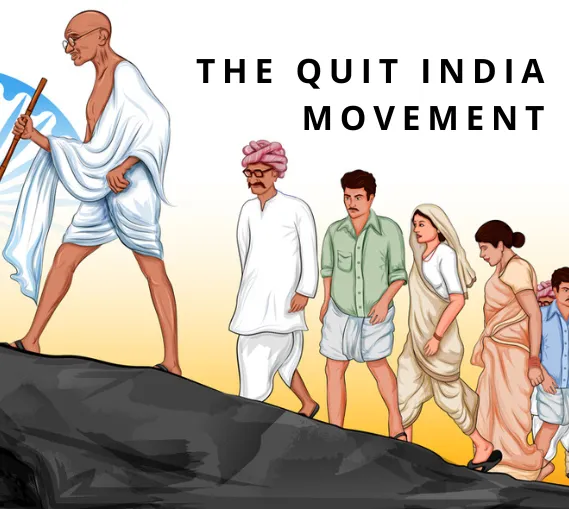
August Kranti or Quit India Movement: India’s Final Call for Freedom

The Quit India Movement of 1942, also known as August Kranti, was one of the most powerful and emotional chapters in India’s freedom struggle. It was the last great mass movement launched against British rule before India became independent in 1947. This movement clearly showed that the people of India were no longer willing to live under foreign control. They were ready to sacrifice everything for freedom.
Thank you for reading this post, don't forget to subscribe!The movement was started by Mahatma Gandhi on 8 August 1942 in Bombay (now Mumbai). On this historic day, Gandhi gave the famous slogan “Do or Die.” These three simple words inspired millions of Indians. The meaning was clear either free India from British rule or die in the attempt.
What Was the Quit India Movement?
The Quit India Movement was a mass protest demanding the immediate end of British rule in India. It was launched during a meeting of the All India Congress Committee (AICC) in Bombay on 8 August 1942.
The movement was not just about protests. It was a strong message to the British government that Indians would no longer wait patiently for freedom. They wanted independence immediately.
The slogan “Quit India” meant that the British must leave India at once. It was simple but powerful.
Background of the Quit India Movement
To understand why this movement started, we must look at the situation in India and the world during the early 1940s.
1. World War II
World War II began in 1939. Britain was fighting against Germany, Italy, and Japan. Without consulting Indian leaders, the British government declared that India was also part of the war.
Indian leaders were angry because India was not free, yet it was forced to support Britain. The Indian National Congress said it would support the war only if India was given independence. But the British refused.
This created tension between Indian leaders and the British government.
2. The Cripps Mission (1942)
In March 1942, the British government sent Sir Stafford Cripps to India. His mission was to discuss constitutional reforms and seek Indian support in the war.
Cripps offered that India would get self-government after the war, not immediately. He also allowed provinces to separate from India if they wanted.
The Congress rejected these proposals because:
- There was no promise of immediate independence.
- The offer was unclear and weak.
- It could divide India.
The failure of the Cripps Mission disappointed Indian leaders and people.
3. Gandhi’s Decision
After the Cripps Mission failed, Mahatma Gandhi felt that the British government was not serious about giving freedom. He believed that the time had come for a final mass struggle.
Gandhi thought that Britain was weak because it was fighting a world war. He decided that Indians should use this moment to demand freedom strongly.
Thus, the Quit India Movement was launched.
Objectives of the Quit India Movement
The main aims of the movement were simple and clear:
- Immediate Independence – The British must leave India at once.
- End of Foreign Rule – Indians should govern themselves.
- National Unity – People from all religions and regions should unite.
- Mass Participation – Common people should actively join the freedom struggle.
The movement was not limited to leaders. It encouraged every Indian to participate.
Launch of the Movement
On 14 July 1942, the Congress Working Committee met at Wardha and passed the Quit India Resolution.
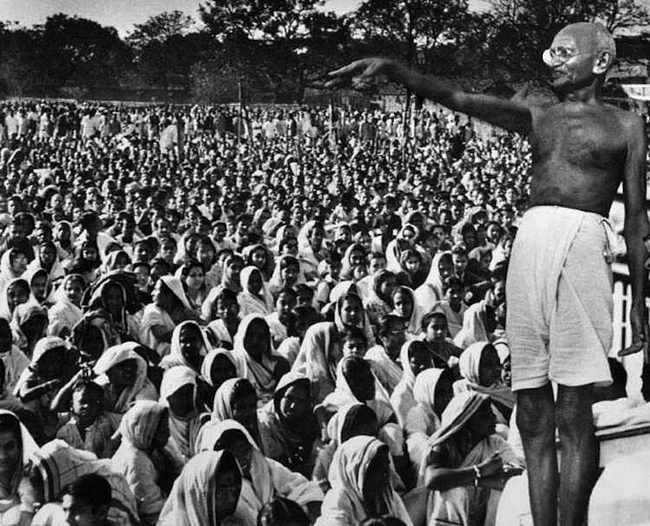
On 8 August 1942, at Bombay, Mahatma Gandhi officially launched the movement. In his speech, he gave the historic call:
“Do or Die.”
He asked every Indian to be ready for sacrifice. He said that freedom would not come easily.
Immediate British Reaction
The British government acted quickly. On the morning of 9 August 1942, Gandhi and other important leaders such as:
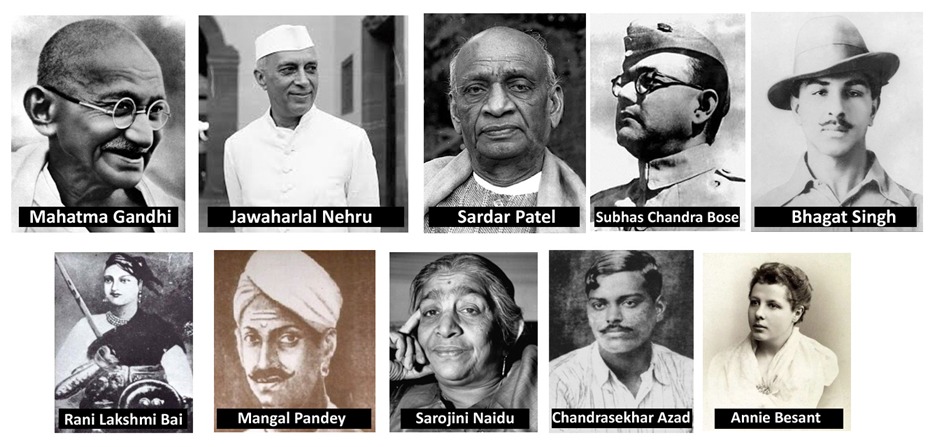
- Jawaharlal Nehru
- Sardar Vallabhbhai Patel
- Maulana Abul Kalam Azad
were arrested.
The British thought that by arresting leaders, they could stop the movement. But this decision had the opposite effect.
Spread of the Movement
When people heard about the arrests, they became angry. Since top leaders were in jail, the movement became spontaneous. People acted on their own.
Across India, people organized:
- Hartals (strikes)
- Processions
- Public meetings
- Boycott of British goods
In many places, people:
- Cut railway lines
- Destroyed telegraph wires
- Burned police stations
- Attacked government buildings
The movement spread rapidly in Bihar, Uttar Pradesh, Bengal, Maharashtra, and other regions.
British Suppression
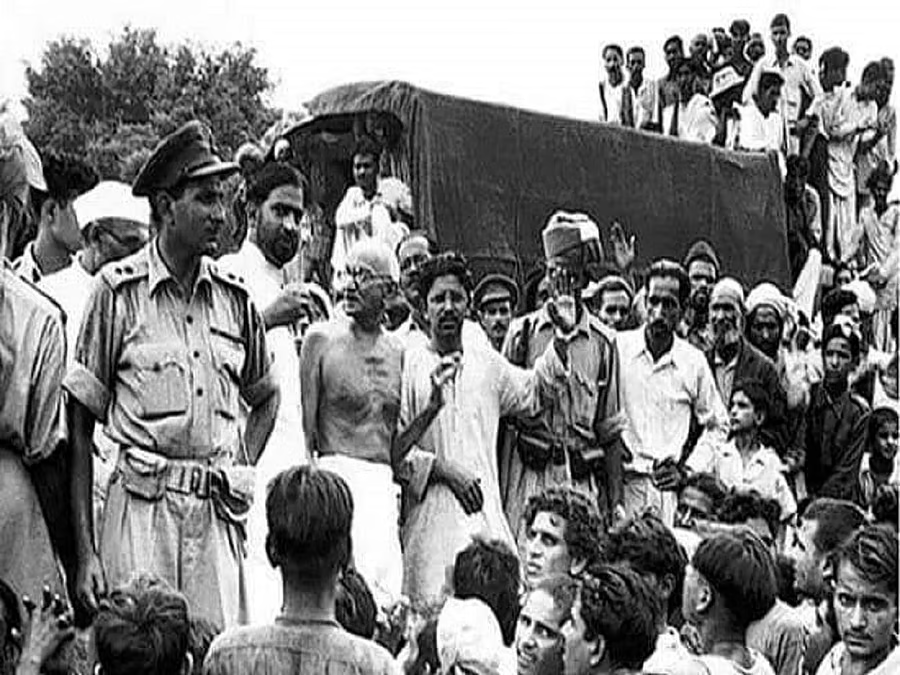
The British government used strong force to control the movement.
- Thousands were arrested.
- Police used lathi charges.
- Firing was done on crowds.
- Public flogging took place.
- Congress was declared illegal.
Within a few weeks, open protests were suppressed. But the spirit of resistance did not end.
Underground Movement
Even after the arrests, the movement continued secretly.
Important Underground Leaders
Several brave leaders worked underground:
- Aruna Asaf Ali
- Jayaprakash Narayan
- Ram Manohar Lohia
- Sucheta Kripalani
- Achyut Patwardhan
- Biju Patnaik
They secretly organized meetings and spread messages.
Congress Radio
A young woman named Usha Mehta started a secret radio station in Bombay called Congress Radio. It broadcasted news and messages to inspire people.
Though the police later discovered and stopped it, the radio played an important role.
Parallel Governments
One unique feature of the Quit India Movement was the formation of parallel governments in some areas.
1. Ballia (Uttar Pradesh)
Under Chittu Pande, a temporary government was formed.
2. Tamluk (Bengal)
The Jatiya Sarkar was formed in December 1942. It:
- Provided relief work
- Gave school grants
- Organized local courts
It lasted until 1944.
3. Satara (Maharashtra)
The Prati Sarkar, led by Nani Patil, was the most successful. It:
- Ran people’s courts
- Enforced prohibition
- Challenged British authority
These governments showed that Indians were capable of self-rule.
Participation of Different Groups
The Quit India Movement saw large participation.
1. Students
Students organized strikes and protests. They distributed secret messages and helped underground leaders.
2. Women
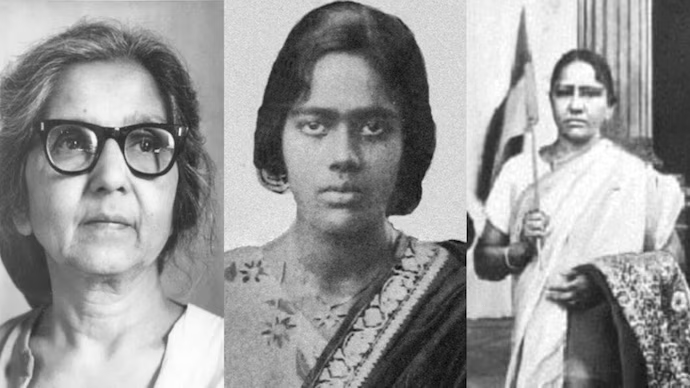
Women played a brave role. Leaders like:
- Aruna Asaf Ali
- Usha Mehta
- Sucheta Kripalani
became symbols of courage. Many women carried messages and gave shelter to activists.
3. Workers
Workers went on strikes. They disrupted factories and transport systems.
4. Peasants
Farmers in Bihar, Bengal, UP, and Maharashtra took active part.
5. Some Zamindars
Some landlords, like the Raja of Darbhanga, supported the movement.
Muslim Participation
Though the Muslim League did not officially support the movement, there were no major communal riots during this time. Some Muslims gave shelter to underground activists.
This showed that the movement did not promote hatred between communities.
Gandhi’s Fast in Jail
In February 1943, Gandhi went on a 21-day fast while in jail. The British wanted him to condemn violence. Gandhi refused.
He said the British repression had caused the violence.
His fast created sympathy for India around the world.
Reasons for Failure
The movement did not immediately bring independence. Reasons included:
- Arrest of leaders at the beginning.
- Lack of coordination and planning.
- No clear program for action.
- Limited support from some political groups.
- Strong British military power.
However, it was not a complete failure.
Importance of the Quit India Movement
The movement had great long-term importance.
1. Strong Message
It showed that Indians would no longer accept British rule.
2. Weakening British Authority
Even government officials began losing faith in British power.
3. Rise of Local Leaders
Since national leaders were jailed, local leaders emerged.
4. International Support
Countries like the USA and China supported India’s demand for freedom.
5. Final Step Toward Freedom
After 1942, it became clear that British rule could not continue. In 1947, India became independent.
Social and Political Impact
The movement increased:
- Political awareness
- National unity
- Democratic thinking
- Confidence in self-governance
Villages formed local committees and Panchayats.
Comparison with Earlier Movements
Earlier movements included:
- Non-Cooperation Movement (1920)
- Civil Disobedience Movement (1930)
But the Quit India Movement was different because:
- It demanded immediate independence.
- It was more intense.
- It led to parallel governments.
- It reflected greater urgency.
Lessons from the Movement
The Quit India Movement teaches us:
- Unity gives strength.
- Freedom requires sacrifice.
- Courage can defeat injustice.
- Determination can change history.
Conclusion
The Quit India Movement of 1942 was a turning point in India’s freedom struggle. Though it was suppressed by British force, it shook the foundations of British rule.
The slogan “Do or Die” became a symbol of courage and determination. It united people across India. It proved that Indians were ready to sacrifice their lives for freedom.
Within five years of this movement, India gained independence on 15 August 1947.
The Quit India Movement remains one of the proudest moments in Indian history. It reminds us of the sacrifices made by thousands of brave men and women. The spirit of August Kranti continues to inspire us to stand for truth, justice, and freedom.
FAQs about the Quit India Movement (1942):
1. What was the Quit India Movement?
The Quit India Movement was a mass protest started by Mahatma Gandhi in 1942 demanding that the British leave India immediately.
2. When was the Quit India Movement launched?
It was launched on 8 August 1942 at the Bombay session of the All India Congress Committee.
3. Who gave the slogan “Do or Die”?
Mahatma Gandhi gave the famous slogan “Do or Die” during the launch of the movement.
4. Why was the Quit India Movement started?
It was started because the British refused to give India immediate independence, especially after the failure of the Cripps Mission.
5. What was the role of World War II in this movement?
Britain involved India in World War II without consulting Indian leaders. This angered the Indian National Congress and the public.
6. What happened on 9 August 1942?
On 9 August 1942, Gandhi and other major leaders were arrested by the British government.
7. What was the main aim of the Quit India Movement?
The main aim was to demand the immediate withdrawal of British rule from India.
8. What were parallel governments?
Parallel governments were local governments formed by Indians in places like Ballia, Tamluk, and Satara during the movement.
9. Who were some important leaders of the movement?
Important leaders included Mahatma Gandhi, Jawaharlal Nehru, Sardar Patel, Aruna Asaf Ali, Jayaprakash Narayan, and Ram Manohar Lohia.
10. What was Congress Radio?
Congress Radio was a secret radio station started by Usha Mehta to spread news and messages during the movement.