US Lifts 25% Tariffs on India: A Major Boost to Bilateral Trade Relations

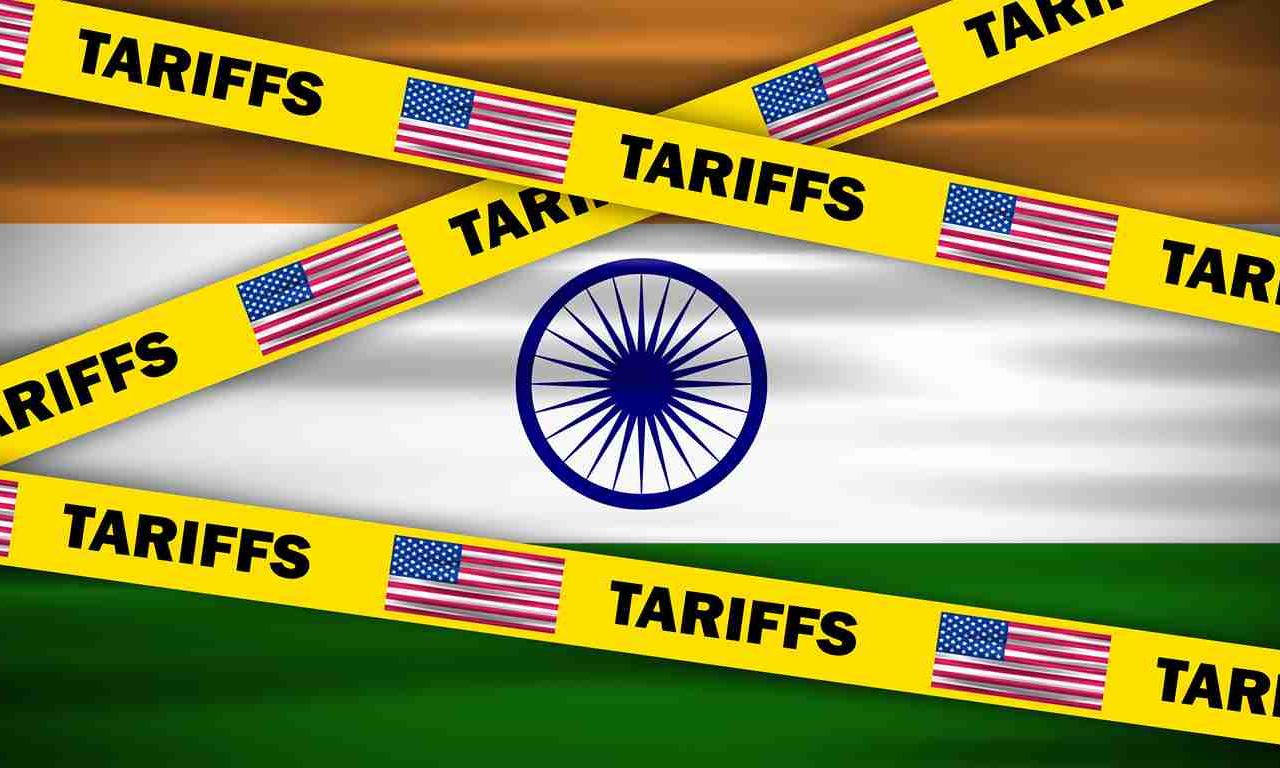
The big development in global trade came as US Lifts 25% Tariffs on India, bringing relief to exporters and strengthening bilateral ties. The United States has officially announced that it will remove the additional 25 percent tariffs imposed on Indian goods, effective February 7, 2026. This decision follows India’s commitment to halt direct or indirect imports of Russian oil and marks an important shift in economic and strategic relations between the two nations.
Thank you for reading this post, don't forget to subscribe!Background to the Tariff Decision
The additional 25 percent tariffs were first imposed in August last year. The United States introduced these duties as part of reciprocal trade measures. At the same time, the decision was influenced by India’s continued purchase of Russian crude oil despite Western sanctions.
These extra duties created challenges for Indian exporters. Several sectors such as textiles, engineering goods, chemicals, and auto components were affected. The higher tariffs made Indian products more expensive in the American market. As a result, exporters faced reduced competitiveness and financial pressure.
The tariffs were also seen as a signal from the United States that trade policy would be linked with broader strategic concerns. India’s energy imports from Russia became a sensitive issue in diplomatic discussions.
The latest decision to remove the tariffs shows that both countries are willing to adjust policies in response to strategic commitments.
Executive Order and Implementation Timeline
The rollback of the tariffs has been confirmed through an executive order issued by the White House. According to the order, Indian goods entered for consumption, or withdrawn from bonded warehouses, on or after 12.01 am Eastern Standard Time on February 7, 2026, will no longer face the additional 25 percent ad valorem duty.
This means that from that date, Indian exports to the US will return to the tariff structure that existed before August last year. The term ad valorem duty refers to a tax that is calculated as a percentage of the value of the imported goods.
Executive orders in the United States have the force of law for federal agencies. This ensures that customs authorities and other departments will implement the new tariff rules without delay.
The clear timeline provides certainty to exporters and importers on both sides. Businesses can now plan shipments and contracts with better clarity.
Energy Commitments and Strategic Assurances
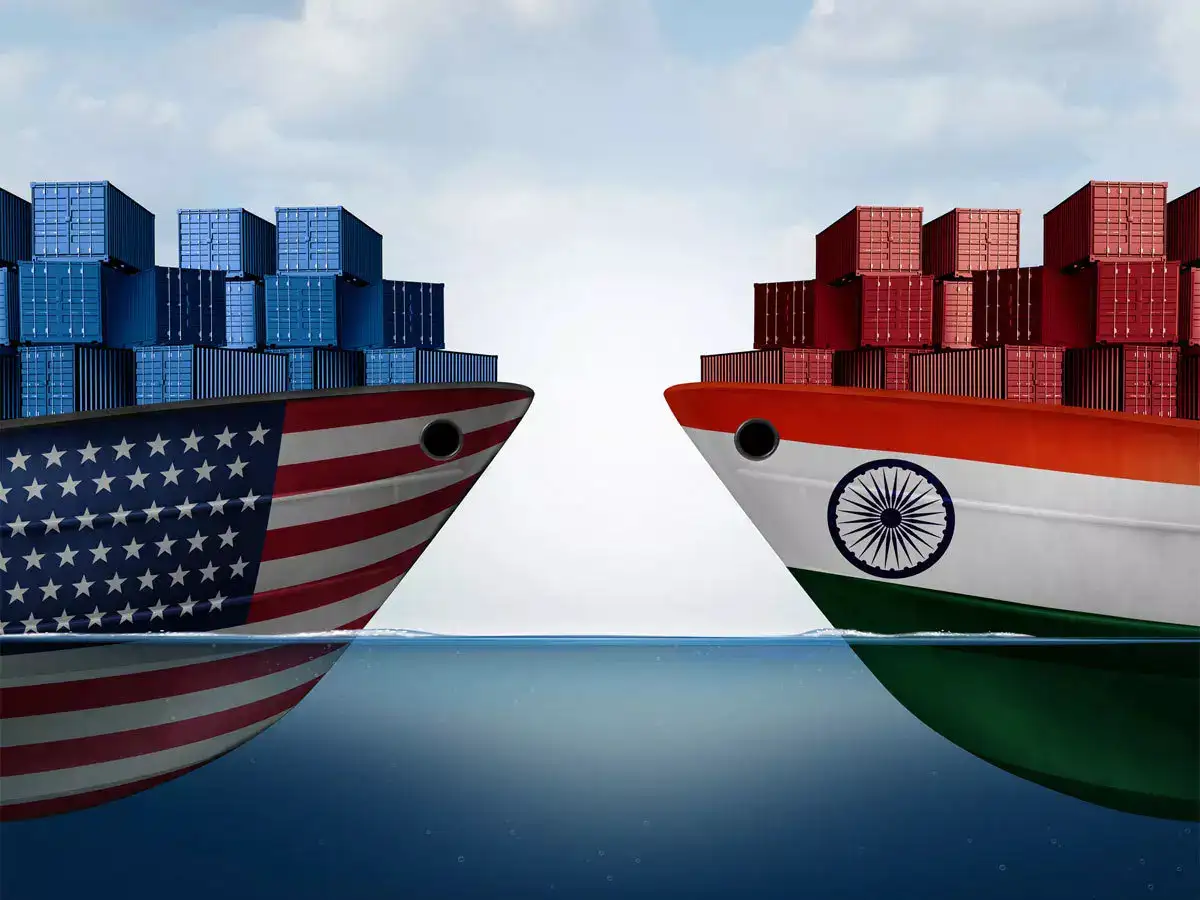
A major factor behind the US decision is India’s assurance that it will halt direct or indirect imports of Russian oil. Energy trade has become closely linked with foreign policy decisions in recent years. The United States has been encouraging its partners to reduce dependence on Russian energy supplies.
India has defended its earlier oil purchases by stating that it needed affordable energy to support its growing economy. However, in the latest development, India has agreed to adjust its sourcing strategy in line with broader strategic considerations.
The US administration has made it clear that compliance will be closely monitored. If India is found to have resumed imports of Russian oil, the US Secretary of Commerce may review the situation. There is also a possibility that the additional tariffs could be reimposed if the commitments are not maintained.
This arrangement shows how economic tools such as tariffs are being used as instruments of diplomatic influence. Trade and energy policies are no longer separate from geopolitical strategy.
Impact on Indian Exporters and Industry
The removal of the additional tariffs is expected to bring relief to Indian exporters. Many businesses had reported reduced margins and loss of market share due to the extra duties.
With the rollback, Indian goods will regain price competitiveness in the American market. This may lead to increased export volumes in the coming months. Sectors such as pharmaceuticals, textiles, machinery, and information technology services may benefit from improved trade conditions.
Industry groups in India have welcomed the decision. They believe that stable trade relations with the United States are important for long term growth. The US remains one of India’s largest trading partners, and smoother access to this market is vital for many companies.
The move may also encourage new investments and joint ventures between firms from both countries.
Strengthening Bilateral Relations
Beyond trade, the decision reflects a broader effort to strengthen India US relations. The two countries have been expanding cooperation in areas such as technology, defence, climate change, and regional security.
By resolving a key trade issue, both sides have created a more positive environment for collaboration. Diplomatic observers note that such steps help build trust and reduce friction in strategic partnerships.
The linkage between tariff relief and energy commitments highlights the evolving nature of global diplomacy. Nations are increasingly using economic policies to shape strategic outcomes.
Defence Cooperation Framework
Alongside the tariff rollback, India and the United States have agreed on a framework to expand defence cooperation over the next decade. This long term arrangement covers defence procurement, technology sharing, and joint initiatives.
The new framework signals deeper strategic alignment between the two countries. It shows that their partnership goes beyond trade and includes security and defence collaboration.
This expanded cooperation may include joint military exercises, research and development projects, and enhanced supply chain coordination in defence manufacturing.
The agreement strengthens the broader partnership and supports shared interests in maintaining stability in the Indo Pacific region.
US Lifts 25% Tariffs on India: A Turning Point in Trade Relations
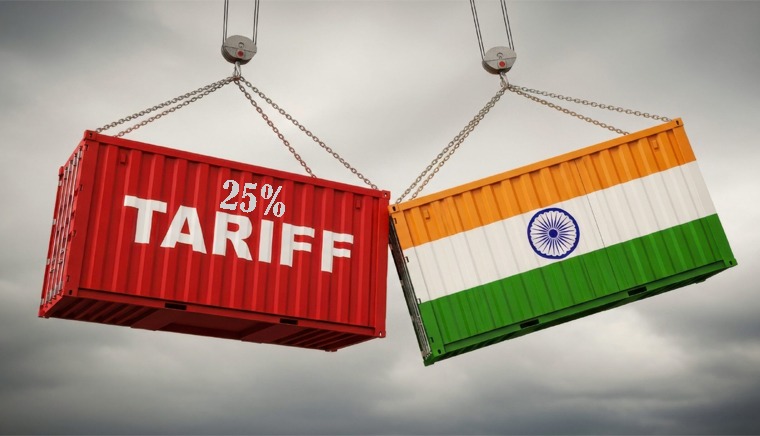
The decision that US Lifts 25% Tariffs on India marks a significant shift in bilateral trade relations. It reflects negotiation, compromise, and strategic alignment between two major economies.
With the tariffs removed, exporters can look forward to improved opportunities. At the same time, both governments have shown that trade policies can be adjusted to support larger diplomatic goals.
As the February 7, 2026 implementation date approaches, businesses and policymakers will closely watch how this renewed cooperation shapes the future of India US economic and strategic ties.