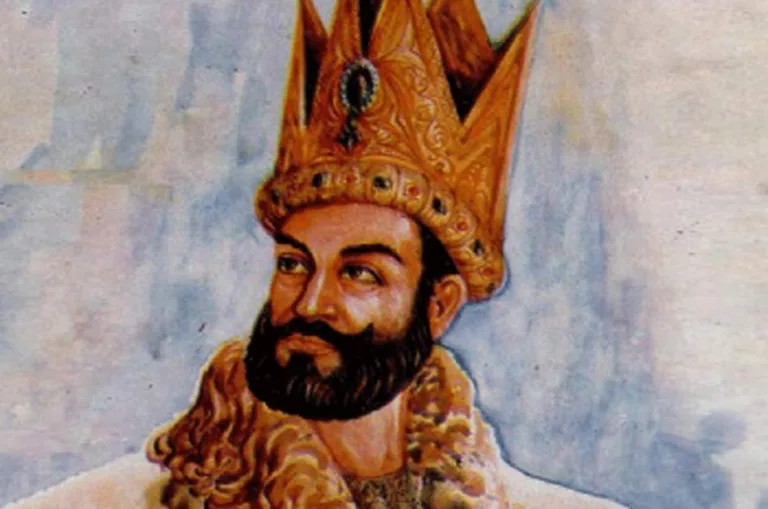




Jagadguru Basaveshwara: Inspiring Life, Teachings, and Legacy on Basava Jayanti

About Jagadguru Basaveshwara
Jagadguru Basaveshwara, also known as Basava, was a 12th-century philosopher, statesman, and social reformer from Karnataka, India. He is celebrated as the founder of the Lingayat movement, which emphasized devotion to Lord Shiva, social equality, and the rejection of caste-based discrimination.
Thank you for reading this post, don't forget to subscribe!Born into a Brahmin family in Basavana Bagewadi in 1105 CE, Basaveshwara displayed remarkable intelligence and spiritual insight from an early age. He later became a chief minister (Dharma Pracharya) in the court of King Bijjala II of the Kalachuri dynasty.
Basaveshwara’s teachings challenged societal norms by advocating for:
- Equality between men and women
- Rejection of caste hierarchies
- Emphasis on work, devotion, and moral living
- Promotion of education and literacy
He composed hundreds of Vachanas, short poetic expressions of devotion and philosophy, which continue to inspire spiritual seekers and reformers. Basaveshwara’s ideas laid the foundation for a more inclusive society in medieval India and remain highly relevant today.
Anubhava Mantapa
Anubhava Mantapa, established by Jagadguru Basaveshwara in the 12th century, was a revolutionary spiritual and social forum. Located in Kalyana (present-day Karnataka), it served as a center for discussion, debate, and exchange of philosophical ideas among saints, scholars, and common people alike.
The Anubhava Mantapa was unique for its time because it promoted equality and inclusivity, allowing individuals of all castes, genders, and backgrounds to participate. Basaveshwara encouraged dialogue on spirituality, morality, social reform, and devotion to Lord Shiva, fostering a society based on merit, wisdom, and ethical conduct rather than birth-based hierarchy.
Key highlights of the Anubhava Mantapa:
- Encouraged Vachana literature creation and debate
- Promoted social justice and equality
- Acted as a platform for spiritual and moral guidance
- Inspired disciples to implement Lingayat principles in daily life
Through the Anubhava Mantapa, Basaveshwara’s vision of a just, egalitarian society began taking shape, influencing generations to come.
Social Contribution
Jagadguru Basaveshwara’s social contributions were revolutionary and continue to resonate even today. He tirelessly worked to create a society free from discrimination, inequality, and social hierarchies. Some of his key social reforms include:
- Abolition of Caste-Based Discrimination: Basaveshwara advocated for equality of all human beings, rejecting the rigid caste system prevalent in 12th-century India.
- Empowerment of Women: He promoted gender equality, encouraging women to actively participate in spiritual and social life.
- Promotion of Education: Basaveshwara emphasized the importance of learning and literacy for all, irrespective of social background.
- Introduction of Lingayatism: Through the Lingayat movement, he propagated devotion to Shiva, social justice, ethical living, and community service.
- Vachana Literature: His poetic expressions provided moral guidance, spiritual insight, and practical advice for everyday life.
Through these efforts, Jagadguru Basaveshwara laid the foundation for a more inclusive, ethical, and enlightened society, making him a timeless figure in Indian philosophy and social reform.
Conclusion
Jagadguru Basaveshwara remains one of India’s most revered philosophers and social reformers. His vision of an egalitarian society, emphasis on devotion, moral living, and social justice transformed 12th-century Karnataka and continues to inspire generations.
Through initiatives like the Anubhava Mantapa and his Vachana literature, Basaveshwara challenged social norms, promoted equality, and laid the foundation of the Lingayat movement. His teachings on spirituality, ethics, and community service make him a timeless figure whose ideas are still relevant in modern society.
On Basava Jayanti, leaders like PM Modi pay tribute to his contributions, reminding the nation of his enduring legacy and the values of justice, equality, and devotion that he championed.
Must-Read Related Articles:
Hiren Bhattacharyya: The Poet of Love and Sunshine
Kalaguru Bishnu Prasad Rabha: The Bold Voice of Assam
Phani Sarma: The Legendary Pioneer of Assamese Theatre and Cinema
Srimanta Sankardeva: The Visionary Saint of Assam
Frequently Asked Questions About Jagadguru Basaveshwara
Q1. Who was Jagadguru Basaveshwara?
Jagadguru Basaveshwara was a 12th-century philosopher, social reformer, and founder of the Lingayat movement in Karnataka, India.
Q2. When and where was Basaveshwara born?
He was born in 1105 CE in Basavana Bagewadi, Karnataka, into a Brahmin family.
Q3. What is the Anubhava Mantapa?
The Anubhava Mantapa was a spiritual and social forum established by Basaveshwara in Kalyana for discussion, debate, and promotion of equality and moral living.
Q4. What social reforms did Basaveshwara introduce?
He advocated equality of all human beings, empowerment of women, abolition of caste discrimination, and promoted education and ethical living.
Q5. What is Basaveshwara famous for in literature?
Basaveshwara composed numerous Vachanas, short poetic expressions reflecting devotion, social reform, and practical moral guidance.
Q6. What is Lingayatism?
Lingayatism, founded by Basaveshwara, emphasizes devotion to Lord Shiva, social equality, ethical conduct, and rejection of caste hierarchies.
Q7. How is Basava Jayanti celebrated?
Basava Jayanti celebrates his birth with religious events, processions, and tributes across Karnataka, highlighting his life and teachings.
Q8. Why is Jagadguru Basaveshwara important today?
His teachings on social equality, justice, and moral living continue to inspire modern society and reform movements in India.
Q9. Who pays tribute to Basaveshwara on Basava Jayanti?
Leaders, including PM Modi, as well as spiritual and social organizations, honor Basaveshwara’s legacy on this day.
Q10. What was Basaveshwara’s role in promoting women’s rights?
He encouraged women to actively participate in spiritual and social life, promoting equality and breaking societal norms of his time.